





Vintage Brass Entrance Knocker
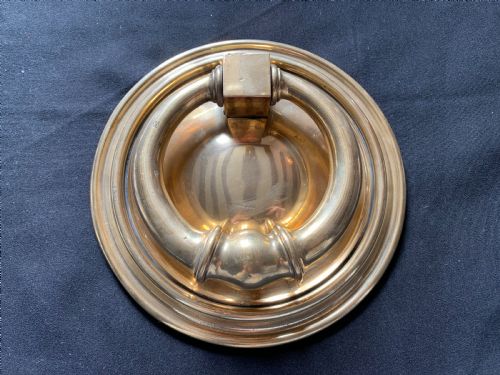
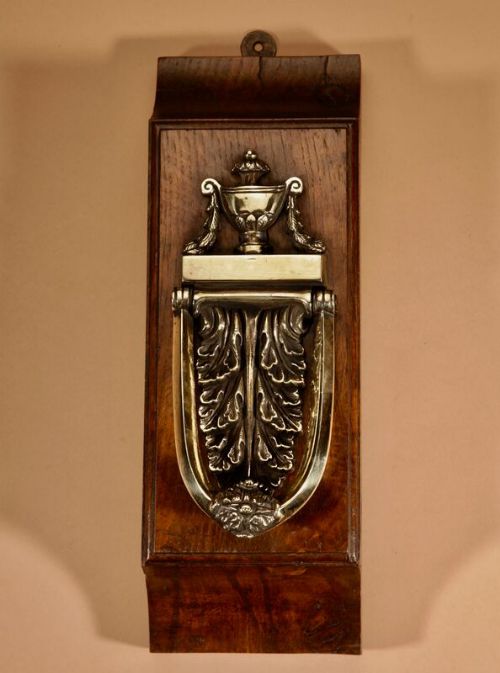
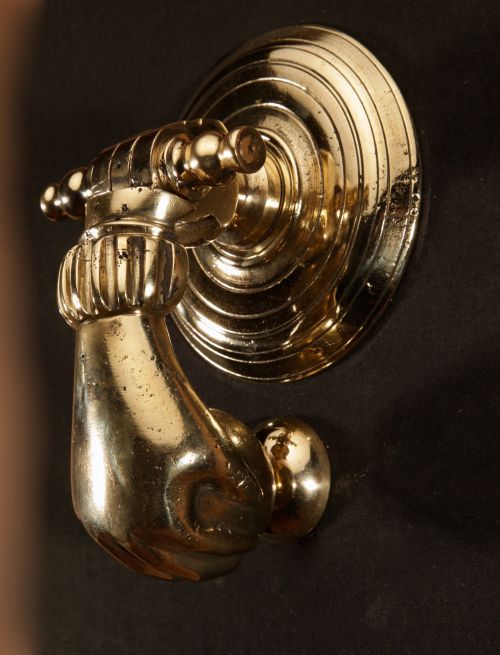
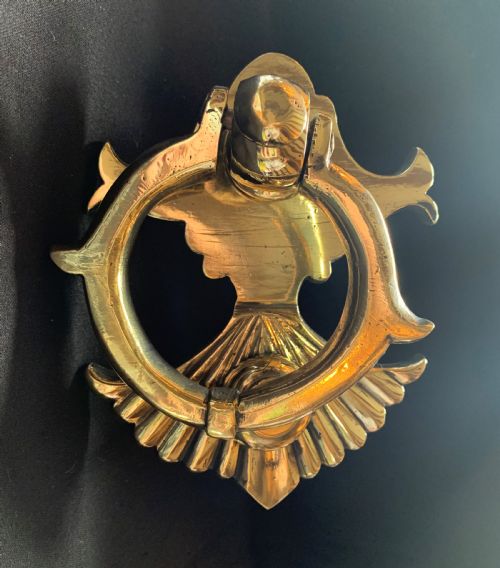
These vintage brass entrance knocker examples are robust metal door furniture pieces that give a front door immediate period character.
Vintage Brass Entrance Knocker
When you search for a vintage brass entrance knocker, you encounter heavy metal door furniture spanning from the Georgian and Victorian eras through to the mid-twentieth century.
The selections range from classic doctors knockers and large Georgian plates to maritime anchor designs and figural hands cast in bronze.
You are most likely to meet Victorian and 1900 examples rendered in solid brass, often complete with their original mounting plates.
How they were made
These items rely on traditional metal casting techniques, utilising solid brass or bronze poured into moulds to achieve high gauge and weight.
Many specimens incorporate supplementary materials such as iron fixings or oak backing boards to secure the heavy metal forms to timber doors.
Vintage Brass Entrance Knocker Retail Price Guide 2026
Typical asking prices for vintage brass entrance knocker among the pieces listed under this phrase on Sellingantiques today, from the lower quarter to the upper quarter. They describe what is for sale here now, not the wider market.
Listings span from the 1800s and Georgian period through to the 1940s, executed in brass, bronze, iron, and oak.
What varies in quality
The distinction between ordinary and superior pieces lies in the crispness of the cast detail and the thickness of the metal gauge.
More sophisticated knockers display intricate surface chisel work and well-balanced articulation in the moving drop ring or hammer.
The Vintage Brass Entrance Knocker Glossary
- Doctors knocker
- A specific style of door knocker featuring a horizontal hinge, historically associated with medical practitioners so patients could knock quietly or rapidly. It comprises an upper striking bar and a lower pivoting hammer.
- Gauge
- The thickness of the metal used in the construction of the object. A heavier gauge indicates a more substantial and durable casting.
- Louis Seize style
- A neoclassical design vocabulary originating in France, characterised by symmetry, straight lines, and classical ornamentation. It appears on continental brass knockers from the nineteenth century.
- Maltese dolphin
- A traditional maritime motif often utilised in coastal hardware and Victorian door furniture. It employs sea creature iconography in high-relief brass casting.
Vintage Brass Entrance Knocker: Frequently Asked Questions
Are these knockers suitable for modern exterior doors?
Yes, solid brass and bronze withstand outdoor weathering very well. They develop a natural patina over time when exposed to the elements.
Ensure the bolt spacing aligns with your door's internal structure or any existing hardware holes.
How can I tell a Victorian knocker from a Georgian one?
Georgian examples often feature strict neoclassical symmetry and restrained geometric plates. Victorian pieces frequently display more exuberant ornamentation, such as maritime anchors or figural hands.
Look at the casting style and overall weight to help determine the period.
What is the difference between brass and bronze knockers?
Brass is an alloy of copper and zinc, typically yielding a brighter golden tone. Bronze is primarily copper and tin, often possessing a deeper, darker metallic hue.
Both materials were utilised across the nineteenth and twentieth centuries for heavy door furniture.