

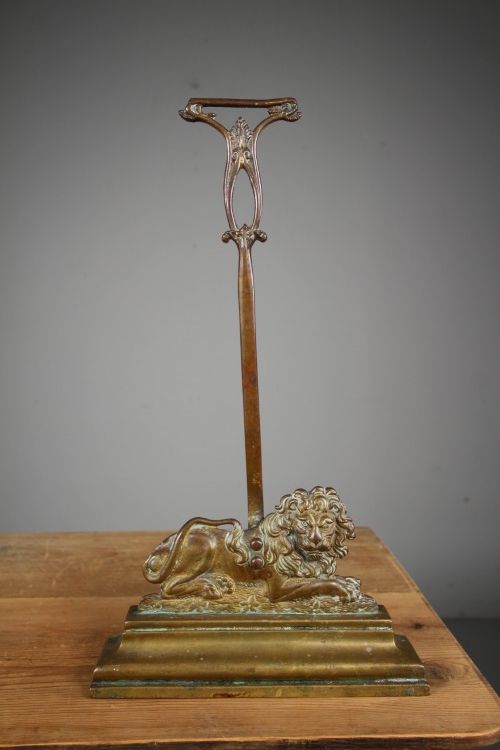


Vintage Brass Door Stop
These vintage brass door stop examples hold heavy doors while bringing sculptural weight and period character to a hallway.
Vintage Brass Door Stop
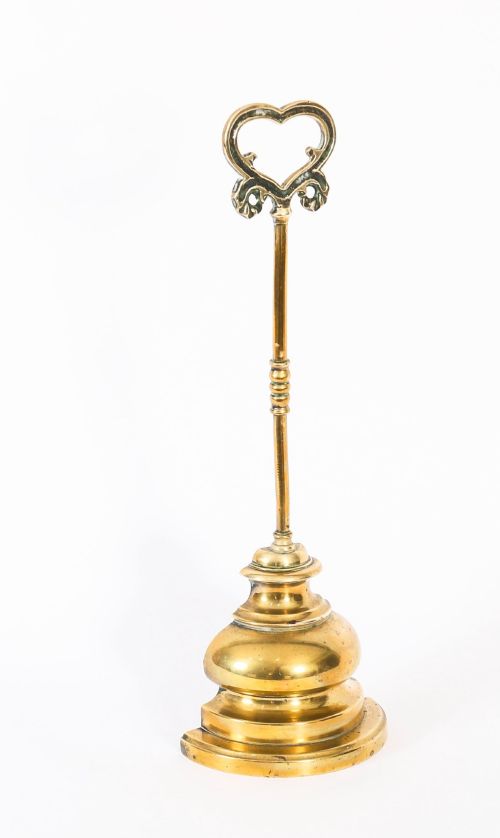
A vintage brass door stop serves the practical purpose of holding a heavy interior door open while doubling as a sculptural decorative object for the floor. Buyers hunting for a vintage brass door stop will encounter substantial cast forms designed to withstand daily use in domestic hallways.
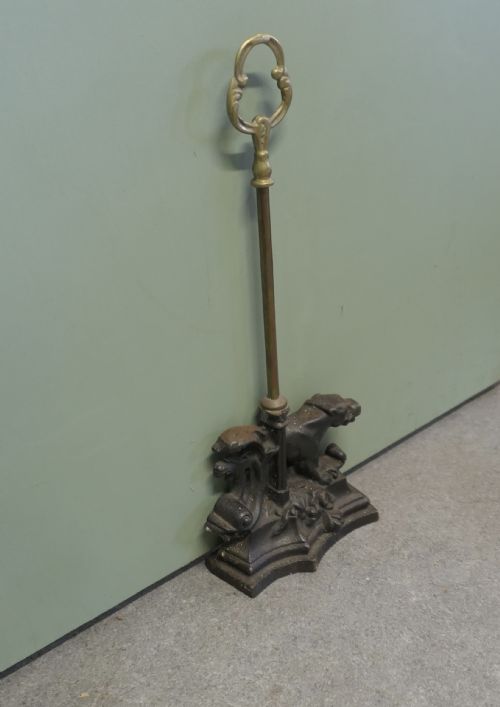
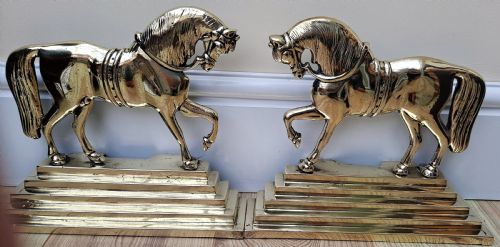
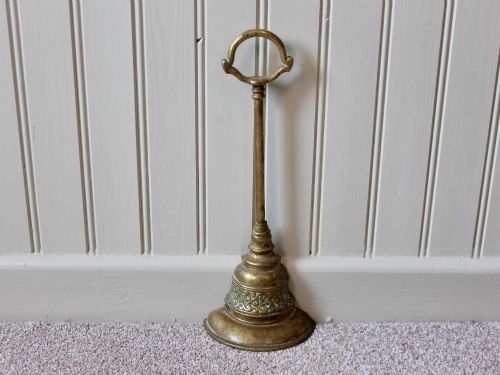
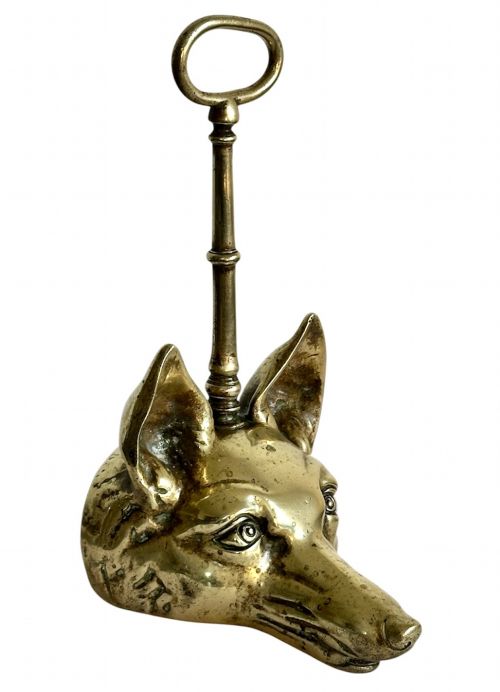
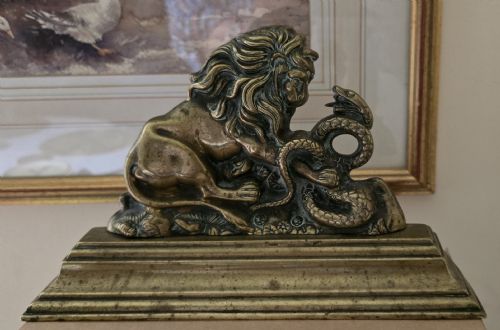
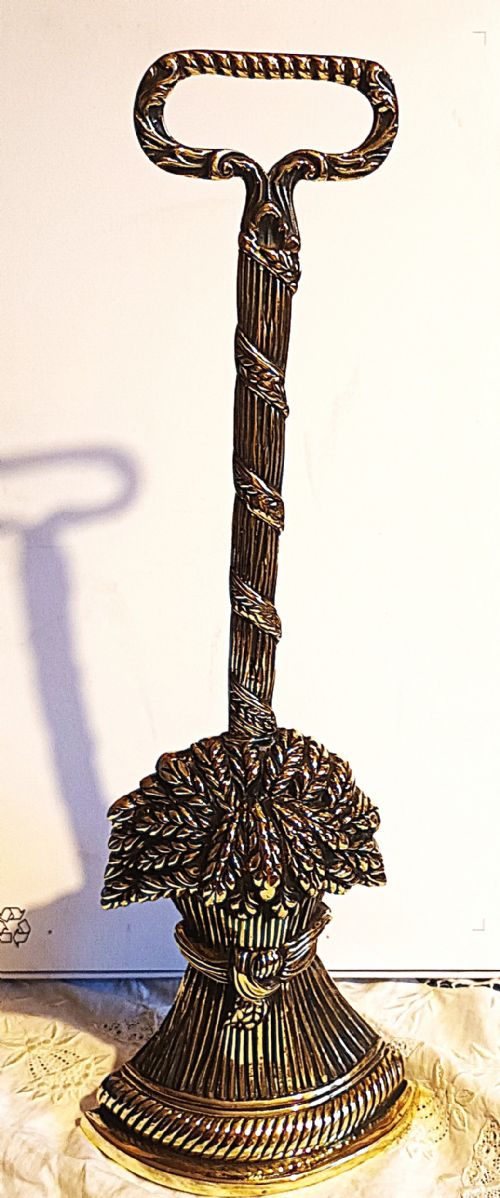
The pieces listed on this page span the Victorian, Georgian, and Regency periods, with nineteenth-century examples dominating the selection. Common forms include figural subjects such as lions, horses, foxes, cherubs, and historical figures like Lord Nelson, alongside utilitarian door porters.
Most items originate from English workshops, with occasional Dutch pieces appearing among the selections. Buyers will find single pieces as well as matched pairs suitable for grander double doorways.
How they were made
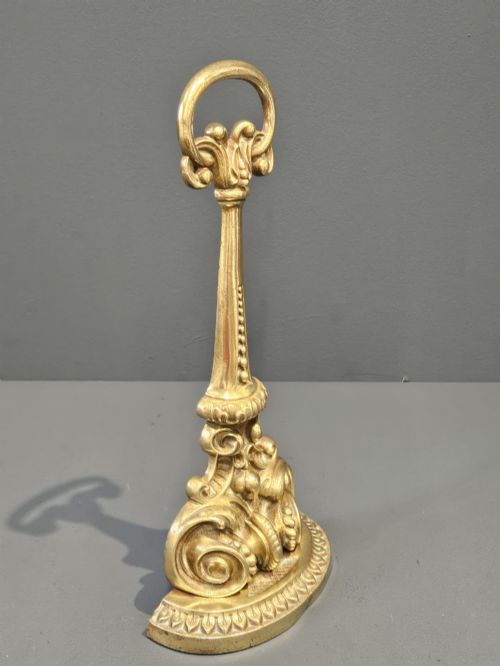
Makers utilised sand casting to produce these heavy metal objects, pouring molten brass into moulds to create thick, rigid bodies capable of holding doors against drafts. This technique results in solid construction where the main figure and its base are often cast as a single unit.
Vintage Brass Door Stop Retail Price Guide 2026
Typical asking prices for vintage brass door stop among the pieces listed under this phrase on Sellingantiques today, from the lower quarter to the upper quarter. They describe what is for sale here now, not the wider market.
Listings feature items from the Victorian, Georgian, and Regency periods, constructed primarily from cast brass with occasional iron components.
What varies in quality
Substantial weight and a well-balanced base indicate a better quality piece, ensuring the door stop functions effectively in service rather than tipping under pressure. The integration of lead or iron weighting hidden within the base also marks the difference between standard items and superior examples.
Tonks
The Vintage Brass Door Stop Glossary
- Door porter
- A heavy portable door stop designed to be lifted and placed against an interior door to prevent it from slamming. These items often feature a loop handle at the top for easy carriage.
- Cast brass
- An alloy of copper and zinc melted and poured into a mould to form a rigid three-dimensional shape. This method creates the durable bodies characteristic of nineteenth-century hardware.
- Chimney horse
- A specific form of brass door porter often associated with English Georgian and Regency design, taking its name from hearth accessories. These pieces typically display slender vertical shafts with weighted bases.
- Figural
- A description for decorative objects moulded in the shape of human figures, animals, or mythical creatures. Such items transform functional door hardware into miniature sculptures.
Vintage Brass Door Stop: Frequently Asked Questions
What is a door porter?
A door porter is a heavy, portable door stop designed to keep interior doors open by sheer weight alone. These pieces usually include an integrated handle at the top so they can be easily moved around the room.
They were especially useful in large period houses with heavy wooden doors and draughty corridors. Today, they serve the same practical function while adding decorative character to a hallway.
How heavy are these door stops?
These items are substantially heavy, often weighing several kilograms to ensure they can hold open solid timber doors. Many examples achieve this heft through thick brass casting combined with internal lead or iron weighting.
Because of this weight, they remain stable on floorboards and carpets without needing fixings into the floor. Buyers should consider the weight if they plan to move the door stop between rooms frequently.
How do I date a brass door stop?
Dating relies on stylistic clues, casting techniques, and the subject matter depicted in the metalwork. Pieces from the Georgian and Regency periods often feature cleaner classical lines, whereas Victorian examples tend towards ornate figural subjects and heavier ornamentation.
Examining the underside can also reveal casting methods and wear patterns consistent with nineteenth-century production. Comparing the piece to documented examples helps narrow down the decade of manufacture.
Can I polish my brass door stop?
Polishing depends entirely on personal preference and the desired appearance of the metal. Some owners prefer a bright, polished brass finish that highlights the detailed casting, while others favour the dark patination accumulated over a century.
If you choose to polish the surface, use a gentle metal cleaner and a soft cloth to avoid wearing down the fine details of the cast design. Unpolished pieces often display a warmer, softer tone that reflects their age.