
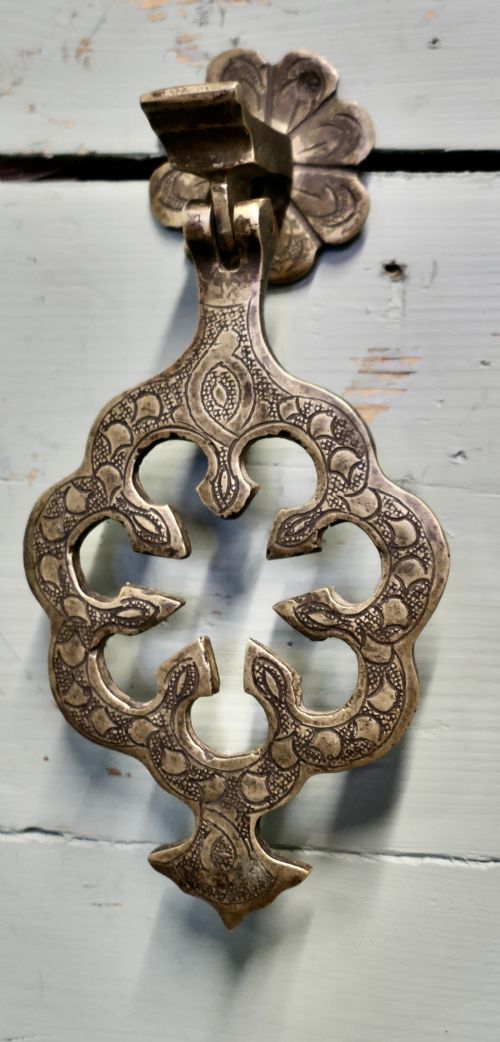
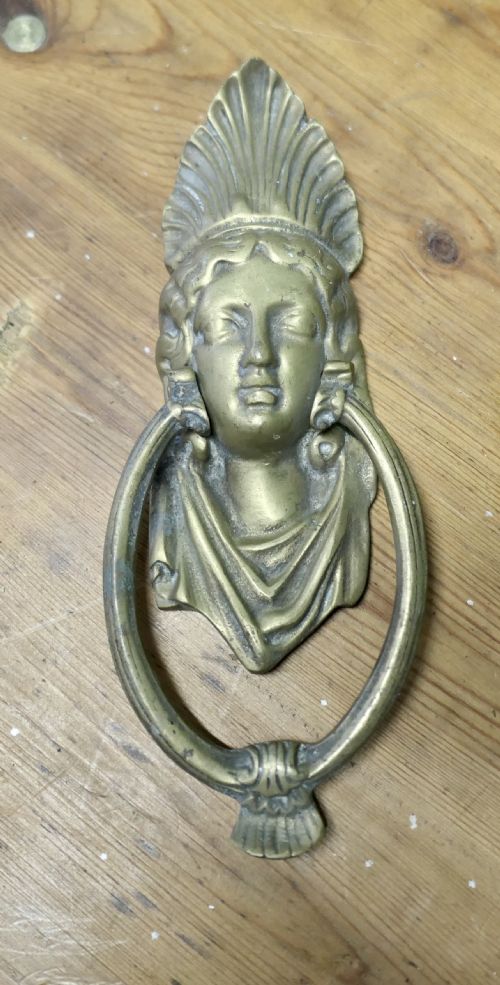
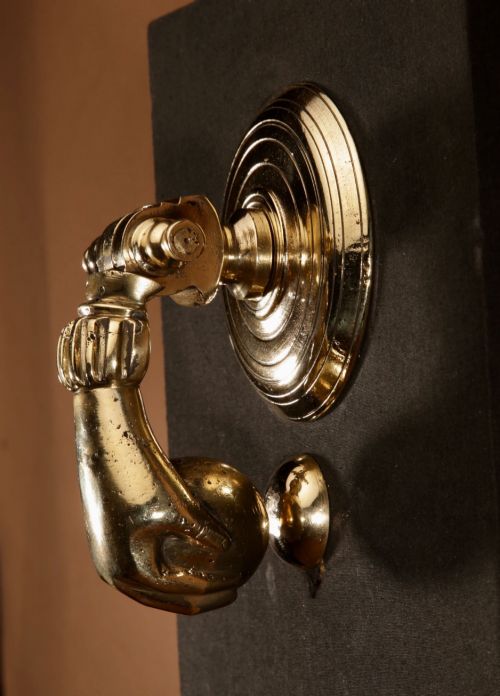


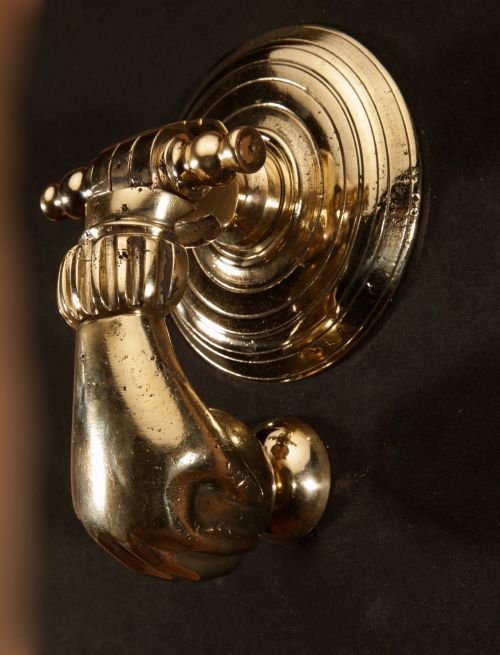


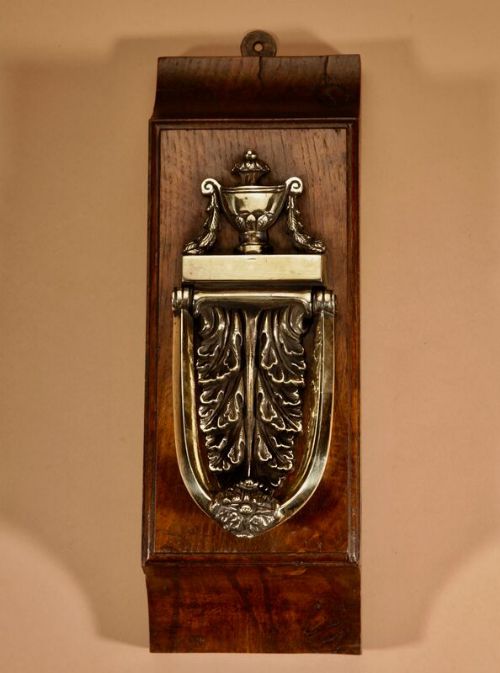


Vintage Brass Door Knocker
A vintage brass door knocker brings immediate character to an entrance, offering tactile charm forged in solid metal.
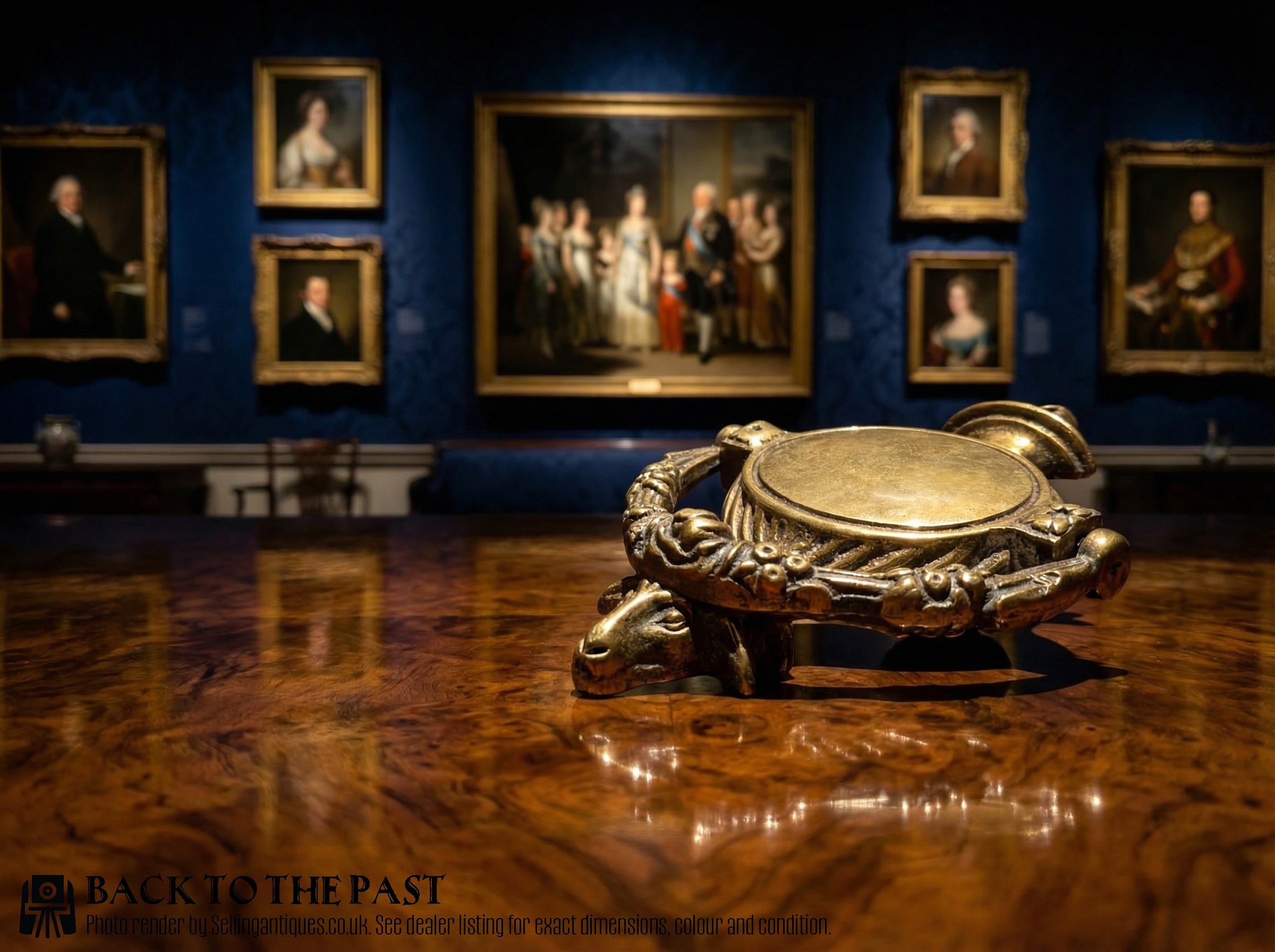
Vintage Brass Door Knocker
A vintage brass door knocker spans several distinct eras, drawing heavily from Victorian, Georgian, and early twentieth-century design. You will encounter architectural hardware ranging from classical motifs to maritime anchors and figural interpretations.
Victorian examples dominate the selection, often taking the form of dolphins, hands, or lion masks. Alongside these traditional designs, pieces from the nineteen-twenties and nineteen-forties introduce whimsical figures like imps and elves.
How they were made
Makers utilised traditional casting methods to shape molten metal into robust architectural hardware. Heavy gauge brass and solid bronze were poured into moulds to achieve intricate relief details and substantial weight.
Post-casting work involved hand-finishing, smoothing, and occasional polishing to enhance the natural lustre of the alloy. Many items were paired with matching striking plates forged from the same durable materials.
Listings span the Georgian period, the nineteenth century, and the nineteen-twenties, using brass, bronze, cast metal, and oak.
What varies in quality
Quality rests in the crispness of the casting and the density of the metal used. Heavier gauge examples demonstrate superior structural integrity compared to lighter, hollow alternatives.
The Vintage Brass Door Knocker Glossary
- Caryatid
- A sculpted female figure serving as an architectural support. These appear on sophisticated Victorian examples.
- Striking plate
- The metal plate mounted on the door surface where the knocker hits. It protects the wood from impact.
- Doctors knocker
- A specific drop-handle door knocker style associated with medical professionals. It enables a distinct sound.
- Louis Seize
- A neoclassical French style influencing continental hardware design. It emphasises symmetry and classical restraint.
Vintage Brass Door Knocker: Frequently Asked Questions
How do I clean a brass door knocker?
Wash the metal gently with warm soapy water to remove surface dirt and grime. Avoid abrasive compounds that might strip the historic patina accumulated over decades.
Dry the surface thoroughly with a soft cloth to prevent water spots. Preservation of the aged finish is generally preferred by collectors.
Can I mount these on a modern door?
Most vintage pieces include standard mounting holes or rear spindles suitable for attachment. Ensure the door structure can support the substantial weight of solid brass or bronze.
Check the spacing of existing fixings before purchasing. Professional installation helps protect antique threads and timber.
What periods do these knockers represent?
The selection spans from Georgian and Victorian eras through to the nineteen-forties. Victorian designs make up the majority of the architectural hardware shown.
Nineteenth-century examples frequently feature classical revival styles and figural motifs. Later twentieth-century items introduce more stylised novelty figures.
Are these knockers made of solid brass?
The listings comprise solid brass, cast brass, and bronze constructions. Heavier pieces utilise thick gauge metal for enhanced durability and resonance.
Some items combine iron components or oak backing boards. Material specifications are detailed in individual item titles.