
Regency Door Furniture
Regency door furniture brings neoclassical restraint and heavy brasswork to period entrances, offering solid historical character for restoration projects.
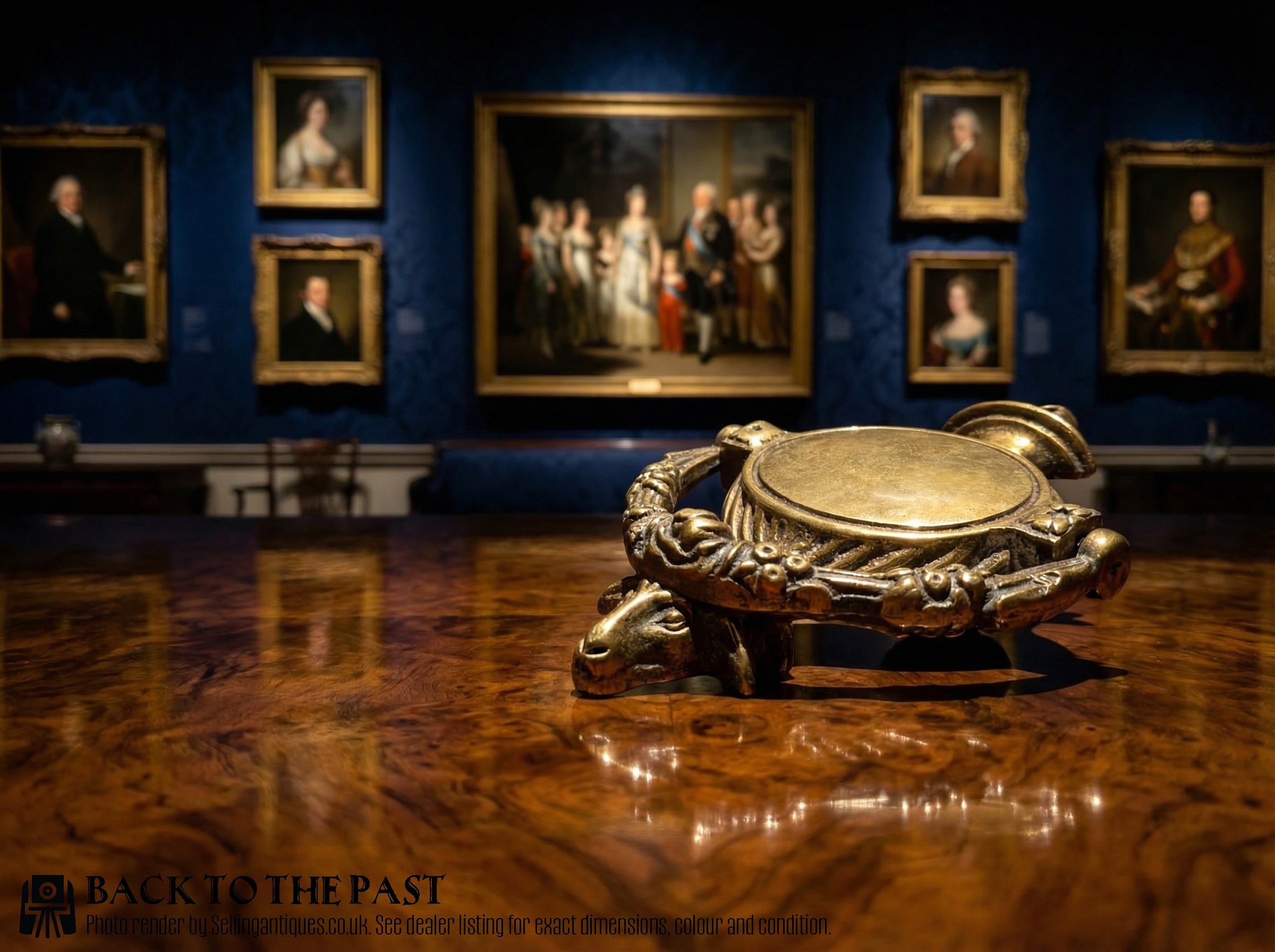
Regency Door Furniture
When you examine regency door furniture, you encounter items designed to operate and adorn domestic entryways during the early nineteenth century. The examples found here comprise brass knockers executed in classic and period styles.
Makers of this era favoured sturdy metals designed for daily tactile interaction. These pieces range from simple functional knockers to decorative brass hardware intended to signal status on a substantial front door.
Buyers seeking authentic period hardware will notice how these items reflect the architectural tastes of the Regency and Victorian periods. They provide a direct link to the domestic fittings of the nineteenth century.
Gradations in quality
Quality in these items rests upon the crispness of the casting and the thickness of the metal used in production. Heavier brass items with deep, well-defined relief work generally indicate a higher standard of original craftsmanship.
The degree of wear on the striking points and mounting holes also distinguishes superior examples. Items that retain their original mounting pins and possess smooth, unblemished surface textures represent the better tier of surviving hardware.
Listings for regency door furniture incorporate brass objects produced across the Regency and Victorian periods.
Gillows·S & H Jewell·James Winter & Sons·Louis Constantin Le Gaigneur
The Regency Door Furniture Glossary
- Brass
- An alloy of copper and zinc widely utilised for nineteenth-century hardware due to its resilience and bright appearance. It forms the core material for the knockers listed here.
- Cast
- A manufacturing method where molten metal is poured into a mould to shape the object. This technique allowed makers to produce repeating decorative motifs with consistent dimensions.
- Patina
- The natural surface ageing and oxidation acquired by metal over decades of exposure to air and handling. Collectors value a stable patina as evidence of genuine age.
- Period
- A designated timeframe reflecting specific historical design movements and manufacturing methods. These items span the Regency, Georgian, and Victorian eras.
Regency Door Furniture: Frequently Asked Questions
How do I date regency door furniture?
Dating relies on stylistic cues such as neoclassical motifs, lettering styles, and the specific casting methods visible on the reverse of the metal.
Examining the metal composition and the wear patterns around the fixing points also helps establish whether an item originates from the Regency or Victorian eras.
Are these items suitable for modern exterior use?
Many solid brass pieces remain structurally robust enough for daily operation on contemporary entrance doors.
Care should be taken to verify the dimensions of existing fixing holes before installation to protect historic mountings.
What styles are common in this hardware?
The listings predominantly feature classic neoclassical designs alongside later Victorian interpretations of traditional architectural forms.
These styles reflect the shifting decorative priorities of nineteenth-century British entranceways.
How should I clean antique brass hardware?
Gentle dusting with a soft cloth preserves the accumulated surface character without stripping away the historic finish.
Harsh chemical polishes should be avoided to protect the natural patination built up over the nineteenth and twentieth centuries.