





Traditional Front Door Knocker
Traditional front door knocker examples are heavy metal fittings that announce visitors, combining period weight and design.
Traditional Front Door Knocker
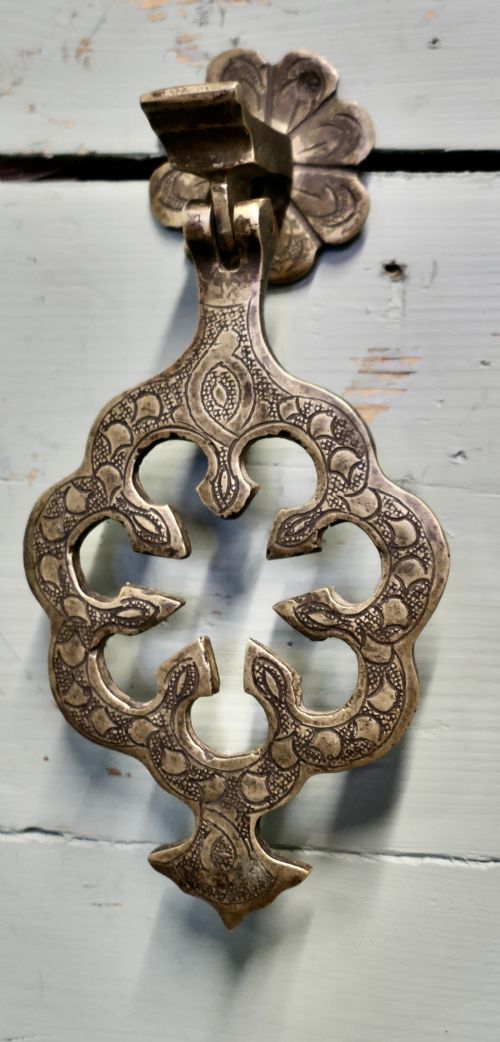
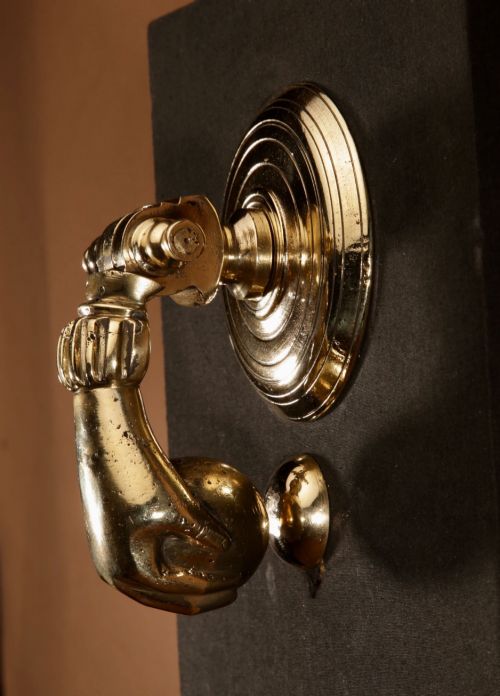
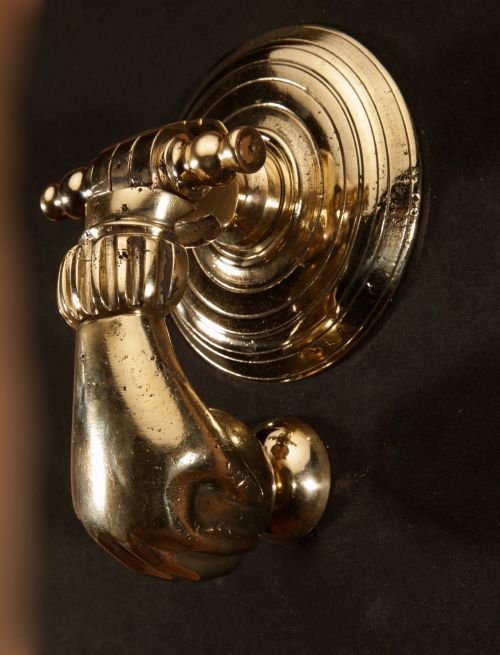
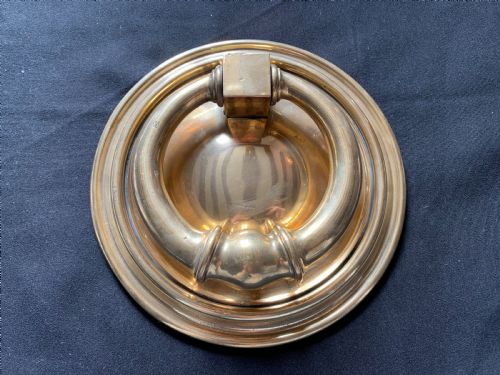
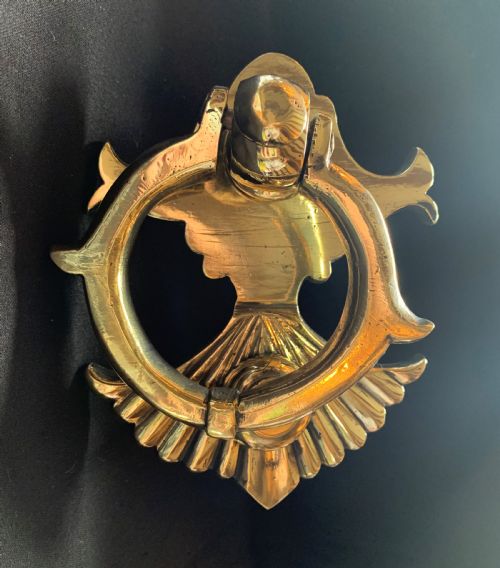
A traditional front door knocker serves as the primary hardware for announcing visitors on historic and period properties. Buyers seeking a traditional front door knocker encounter various forms ranging from plain geometric plates to figurative designs like hands, lions, and maritime anchors.
The pieces on this page span several eras including Georgian, Victorian, and the nineteenth century. Common configurations include simple drop rings, doctors knockers, and complete assemblies incorporating matching striking plates or integrated letterboxes.
How traditional front door knocker pieces were cast
Traditional front door knocker examples rely primarily on cast brass, solid brass, and bronze. Metalworkers utilised traditional sand casting techniques to pour molten metal into moulds, producing thick walls and heavy gauges.
Finishes range from polished bronze to patinated cast metal and iron. Many examples show hand-pierced detailing and attached striking plates designed to protect the timber door surface.
The listings span multiple centuries, incorporating Georgian, Victorian, and nineteenth century examples fashioned from brass, bronze, and iron.
What separates the best traditional front door knocker examples
Quality in a traditional front door knocker rests on the weight of the metal and the crispness of the casting. Heavier gauge brass and detailed hand-piercing distinguish superior work from simpler production pieces.
The integrity of the original components also dictates the standing of a piece. Complete assemblies retaining their original striking plates and mounting pins command greater interest than modified or partial hardware.
The Traditional Front Door Knocker Glossary
- Striking plate
- A metal plate mounted on the door face that receives the impact of the knocker. This protects the wood from repetitive wear over decades of use.
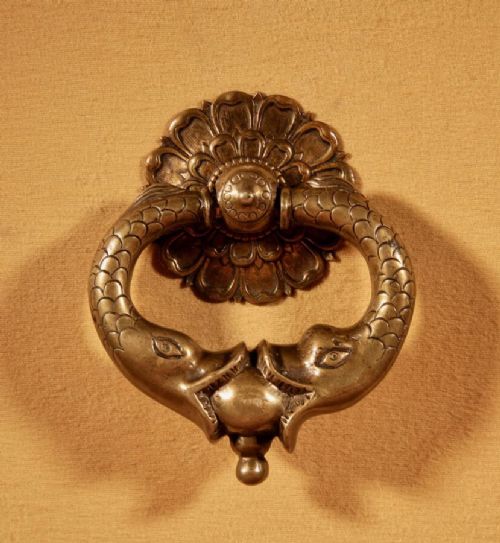
- Maltese dolphin
- A distinct regional motif featuring a dolphin form, frequently seen on nineteenth century hardware from Malta. It provides both a substantial handle and ornamental detail.
- Cast brass
- Molten alloy poured into a sand mould to form complex shapes. This method creates the durable structure necessary for heavy exterior use.
Traditional Front Door Knocker: Frequently Asked Questions
How do I install a traditional front door knocker?
Most traditional front door knocker designs mount using threaded bolts or wood screws passed through the door from the interior side. This secures the hardware firmly against heavy daily impacts without damaging the exterior face.
Ensure you measure the distance between mounting holes before drilling. Some older pieces require specific bolt placements that match existing hardware holes on period doors.
What is a doctors knocker?
A doctors knocker is a specific upright design where the pivoting hammer strikes a lower mounting stud rather than the door itself. This style gained popularity because medical professionals required a distinct sound to alert residents.
Today these pieces remain popular for their balanced proportions and traditional silhouette. They work well on both period townhouses and country cottages.
How do I clean brass door hardware?
Maintenance depends on whether you prefer a bright polished finish or a dark aged patina. Warm soapy water and a soft cloth remove surface dirt without stripping the protective oxide layer.
Avoid harsh chemical abrasives that can scratch the metal surface or remove historic patination. Gentle care preserves the original texture of the casting.
Are these knockers suitable for exterior use?
These pieces were originally cast for exterior doors and handle weathering well. Solid brass and bronze develop stable surface patinas when exposed to outdoor elements.
Regular checking of the mounting screws prevents looseness caused by frequent operation. The heavy gauges used in these periods ensure structural durability.