



Vintage Brass Cups
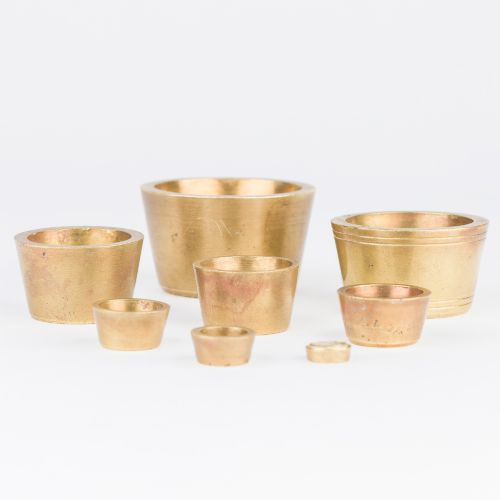
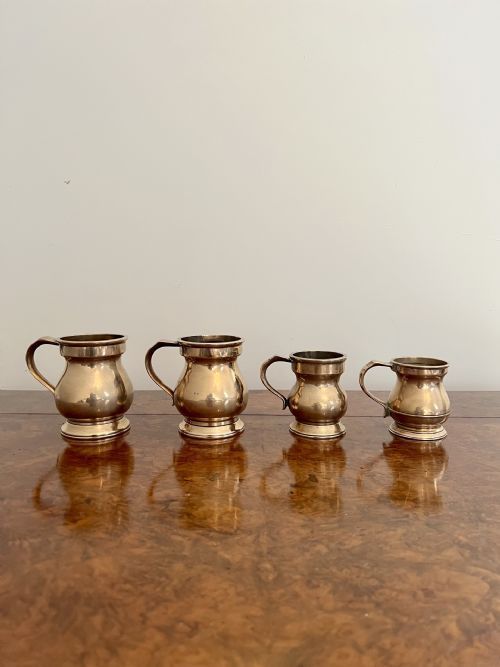
These vintage brass cups offer solid historical utility, bringing heavy metal weight and traditional craftsmanship directly to your desk or display.
Vintage Brass Cups
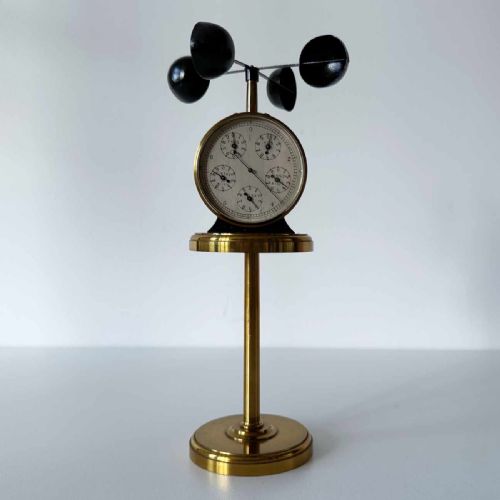
When you search for vintage brass cups, you encounter a surprisingly varied selection of small vessels ranging from decorative drinking forms to functional scientific and measuring gear. The pieces on this page span several distinct periods including Victorian and Edwardian eras, alongside items marked by specific cultural traditions.
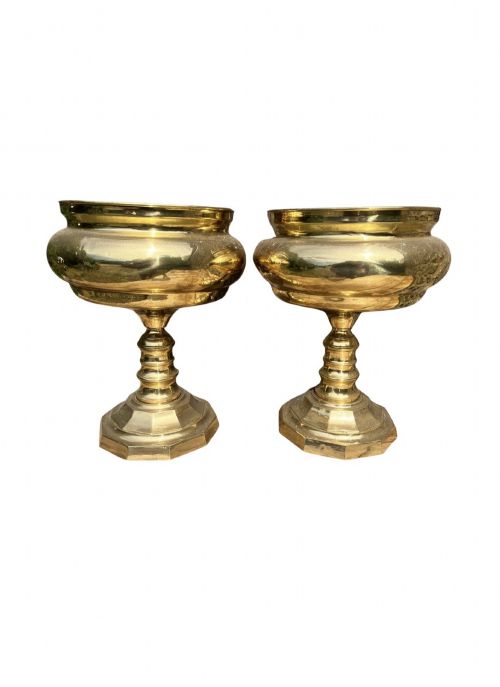
Most examples you meet here lean towards practical or decorative drinking vessels, such as bell shaped tankards, goblets, and specialised stem cups. Alongside these, you find related items like copper egg cups and ritual butter oil lamps which share the same metal working lineage.
How they were made
The construction relies heavily on durable metalworking techniques, utilising solid brass and copper to form sturdy vessels designed for daily use or specific measurement tasks. Makers shaped these metals through traditional casting and hammering methods common in the nineteenth and early twentieth centuries.
Some pieces incorporate contrasting materials or decorative details, such as cloisonné enamel work on stem cups or structural elements involving wood and glass seen in broader related categories.
Some cups on this page double as butter oil lamps meant to burn brightly in the chilly Himalayan foothills.
What varies in quality
Quality in these items is determined by the crispness of the metal form, the thickness of the brass, and the integrity of any applied decoration like enamel work. Pieces featuring clear maker marks or specific historical attribution stand apart from unsigned utility items.
The weight and balance of the vessel also dictate its grade, where heavier, solid casts show greater durability and superior original intent compared to lighter decorative replicas.
Picards·John Millikin·J Hicks
The Vintage Brass Cups Glossary
- Brass
- An alloy of copper and zinc, valued historically for its warm golden colour and resistance to corrosion.
- Cloisonné
- An ancient technique for decorating metalwork objects with enamel, where compartments are created by adding soldered wire.
- Goblet
- A footed drinking vessel without handles, often used for ceremonial or decorative purposes in metal or glass.
- Stem cup
- A type of chalice or cup elevated on a narrow stem above a spreading foot, seen in various Asian and European traditions.
- Tankard
- A tall, cylindrical drinking vessel with a single handle, frequently fitted with lids in antique metal forms.
Vintage Brass Cups: Frequently Asked Questions
How do I clean antique brass cups?
Clean these items gently with a soft cloth to preserve the natural aged patina that develops over decades of exposure.
Avoid harsh chemical polishes that strip away historical character and reduce the visual depth of the metal.
Were these brass cups used for drinking?
Many examples served practical drinking functions, such as bell shaped tankards and decorative goblets designed for daily beverage consumption.
Others held specific utilitarian roles, including measuring liquids or serving ritual butter oil in regional traditions.
How can I tell a Victorian cup from an Edwardian one?
Victorian pieces often display heavier cast construction with ornate detailing, reflecting the industrial and stylistic preferences of the nineteenth century.
Edwardian examples frequently shift towards lighter, cleaner lines and occasionally incorporate mixed materials like enamel.
Can I use vintage cups for daily dining?
While physically robust, many older metal vessels contain historical traces or lack modern food safety certifications for daily consumption.
Collectors generally prefer to display these items or use them as dry desktop containers rather than active tableware.