


Vintage Brass Counter Bell
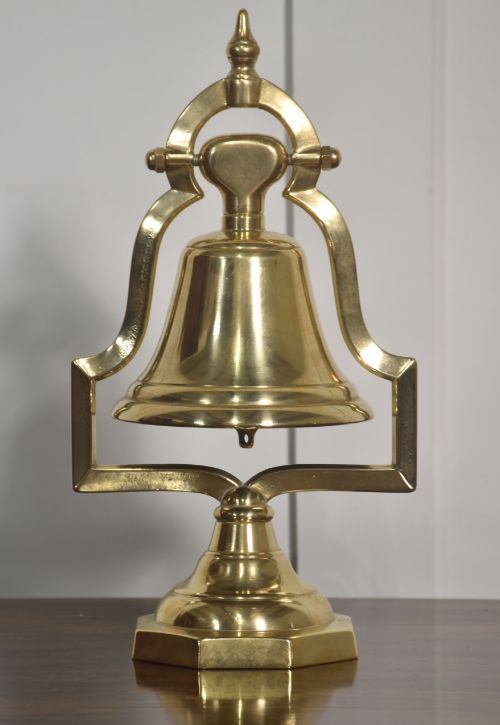
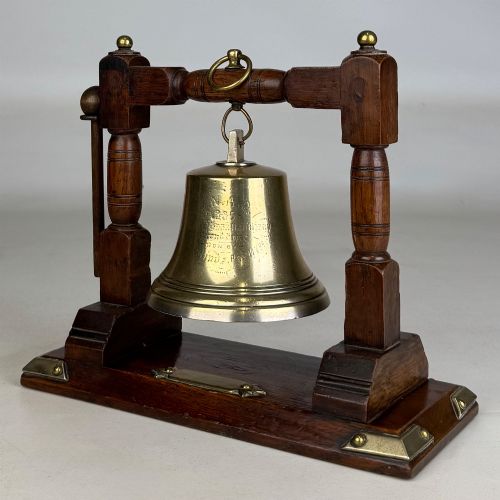
These vintage brass counter bell examples are heavy metal ringers built for service on counters, desks, and reception tables.
Vintage Brass Counter Bell
A vintage brass counter bell serves as a mechanical alert device designed for shops, hotels, and country houses, mounted solidly for daily operation. When people search for a vintage brass counter bell, they encounter sturdy desk and reception models dating from the Victorian and Edwardian eras, often paired with wooden bases.
The pieces appearing here span the late nineteenth and early twentieth centuries, including designs in polished brass, silver plate, and bronze. Most examples take the form of dome bells on stands or plunger-style desk bells intended to sit permanently on a wooden counter.
How they were made
The construction of these bells relies on cast and turned brass, frequently mounted onto seasoned timber such as oak or ebonised wood for stability. Foundries shaped the metal domes and internal clappers to produce a sharp, resonant tone when struck or plunged.
Makers integrated springs and plungers in desk models, while others attached the dome directly to a metal or wooden stand. Certain pieces incorporate cast iron weights or secondary metals like bronze and silver plate to vary the finish and resonance.
Some butcher shops relied on advertising bells shaped like sausages to summon the trade.
What varies in quality
Quality in these bells rests upon the thickness of the metal casting and the crispness of any turned details on the stand. Heavier brass domes retain a clearer, longer-lasting tone than thinner pressed alternatives.
The integrity of the mounting matters significantly, particularly where brass meets oak or ebonised wood bases. Finer examples display careful joinery, substantial metal weight, and robust internal mechanisms that have survived decades of daily use.
The Vintage Brass Counter Bell Glossary
- Counter bell
- A bell designed to sit on a shop or hotel counter, struck by hand or plunger to summon assistance. These items were essential fixtures in late nineteenth-century commerce.
- Plunger
- A spring-loaded mechanism pressed from above to strike the interior of the bell dome. This layout became popular for desk and reception use.
- Ebonised wood
- Timber stained or treated to imitate ebony, commonly used for the contrasting bases of Victorian desk bells. It offers a dark, uniform finish.
- Table gong
- A larger hanging or mounted bell struck with a mallet rather than a direct plunger. These served similar domestic and institutional notification roles.
- Cast brass
- Molten brass poured into a mould to create solid, heavy components. This method produces thicker walls and superior acoustic resonance compared to sheet metal.
Vintage Brass Counter Bell: Frequently Asked Questions
What is a vintage brass counter bell?
A vintage brass counter bell is a mechanical signal bell used in shops, hotels, and large houses during the nineteenth and early twentieth centuries. They allowed customers or guests to summon staff.
Most examples feature a heavy metal dome mounted on a wooden or metal base, designed to be pressed or struck by hand.
How do you date a brass bell?
Dating relies on stylistic clues, materials, and construction methods such as casting quality and the presence of oak or ebonised bases. Victorian and Edwardian pieces often display specific aesthetic traits and maker marks.
Examining the wear on the internal mechanism and the type of metal used helps narrow down the production era.
Where were counter bells used?
These bells found their primary homes on retail counters, hotel reception desks, and country house service stations. They provided an audible signal in busy environments.
Today, many buyers place them on modern desks or reception tables to serve the same functional purpose with period style.
How do you clean an antique bell?
Cleaning generally involves dusting and gentle removal of surface grime while preserving the natural patina accumulated over decades. Harsh metal polishes can strip away historical character.
Maintaining the original finish is essential for retaining the visual appeal and historical integrity of the piece.