
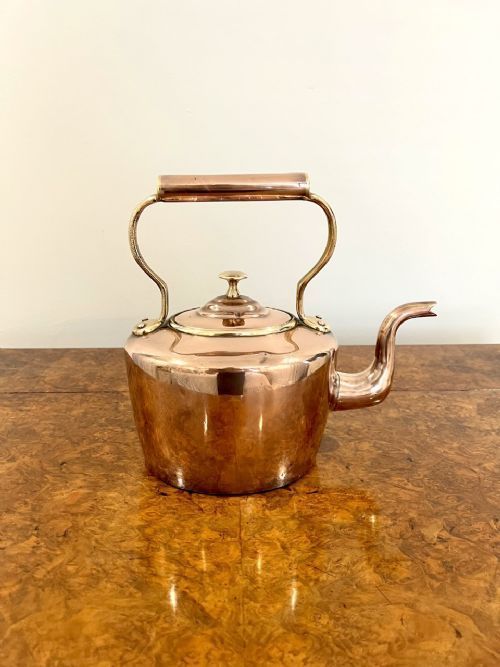


Vintage Brass Copper Kettle
These vintage brass copper kettle pieces span Georgian and Victorian periods, offering solid metal vessels designed to heat water for tea.
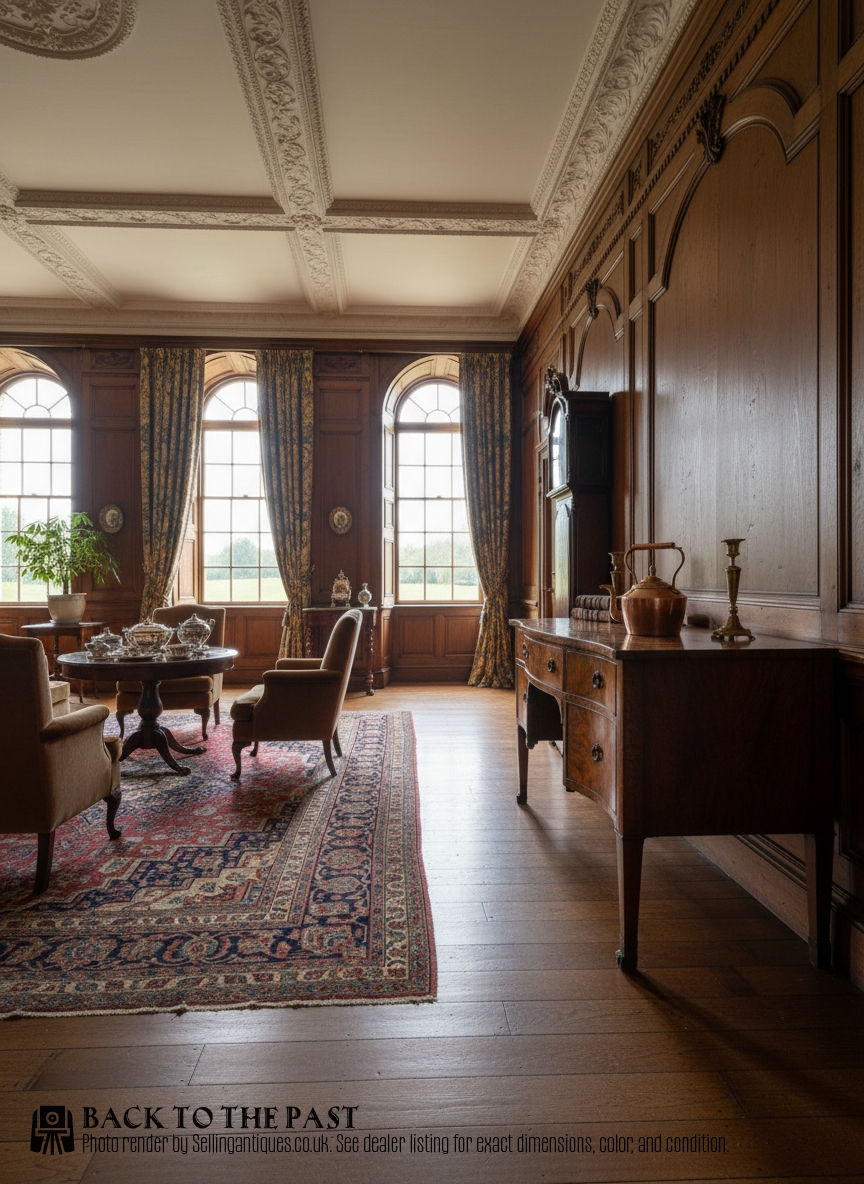
Vintage Brass Copper Kettle
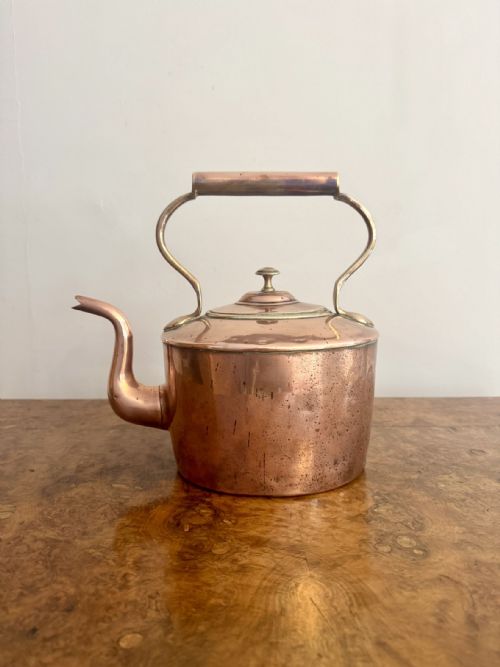
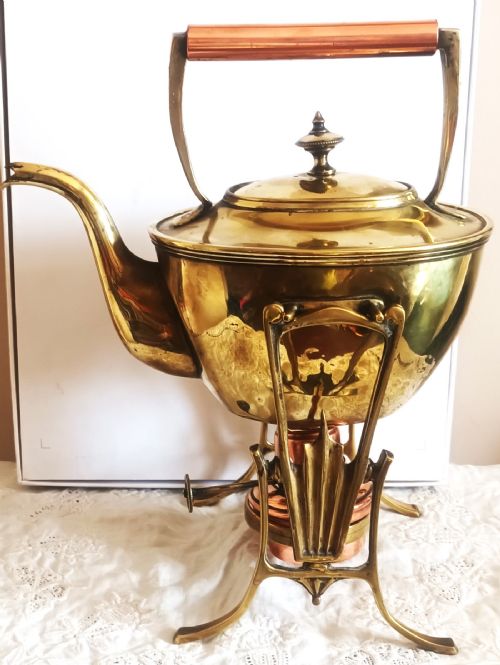
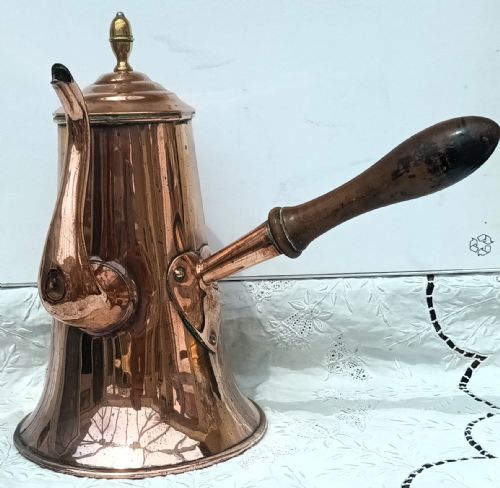
When you search for a vintage brass copper kettle, you encounter utilitarian metal vessels spanning the Georgian and Victorian periods. These pieces include standard tea kettles, spirit kettles on stands, samovars, and coffee pots shaped from copper with brass fixtures.
The version you are most likely to meet on this page is the George III copper kettle or a Victorian example featuring mixed metals. Domestic kitchen gear and formal tea service items form the core of the selection.
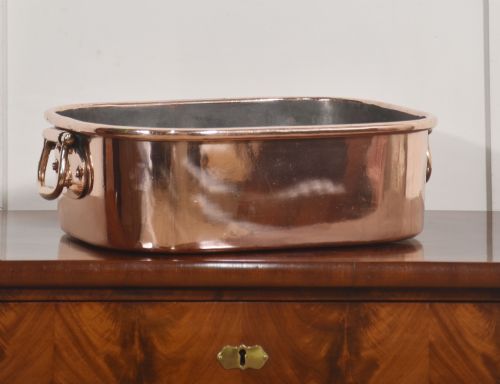
Origins stretch from English workshops to Middle Eastern makers, encompassing oval shapes and fish kettles alongside traditional tea vessels. Each object reflects the daily domestic rituals of the nineteenth century.
How they were made
Smiths hammered and joined sheets of copper to form the body of each kettle, attaching brass handles and spouts with mechanical fasteners or brazing. Wood, bone, and ebonised wood appear as insulators on handles to prevent heat transfer during use.
Tin linings were applied to the interior surfaces of these copper vessels to prevent toxic reactions between boiling water and the metal. Stands incorporate brass and copper components to support spirit kettles safely over burners.
Some nineteenth century tea drinkers insisted bone handle spacers were essential to prevent aristocratic fingers from enduring unseemly warmth.
What varies in quality
The distinction between ordinary and superior pieces rests on the weight of the metal and the crispness of the form. Heavy gauge copper maintains structural integrity through decades of heating, whereas thin metal yields to dents more readily.
Hand-finished details, such as shaped brass mounts and well-fitted lids, separate standard utilitarian items from pieces intended for formal display. Maker attribution to firms like William Soutter & Sons also elevates the standing of an individual vessel.
William Soutter & Sons
The Vintage Brass Copper Kettle Glossary
- Spirit kettle
- A tea kettle mounted on a metal stand above a small spirit burner, designed to keep water hot at the table. These assemblies often include matching brass and copper components.
- Samovar
- A large heated urn used to boil and heat water for tea, featuring an internal vertical metal pipe. Victorian examples frequently incorporate brass taps and handles.
- Fish kettle
- An elongated metal vessel with a fitted lid and internal draining rack, designed for poaching whole fish. These utility pieces utilise heavy copper construction.
- Ebonised wood
- Timber treated to resemble ebony, utilised for handle grips and lid knobs on nineteenth century kettles. This dark material provides heat insulation.
- Brazing
- A metal-joining technique using a filler alloy melting above a specific temperature, employed to secure spouts and handles to kettle bodies.
Vintage Brass Copper Kettle: Frequently Asked Questions
How do I clean a copper kettle?
Apply a proprietary copper cleaner with a soft cloth to remove tarnishing, then rinse thoroughly with warm water and dry immediately.
Avoid abrasive scourers that scratch the surface or remove the historic patina built up over centuries of existence.
Can I still boil water in these kettles?
Many of these vessels retain their structural integrity, but check the interior tin lining before use to ensure the metal remains intact.
Historic pieces often function better as decorative display items in a kitchen or living space rather than daily kitchen tools.
How do I tell Georgian from Victorian kettles?
George III pieces often display simpler, robust oval or round copper bodies with plain brass handles dating around eighteen hundred.
Victorian items frequently incorporate more ornate stands, spirit burners, and complex brass mounts typical of the later nineteenth century.
What is a spirit kettle used for?
A spirit kettle sits upon a metal stand above a small burner filled with methylated spirit to keep water boiling during tea service.
Hosts utilised these portable heating units in the drawing room so guests could enjoy prolonged tea drinking without returning to the kitchen.