
Vintage Brass Bezel Clock
A vintage brass bezel clock brings functional timekeeping and robust metal framing into domestic or working spaces.
Vintage Brass Bezel Clock
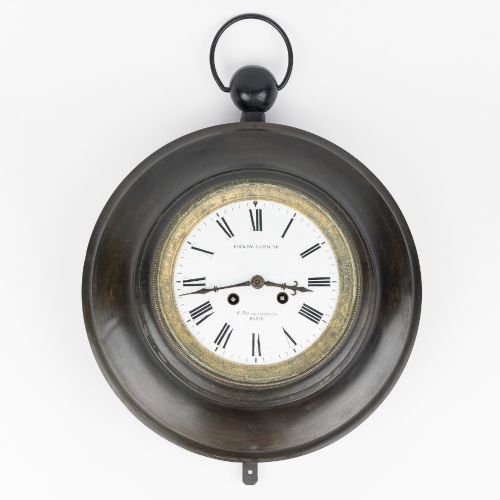
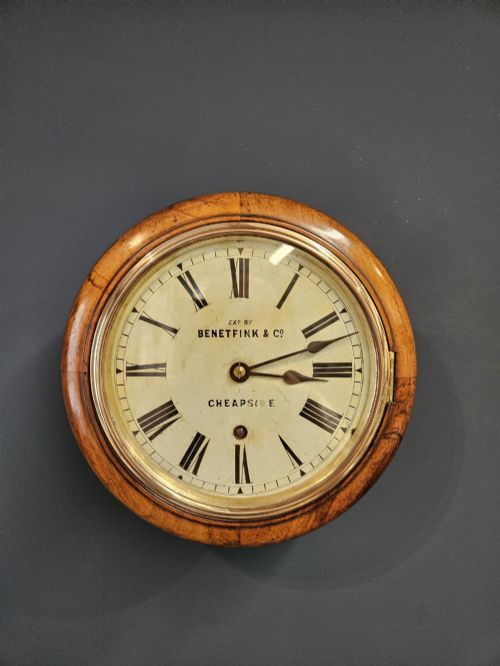
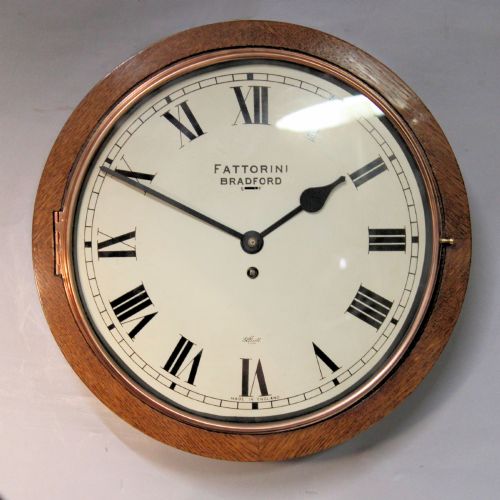
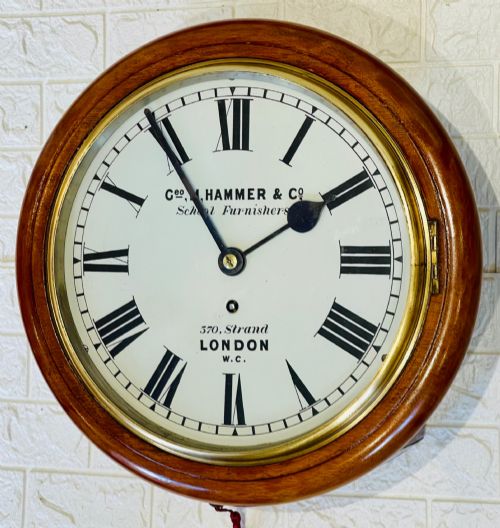
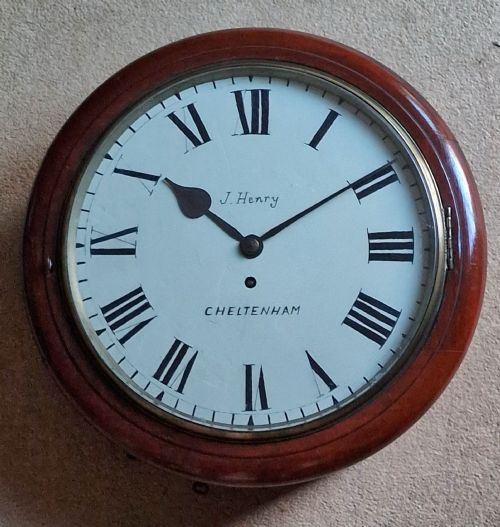
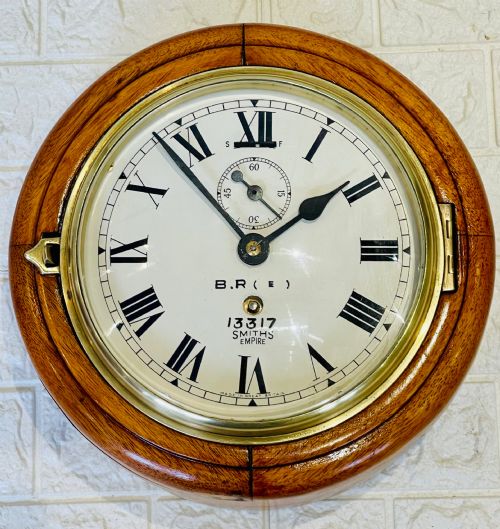
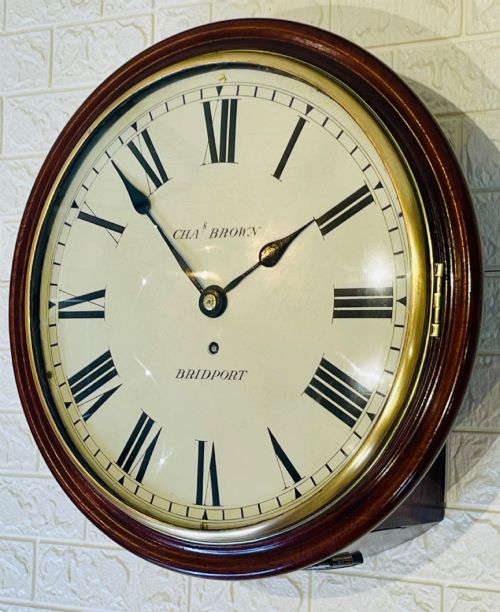
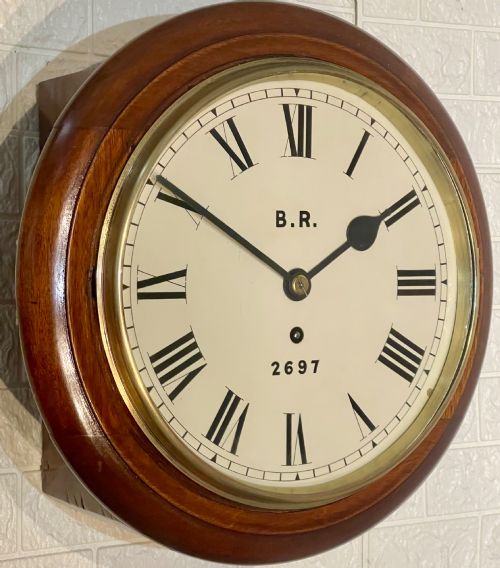
A vintage brass bezel clock primarily manifests as a round wall or dial timepiece, often associated with railway stations, offices, and military mess rooms. These clocks feature prominent metallic rims housing glass face covers, designed for clear legibility and durability in public environments.
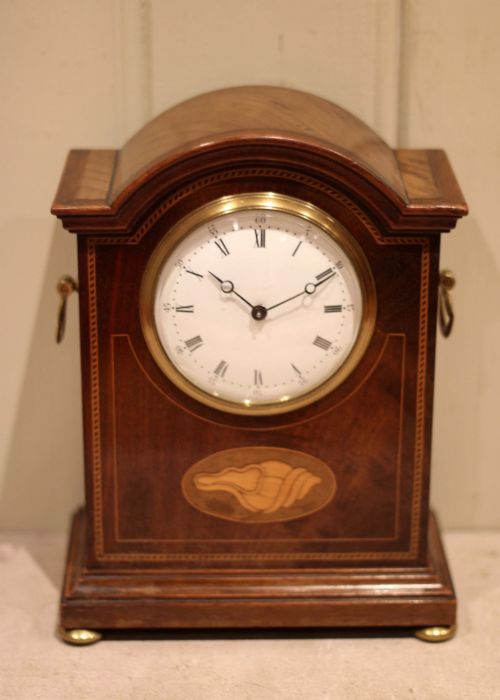
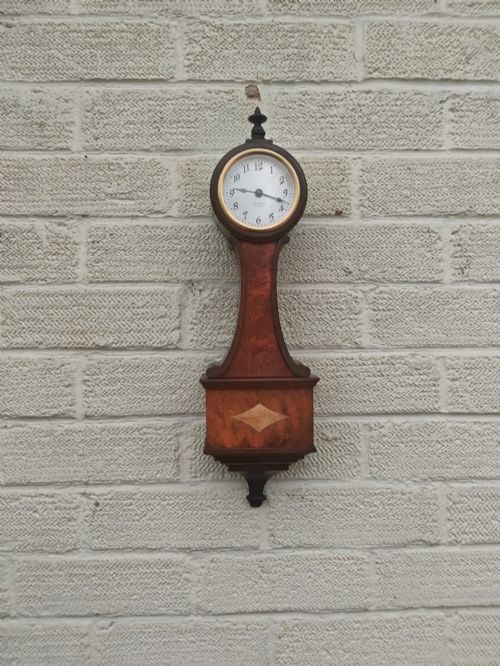
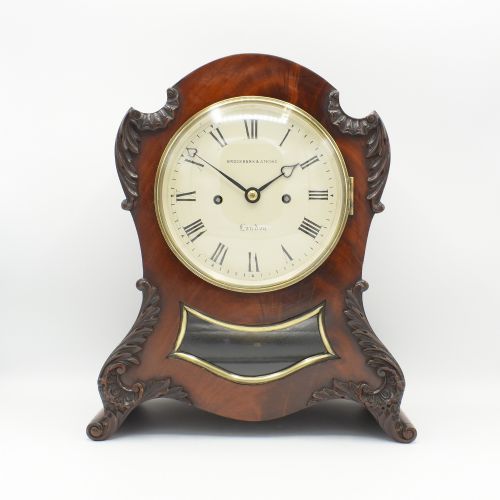
The selections span from Victorian and Georgian origins through Edwardian periods into the mid-twentieth century. Buyers frequently encounter fusee dial wall clocks alongside mahogany or oak-cased mantel pieces and specific transport or institutional issues.
Examples originate from diverse makers and regional railways, encompassing utilitarian station pieces alongside refined domestic mantel designs. The overarching category balances mechanical utility with traditional cabinetry.
Materials and construction methods
The construction relies heavily on brass for the framing bezels, combined with timber cases fashioned from oak, mahogany, beech, or satinwood inlay. Glass protects the white or cream enamel dials, which frequently display bold black Roman or Arabic numerals.
Internal mechanisms utilise mechanical movements, notably chain or cord-driven fusee systems designed to maintain even tension and accurate timekeeping as the mainspring unwinds. Escapements range from lever actions to verge mechanisms in earlier pieces.
Several pieces recorded service on nineteenth-century railway lines before finding their way into domestic collections.
Distinguishing quality factors
Quality rests in the crispness of the dial lettering, the weight and finish of the brass bezel casting, and the integrity of the wooden case timber. Maker attribution, particularly documented railway or provincial clockmakers, elevates the standing of an individual piece.
The sophistication of the internal movement distinguishes standard timepieces from higher-grade fusee or chiming mechanisms. Originality of components and casework preservation dictate the overall integrity of the clock.
Elliott·Smiths·Seth Thomas·Brockbanks And Atkins·J Henry·Henry Harris·Walker And Hall·Thomas Hedge·John Walker
The Vintage Brass Bezel Clock Glossary
- Bezel
- The metal rim that holds the glass face in place over the clock dial. Brass versions are typical on railway and wall clocks.
- Fusee
- A conical pulley device connected to the mainspring by a chain or cord. It ensures even power distribution as the spring runs down.
- Dial
- The face of the clock where the numbers and hands are displayed. Enamel is a common material for these surfaces.
- Escapement
- The internal mechanism that controls the release of power to regulate the movement. It produces the characteristic ticking sound.
Vintage Brass Bezel Clock: Frequently Asked Questions
How do I wind a fusee wall clock?
Fusee clocks are wound using a specific key inserted into a small hole on the dial face. Turning the key clockwise tensions the chain around the conical pulley.
Care must be taken not to overwind the mechanism, stopping as soon as resistance is felt to protect the historical movement.
What is the difference between a wall dial and a mantel clock?
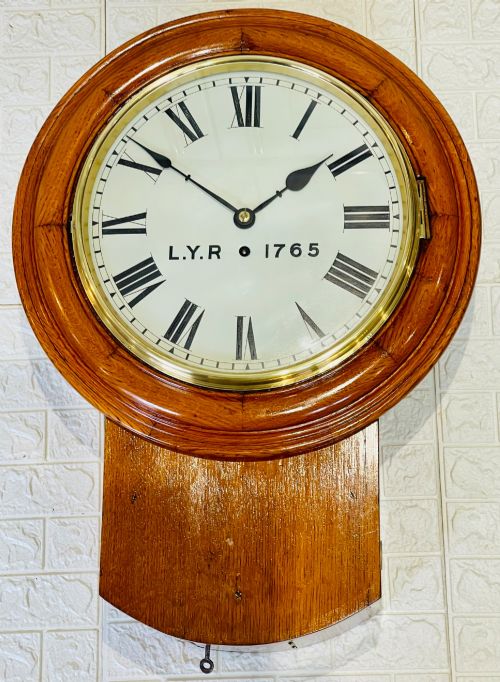
Wall dials are typically round and designed to be mounted high for public visibility in stations, offices, or schools. They often feature robust brass bezels and drop-case wooden bodies.
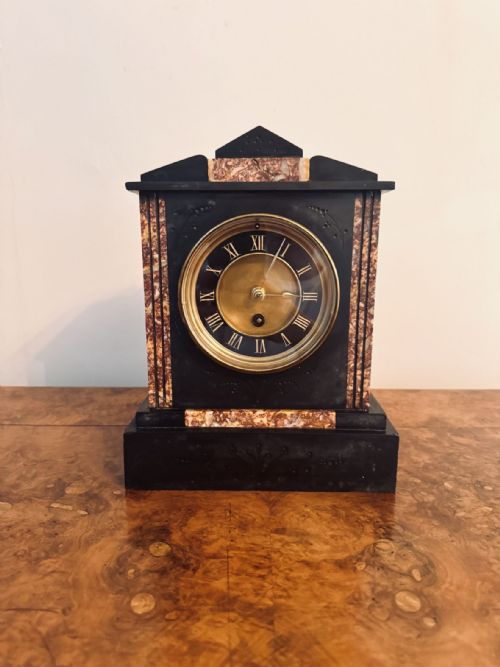
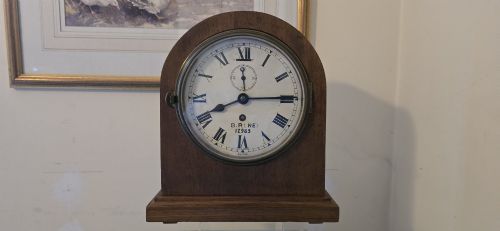
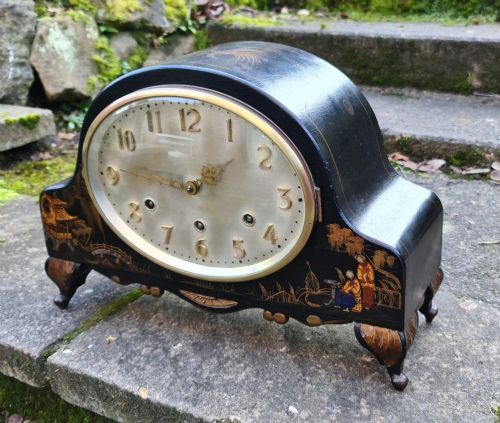
Mantel clocks are smaller, freestanding decorative items meant for placement on shelves or mantelpieces, frequently utilising Edwardian mahogany or inlaid wood cases.
How can I tell if a railway clock is authentic?
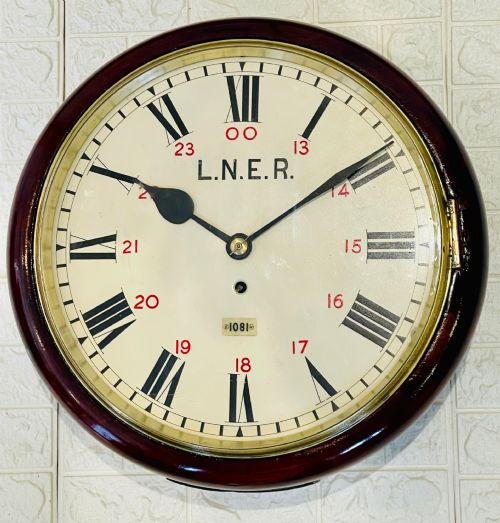
Authentic railway clocks often bear company lettering or station names directly on the enamel dial, such as L.N.E.R or British Rail. Their cases frequently feature stamped inventory numbers or government broad arrow marks.
Examining the movement reveals the quality of the fusee or mechanical escapement typical of nineteenth and early twentieth-century institutional timekeepers.
Where should I hang a heavy dial clock?
Heavy dial clocks require secure mounting directly into wall studs or masonry using appropriate fixings to support the substantial weight of the timber case and brass bezel.
Placement should avoid areas of dampness or extreme temperature fluctuations to protect the delicate enamel dial and wooden housing.