
Vintage Bookshelf Display Book
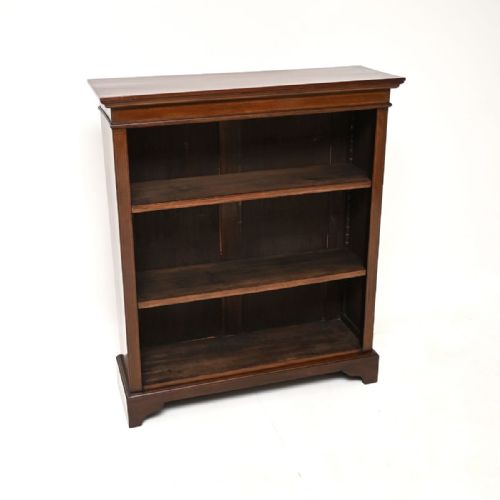
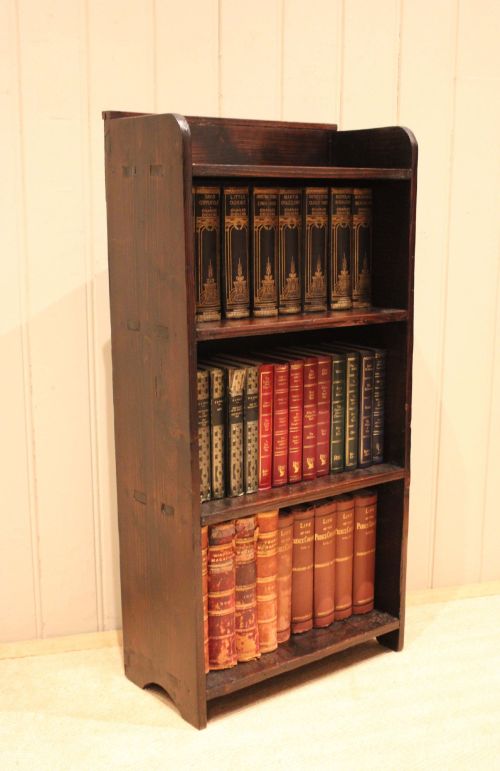
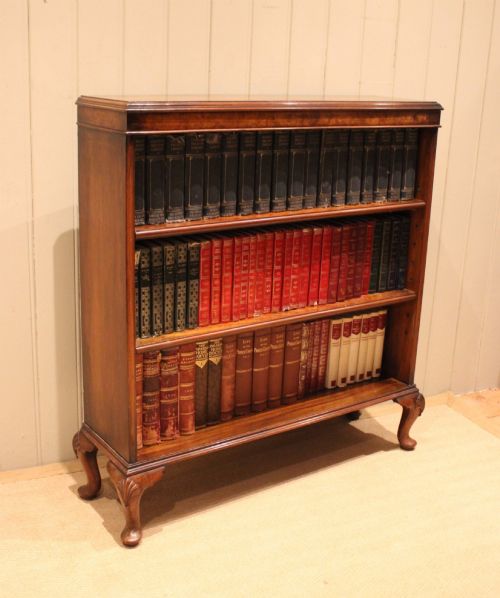
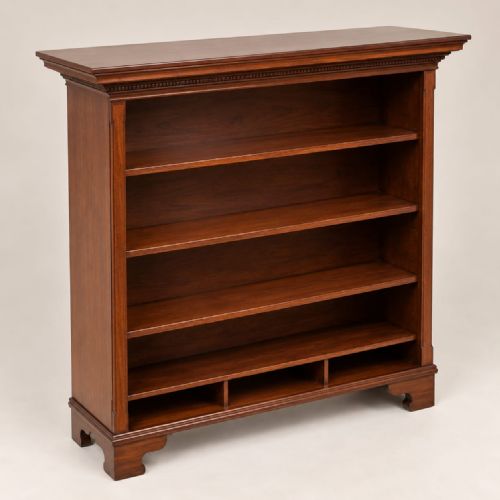
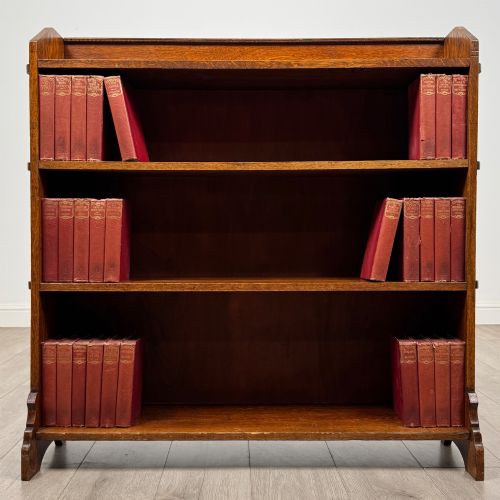
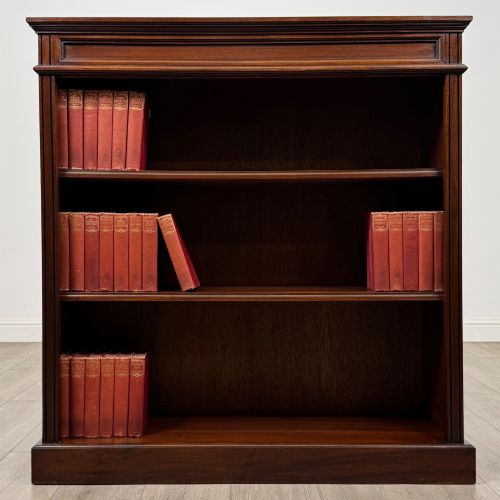
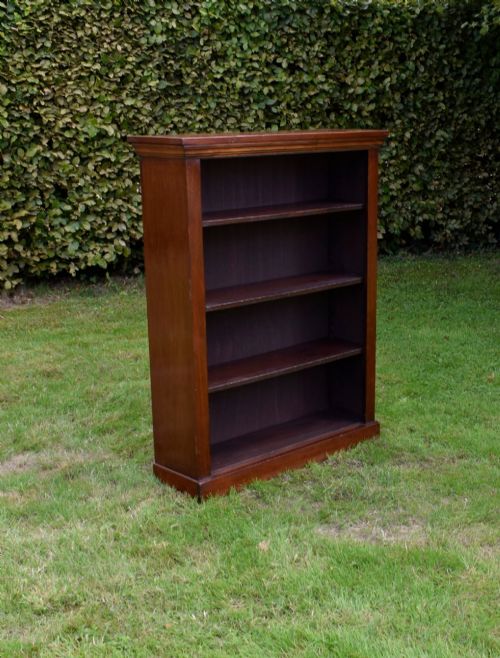
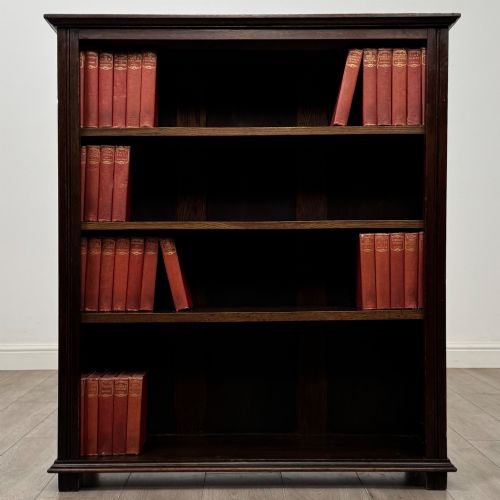
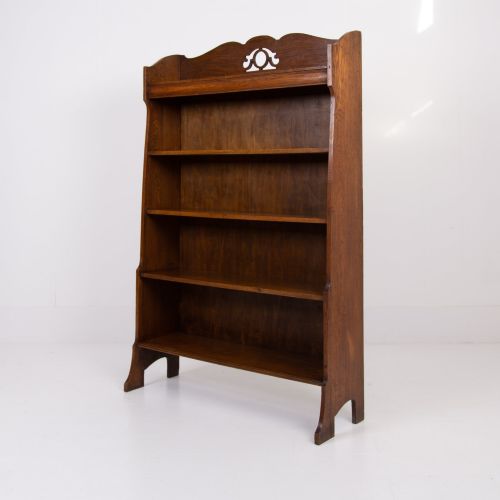
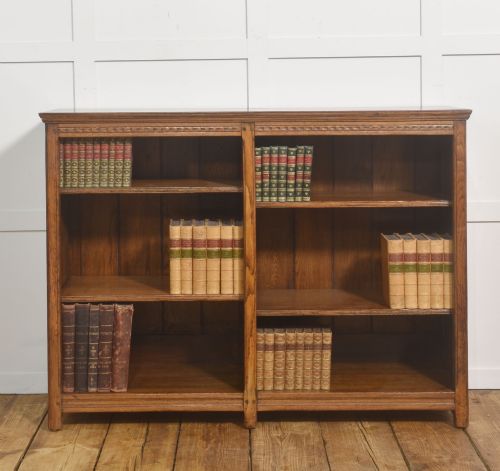
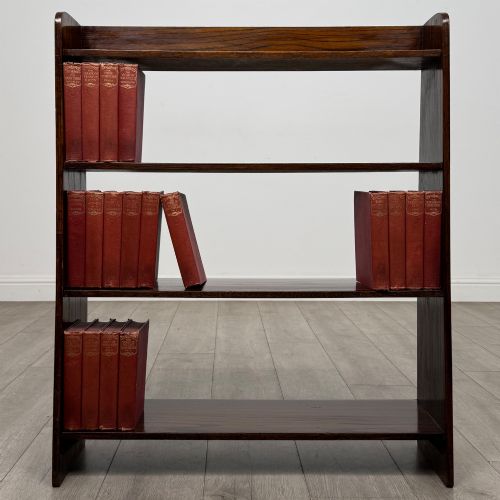
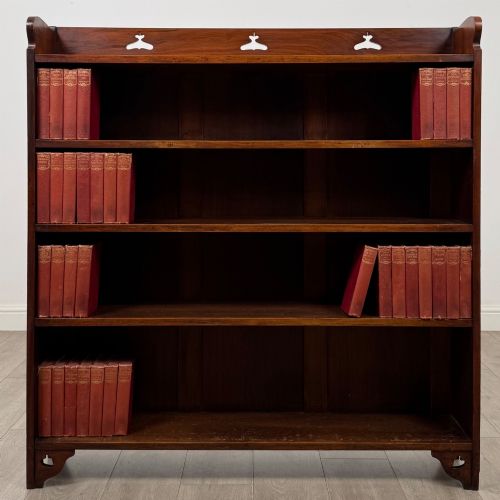
These vintage bookshelf display book examples bring practical utility and period character to a room, offering open storage for everyday volumes.
Vintage Bookshelf Display Book
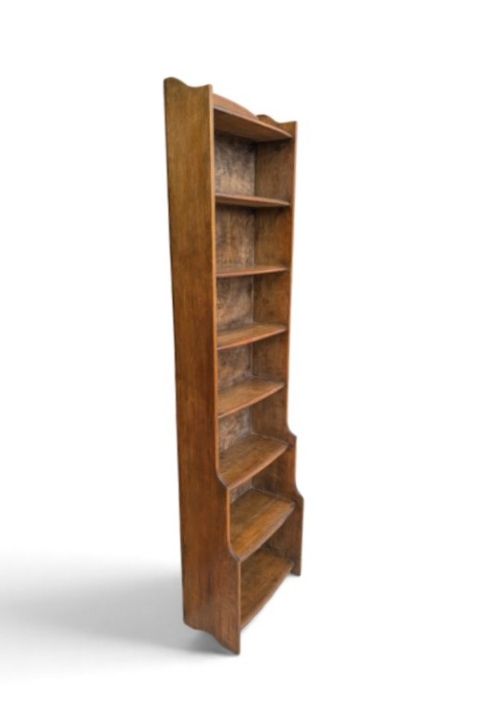
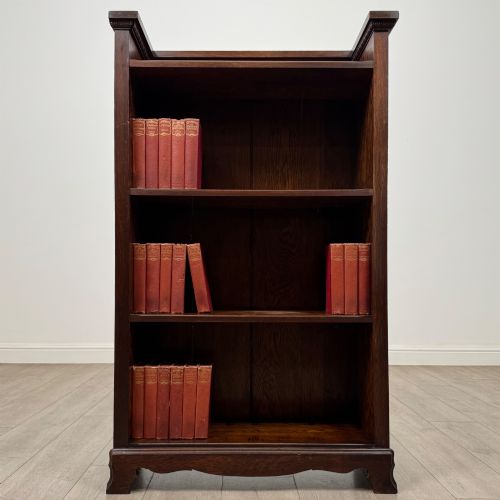
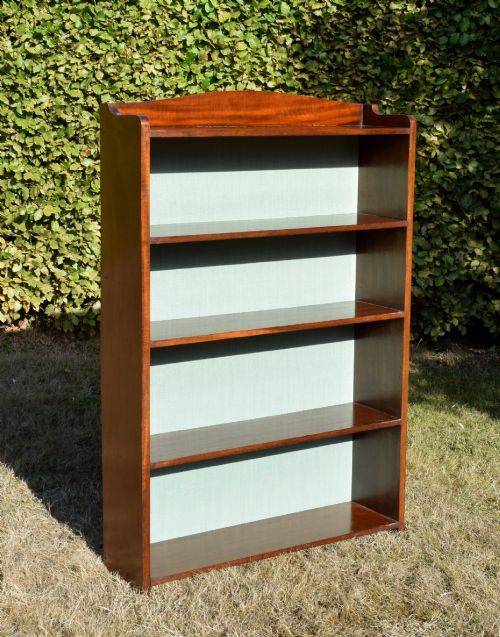
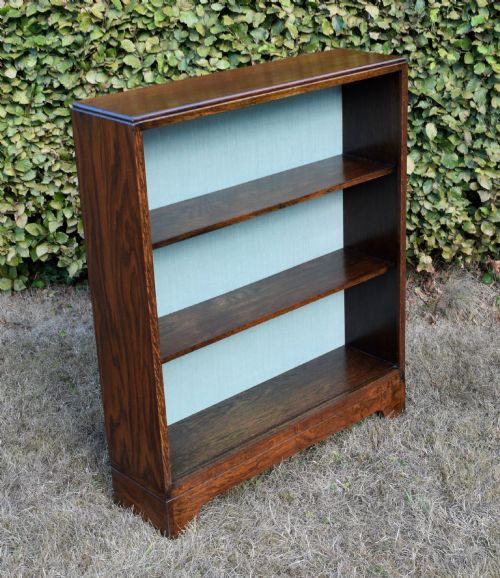
A vintage bookshelf display book search uncovers open bookcases, revolving bookcases, and waterfall shelving units designed to hold volumes while showing off bindings. Most options met here originate from the Edwardian and Victorian eras through the 1920s and 1930s, spanning standard upright forms to compact side tables.
Makers and workshops of these periods favoured versatile timber configurations, often producing open fronts with adjustable shelves to accommodate varying book heights. Buyers frequently encounter oak and mahogany structures, alongside smaller rustic pieces and Arts and Crafts designs.
The selection ranges from simple functional shelving to inlaid satinwood pieces and waterfall bookcase cabinets fitted with brass castors. These items suit studies, living spaces, and libraries where immediate access to books matters alongside traditional appearance.
Materials and construction methods
Carpenters built these units primarily in solid oak, mahogany, and walnut, often applying satinwood inlay for decorative contrast. Timber selection dictated the structural strength needed to support heavy rows of bound volumes over decades of use.
Joinery techniques focused on stability for open shelving, incorporating adjustable shelf mechanisms and occasionally brass hardware such as castors. Ebonised finishes and fabric details also appear on specific artistic styles from the early twentieth century.
Some revolving bookcases let you spin your entire library with a gentle nudge while sitting in an armchair.
Distinctions in construction and finish
Construction quality depends on the selection of timber and the precision of inlaid details, distinguishing standard utility shelving from finer cabinet work. Solid woods like mahogany and walnut with sophisticated grain patterns sit at the upper end of the scale.
The integration of functional elements, such as smooth shelf adjustment mechanisms and solid brass castors, separates basic regional pieces from workshops focusing on refined domestic furniture.
Heals
The Vintage Bookshelf Display Book Glossary
- Open bookcase
- A piece of furniture featuring exposed shelves without doors for storing and displaying books.
- Waterfall bookcase
- A tiered shelving unit where each successive shelf steps back from the one below it.
- Revolving bookcase
- A compact shelving structure mounted on a rotating base to allow access from multiple angles.
- Inlay
- A technique where contrasting woods or materials like satinwood are inserted into the primary timber surface to form decorative patterns.
- Whatnot
- A multi-tiered open piece of furniture used for displaying ornaments, books, and small household items.
Vintage Bookshelf Display Book: Frequently Asked Questions
How do I choose the right size?
Measure the available wall space and consider the depth required for your volumes. Compact options work well in narrow hallways or beside seating.
Larger cabinets suit dedicated libraries or expansive living rooms where capacity and visual weight matter more.
Are shelves usually adjustable?
Many examples include adjustable shelf mechanisms to accommodate books of varying heights. This flexibility allows you to organise mixed collections efficiently.
Fixed shelves appear on certain rustic or period pieces, so check individual configurations if you own oversized volumes.
What woods were commonly used?
Oak and mahogany form the majority of surviving pieces, offering robust support for heavy book collections. Walnut and pine also appear across specific regional and decorative traditions.
Satinwood accents are frequently utilised for inlay work on Edwardian and Victorian examples.
How do I care for timber surfaces?
Keep wooden furniture away from direct sunlight and sudden temperature changes to prevent the timber from drying out. Dust regularly with a dry cloth to protect the polished finish.
Apply appropriate beeswax periodically to nourish the wood and maintain its natural lustre without building up heavy residues.