


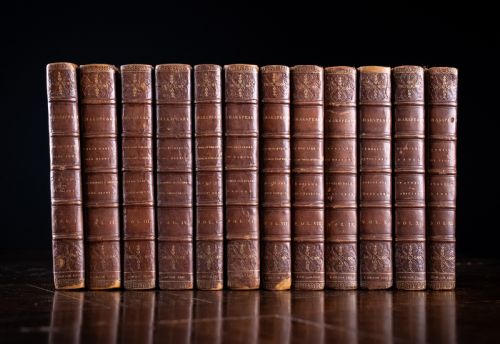

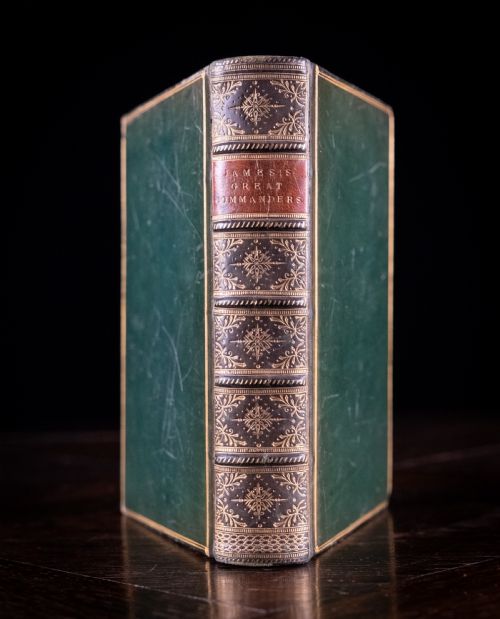


Gilt Spine Volume
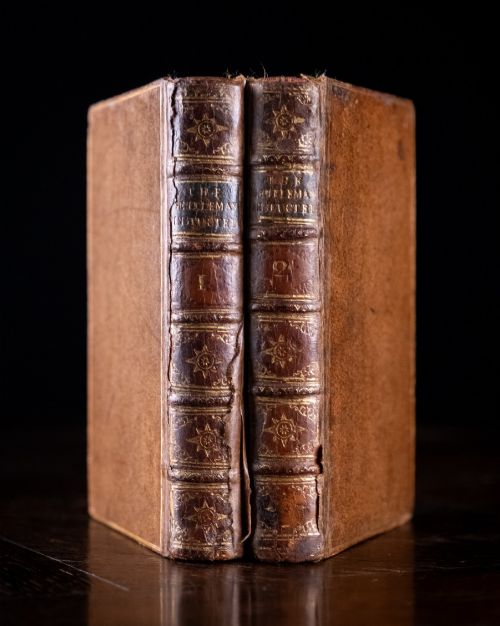
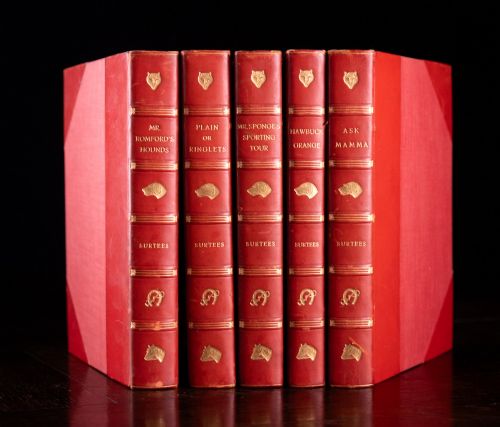
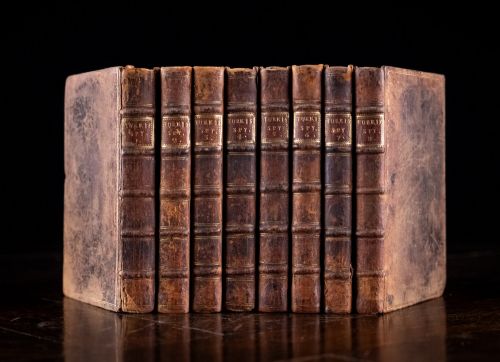
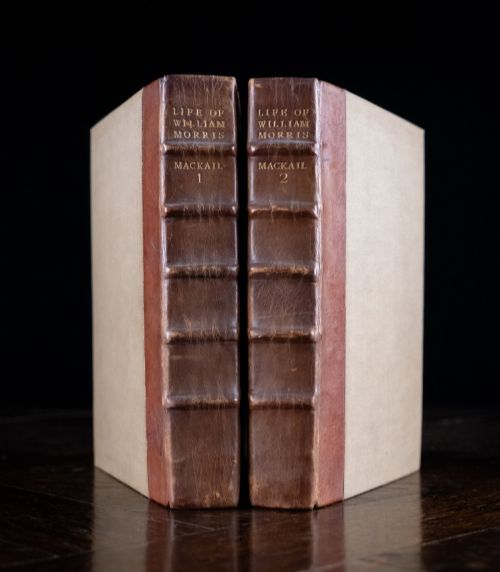
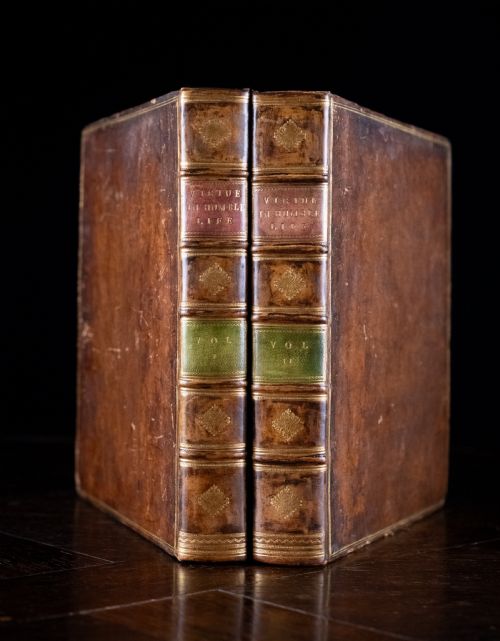
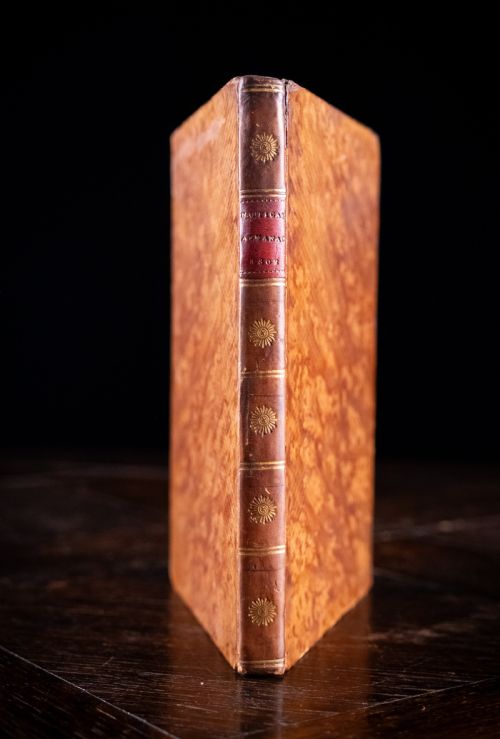
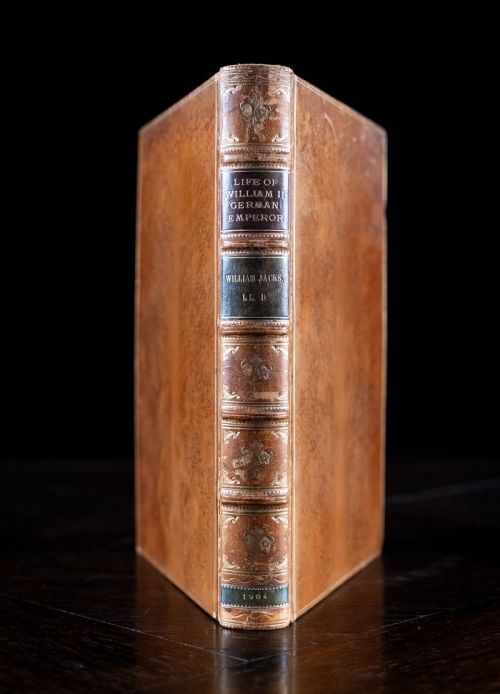
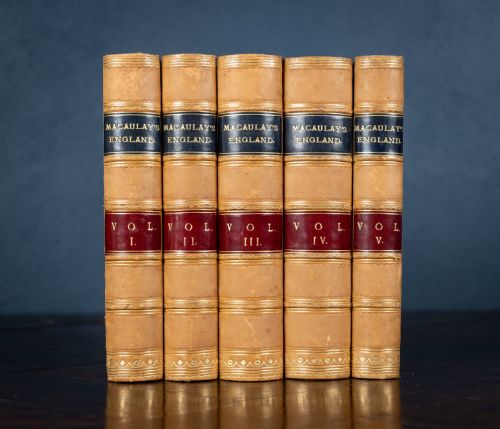
A gilt spine antique volume brings the tactile warmth of history to a room through lettered leather, marbled paper and beaten gold.
Gilt Spine Volume
When you search for a gilt spine antique volume, you encounter antiquarian books, decorative books and multi-volume sets spanning the eighteenth, nineteenth and early twentieth centuries. The versions most commonly met on this page include Victorian and Edwardian sets of literature, history and science, alongside Georgian volumes bound in calfskin or vellum.
These works range from single leather bound books, such as nineteenth-century biographies and cartography atlases, to extensive multi-volume sets of Shakespeare plays and historical memoirs. They function simultaneously as texts for reading and as furnishing books selected for their visual contribution to a library shelf.
Originating across the Georgian, Regency, Victorian and Edwardian periods, these books reflect the publishing and binding standards of their respective eras. A buyer finds everything from French text editions and German cartography to English county histories and sporting novels.
How they were made
Binders utilised traditional materials including calfskin leather, cloth, vellum and marbled paper over rigid board cores, applying gold leaf by hand to tool the spines. The lettering and decorative flourishes were pressed into the leather using heated metal stamps, a technique that ensured the metallic leaf adhered permanently to the surface.
Paper production during the periods represented relied on rag fibres or early wood pulp, which accounts for the varied texture and weight observed across different volumes. Covers were frequently finished with marbled endpapers and robust stitching that bound the signatures securely within the leather or cloth boards.
Listings span the eighteenth, nineteenth, and early twentieth centuries, featuring materials such as calfskin, vellum, and marbled paper.
What varies in quality
The distinction between tiers rests upon the harmony of the binding and the integrity of the materials. Uniformly bound sets and specialist binders demonstrate a level of craftsmanship that elevates utilitarian reading copies into cohesive decorative objects.
Preservation of the original gold tooling on the spine and the suppleness of the calfskin or vellum dictate the standing of a volume. Books retaining crisp typography, sound structural hinges and uncompromised marbled paper represent the upper echelon of surviving examples.
Henry Young and Son
The Gilt Spine Volume Glossary
- Vellum
- A fine parchment made from calfskin, utilised for durable and elegant book covers that often age to a warm ivory tone.
- Calfskin
- A soft, supple leather derived from the skin of a calf, favoured by historical binders for its smooth finish and receptiveness to gold tooling.
- Marbled paper
- Paper decorated with a patterned colourful swirl design created by floating pigments on a sizing bath, commonly used for endpapers.
- Gold leaf
- Gold beaten into an extremely thin sheet, applied to the spine and boards of a book during the tooling process.
- Cartography
- The science and practice of drawing maps, appearing in period volumes and atlases preserved with detailed plates.
Gilt Spine Volume: Frequently Asked Questions
What is a gilt spine antique volume?
A gilt spine antique volume is a historical book featuring decorative gold leaf lettering and tooling applied to its spine. These volumes encompass literature, history, and reference works from past centuries.
They combine literary content with decorative craftsmanship, offering tactile engagement and visual appeal for bookshelves and private libraries.
How should I care for leather bound books?
Leather bound books require stable room conditions away from direct sunlight and excessive humidity to prevent the material from drying out or degrading. Handling them with clean hands preserves the delicate paper and gold tooling.
Allowing adequate air circulation around your library shelves prevents moisture accumulation and protects the historical bindings from mildew and structural stress.
Can I read these antique volumes?
Most of these antique volumes remain entirely readable, provided they are handled with care to protect their historical bindings and aged paper signatures. Opening them gently prevents strain on the spine and original stitching.
Collectors often enjoy reading the exact texts that nineteenth-century or Georgian readers held, bridging the gap between modern appreciation and historical utility.
How do I identify the period of a book?
Period identification relies on title page publication dates, typographic styles, paper characteristics, and the specific fashion of the binding materials used. Reference manuals and historical bibliographies assist in confirming publication eras.
Earlier eighteenth-century volumes display distinct paper textures and hand-set typography compared to the mechanised printing and publisher cloth bindings of the Edwardian era.