


Vintage Bookcase Top
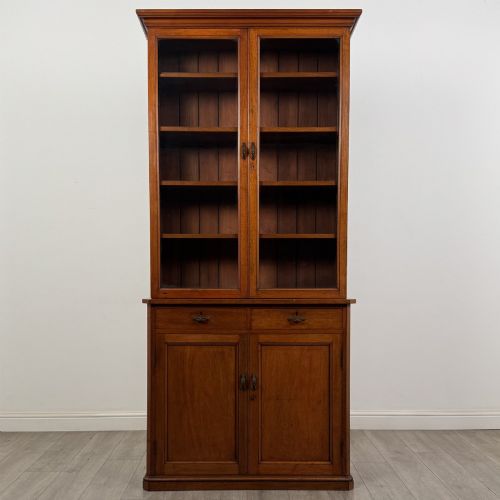
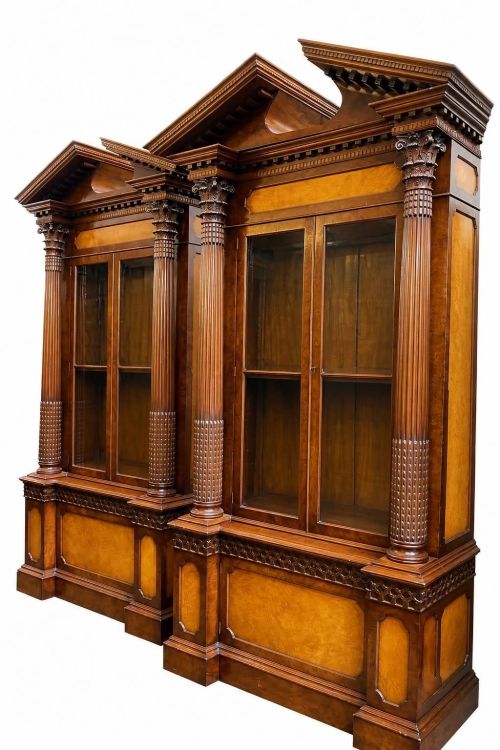
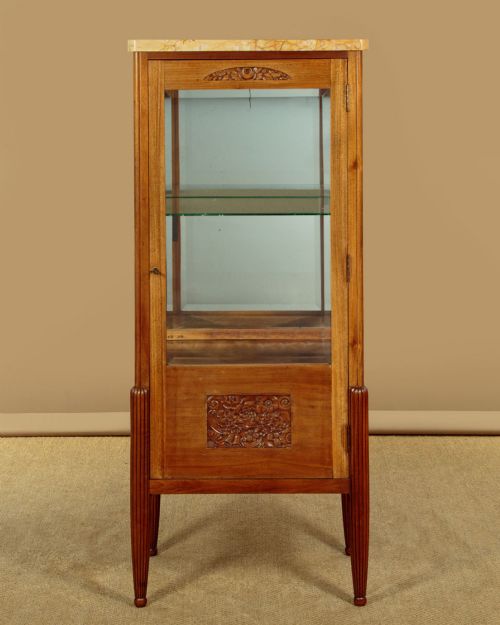
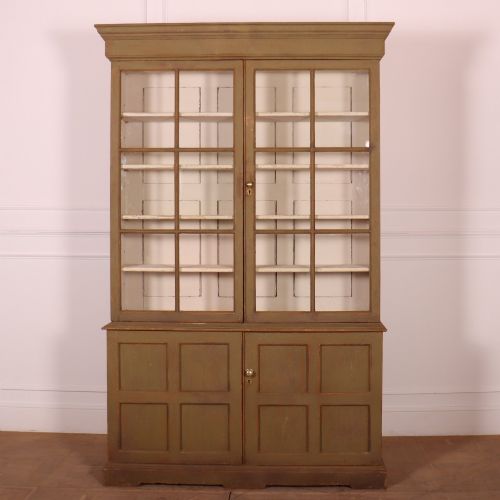
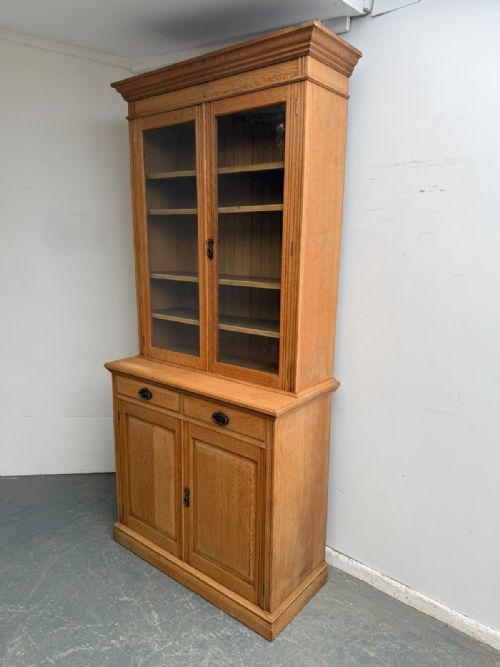
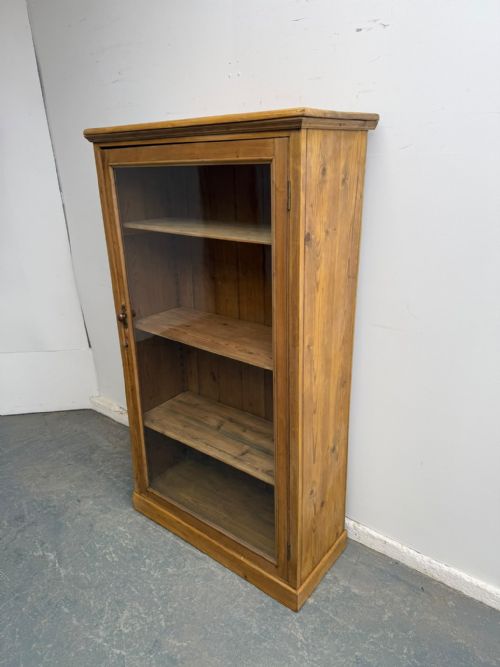
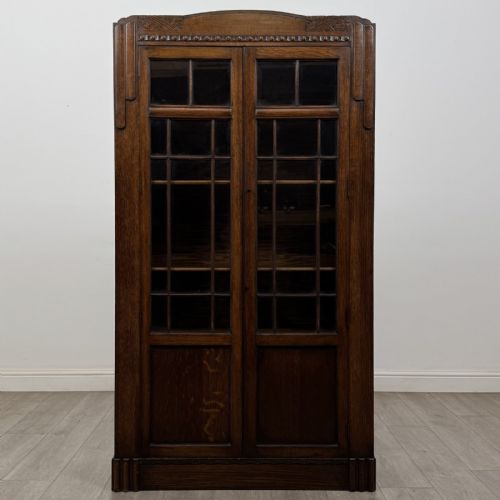
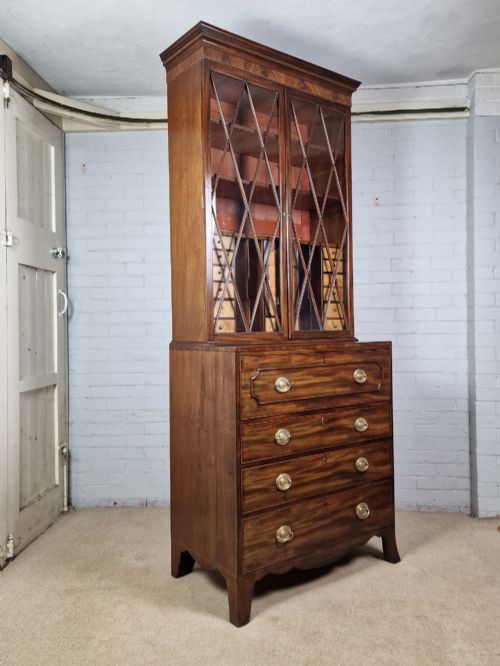
A vintage bookcase top offers a practical upper section for holding volumes, appearing here in styles from Victorian mahogany to 1930s oak.
Vintage Bookcase Top
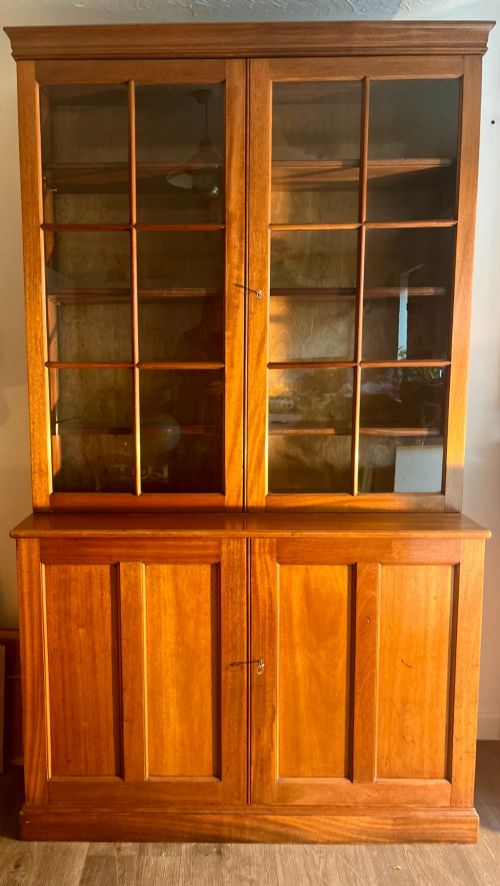
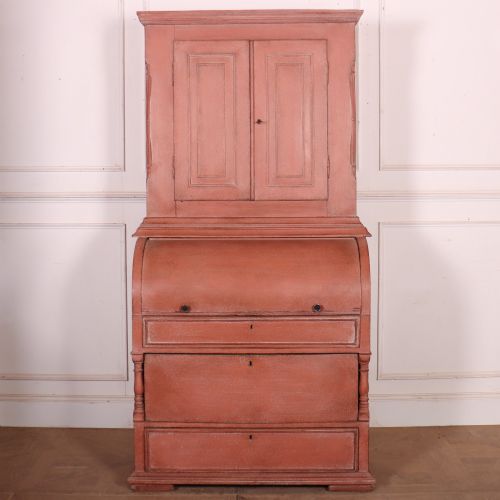
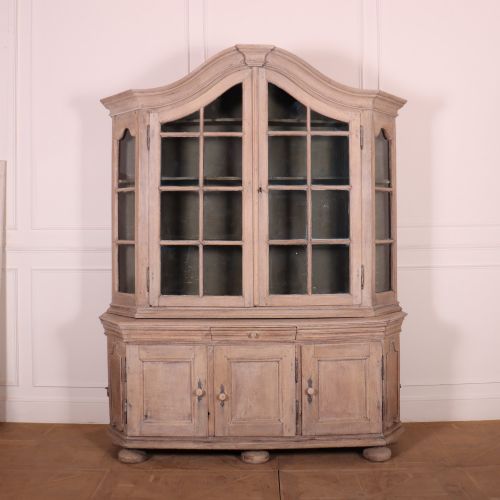
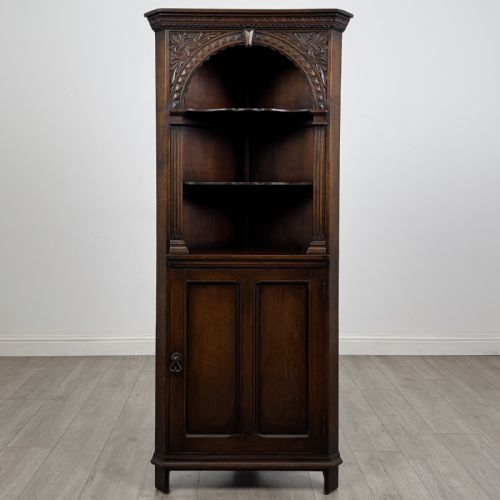
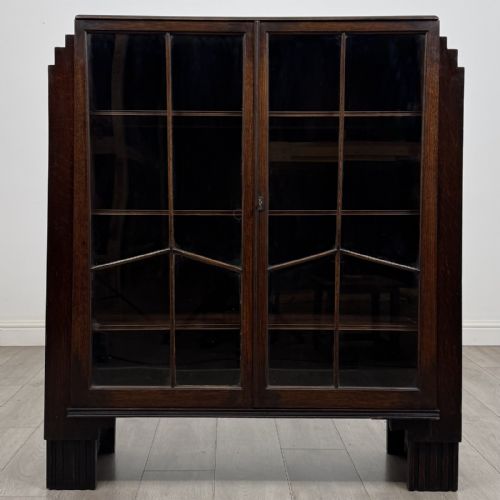
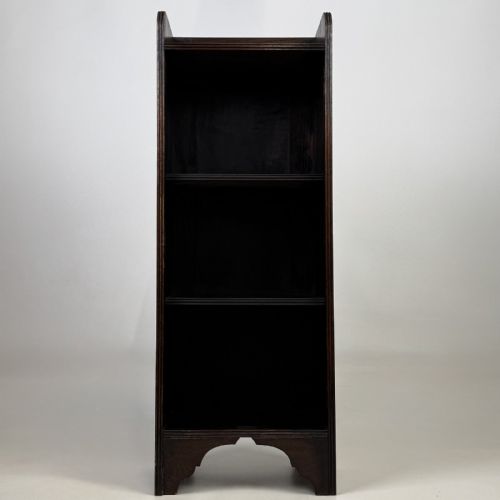
A vintage bookcase top represents the upper glazed, open, or shelved portion of a larger modular storage piece, designed to sit upon a matching base or directly onto a counter. When buyers search for a vintage bookcase top, they encounter forms that range from Edwardian oak open shelves with raised galleries to French painted display cabinets and bureau upper sections.
The selections span multiple eras, including the nineteenth century, Edwardian period, and the 1930s Art Deco movement, utilising woods such as mahogany, oak, walnut, and pine. Pieces often feature glazed doors, mirrored backs, or carved top edges, reflecting the architectural domestic tastes of their respective decades.
How they were made
Cabinet makers constructed these upper sections using solid timbers like oak and mahogany, alongside decorative veneers such as burr walnut, amboyna, and satinwood applied to secondary woods. Joinery methods relied on traditional techniques suited to housing heavy volumes, incorporating adjustable shelving systems and rebated backboards.
Glazing involved hand-fitted glass panes set within timber framing, while decorative elements included carved top edges, raised galleries, and patinated marble surfaces. Finishes were typically built up through polishing or painting, preserving the natural grain and colour of the primary material.
Vintage Bookcase Top Retail Price Guide 2026
Typical asking prices for vintage bookcase top among the pieces listed under this phrase on Sellingantiques today, from the lower quarter to the upper quarter. They describe what is for sale here now, not the wider market.
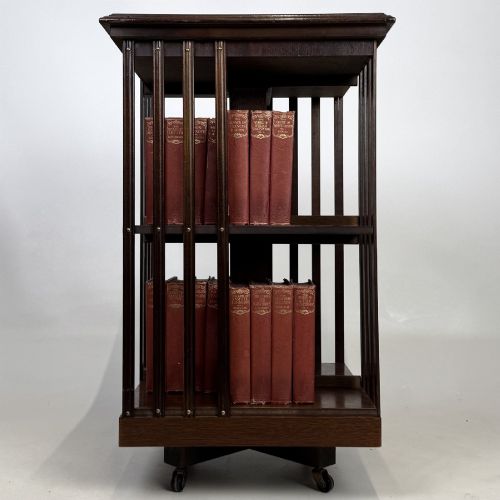
The selection includes revolving bookcase designs alongside traditional wall-mounted and counter-top glazed display cabinets.
What varies in quality
The degree of refinement in timber selection and veneer matching defines the upper tier of these pieces, where burr walnut or figured mahogany displays rich grain patterns and depth of colour. Cabinetry execution is visible in the tightness of the joints, the precision of carved gallery edges, and the integrity of the original glass.
Proportion and architectural presence separate standard examples from finer works, particularly where cornices, arched alcoves, or brass hardware demonstrate thoughtful design. The survival of untouched surfaces with a deep patina adds considerable weight to an individual piece's overall standing.
Edwards & Roberts
The Vintage Bookcase Top Glossary
- Gallery
- A raised ornamental border running along the top edge of a shelf or cabinet, designed to prevent items from sliding off. This feature is frequently seen on Edwardian and Arts and Crafts pieces.
- Vitrine
- A glass-fronted cabinet or display case used for showing china, books, or decorative objects. These units often feature glazed doors on multiple sides to maximise visibility.
- Bureau bookcase
- A combination form featuring a sloping writing flap that opens above or below shelving space. The upper section typically encloses books behind glazed or panelled doors.
- Veneer
- A thin layer of finely figured wood applied over a stable secondary timber base. Cabinet makers used veneers of walnut, amboyna, and satinwood to create decorative surface patterns.
- Patina
- The surface sheen and mellowing developed by wood, brass, and leather through age and handling. A desirable characteristic that indicates genuine historical use.
Vintage Bookcase Top: Frequently Asked Questions
What is a vintage bookcase top?
A vintage bookcase top is the upper architectural section of a sectional library cabinet or bureau, designed either to mount upon a lower desk or sideboard or to function independently as a wall-mounted or counter-standing display.
These pieces originate from periods spanning the nineteenth century through the 1930s, offering enclosed glass doors, open adjustable shelving, or mirrored backs depending on their original domestic or commercial use.
How were these cabinet tops used?
Historically, these upper sections housed private libraries, accounting ledgers, or prized collections of china and decorative objects within drawing rooms and studies. Some variants served specialised functions, such as counter-top shop cabinets or school library units.
In modern interiors, they provide versatile vertical storage for books and display items, functioning effectively when placed on sturdy sideboards, desks, or mounted directly to walls.
How do I identify the period of a bookcase top?
Period identification relies upon observing the combination of timber, construction methods, and stylistic motifs present in the woodwork. Pieces displaying heavy carving, oak construction, and raised galleries often point towards Edwardian or Arts and Crafts origins, while sleek geometric lines or exotic veneers indicate 1930s Art Deco design.
Earlier nineteenth-century examples frequently utilise solid mahogany with hand-cut joinery and simpler architectural cornices, distinguishing them from later revival styles.
How should I care for timber and glass?
Maintaining these pieces involves keeping them away from direct heat sources and strong sunlight to prevent the timber from warping and the veneer from lifting. Regular dusting with a dry, soft cloth preserves the polish, while avoiding silicone-based sprays ensures the natural patina continues to develop safely.
Glass panes should be cleaned sparingly with a mild solution applied to a cloth rather than sprayed directly onto the wood frame.