




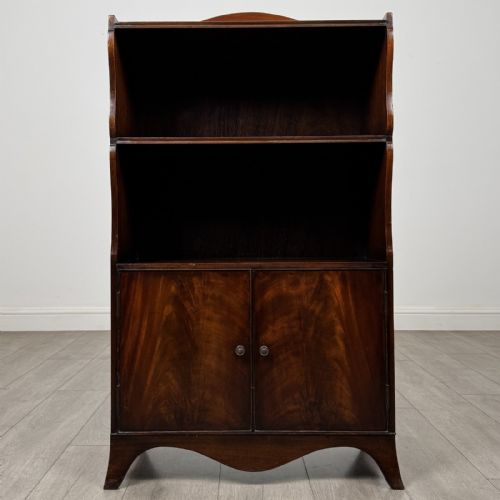
Vintage Book Display Unit
A vintage book display unit organises your volumes while anchoring a room, bringing period character to any home library.
Vintage Book Display Unit
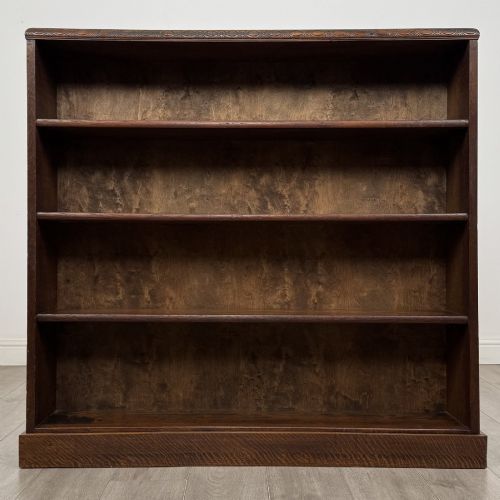
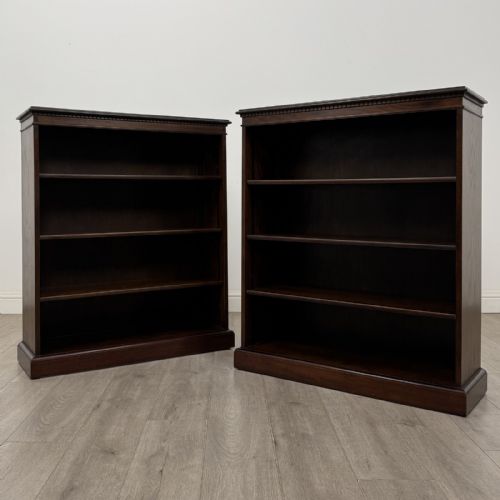
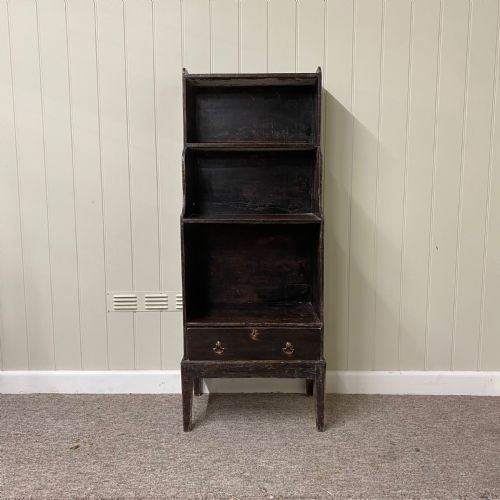
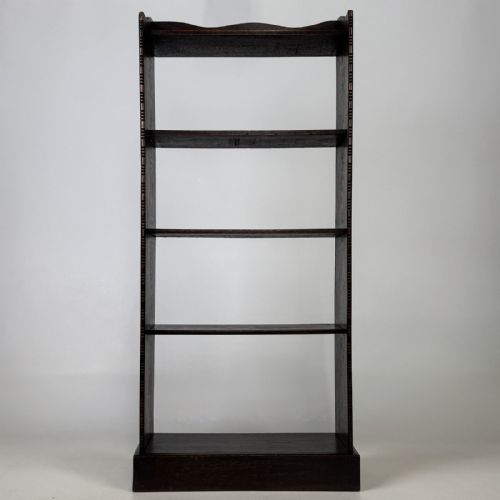
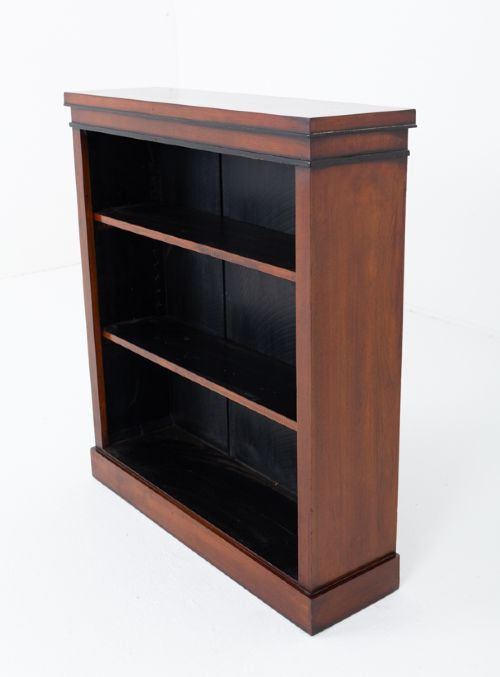
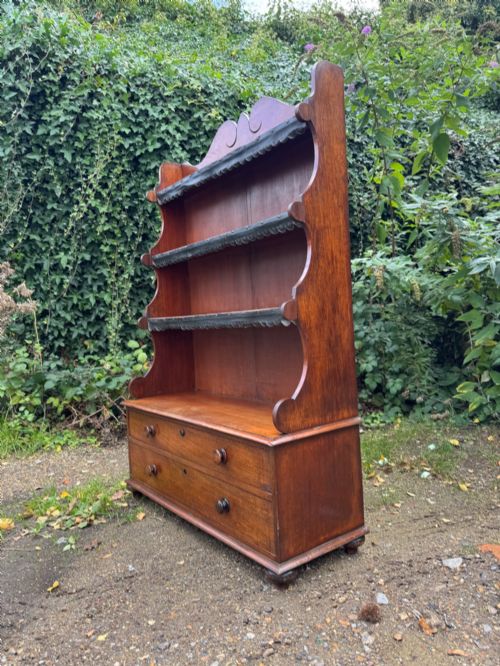
A vintage book display unit bridges the gap between utilitarian storage and decorative presentation, drawing on forms from the nineteenth and early twentieth centuries. You will encounter tall narrow waterfall designs, low Edwardian pieces, and breakfront cabinets that reflect decades of domestic interior design.
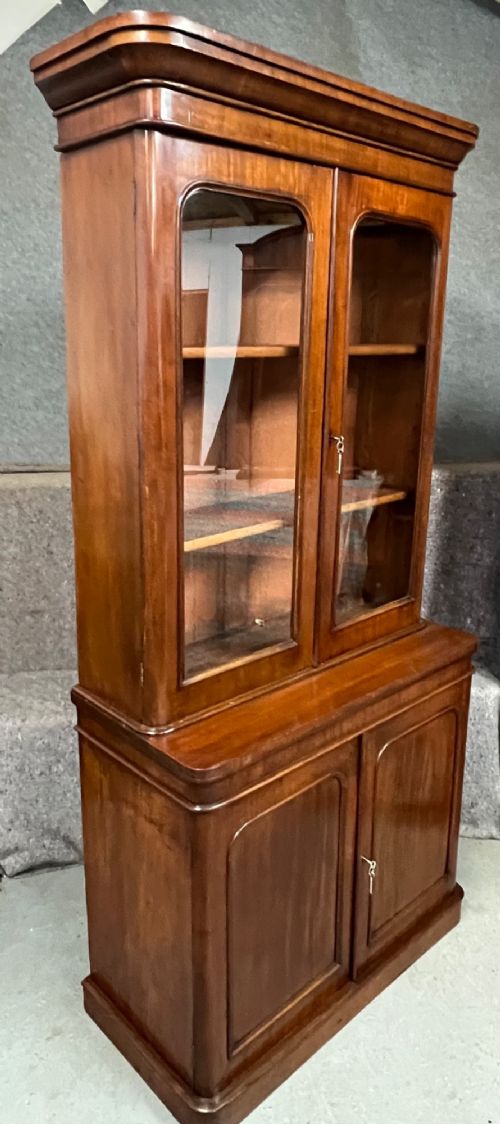
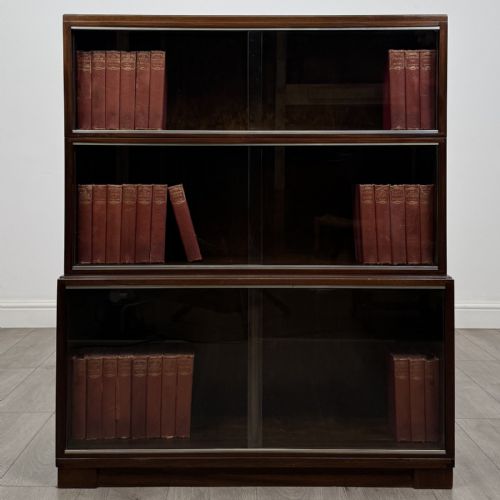
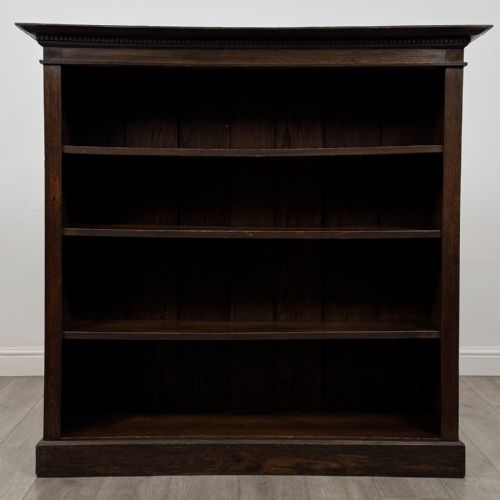
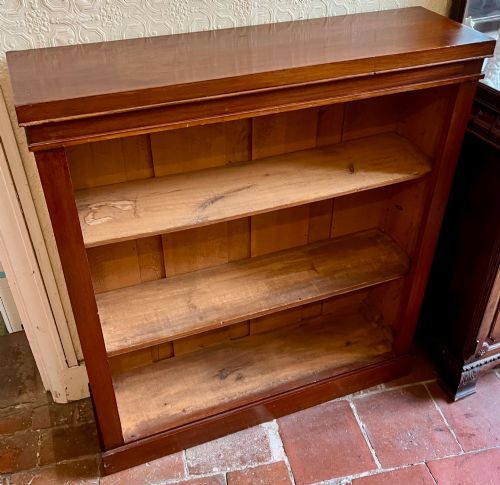
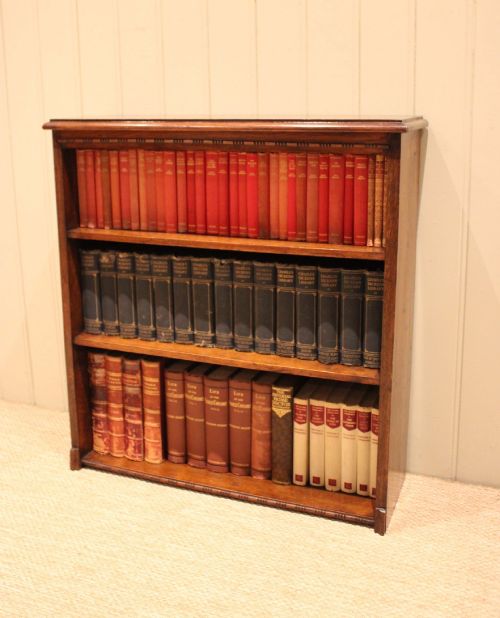
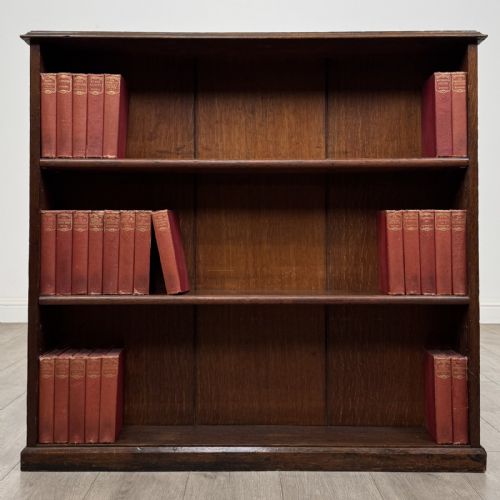
Open bookcases dominate the selection, often featuring adjustable shelves or raised galleries, alongside glazed cabinets and four-tier whatnots. These items emerge from Edwardian, Victorian, Art Deco, and Arts and Crafts traditions, providing flexible solutions for modern spaces.
The materials span traditional cabinet timbers, showing the enduring preference for oak and mahogany supplemented by walnut, pine, and brass highlights. Pieces range from straightforward vernacular items to revival styles that mirror Georgian and Regency aesthetics.
Materials and Construction
Cabinet makers relied primarily on solid oak and mahogany, using these dense timbers to construct sturdy uprights, plinths, and weight-bearing shelves. Grain patterns and natural figures were left to speak for themselves, occasionally accented with inlaid details or carved motifs.
Construction techniques balanced load-bearing strength with visual lightness, evident in the stepped tiers of waterfall bookcases and the adjustable shelving mechanisms found in Edwardian examples. Glazed doors incorporate timber framing to protect collections while maintaining visibility.
Vintage Book Display Unit Retail Price Guide 2026
Typical asking prices for vintage book display unit among the pieces listed under this phrase on Sellingantiques today, from the lower quarter to the upper quarter. They describe what is for sale here now, not the wider market.
Oak and mahogany appear most frequently, accompanied by walnut, pine, brass hardware, and glass doors.
Craftsmanship and Proportion
The distinction between standard utility furniture and superior examples lies in timber selection, proportion, and decorative restraint. Better pieces display carefully matched grain, crisp dentil cornices, and integrated galleries rather than hasty assembly.
Functionality dictates refinement, seen in smooth shelf adjustment systems, sound joinery in the uprights, and the integration of sliding glass doors or leather-topped surfaces. These details separate workshop production from mass output.
Liberty
The Vintage Book Display Unit Glossary
- Waterfall bookcase
- A stepped shelving unit where each tier is narrower than the one below, creating a cascading silhouette popular in the early twentieth century.
- Breakfront
- A cabinet or bookcase whose central section projects forward from the flanking wings, adding architectural depth to the piece.
- Whatnot
- A multi-tiered open piece of furniture designed for displaying ornaments, books, or small objects.
- Dentil cornice
- A decorative moulding featuring a series of small, rectangular blocks spaced evenly along the upper edge of a bookcase.
- Raised gallery
- A low decorative railing or pierced upstand running along the top edge of a shelf or cabinet.
Vintage Book Display Unit: Frequently Asked Questions
How do I use an open bookcase?
Open bookcases allow immediate access to your volumes while serving as architectural elements in living spaces or home libraries.
They work best away from direct sunlight to protect paper bindings, offering space for both books and decorative objects.
How do I identify an Edwardian bookcase?
Edwardian bookcases often combine lighter golden oak timbers with subtle decorative elements like dentil cornices or raised galleries.
They reflect the domestic expansion of the early 1900s, balancing traditional craftsmanship with domestic practicality.
What is a whatnot?
A whatnot is a multi-tiered piece of furniture with open shelves supported by slender upright columns.
Developed in the nineteenth century, these units display books, ceramics, and small objects from multiple angles.