
Vintage Blue Vase
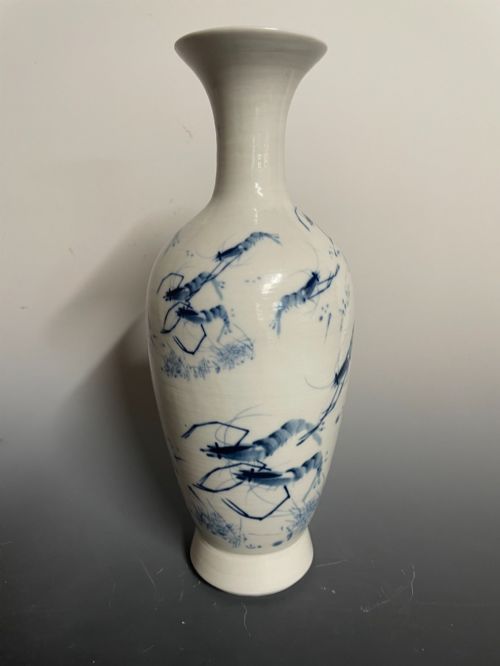
A vintage blue vase brings tone and texture to a room, offering a functional vessel that stands alone as a point of colour.
Vintage Blue Vase
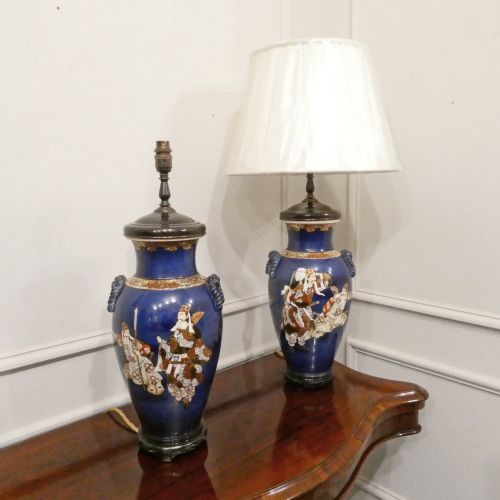
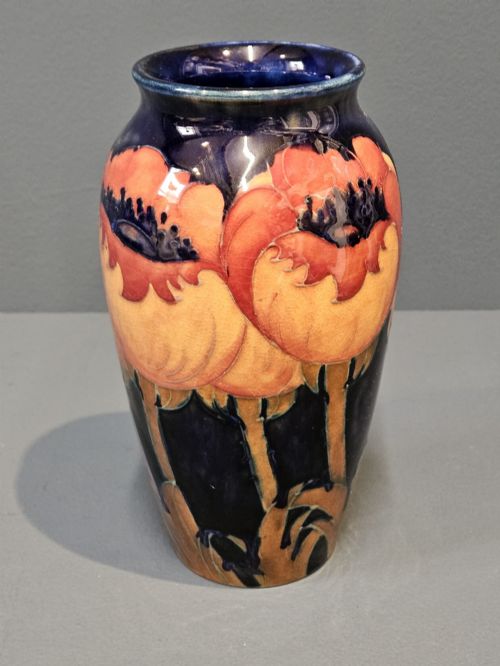
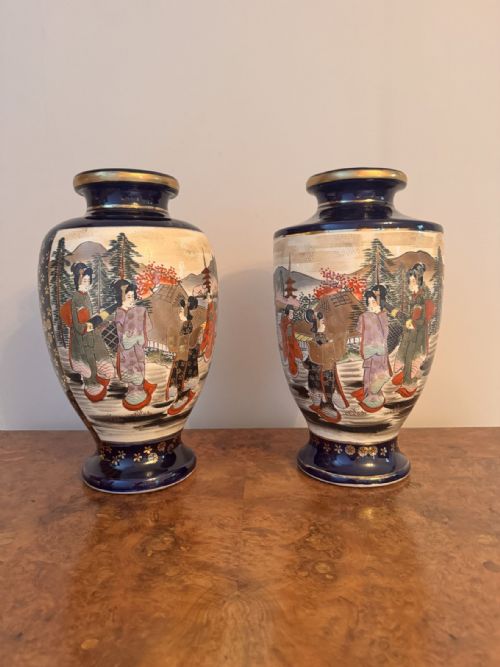
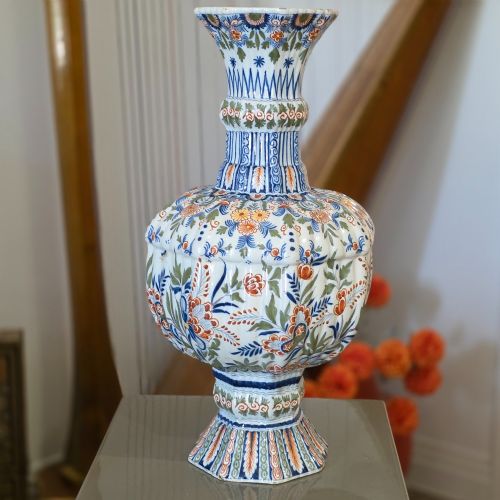
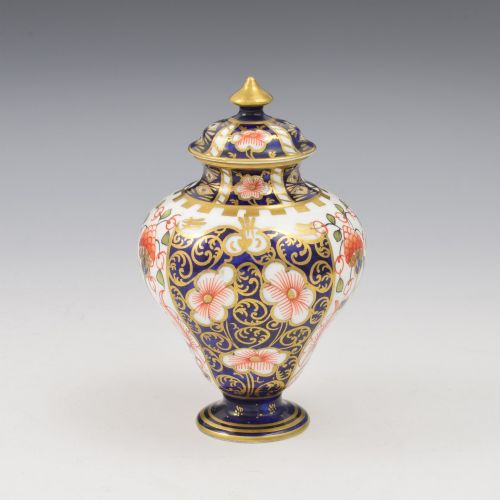
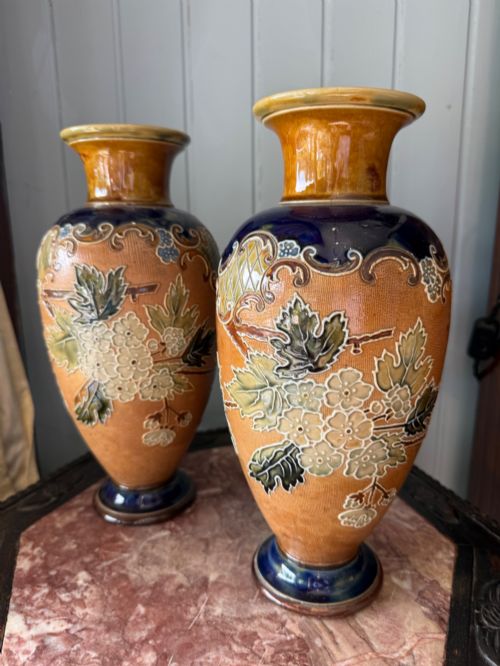
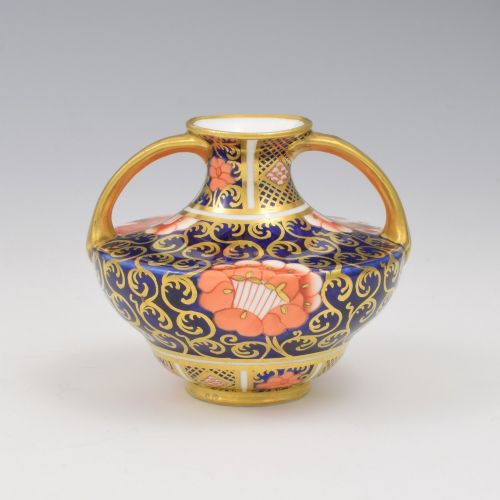
A vintage blue vase encompasses ceramic and glass vessels spanning periods from the late nineteenth century through the mid twentieth century. Buyers seeking this category encounter diverse ceramic traditions, including English art pottery, Japanese Imari porcelain, and French moulded glass.
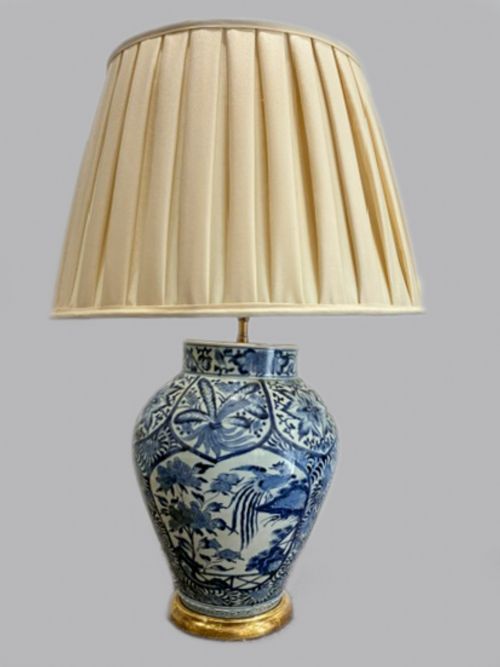
The selection ranges from small cabinet miniatures to substantial decorative urns and converted lamps. Many examples display distinct stylistic influences, from the geometric lines of Art Deco to the organic motifs of Art Nouveau and Arts and Crafts designs.
Beyond earthenware and porcelain, the listings include specialised glasswork such as pate de verre and cameo glass. These vessels arrive from various origins, bringing cobalt glazes, turquoise tones, and indigo pigments into domestic interiors.
How they were made
Makers utilised porcelain, earthenware, and specialised art glass, shaping vessels on the wheel or pouring molten material into moulds. Glazes applied to the surface provided deep blue coloration, often enriched with cobalt or metallic oxides fired at high temperatures.
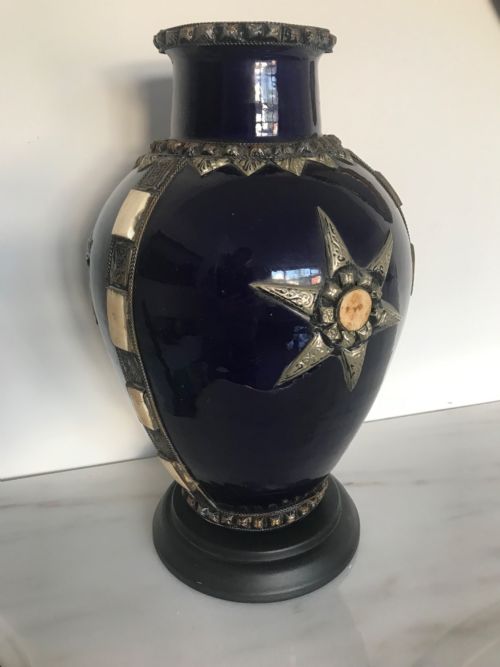
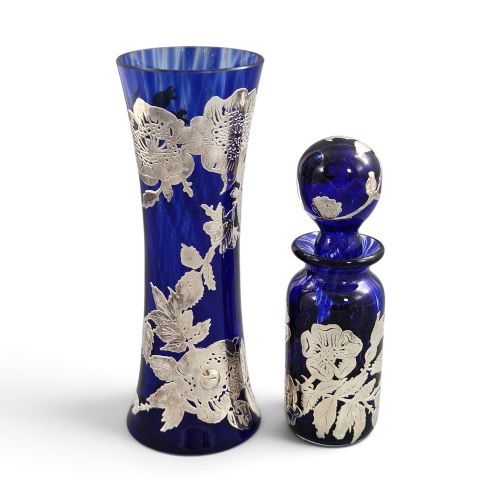
Decoration frequently involved hand painting, enamel work, or acid etching to create surface depth and texture. Some pieces incorporated metal mounts in brass, bronze, or silver overlay, fusing metalwork with ceramic bodies.
Among the cobalt vessels sits a Sumida Gawa jar featuring a tiny ceramic figure caught in the act of climbing the side.
What varies in quality
Quality rests in the precision of the form, the depth and consistency of the blue glaze, and the clarity of any applied decoration or hand painted detail. Superior pieces exhibit confident handling of motifs and careful control during the high temperature firing process.
Signed works by recognised makers or documented design houses carry greater distinction in execution and finish. The crispness of moulded details in glass or the complexity of Satsuma and Imari patterns separates standard production from exceptional examples.
Royal Crown Derby·Moorcroft·Royal Doulton·Daum Frères·René Lalique·Minton
The Vintage Blue Vase Glossary
- Imari
- A style of Japanese export porcelain decorated in underglaze blue and contrasting iron red and gold. This technique produced vibrant patterns popular across European interiors.
- Pate de verre
- A glass casting method where finely crushed glass is packed into a mould and fused in a kiln. This process creates a dense, frosted material with subtle colour graduation.
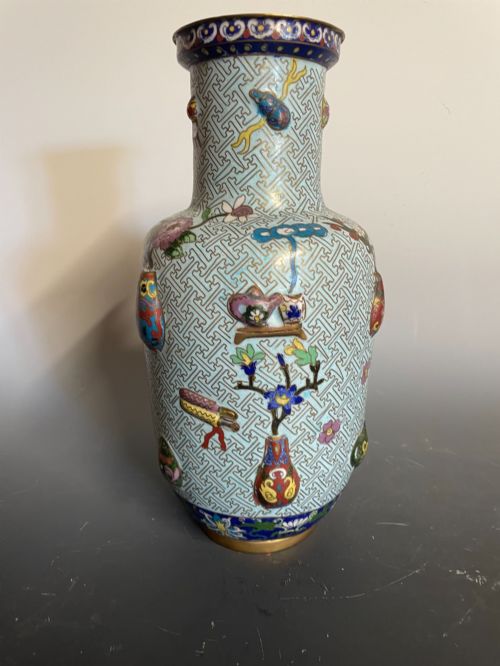
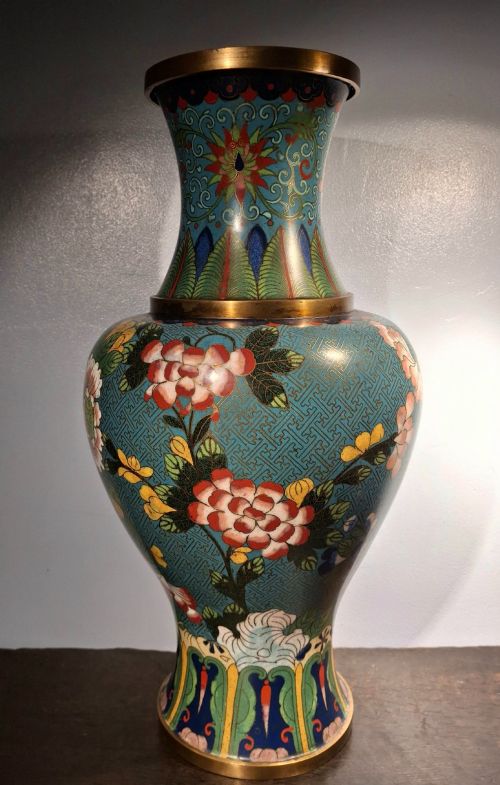
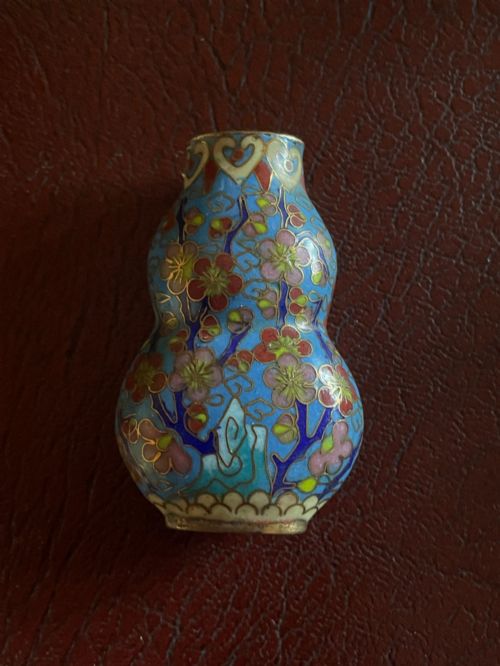
- Cloisonne
- A decorative metalwork technique where thin wire partitions are affixed to a base and filled with enamel paste. The object is then fired and polished to a smooth finish.
- Earthenware
- Porous pottery fired at lower temperatures than porcelain, requiring a protective glaze to hold liquids. It forms the body of much decorative art pottery.
- Flambe glaze
- A streaked or mottled metallic glaze that shifts in tone during firing. It produces unpredictable clouding of deep blues and reds.
Vintage Blue Vase: Frequently Asked Questions
How do I style a vintage blue vase?
Place a cobalt or indigo vessel against neutral walls to let the rich pigment draw the eye. They function effectively on mantels or side tables either empty as sculptural objects or holding seasonal stems.
Pairing different heights and glaze textures within a room adds depth without clutter. The natural variations in antique blue glazes complement both dark wood furniture and modern minimalist interiors.
Are these vases suitable for daily use?
Many ceramic and glass vessels remain entirely watertight and serve well for holding fresh flowers. Care should be taken with delicate antique enamels and unglazed earthenware interiors.
Hand washing in lukewarm water preserves the surface glaze and any delicate gilt or silver overlay. Avoid sudden temperature changes to protect older glass and ceramic bodies from thermal shock.
How can I tell art glass from porcelain?
Art glass transmits light through the body, revealing translucent qualities and internal bubbles or colour layers. Porcelain remains opaque, presenting a resonant ring when gently tapped and a smooth, vitreous surface.
Examining the base often reveals pontil marks on glass or kiln stilt marks on ceramics. Weight also differs, with dense glass vessels typically feeling heavier than similarly sized earthenware pieces.