



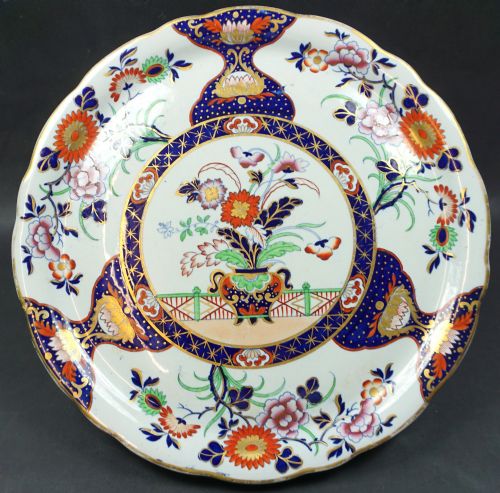
Vintage Blue Ceramic Dish
A vintage blue ceramic dish brings depth and historical character to a table, combining cobalt pigments with enduring ceramic forms.
Vintage Blue Ceramic Dish
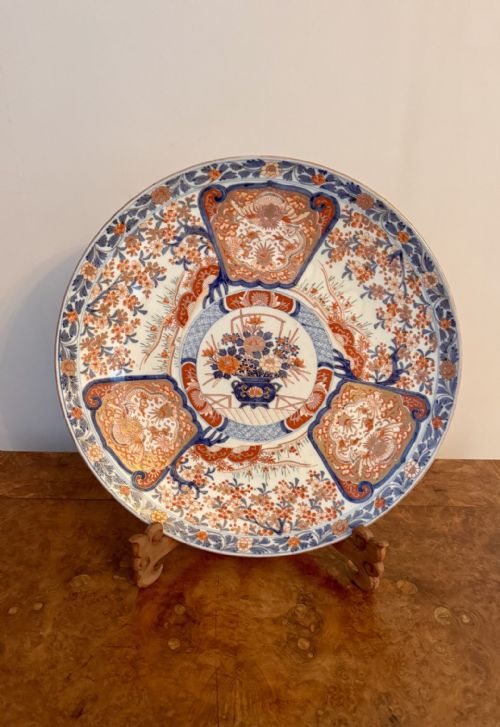
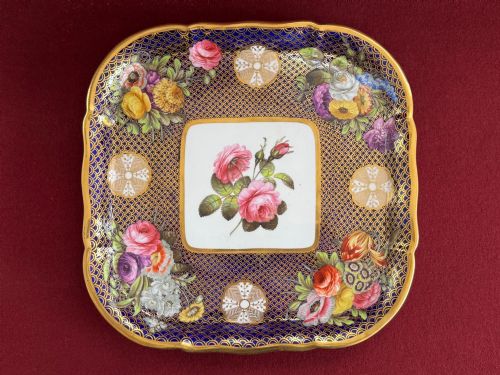
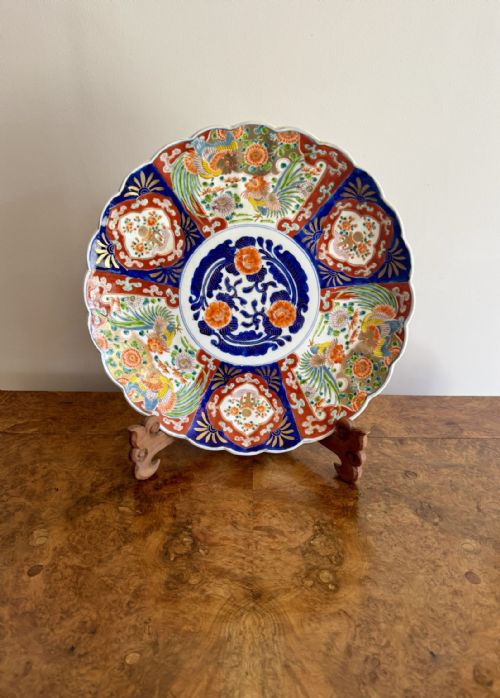
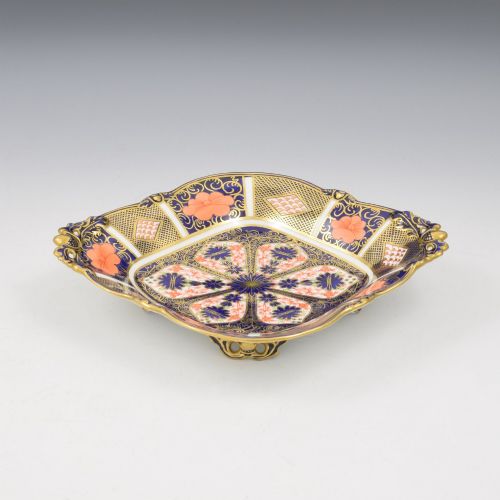
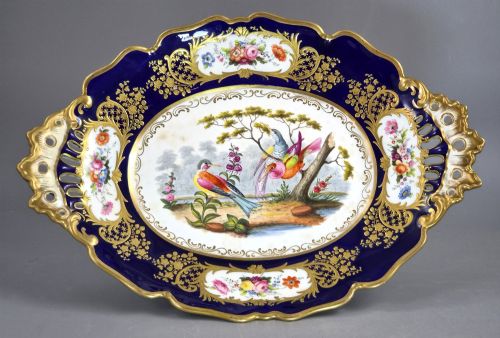
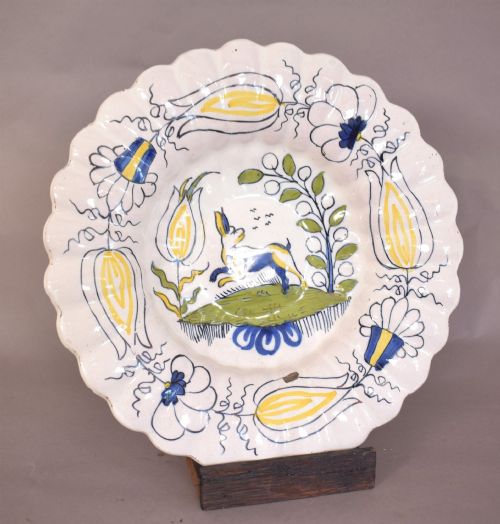
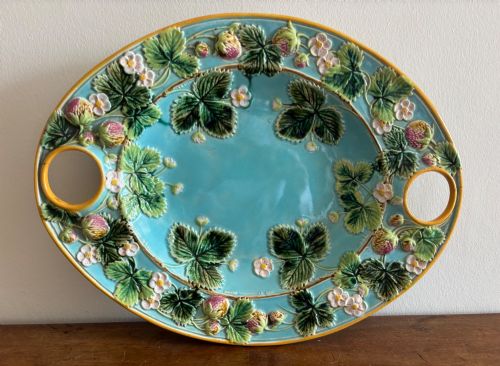
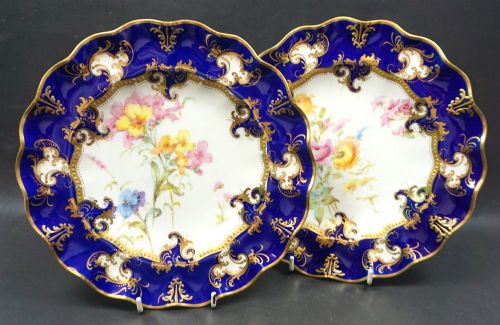
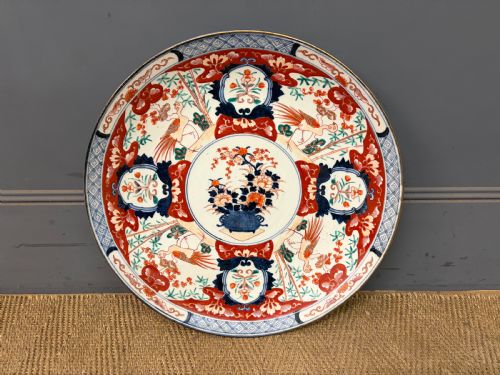
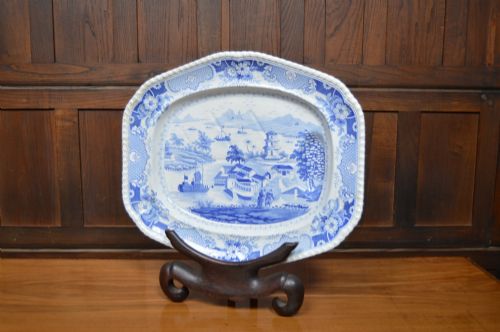
A vintage blue ceramic dish encompasses a range of domestic and decorative items spanning centuries of global production. Buyers searching this phrase encounter everything from grand Japanese Imari chargers and Dutch Delft plates to English transferware platters and Victorian majolica.
The selections on this page draw from diverse periods including the eighteenth, nineteenth, and early twentieth centuries. Forms vary from simple cabinet plates and scalloped bowls to specialised vessels like cheese dishes, tureens, and sauceboats.
Origin points are equally varied, featuring English earthenware, continental faience, and Asian porcelain traditions. These pieces reflect how makers utilised cobalt oxide and blue glazes to define tableware aesthetics across generations.
Materials and methods
Makers utilised earthenware, stoneware, and porcelain as foundational bodies for these blue pieces, often shaping them on a potter's wheel or pressing them into moulds. Earthenware provided a porous, opaque base suited for tin-glazed faience and Delftware, while hard-paste porcelain offered durability and translucency.
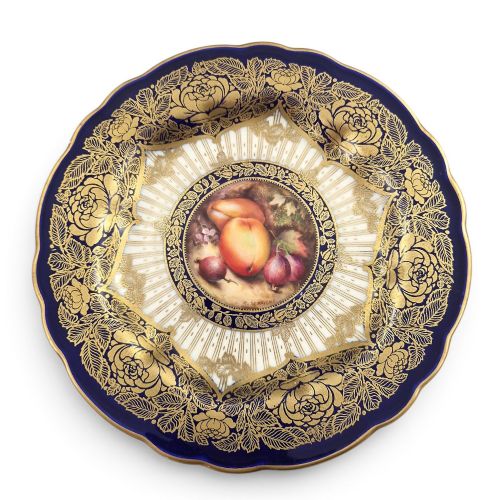
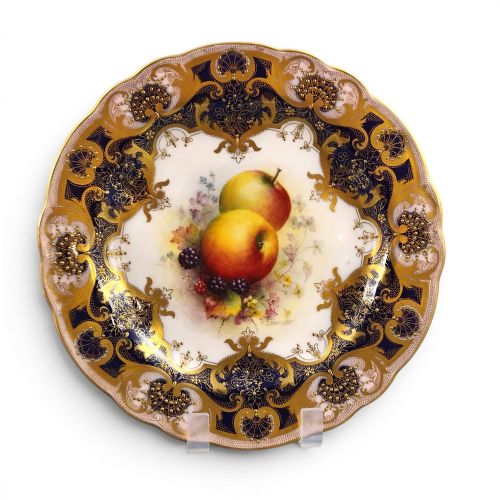
Cobalt oxide served as the primary pigment for achieving deep blue decoration, applied by hand under the glaze or incorporated via transfer printing techniques. Subsequent firing in high-temperature kilns set the colour permanently, occasionally complemented by gilding or gold leaf highlights.
Listings feature items spanning the eighteenth, nineteenth, and early twentieth centuries, constructed from porcelain, earthenware, and faience.
Assessing craftsmanship
Quality rests primarily in the precision of the hand-painting or the crispness of the transfer print. Superior examples display careful brushwork with rich variations in cobalt tone, whereas lesser pieces show rushed application or muddy pigment separation.
The refinement of the ceramic body and the smoothness of the glaze also distinguish finer items. Well-thrown forms and even glaze coverage without excessive pooling indicate superior kiln control and skilled workshop production.
Coalport·George Jones·Royal Crown Derby·Royal Worcester·Hicks and Meigh·John Rogers and Son·John and Richard Riley·Minton
The Vintage Blue Ceramic Dish Glossary
- Cobalt Oxide
- A metallic oxide used to produce deep blue ceramic decoration. It withstands high kiln temperatures without losing its intense colour.
- Transferware
- Pottery decorated by applying a printed design from an engraved copper plate to paper, then transferring the ink onto the ceramic surface before glazing.
- Imari
- A style of Japanese porcelain featuring a palette of cobalt blue, iron red, and gold. These pieces were extensively exported to Europe from the seventeenth century onward.
- Delftware
- Tin-glazed earthenware produced in the Netherlands and England, typically decorated with blue designs on a white background. It often imitates Chinese export porcelain.
- Majolica
- A type of earthenware glazed with lead and tin opacifiers, brightly coloured with metallic oxides. It became popular during the Victorian era for decorative tableware.
Vintage Blue Ceramic Dish: Frequently Asked Questions
How do I clean my blue ceramic dish?
Wash vintage ceramics gently by hand using warm water and a mild detergent. Avoid abrasive sponges or dishwashers, which can damage delicate glazes and historical surfaces.
Dry each piece thoroughly with a soft cloth. Take extra care with items featuring gilt highlights or porous earthenware bodies.
Can I use these dishes for serving food?
Many of these pieces were originally designed for culinary use, including serving platters, soup bowls, and cheese dishes. However, older ceramics with crazed glazes or delicate overglaze decoration are best reserved for display.
Assess the condition of the glaze surface before serving moist or acidic foods. Modern use may accelerate wear on fragile antique items.
How do I date a blue and white transferware dish?
Examine the back of the piece for maker marks, registration diamonds, or specific pattern names. Stylistic clues within the border design also help narrow down the manufacturing decade.
Reference ceramic identification guides to match pottery marks to active operating dates. Transfer print subjects often reflect contemporary nineteenth-century events or literary themes.
What is the difference between Delft and Imari?
Delft refers to tin-glazed earthenware originating in Europe, typically showing blue floral or landscape motifs on a white background. Imari describes Japanese porcelain featuring a distinct palette of cobalt blue combined with iron red and gold.
Delft pieces rely on an opaque tin glaze over a softer earthenware body. Imari items utilise vitreous porcelain with vibrant underglaze blue and overglaze enamel work.