

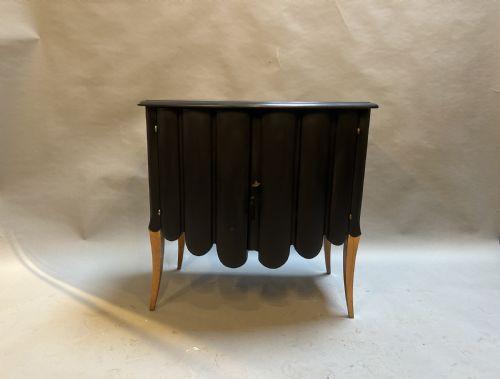
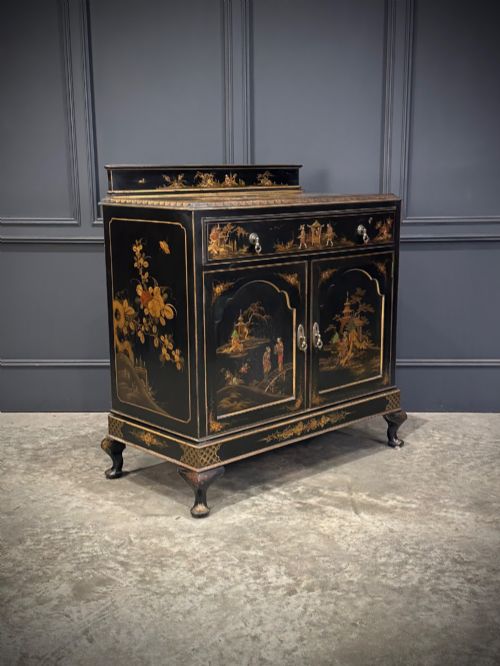


Vintage Black Lacquered Cabinet
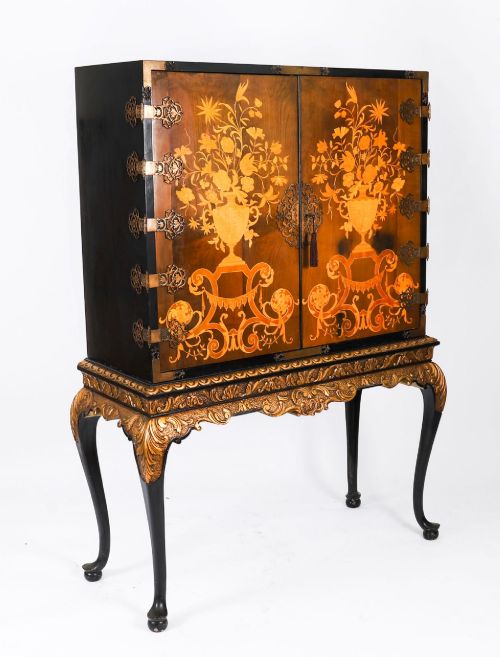
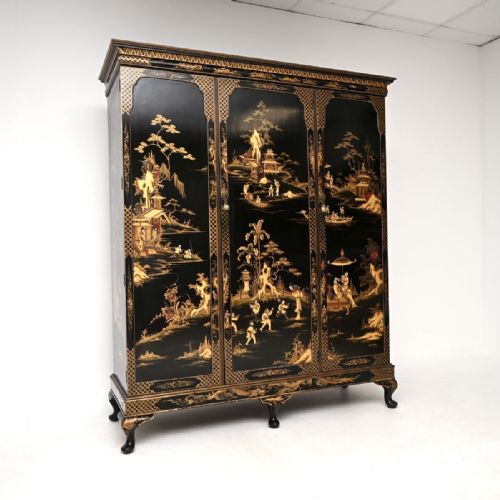
These vintage black lacquered cabinet designs bring deep polished surfaces and intricate gilt scenes into a room.
Vintage Black Lacquered Cabinet
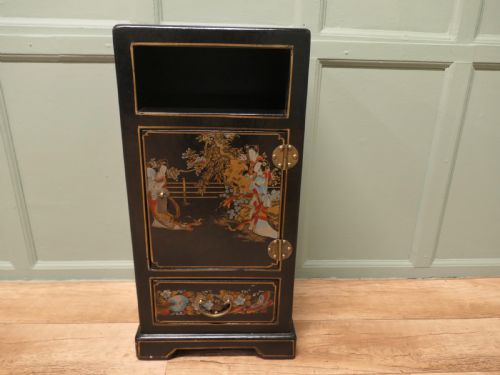
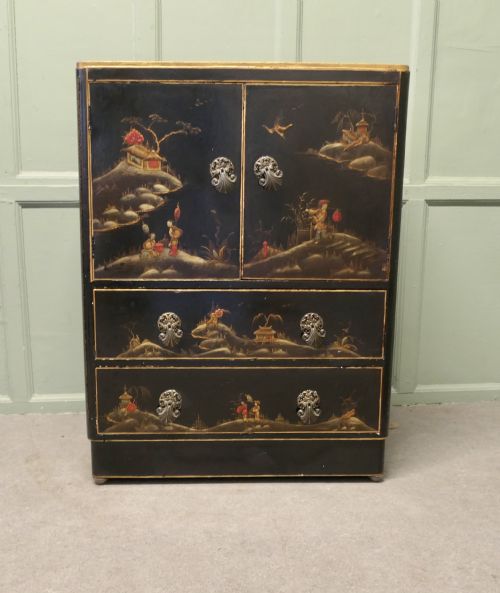
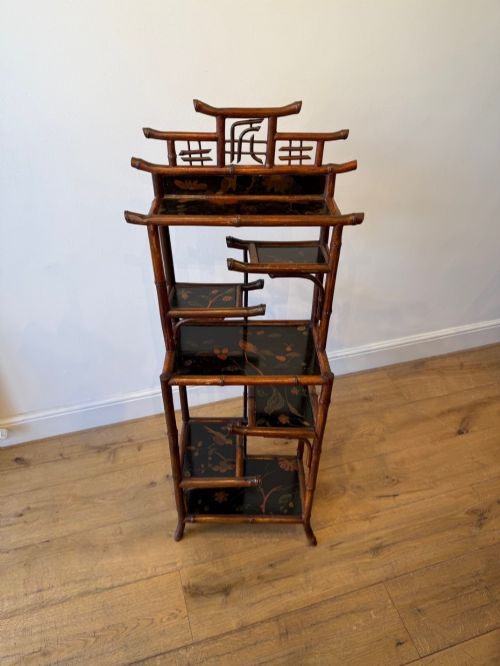
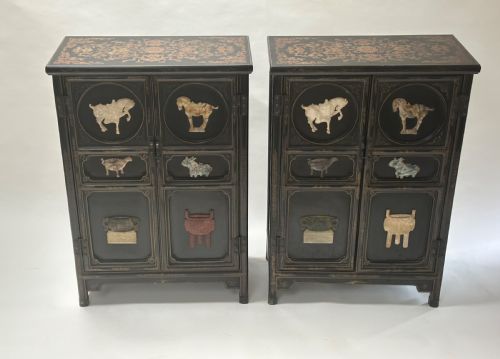
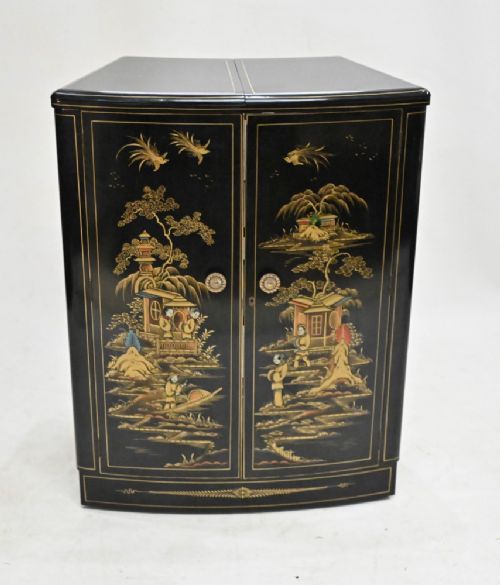
A vintage black lacquered cabinet combines storage with decorative painted scenes, drawing on long traditions of Asian and European craftsmanship. When searching for a vintage black lacquered cabinet, buyers encounter diverse forms ranging from cocktail cabinets and corner cupboards to side cabinets and table cabinets. These pieces span multiple eras, including Georgian, Victorian, Edwardian, and the 1920s and 1930s Art Deco periods.
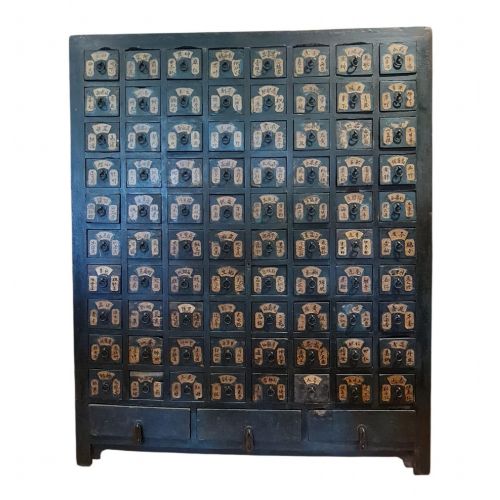
The aesthetic frequently leans into Chinoiserie, Chinoiserie Revival, and Japanese Meiji or Taisho styles, often featuring motifs of birds, flowers, and landscapes rendered in gilt or colour. Alongside these, specific regional forms such as Korean Joseon style chests and Chinese elm apothecary cabinets appear within the selection. The construction ranges from small table units to large wardrobes and drinks bars.
Materials and Construction Techniques
Makers utilised wood, ebonised wood, and lacquered wood as the primary structural and decorative foundation for these cabinets. Application of black lacquer creates the signature dense, reflective surface that defines the aesthetic of the piece.
Gilt and brass details provide contrast against the dark background, highlighting hardware such as hinges and locks as well as pictorial elements. Many items incorporate painted decoration directly onto the lacquered or japanned surface, executed in layered schemes that build up the imagery.
Vintage Black Lacquered Cabinet Retail Price Guide 2026
Typical asking prices for vintage black lacquered cabinet among the pieces listed under this phrase on Sellingantiques today, from the lower quarter to the upper quarter. They describe what is for sale here now, not the wider market.
Listings feature periods spanning from the 18th century and Georgian era through to Art Deco pieces from the 1930s.
Distinctions in Quality
The depth and durability of the lacquer finish distinguish finer examples from simpler production, reflecting the labour-intensive nature of building up and polishing the surface. Superior pieces exhibit carefully registered gilt work and hand-painted detail that retains clarity across panels and doors.
Construction methods and timber selection also drive differences in standard, seen in the solidity of the underlying carcase and the integration of hardware such as brass mounts. Maker attribution, such as work associated with firms like Maples and Co. or H&L Epstein, introduces additional craftsmanship distinction.
Maples and Co.·H and L Epstein
The Vintage Black Lacquered Cabinet Glossary
- Chinoiserie
- European decorative style reflecting Chinese artistic influences, characterised by painted scenes of figures, landscapes, and flora.
- Japanned
- European imitation of East Asian lacquerwork, created by applying multiple coats of varnish and polishing the surface.
- Kodansu
- A small Japanese tabletop cabinet with multiple internal drawers and compartments, often finished in lacquer.
- Gilt
- Application of gold leaf or gold paint to highlight carved or painted details on wood and lacquer surfaces.
Vintage Black Lacquered Cabinet: Frequently Asked Questions
How do I style a black lacquered cabinet?
These cabinets work well as focal points in neutral rooms where the dark finish and gilt details can stand out without visual competition. Pairing them with simple modern furniture lets the intricate painted surface remain the primary visual element.
Position them in living spaces or dining rooms where lighting can catch the reflective polished surface and metallic highlights. They also serve effectively as drinks cabinets or display units for glassware and ceramics.
Where were these cabinets placed historically?
Georgian and Victorian corner cupboards were designed to utilise unused room junctions while displaying decorative porcelain behind panelled doors. Larger wardrobes and side cabinets served bedchambers and formal reception rooms for storage.
Later twentieth-century iterations, particularly cocktail and drinks cabinets from the Art Deco era, found a place in entertaining spaces and drawing rooms. Table cabinets and kodansu sat upon desks or larger chests to hold letters and small valuables.
How do I identify an Art Deco lacquered cabinet?
Art Deco examples from the 1920s and 1930s often feature streamlined geometric forms combined with luxurious materials like blonde maple and contrasting black lacquer. They frequently incorporate functional elements designed for modern entertaining, such as mirrored cocktail interiors and drop-down bottle storage.
The hardware and base structures on these pieces typically reflect modernist design principles rather than historical revival styles. Clean lines and symmetrical composition separate them from earlier Victorian or Georgian Chinoiserie iterations.