

Vintage Black Forest Carving
Vintage black forest carving comprises heavily detailed wooden animals, clocks and household objects originating from European mountain regions during the nineteenth and early twentieth centuries.
Vintage Black Forest Carving
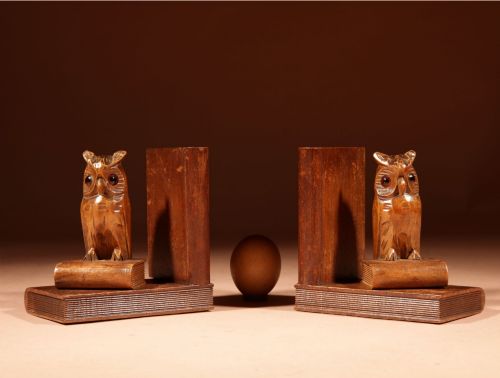
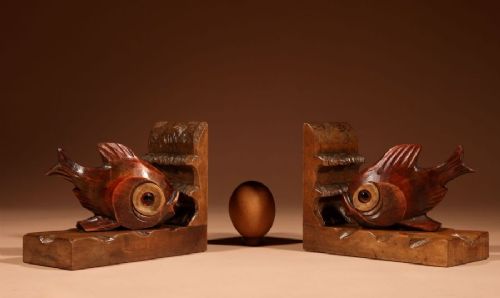
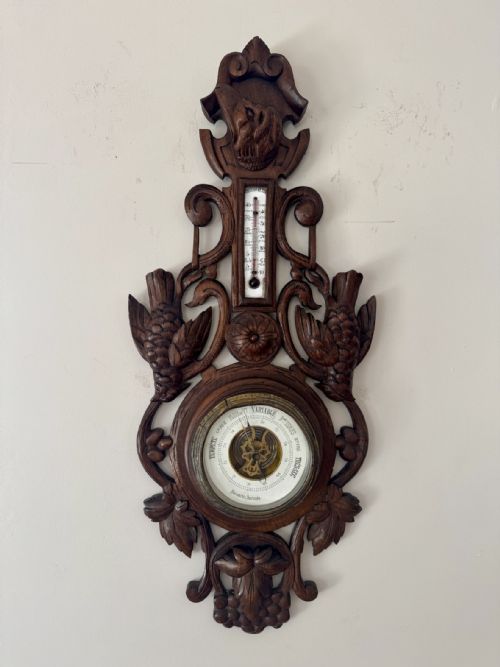
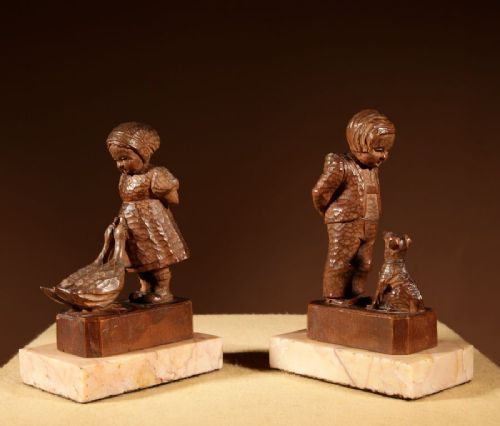
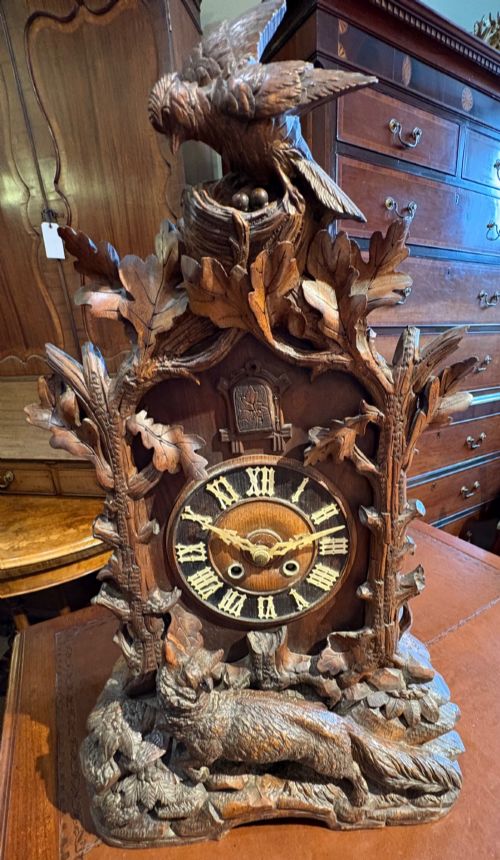
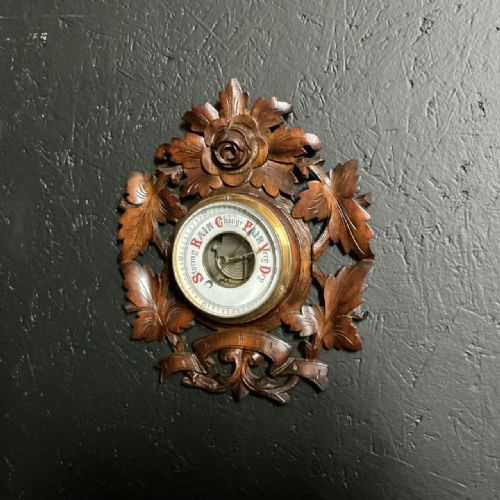
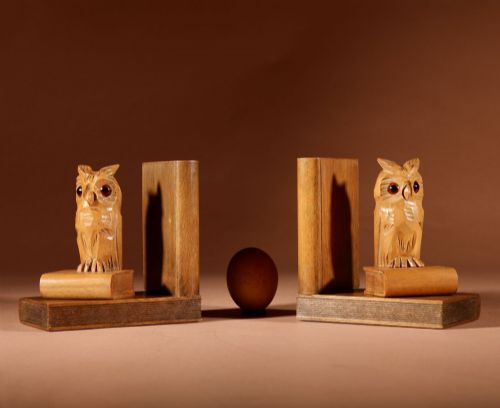
Vintage black forest carving encompasses functional and decorative objects created in European wooded regions, most notably represented here by items produced during the Victorian era and the early decades of the twentieth century. These pieces take the form of domestic items such as bookends, cuckoo clocks, barometers, nutcrackers, and animal figures.
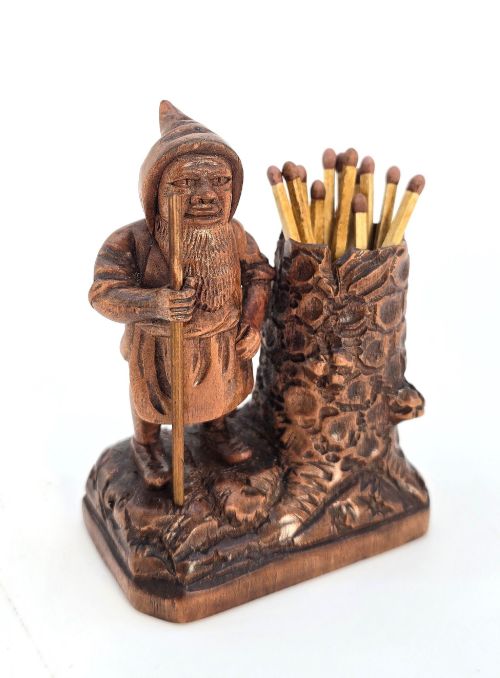
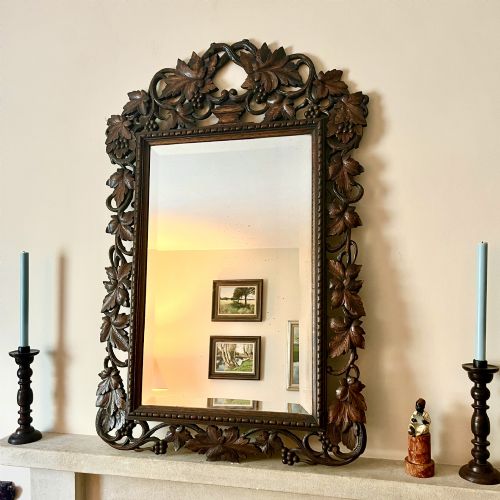
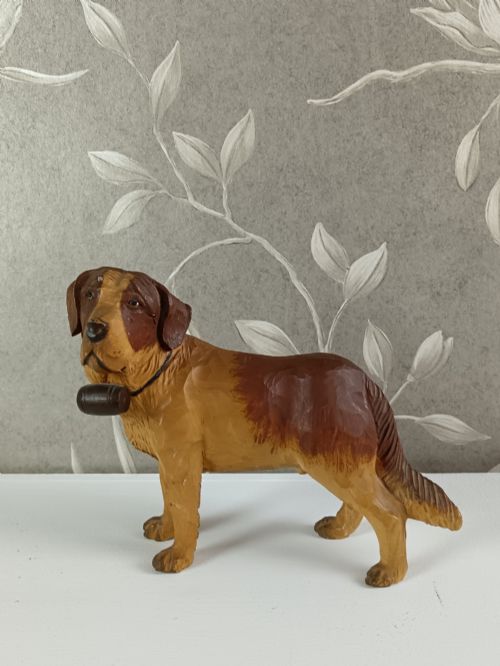
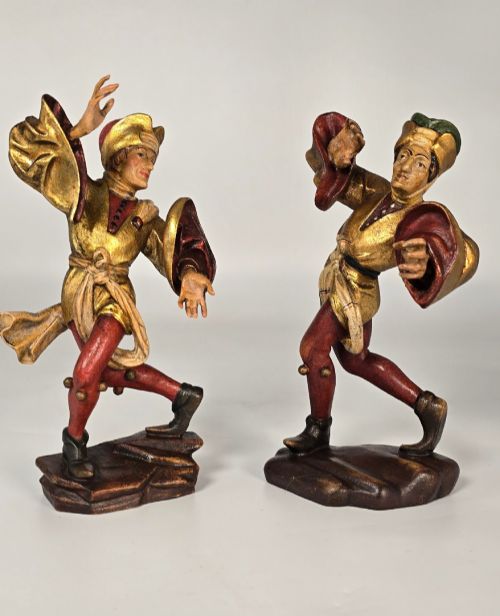
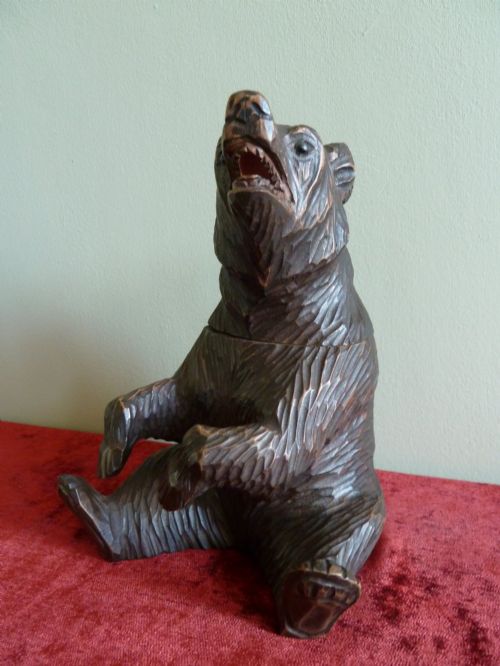
The most frequently encountered versions on this page are carved wooden bears, owls, and dogs integrated into everyday furnishings like tobacco holders, match strikers, and wall mirrors. Sculptures of woodland animals and figures demonstrate a strong tradition of alpine folk art, ranging from small desktop items to large wall plaques.
Makers utilised various timber species to construct objects that blend utility with naturalistic animal forms, reflecting the rustic tastes of the period. Pieces span from the nineteenth century through to the nineteen-thirties, showing consistent regional carving traditions.
How they were made
Craftsmen shaped these items primarily from native European hardwoods, utilising linden wood, walnut, and oak for their distinct grain patterns and workability. Linden wood offered a soft, fine texture suited to intricate hand-carved details like fur and feathers.
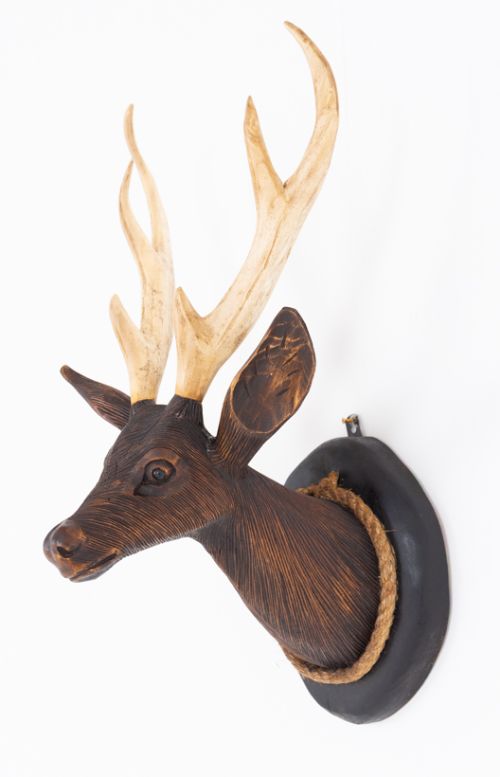
Carvers employed specialised gouges and chisels to achieve deep, three-dimensional relief work on objects such as mirror frames, clock cases, and hunting trophies. Glass eyes, brass mechanisms for clocks and barometers, and metal hardware were subsequently incorporated into the wooden structures.
Listings feature items dated from the nineteenth century up to nineteen-thirty, with notable concentrations around nineteen hundred.
What varies in quality
The precision and depth of the hand-carving distinguish superior examples from standard production pieces, particularly in the rendering of animal anatomy and facial expressions. Master carvers achieved realistic textures in fur and plumage, whereas lesser pieces display flat, uniform tool marks.
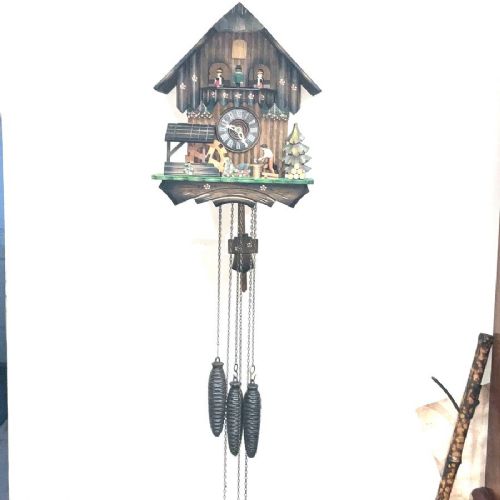
The complexity of the integrated mechanism, such as mechanical musical automata in cuckoo clocks or carillon longcase clocks, elevates the status of an object. Original fitted interiors in humidors and complete matching pairs of bookends further influence the desirability of the piece.
The Vintage Black Forest Carving Glossary
- Linden wood
- A pale, close-grained timber commonly used by alpine carvers for its cooperative texture and lack of prominent grain. It permits intricate detailing without splintering.
- Aneroid barometer
- A device for measuring atmospheric pressure without liquid, frequently housed within intricately carved wooden frames featuring foliage or game birds.
- Automaton
- A mechanical device designed to mimic human or animal action, often found operating within cuckoo clocks to animate carved figures.
- Humidor
- A specialised box or container designed to store cigars at a constant humidity, often carved in the form of a seated bear or woodland animal.
- Hunting trophy plaque
- A wooden wall panel carved in high relief to depict stags heads, game, or foliage in the rustic style.
Vintage Black Forest Carving: Frequently Asked Questions
How do I identify a genuine piece?
Examine the timber for hand-cut tool marks and natural wear consistent with nineteenth or early twentieth-century production. Genuine examples display deep, thoughtful carving rather than cast resin or modern machine routing.
Check for appropriate regional motifs, such as alpine animals, oak leaves, and pinecones, executed in woods like linden or walnut.
What wood was typically used?
Carvers relied heavily on linden wood, walnut, and oak sourced from European forests. Linden wood was favoured for detailed animal sculptures due to its soft and even grain.
Walnut and oak provided structural stability and rich colour for larger items like furniture, longcase clocks, and wall mirrors.
How should I clean my carving?
Dust the wooden surface gently with a soft, dry brush to remove particles from deep recesses without damaging the hand-carved details. Avoid using wet cloths or harsh chemical polishes that can strip the historic patina.
Apply a microcrystalline wax sparingly if the timber appears dry, buffing lightly after application.
Are the clock movements original?
Many cuckoo clocks and barometers retain their original mechanical movements, though some have undergone professional repair or replacement over decades of use. Inspect the interior gears and bellows for signs of period construction and consistent wear.
Consult the listing details or test the mechanism to confirm whether the clock strikes or the musical automaton functions correctly.