





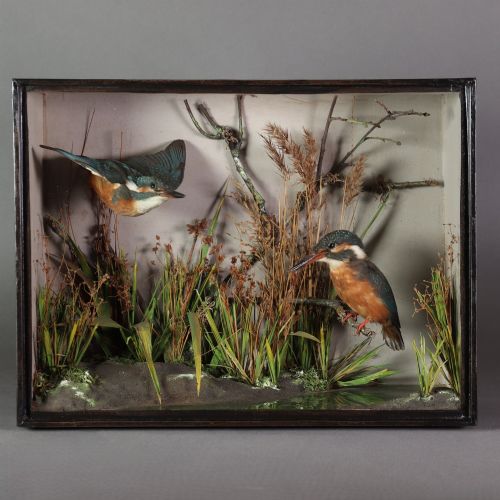


Vintage Bird Mount
A vintage bird mount brings natural history into a room through preserved specimens and artistic depictions.
Vintage Bird Mount
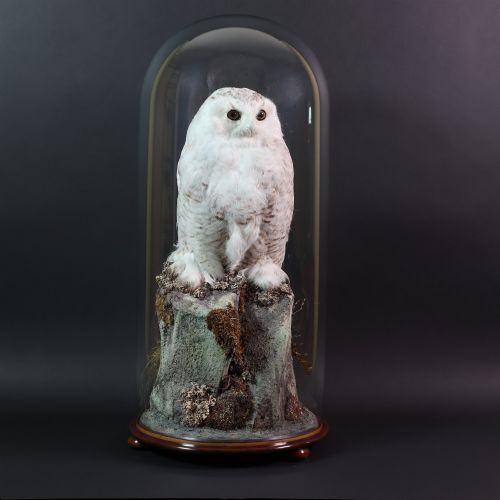
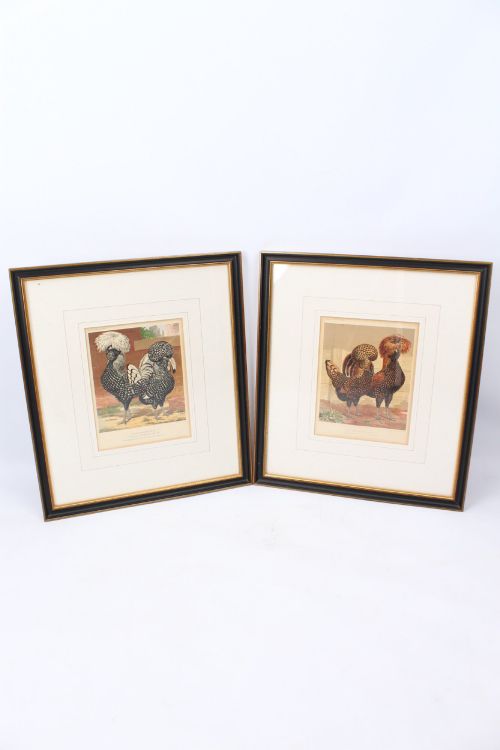
When you search for a vintage bird mount, you encounter preserved taxidermy specimens and artistic representations spanning the nineteenth century through the mid-twentieth century. The selection ranges from cased dioramas and glass domes to framed prints, paintings, and bronze studies.
Most examples originate from the Victorian and Edwardian eras, reflecting a period of intense interest in natural history display. These pieces appear as single specimens, pairs, or grouped trios set against painted backgrounds with natural foliage.
Materials and construction methods
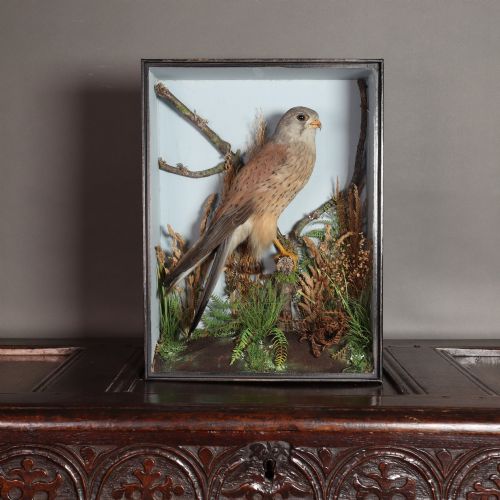
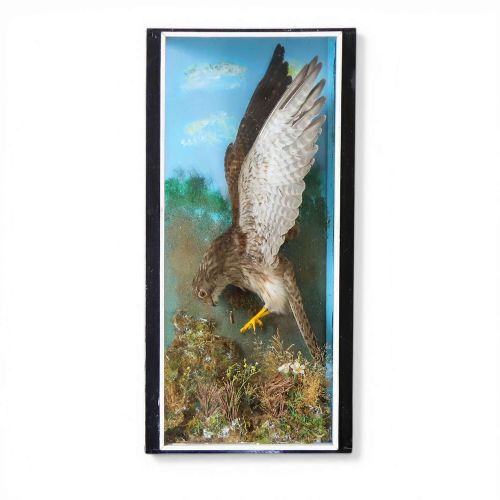
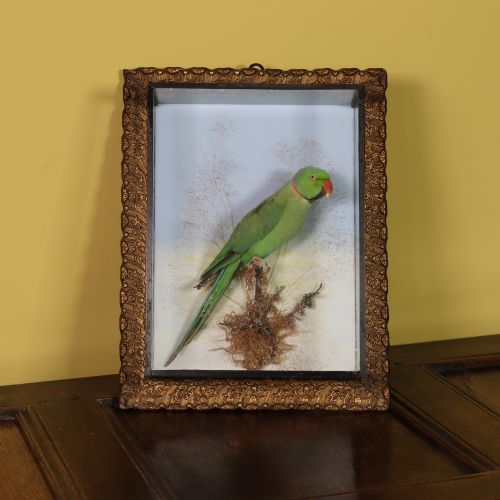
Taxidermy specimens utilise real feathers mounted over anatomical forms, frequently housed within wooden glass-fronted cases, ebonised frames, or glass domes. Makers incorporated natural elements such as moss and painted wooden backdrops to simulate native habitats.
Vintage Bird Mount Retail Price Guide 2026
Typical asking prices for vintage bird mount among the pieces listed under this phrase on Sellingantiques today, from the lower quarter to the upper quarter. They describe what is for sale here now, not the wider market.
Listings feature periods spanning the Victorian era through the mid-twentieth century, utilising glass, feathers, wood, and brass.
Distinctions in craftsmanship
Quality rests upon the taxidermist's skill in preserving natural posture, feather condition, and realistic anatomical proportion. Work by documented makers demonstrates superior preservation and meticulous habitat detailing compared to unsigned examples.
The sophistication of the housing influences overall standing, with custom painted dioramas and heavy glazed cases providing greater contextual integrity than simple wall mounts.
J Griffiths of Burford·T. E. Gunn·William Bazeley & Sons·James Gardner·W.F. Homer London
The Vintage Bird Mount Glossary
- Taxidermy case
- A glass-fronted wooden enclosure built to protect and display preserved animal specimens. These housings often feature internal painted landscapes.
- Diorama
- A three-dimensional scene containing taxidermy specimens arranged within a constructed naturalistic setting. Backgrounds are commonly painted on paper or board.
- Lithograph
- A print made from a flat stone or metal plate on which an image has applied. This technique produced many of the framed bird plates from the nineteenth century.
- Ormolu
- Gilded bronze applied as a decorative mount or structural element on furniture and decorative objects. It appears alongside porcelain and marble in nineteenth-century pieces.
- Cloisonne
- Enamel work in which wire compartments hold coloured glass pastes prior to firing. Japanese examples utilise this method on metal vessels and chargers.
Vintage Bird Mount: Frequently Asked Questions
How do I care for a taxidermy bird?
Keep mounted specimens away from direct sunlight and high humidity to prevent feather fading and material degradation. Gentle dusting with a soft brush maintains the surface.
Avoid using liquid cleaners or chemical sprays on feathers and painted case backgrounds. Stable indoor temperatures preserve both the specimen and its housing.
What is a glass dome mount?
A glass dome mount places preserved birds under a blown glass cover resting on a wooden base. This method protects delicate specimens from dust while allowing all-around viewing.
Domes were popular in Victorian interiors for displaying exotic species collected from South America, Australia, and New Guinea.
How are periods identified?
Dating relies upon framing styles, taxidermy preparation methods, and maker signatures or labels attached to the case. Victorian pieces frequently use heavy ebonised wood and detailed painted backdrops.
Later Edwardian and early twentieth-century examples shift towards simpler oak cases and distinct taxidermy stances associated with recorded workshops.
Where should I display these pieces?
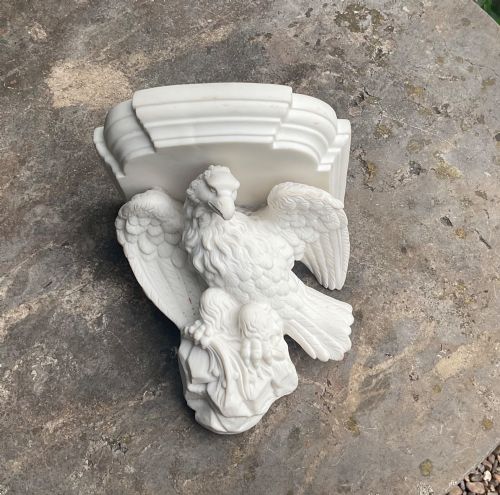
Cased specimens and framed prints suit studies, living areas, and hallways with controlled lighting. Wall brackets and smaller framed works integrate easily into gallery walls.
Ensure placement avoids heavy foot traffic where glass cases might sustain accidental impact or vibration.