

Vintage Bird Figurine
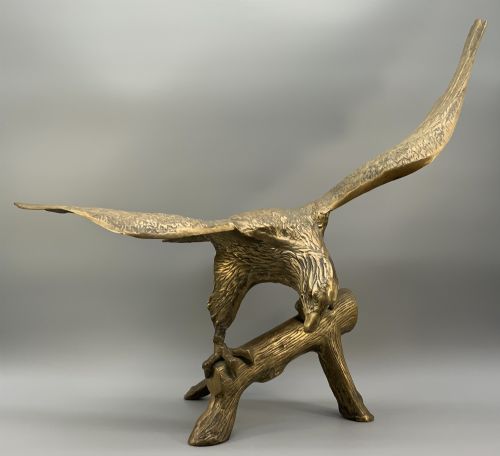
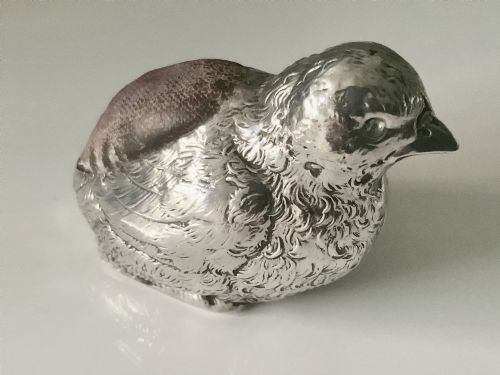
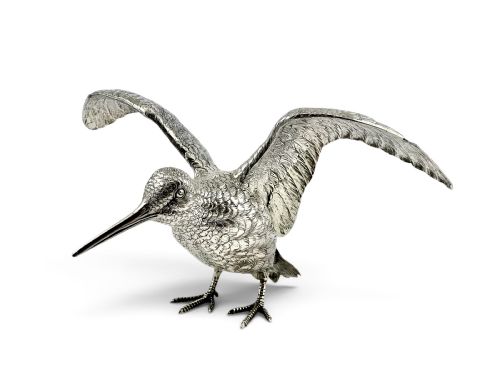
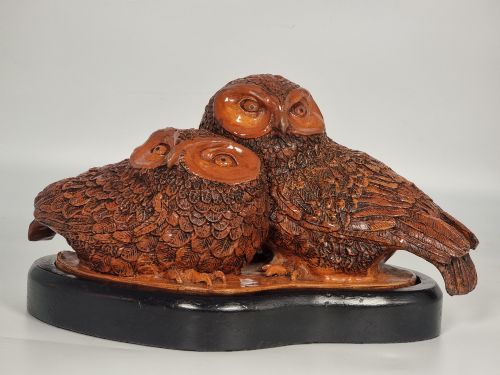
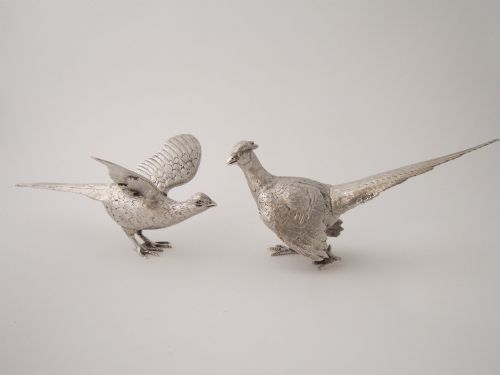
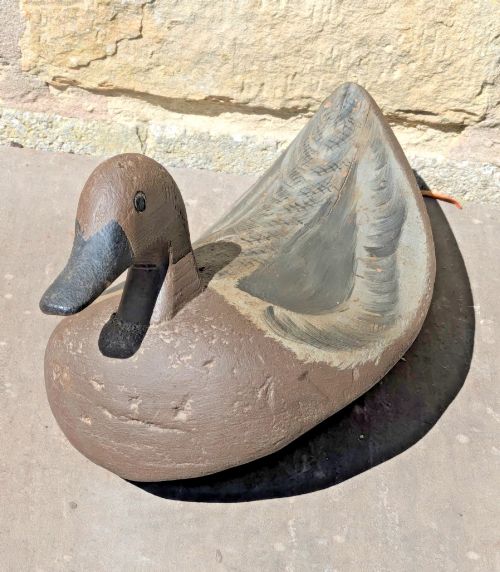
When hunting for a vintage bird figurine, collectors find a diverse menagerie spanning cast metals, carved timber, and moulded glass.
Vintage Bird Figurine
A vintage bird figurine spans desk accessories, paperweights, and sculptural ornaments cast in metal, carved from timber, or moulded from glass. When searching for a vintage bird figurine, buyers encounter subjects ranging from domestic cockerels and waterfowl to exotic parrots and birds of prey.
The selections on this page draw from periods across the nineteenth and twentieth centuries, including Victorian, Edwardian, Art Nouveau, and Art Deco eras. Forms vary from simple utilitarian items such as pin cushions and pepper pots to substantial decorative sculptures.
How they were made
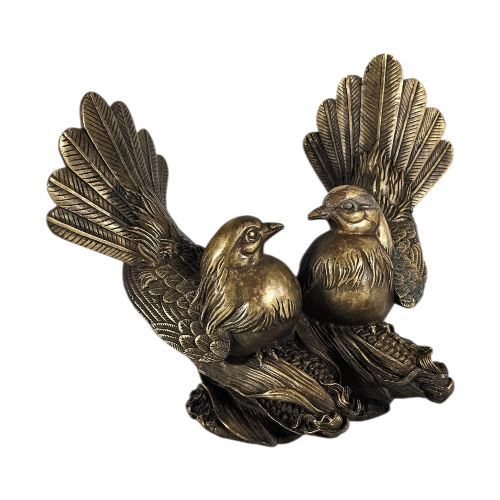
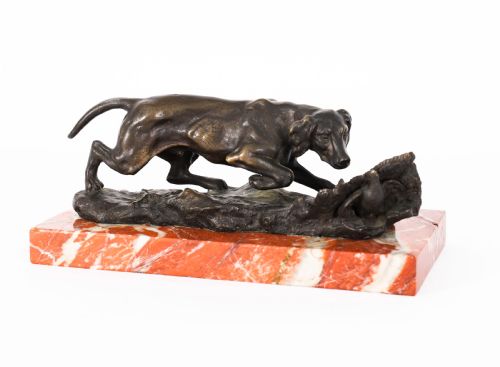
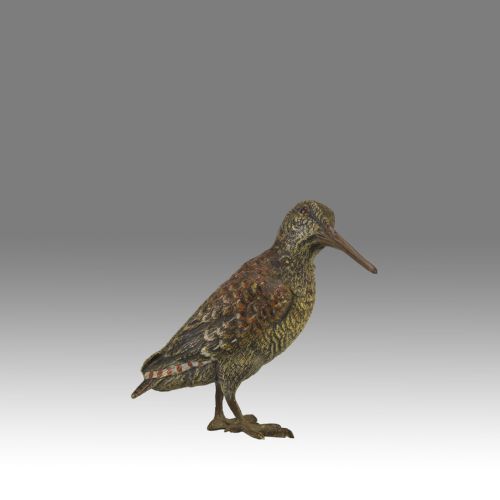
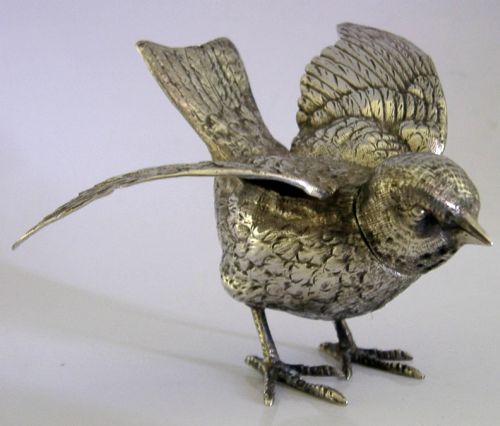
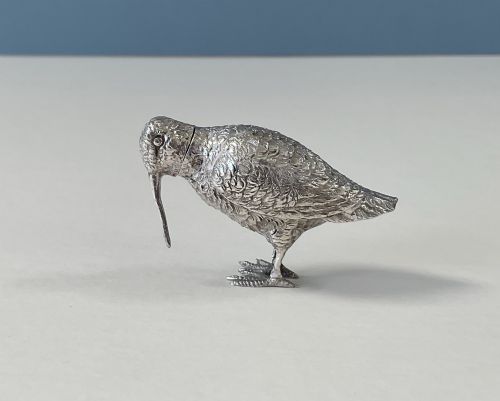
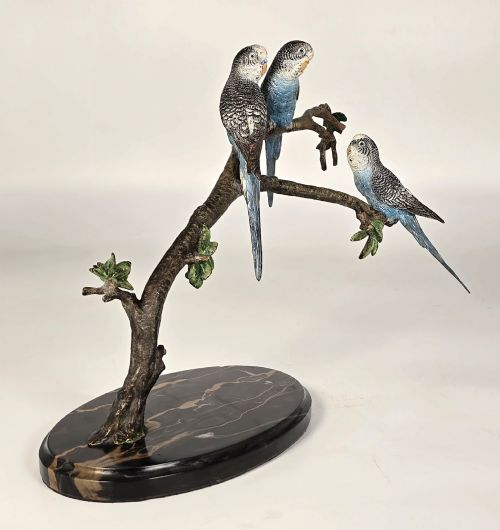
Metal pieces rely on bronze casting, silver working, and cold-painted techniques where pigment is applied to finished bronze surfaces. Timber examples utilise hand carving and paint, whilst glass versions involve press-moulding and frosting.
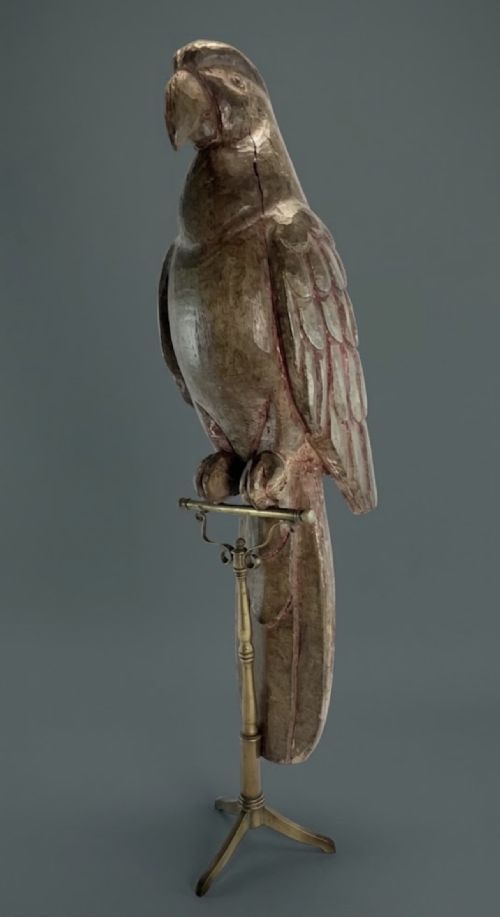
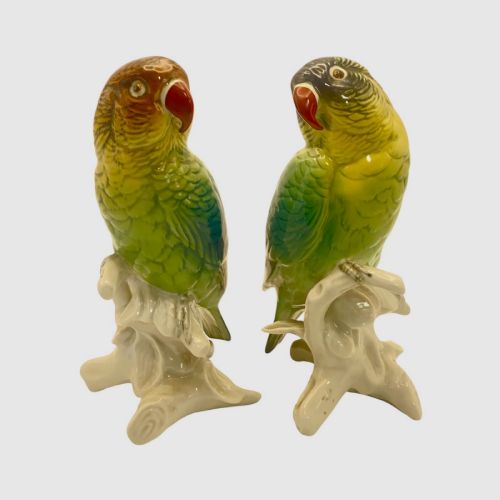
Makers combine materials by mounting wooden carvings on brass stands or placing pottery owls on ebonised bases to create stable display pieces.
Styles represented include Art Deco, Vienna Bronze, Victorian, Edwardian, Animalier, Folk Art, Mid-Century British, and Art Nouveau.
What varies in quality
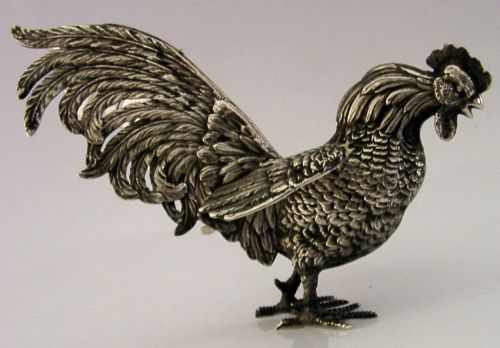
Quality rests in the fidelity of the naturalistic detail and the crispness of the casting or carving, particularly around feathers, beaks, and claws. Hand-painted cold-painted bronzes and pottery studies separate themselves through the preservation of original pigment and delicate colouration.
Substantial weight in solid silver or bronze pieces denotes superior material substance, whereas finer glass figurines depend on the clarity of the moulding and tactile surface texture.
Carl Kauba·Franz Bergman·Karl Ens·Frederique Cederlund-Ozanne·Rene Lalique·Zoldan Kovats
The Vintage Bird Figurine Glossary
- Cold-painted bronze
- A technique where bronze castings are painted with polychrome oil paints and heated to set the finish. This method is notably associated with Austrian workshops.
- Animalier
- A nineteenth-century artistic movement focusing on the realistic depiction of animals. Sculptors in this style captured the anatomy and movement of wildlife.
- Vienna Bronze
- Small, highly detailed bronze sculptures produced in Austrian foundries during the late nineteenth and early twentieth centuries. They frequently depict birds and animals.
- Pin cushion
- A small domestic object incorporating a padded textile area designed to hold sewing pins. In silver or metal forms, the base often takes the shape of a bird.
- Paperweight
- A heavy decorative object placed on loose papers to prevent them from scattering. Moulded glass and heavy metal figures frequently serve this practical function.
Vintage Bird Figurine: Frequently Asked Questions
How do I identify cold-painted bronze?
Examine the surface under magnification to look for remnants of polychrome paint applied over a bronze casting. Wear patterns often reveal the warm metal tone beneath the coloured finish.
Austria produced the majority of these detailed animal studies during the late nineteenth and early twentieth centuries.
Were these figures meant for display?
Many served dual purposes as paperweights, desk ornaments, pin cushions, or novelty pill boxes. Others functioned purely as cabinet sculptures or table centerpieces.
Their varied scale allowed them to sit comfortably on writing desks, sideboards, or mantlepieces.
What materials are most common?
Bronze, sterling silver, carved wood, and moulded glass appear frequently across the available selections. Brass, pottery, and painted papier-mâché also feature in various regional traditions.
Silver examples often incorporate hallmarks that help pinpoint their exact year of manufacture.
How do Art Deco pieces differ from Victorian ones?
Art Deco bird figurines lean towards streamlined geometries, stylised plumage, and materials like frosted glass or sleek bronze. Victorian and Edwardian examples prioritise ornate realism, detailed hand-painting, and traditional taxidermy-inspired poses.
Nineteenth-century works frequently utilise heavy cast bronze or solid silver.