


Vintage Bentwood
Vintage bentwood pieces are steam-shaped wooden furnishings offering lightness and resilience, prized for domestic utility and clean silhouette.
Vintage Bentwood
Vintage bentwood encompasses seating, tall stands, and smaller items produced primarily across the nineteenth and twentieth centuries. Buyers search this phrase to find functional objects defined by curves that reject rigid joinery.
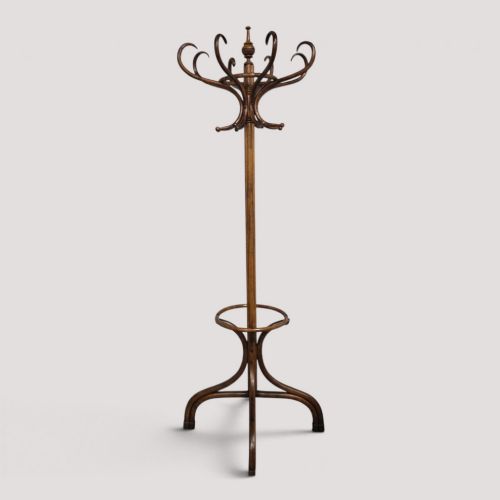
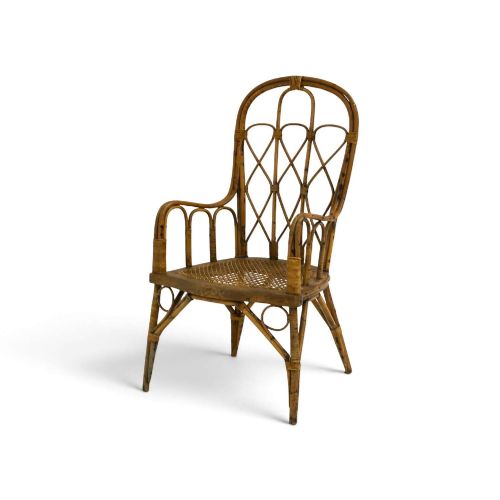
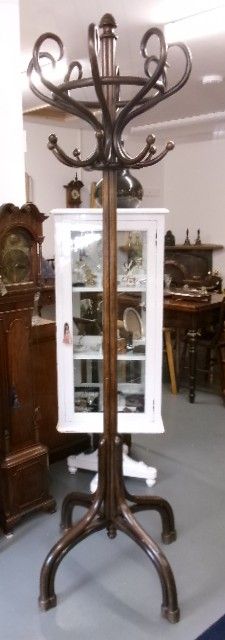
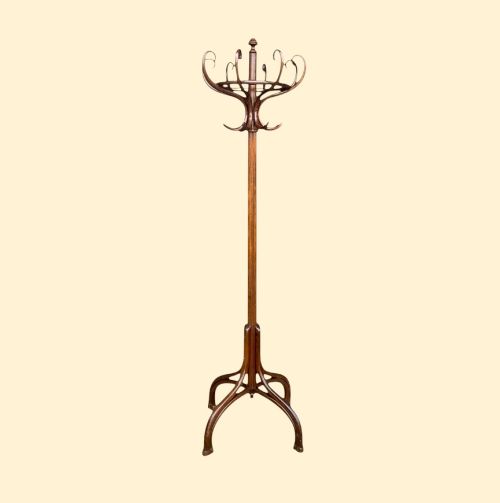
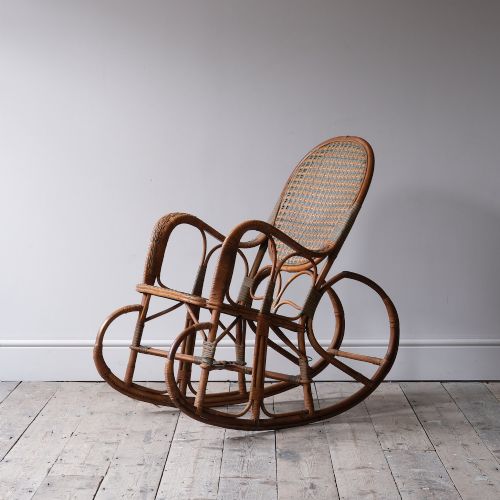
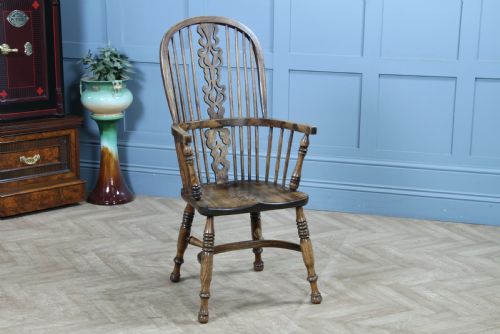
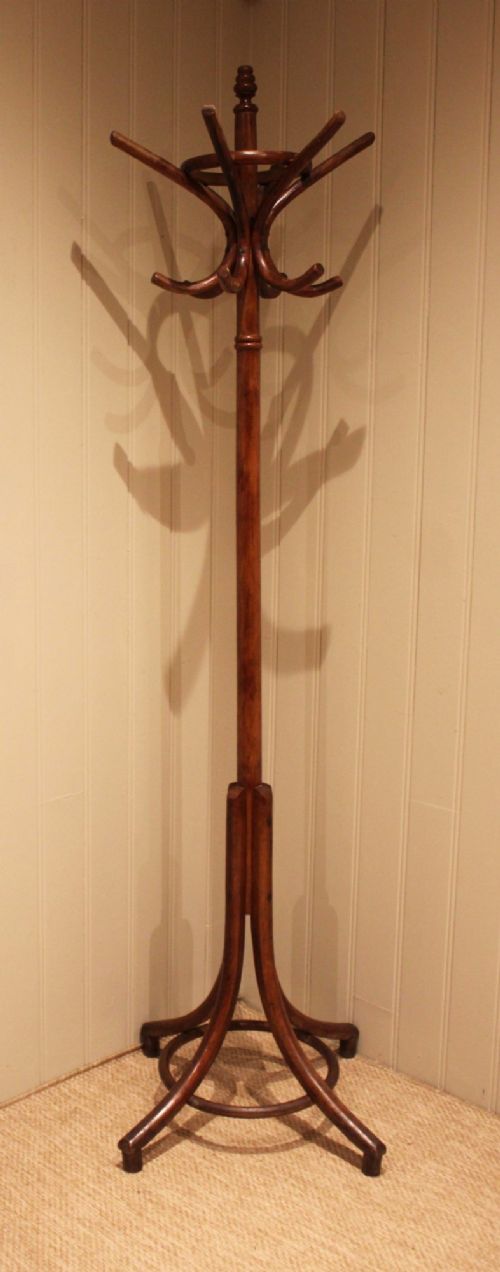
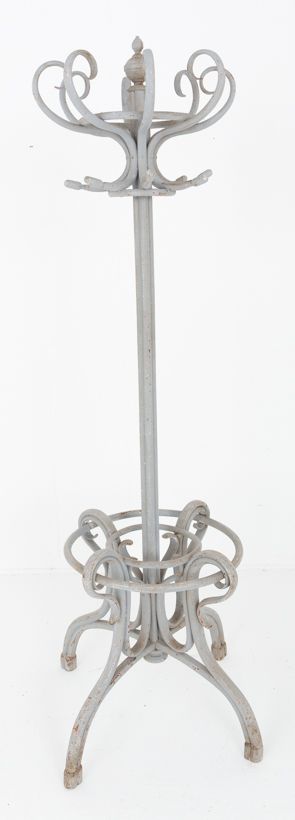
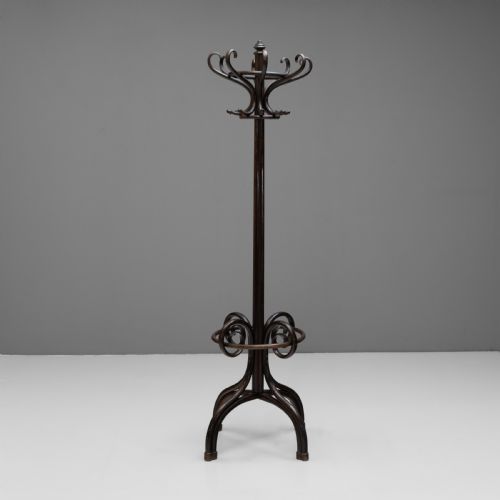
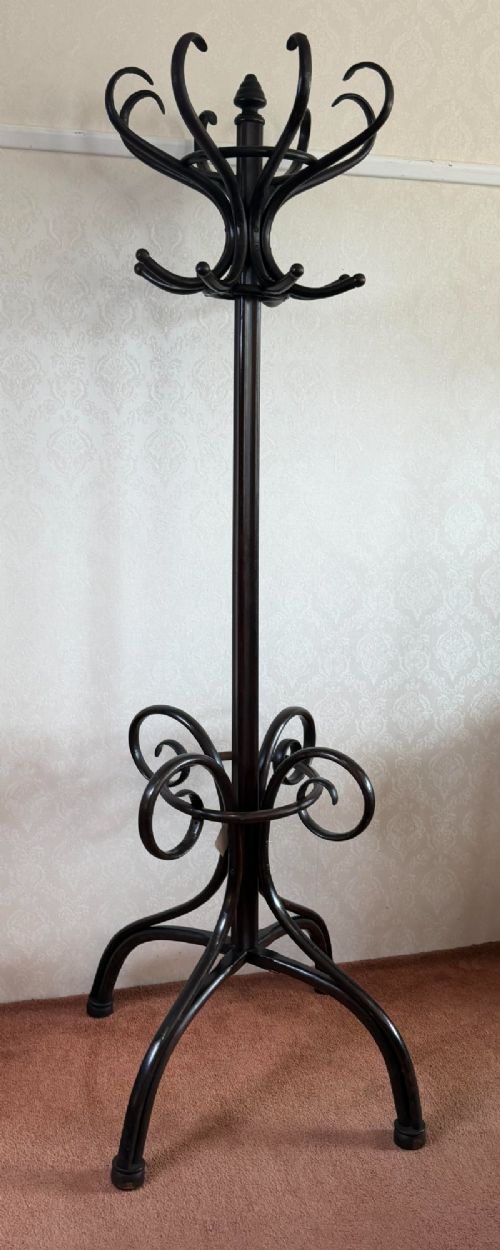
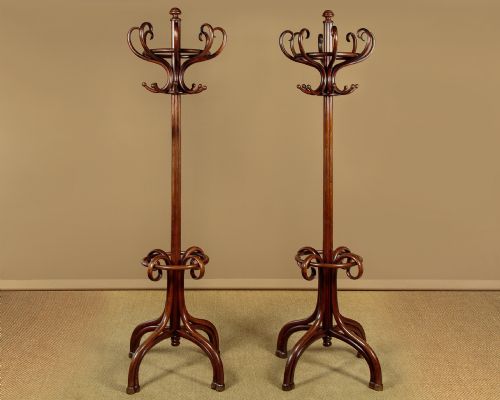
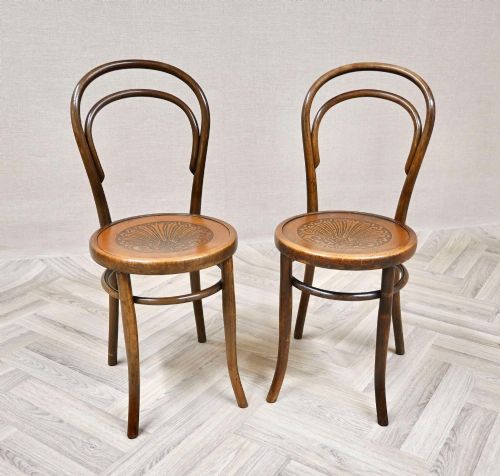
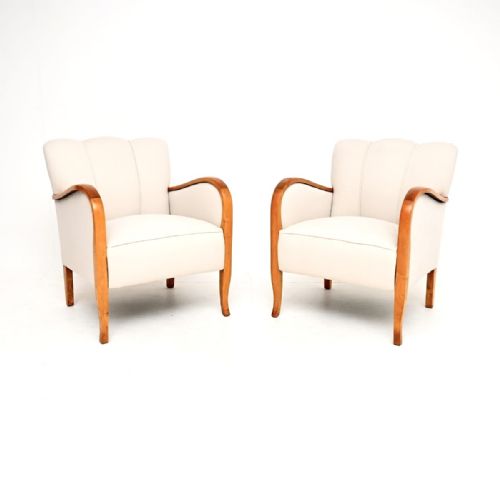
The versions met most frequently on this page include bistro chairs, armchairs, rocking chairs, and vertical coat stands. These originate from various European workshops spanning the Victorian, Edwardian, Art Nouveau, and Art Deco periods.
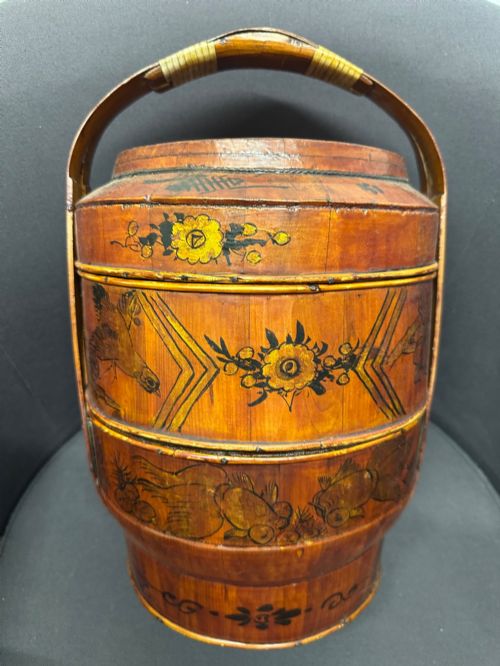
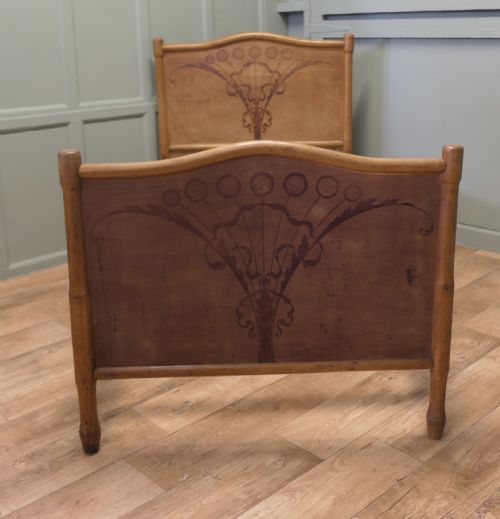
Form follows the capacity of steam to soften timber into continuous loops and arcs. Tables and storage items also appear, demonstrating how diverse domestic furnishings adopted this manufacturing method.
How they were made
Makers utilised solid timber, predominantly beech and beechwood, subjected to moisture and high heat within steam boxes. This process plasticised the cellulose fibres so workers could bend the wood around metal formers without breaking the grain.
Plywood and leather frequently supplement the main frame, particularly for seat panels and desk chair upholstery. Iron hardware provides structural bracing and rotational movement on swivel models, while cane and rattan weave flat or patterned surfaces.
Vintage Bentwood Retail Price Guide 2026
Typical asking prices for vintage bentwood among the pieces listed under this phrase on Sellingantiques today, from the lower quarter to the upper quarter. They describe what is for sale here now, not the wider market.
Rotating hall stands allowed Victorian visitors to spin the entire furniture piece to find an empty coat hook.
What varies in quality
Construction integrity distinguishes standard utilitarian items from finer workshop productions. The tightness of the radius achieved during steam bending without crushing the outer fibres indicates superior skill.
Makers integrated decorative pressed plywood seats or detailed turnings that elevate individual pieces above plain utility. Retained paper labels, stamped makers' marks, and specific hardware configurations provide evidence of origin and workshop standard.
Thonet·Jacob and Joseph Kohn·Codina·Heals·Harry and Lou Epstein
The Vintage Bentwood Glossary
- Bentwood
- Wood that has been rendered pliable by steam and shaped into curves. This technique eliminates traditional heavy mortise and tenon joints in favour of continuous lines.
- Beech
- A dense, pale hardwood favoured for bentwood furniture due to its exceptional response to steam. It holds tight curves without splitting.
- Bistro chair
- A lightweight dining or café chair designed for commercial hospitality spaces. These typically feature circular seats and hoop-shaped backrests.
- Demi-lune
- A half-moon shape applied to hall stands and coat racks designed to sit flat against a wall. This profile saves floor space in narrow hallways.
- Vienna Secession
- An artistic movement formed in eighteen ninety-seven that rejected historicism in favour of geometric lines and functional design. Makers associated with this group produced pared-back bentwood furniture.
Vintage Bentwood: Frequently Asked Questions
How do I identify a Thonet bentwood piece?
Look for stamped maker marks, paper labels beneath the seat, or characteristic numerical model designations impressed into the wood.
Original pieces also display specific screw configurations and hand-caned or pressed plywood seat patterns associated with the firm's historical production.
Were bentwood items only used in cafes?
While famous for café seating, bentwood techniques were applied to domestic armchairs, rocking chairs, and tall hall stands for hats and coats.
Various European homes utilised these items in studies, bedrooms, and hallways because their lightweight frames suited domestic mobility.
How should I clean vintage bentwood?
Dust surfaces regularly with a dry cloth and apply occasional clear wax to nourish the exposed wood grain.
Avoid soaking the timber in water or placing items near intense heat sources that might dry out the steam-bent joints.
What is the difference between a hall stand and a coat rack?
Hall stands are freestanding furniture pieces combining vertical umbrella storage, coat hooks, and sometimes a mirror or small compartment.
Coat racks generally refer to wall-mounted timber rails featuring attached metal hooks designed purely for hanging garments.