

Vintage Bentwood Stand
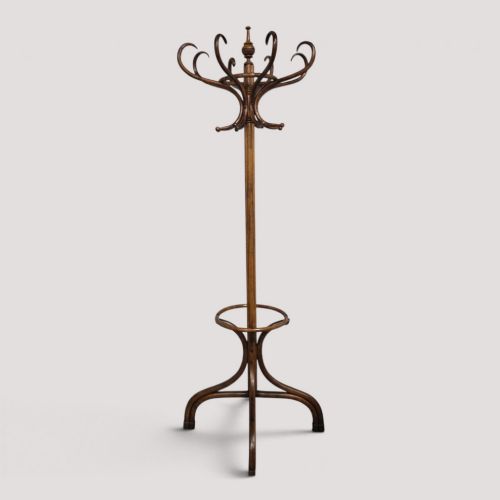
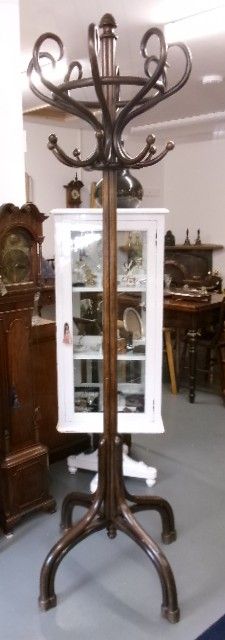
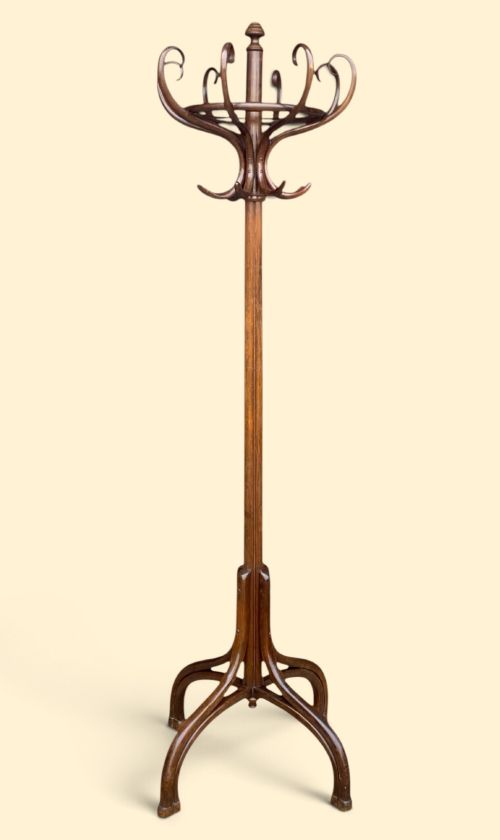
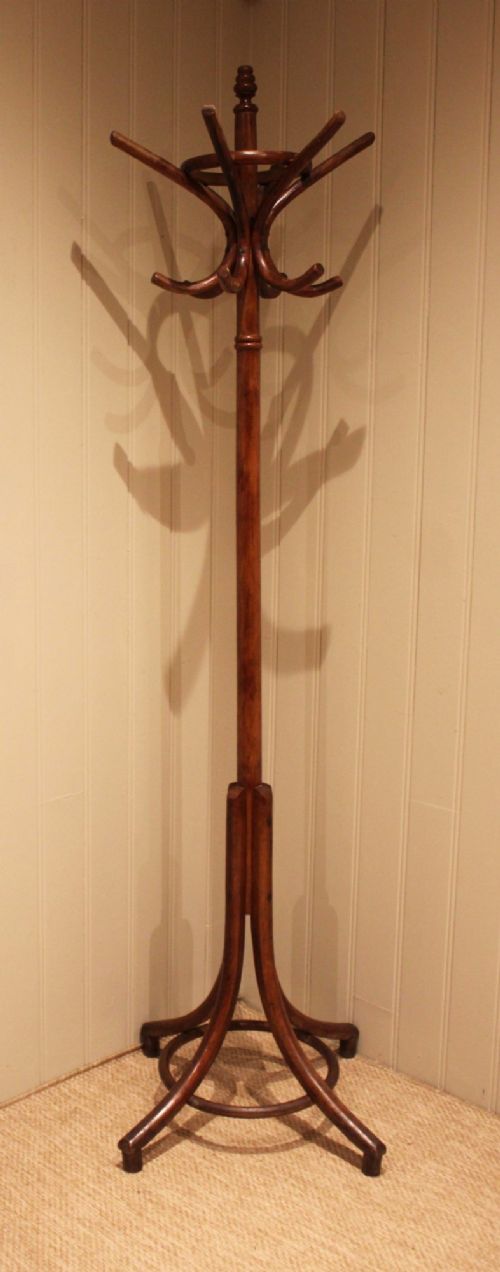
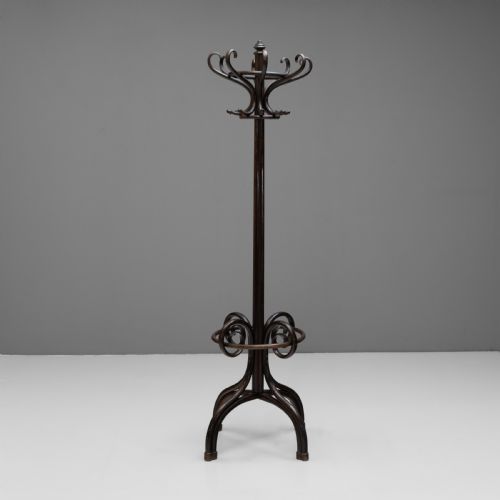
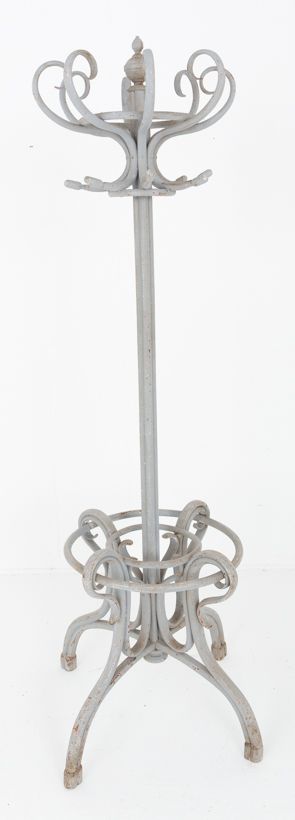
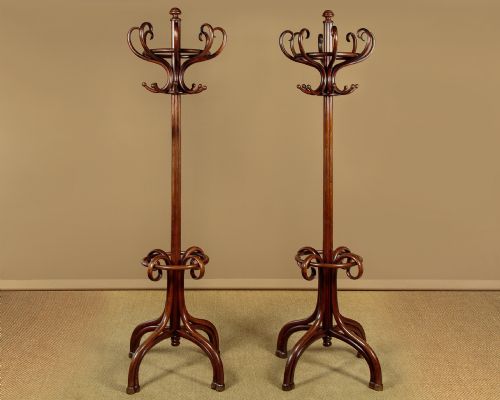
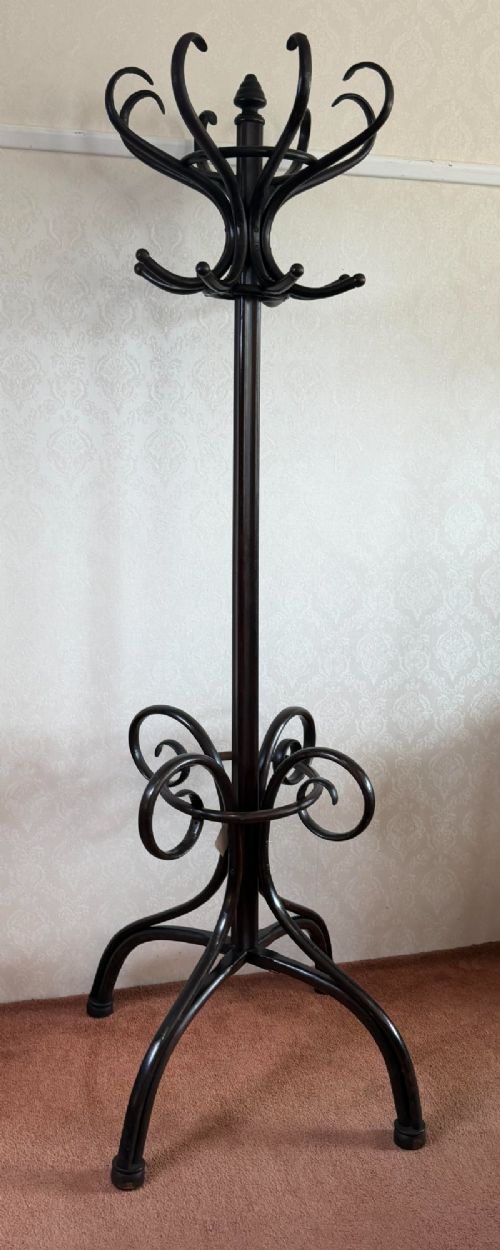
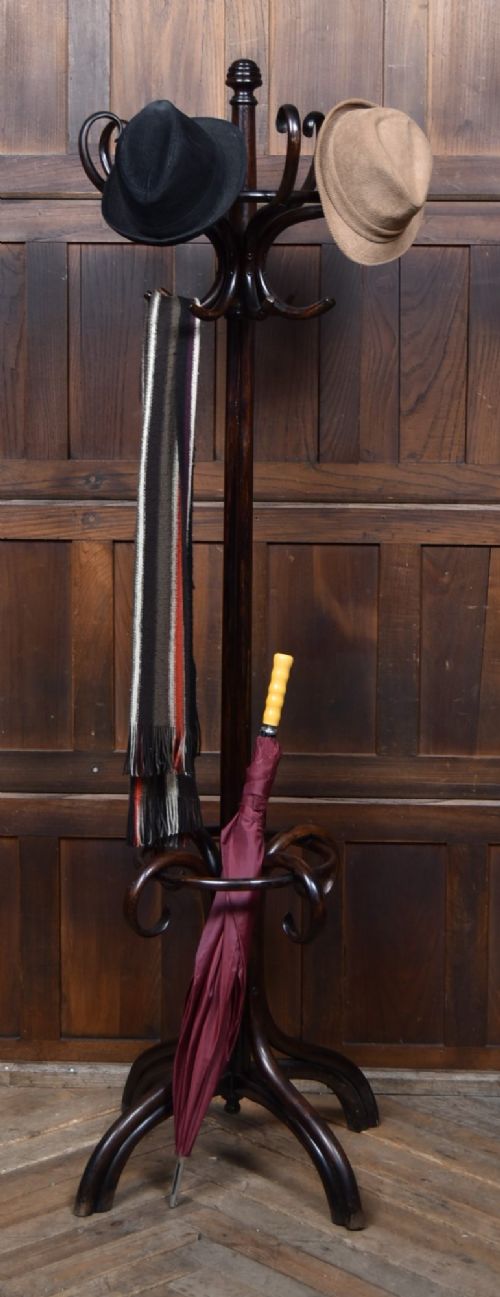
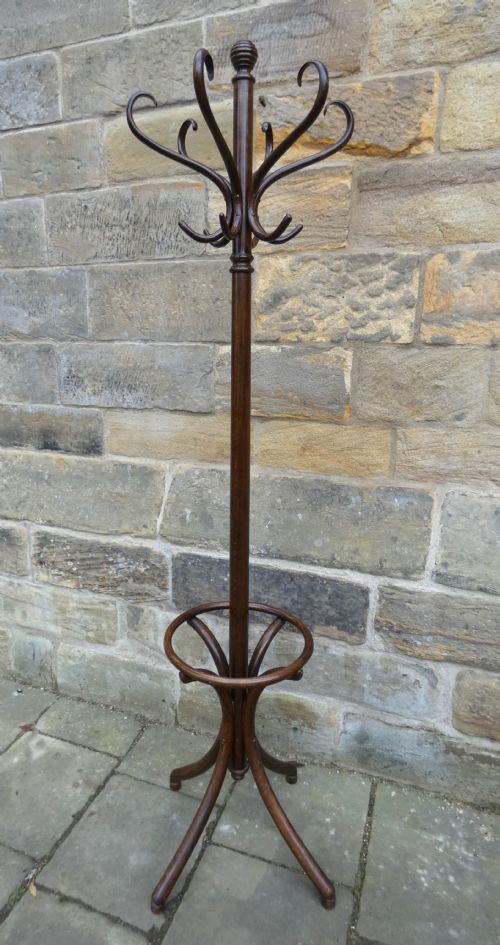
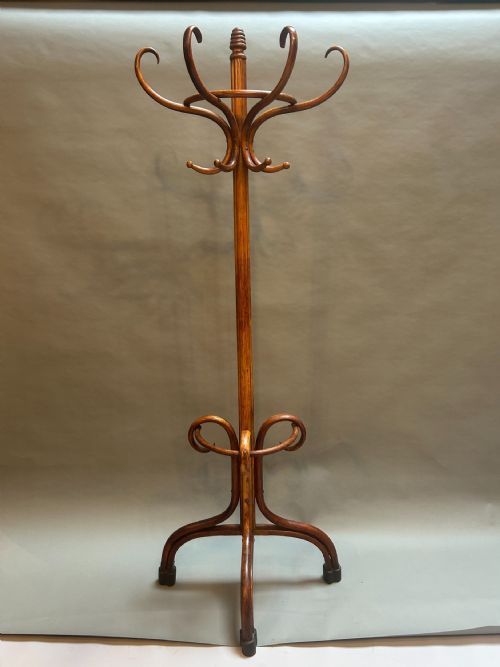
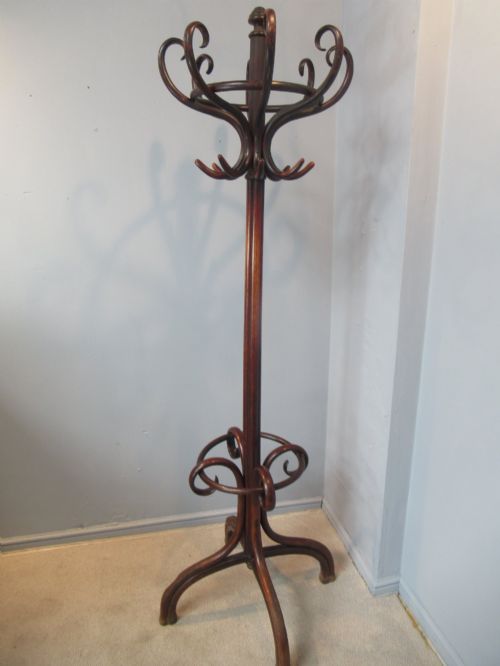
A vintage bentwood stand brings graceful, steam-bent curves to an entrance hall, offering sturdy vertical storage for hats, coats and sticks.
Vintage Bentwood Stand
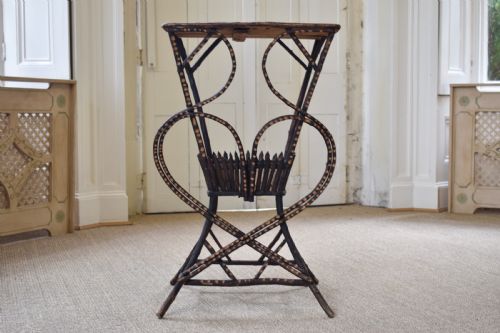
When searching for a vintage bentwood stand, buyers encounter tall vertical furniture designed for hallways, including coat stands, hat stands, and umbrella stands, alongside occasional side tables. These pieces date from the nineteenth century through the early twentieth century, spanning the Victorian and Edwardian periods.
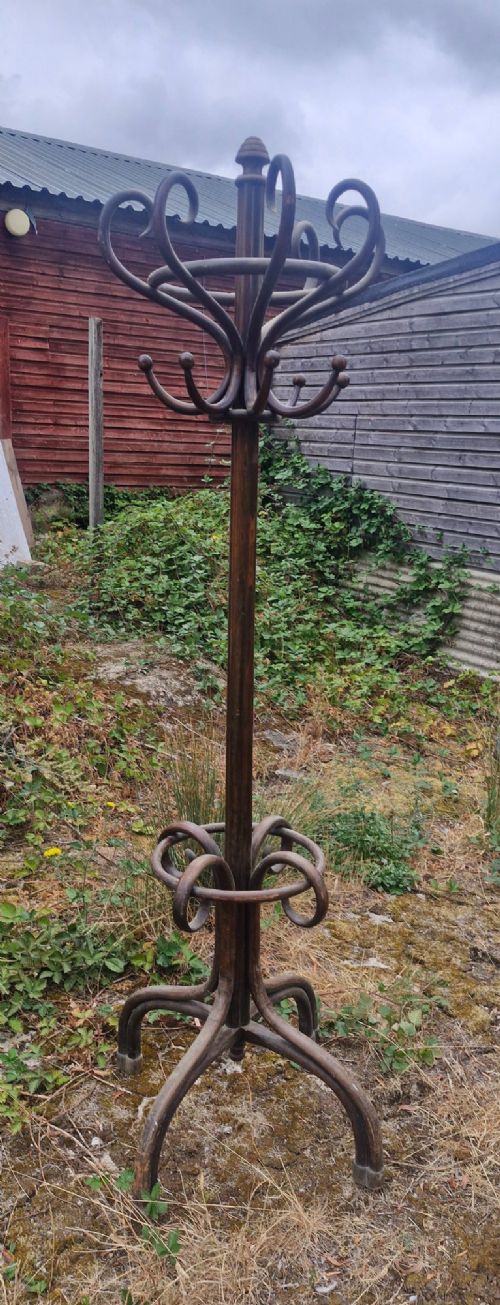
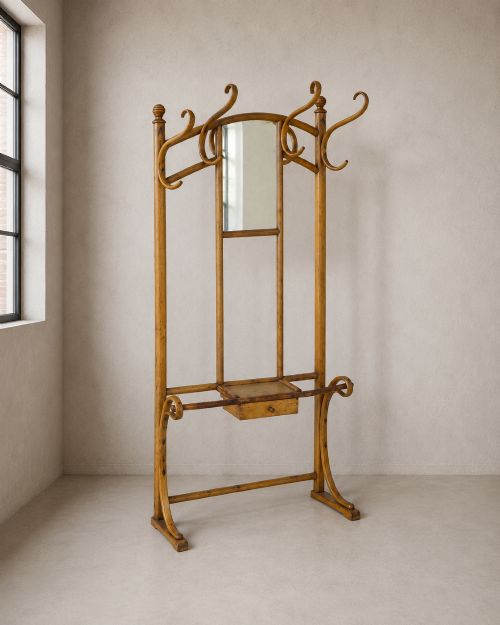
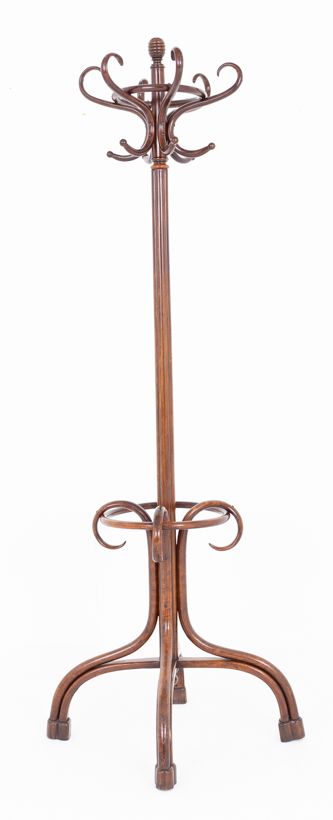
The most common forms on this page are tall hat and coat stands featuring curved wooden hooks and circular umbrella rings. Examples range from half-round demi-lune hall stands to revolving designs and models incorporating mirrors or marble segments.
What varies in quality
The distinction between standard production and fine quality rests on the complexity of the turned woodwork and the presence of double tops or rotating mechanisms. Finer examples display symmetrical steam curves that retain their tension without sagging under heavy outerwear.
Attribution to documented makers elevates a piece, as marked factory stamps indicate superior grading of the bent beech components and more robust base construction designed for daily hallway use.
Vintage Bentwood Stand Retail Price Guide 2026
Typical asking prices for vintage bentwood stand among the pieces listed under this phrase on Sellingantiques today, from the lower quarter to the upper quarter. They describe what is for sale here now, not the wider market.
Some Victorian hall stands included dedicated compartments for shaving jugs, bowls, and curling tongs right next to the walking sticks.
Thonet·Fischel
The Vintage Bentwood Stand Glossary
- Bentwood
- Wood shaped by applying moisture and heat to make it pliable. This technique allows makers to create characteristic smooth curves without traditional joinery.
- Demi-lune
- A half-moon shape. Hall stands built with this profile sit flat against a wall to save floor space.
- Thonet Style
- Furniture mimicking the curved designs popularised by the nineteenth-century Austrian manufacturer. These pieces use similar steam-bent beech techniques.
- Revolving hall stand
- A freestanding coat rack featuring a rotating upper section. This allows users to access hats and coats from all sides without moving the base.
Vintage Bentwood Stand: Frequently Asked Questions
How do I assemble a bentwood coat stand?
Most antique bentwood stands utilise threaded wooden or metal screw joints that connect the central pole to the base and top crown. Twisting the components together aligns the hanging hooks.
Care must be taken not to over-tighten older dry threads, as the aged beechwood can split under excessive rotational pressure.
Can a bentwood hall stand support heavy coats?
Original bentwood coat stands were engineered for heavy Victorian and Edwardian garments, utilising sturdy steam-bent hooks and weighted bases. Distributing heavy overcoats evenly across the upper tier maintains stability.
Piling all garments on one side can cause the tall vertical frame to tilt or strain the lower collar fixings.
How do I clean a stained wood stand?
Dust the curved surfaces regularly with a soft dry cloth to prevent grit accumulation in the tight bends. Periodic application of a neutral beeswax feed preserves the original wood stain without softening the finish.
Excess moisture should be avoided, particularly on nineteenth-century pieces where the historic varnish or paint may be sensitive to liquid.
Where should I place a hall stand?
Hall stands suit entrance spaces, corridors and reception areas where vertical storage for hats, umbrellas and coats is practical. Wall-standing designs require placement against a stable vertical surface for extra support.
Keeping the stand away from direct heat sources prevents the steam-bent beech from drying out and losing its structural tension.