
Vintage Bentwood Hat Tree
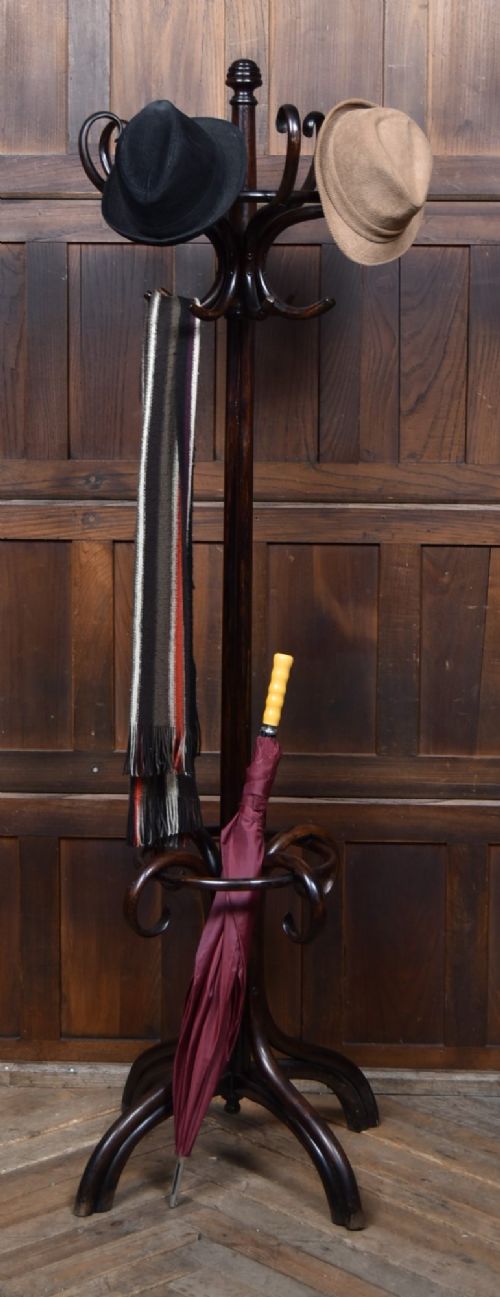
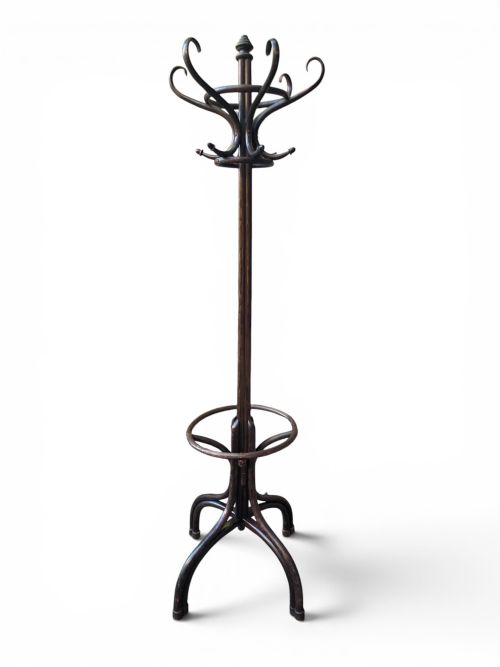
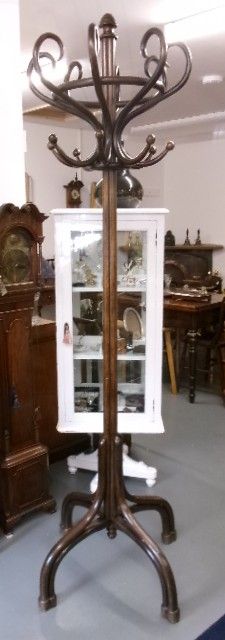
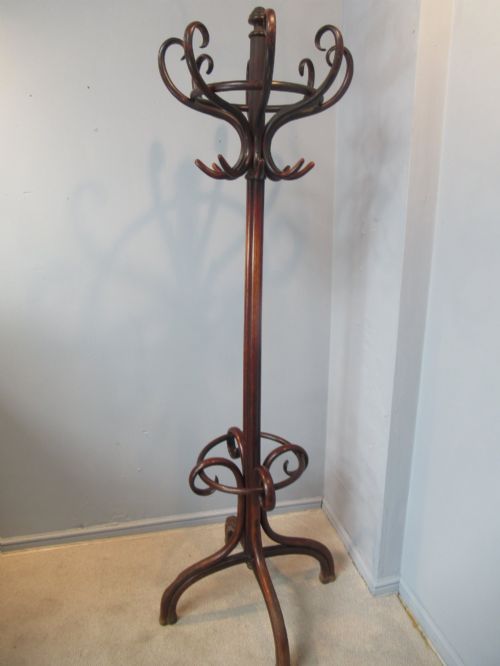
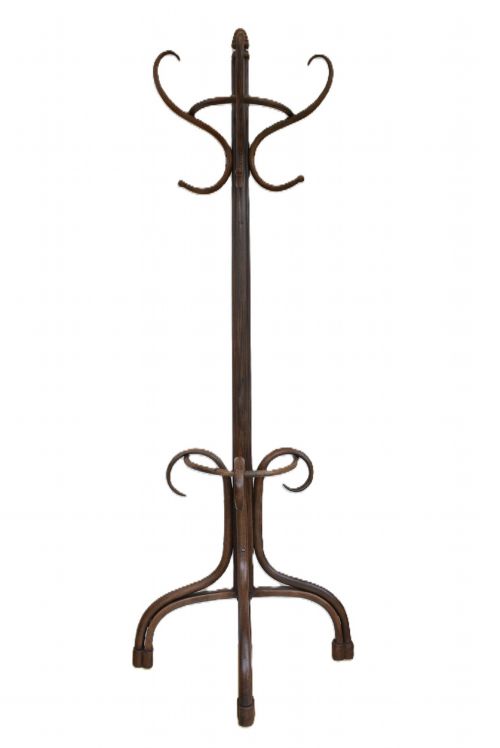
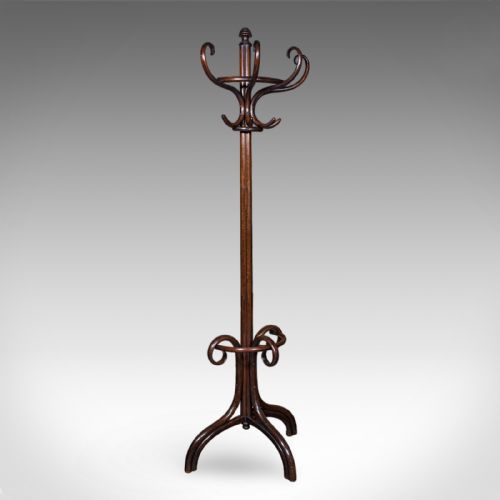
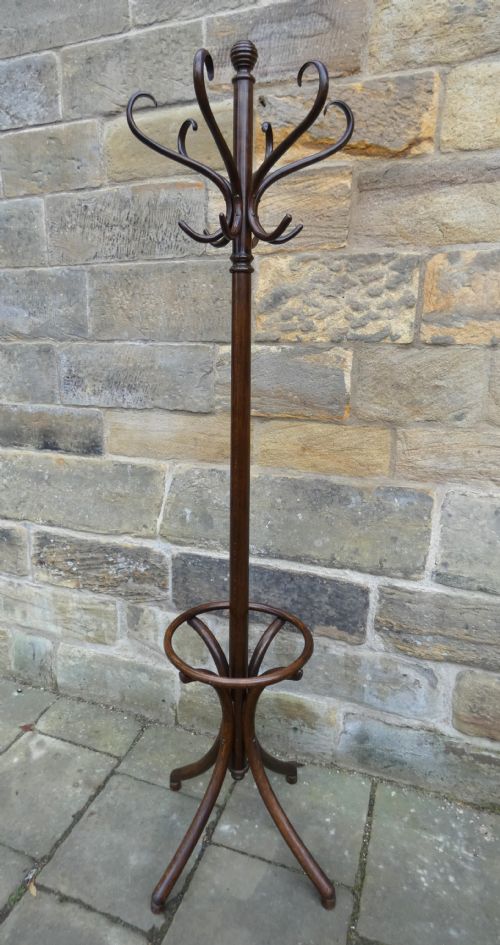
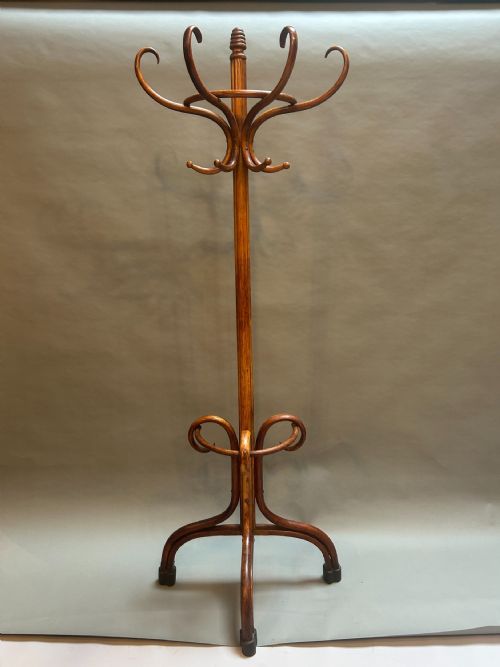
A vintage bentwood hat tree brings light, curving posture and reliable hallway storage straight from the late nineteenth and early twentieth centuries.
Vintage Bentwood Hat Tree
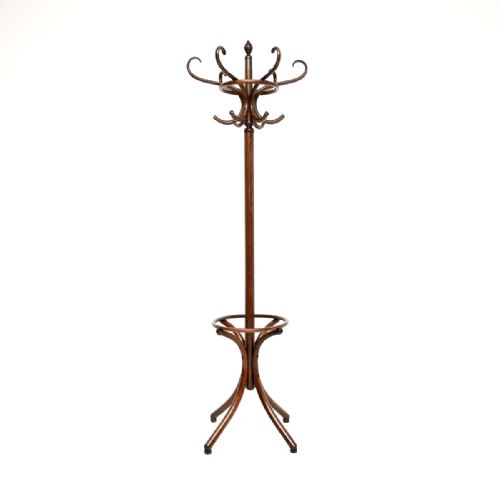
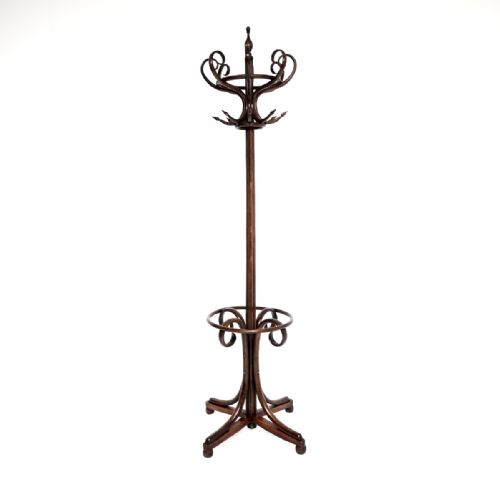
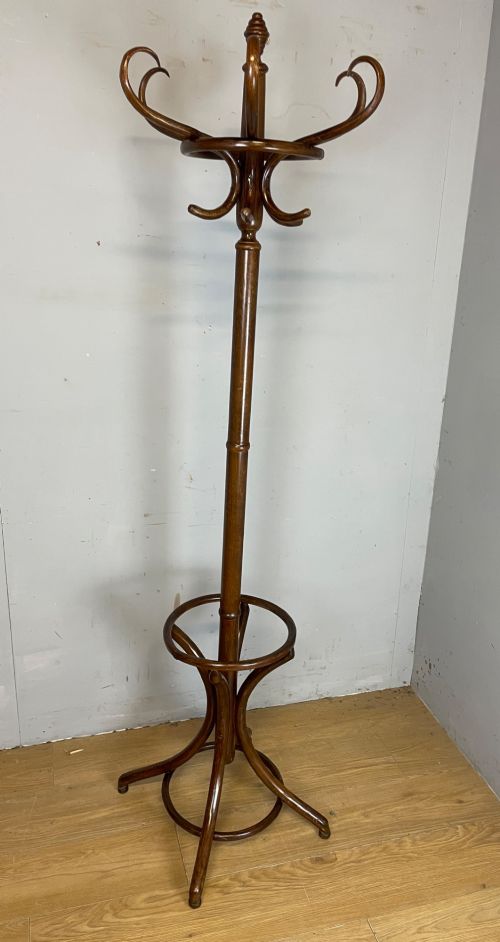
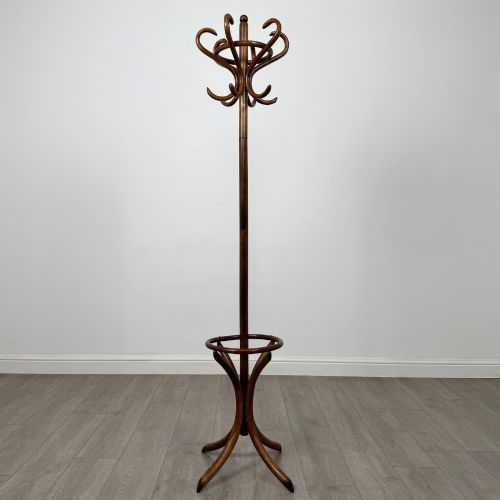
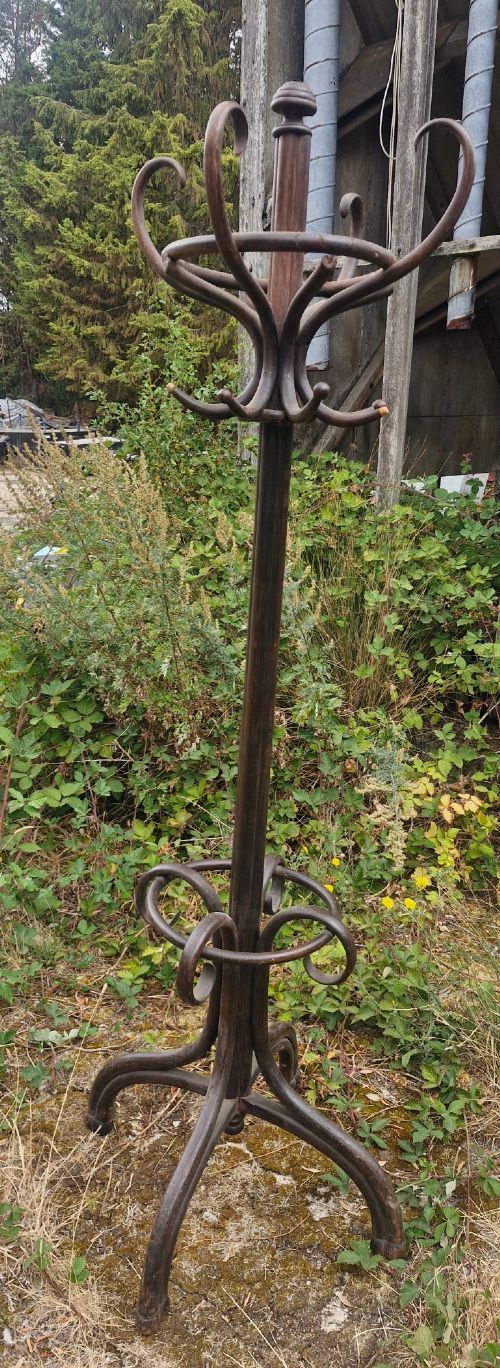
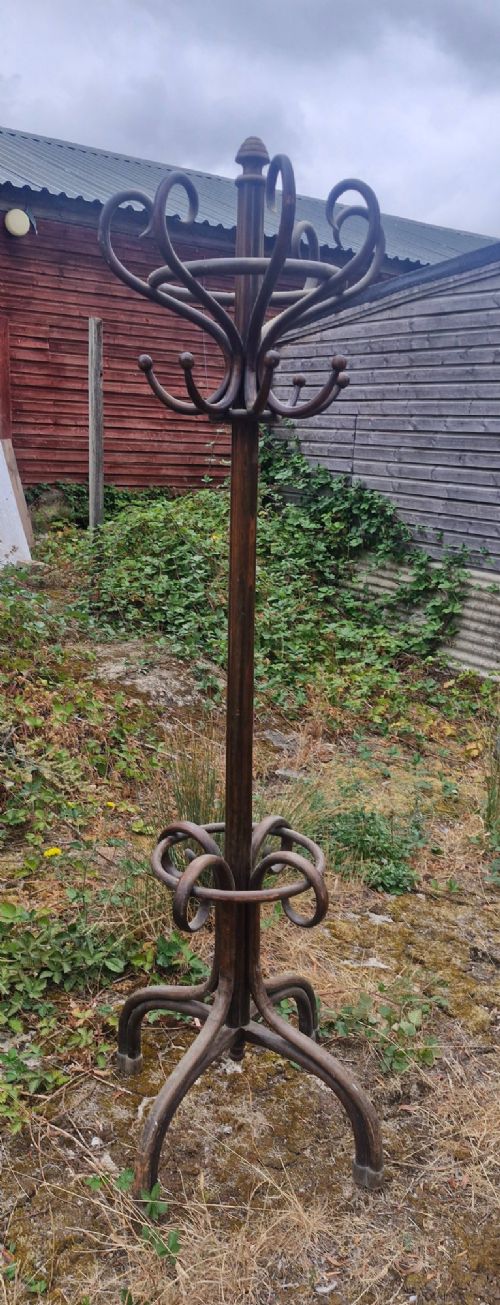
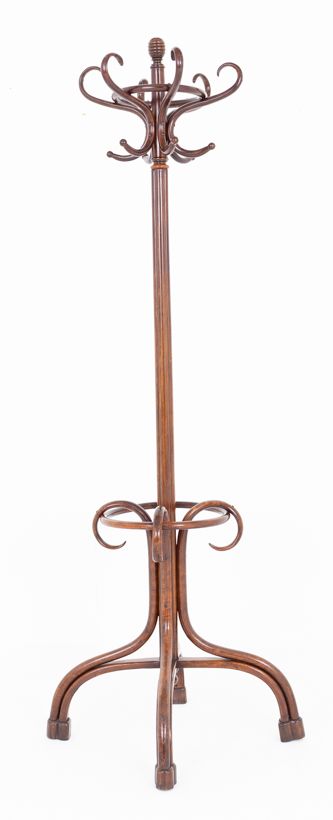
A vintage bentwood hat tree serves as a vertical stand designed for hanging coats, hats, and sticks in a hallway or entryway. These pieces span the Victorian, Edwardian, and early twentieth-century periods, showing forms like half-round demi-lune designs and revolving stands.
The objects meet a buyer looking for slender, organic woodwork that organises cloaks and headwear without crowding a narrow passage. Most examples found here date from the 1880s through the 1930s, reflecting Austrian production and Thonet style methods.
How they were made
Craftsmen shaped solid beech and beechwood by steaming the timber until pliable, then bending it within metal forms to achieve signature curves. This method created strong, resilient frames joined with minimal hardware.
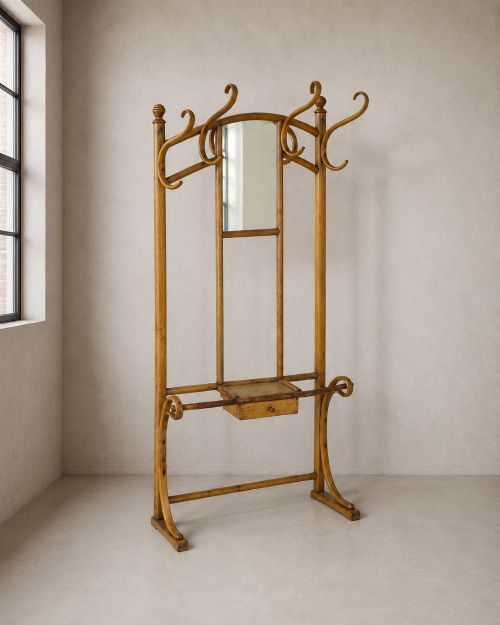
Surfaces received treatments of wood stain, including honey-coloured finishes and glass elements on specific variants, protecting the timber while highlighting the natural grain of the bentwood.
The inventory includes half-round demi-lune shapes, revolving designs, and double top variations attributed to Austrian production.
What varies in quality
The distinction between standard examples and the finest pieces rests on the complexity of the scrollwork and the robustness of the double top or revolving mechanism. Maker attribution, such as labels from known workshops, elevates certain stands above anonymous production.
Structural integrity depends on the original integrity of the steam bends and the tightness of the joints, where heavier gauge timber provides greater stability for daily use.
Fischel·Thonet
The Vintage Bentwood Hat Tree Glossary
- Bentwood
- Wood that has been shaped by exposure to steam and bending. This technique produces continuous flowing curves without weak joints.
- Demi-lune
- A half-round shape utilised in hall stands designed to sit flat against a wall. This profile saves floor space in compact entryways.
- Thonet style
- Furniture following the pioneering manufacturing methods of Michael Thonet. It relies on steam-bent solid beech components.
- Hall tree
- A freestanding piece of furniture placed in an entrance hall for hanging garments and storing accessories. It often incorporates mirror panels or umbrella rings.
Vintage Bentwood Hat Tree: Frequently Asked Questions
Where should a bentwood hat tree go?
These vertical stands suit entrance halls, corridors, and cloakrooms where floor space is limited. Their narrow footprint allows them to hold coats and hats close to the wall.
Placing one near a front door keeps everyday outerwear accessible while displaying period woodwork to visitors.
How do I identify a Victorian hat tree?
Victorian and nineteenth-century examples often feature darker stained wood, deep scrollwork brackets, and robust turned central columns. They frequently date from the 1880s or 1890s and carry traditional Victorian proportions.
Later Edwardian and 1930s pieces tend toward lighter honey-coloured finishes and simpler configurations like half-round demi-lune shapes.
Can these stands hold heavy winter coats?
Solid beech construction and steam-bent curves provide considerable natural strength for daily garment storage. Heavier quality stands from around 1900 handle multiple heavy coats and hats without tipping.
Distributing weight evenly across the upper hooks helps maintain the balance of the central column.
What is a revolving hall stand?
A revolving hall stand incorporates a rotating upper tier that turns on its base. This design allows users to access coats and hats hanging on different sides without moving the entire piece.
Such variants often bear maker attributions like Thonet and represent more complex manufacturing methods.