

Vintage Bentwood Coat Rack
A vintage bentwood coat rack provides clever hall storage through disciplined steam shaping.
Vintage Bentwood Coat Rack
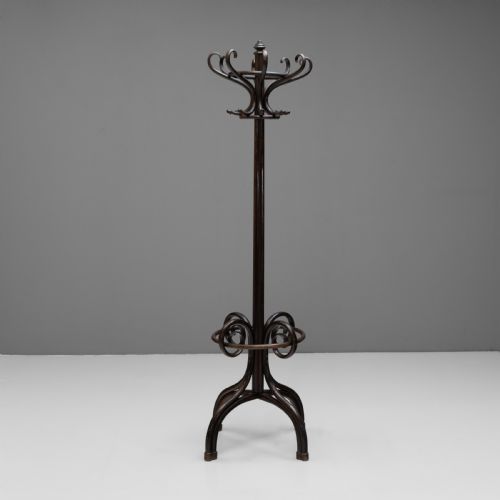
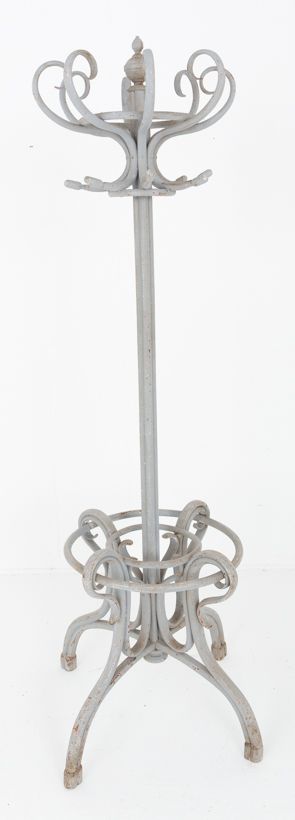
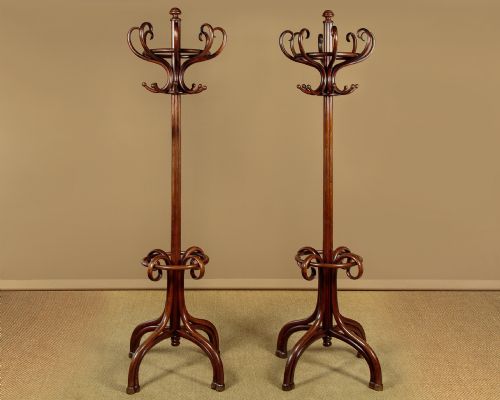
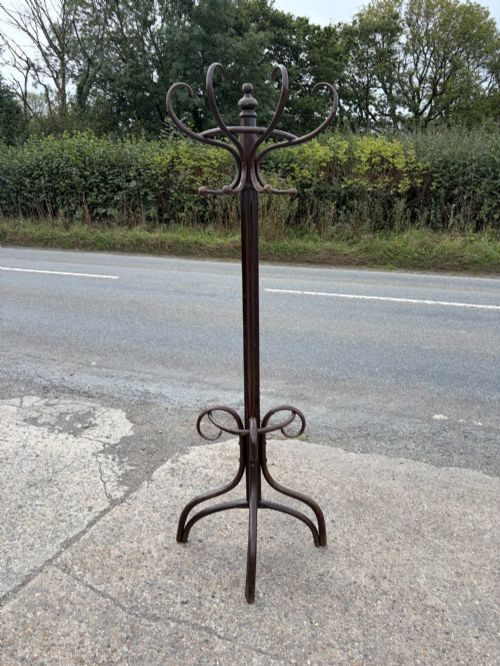
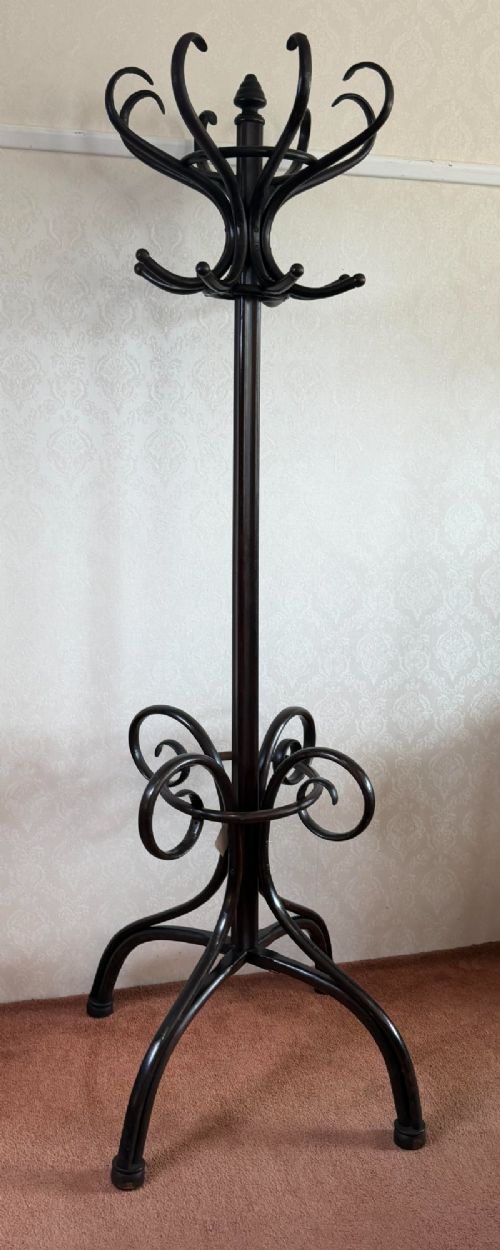
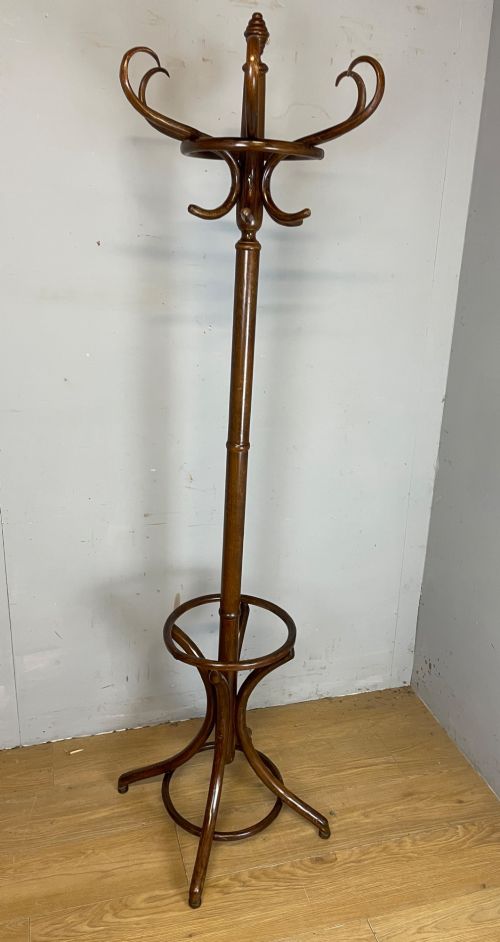
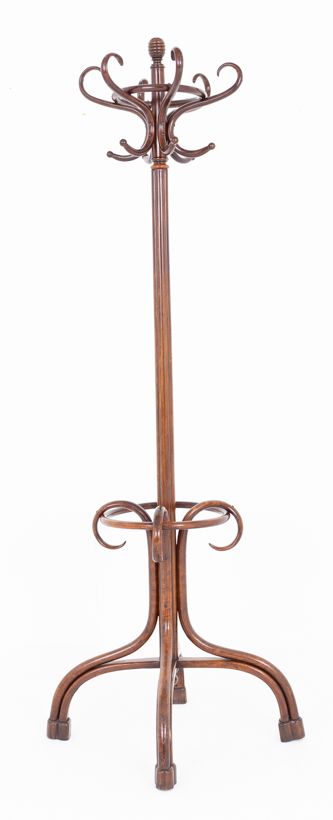
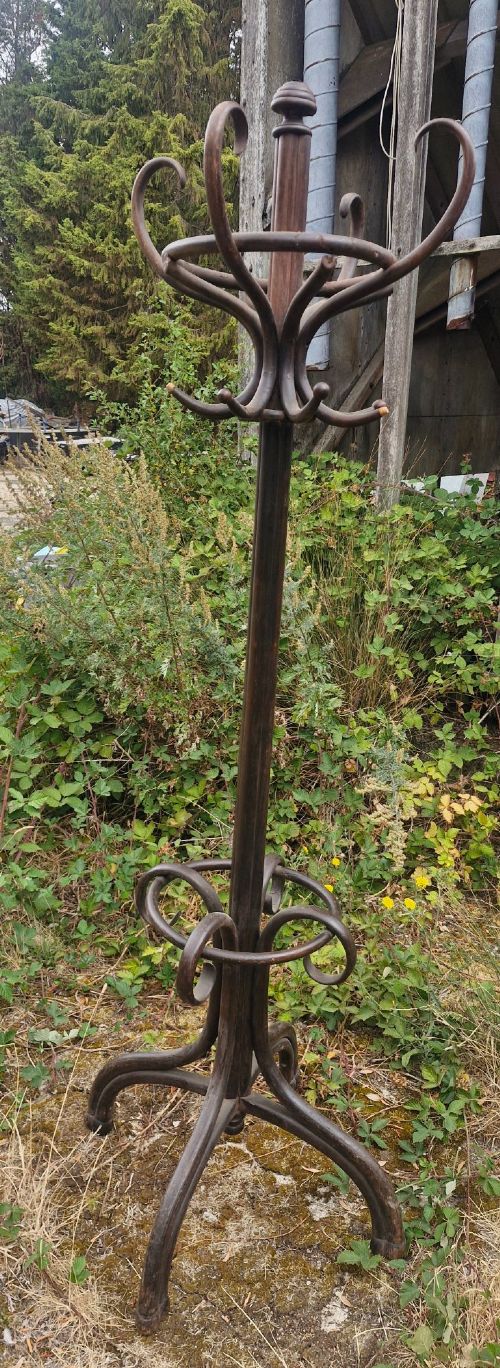
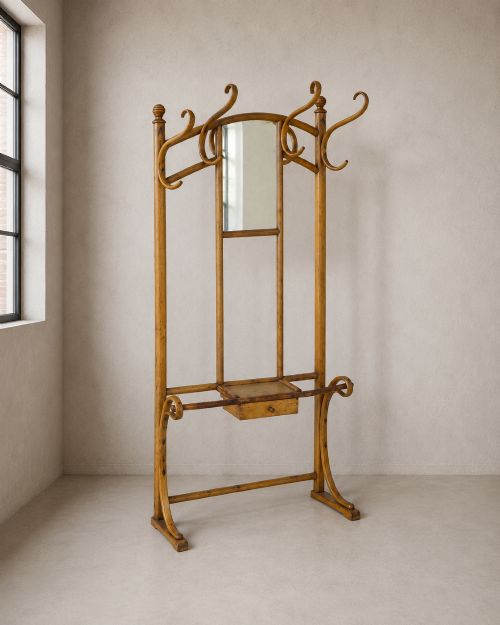
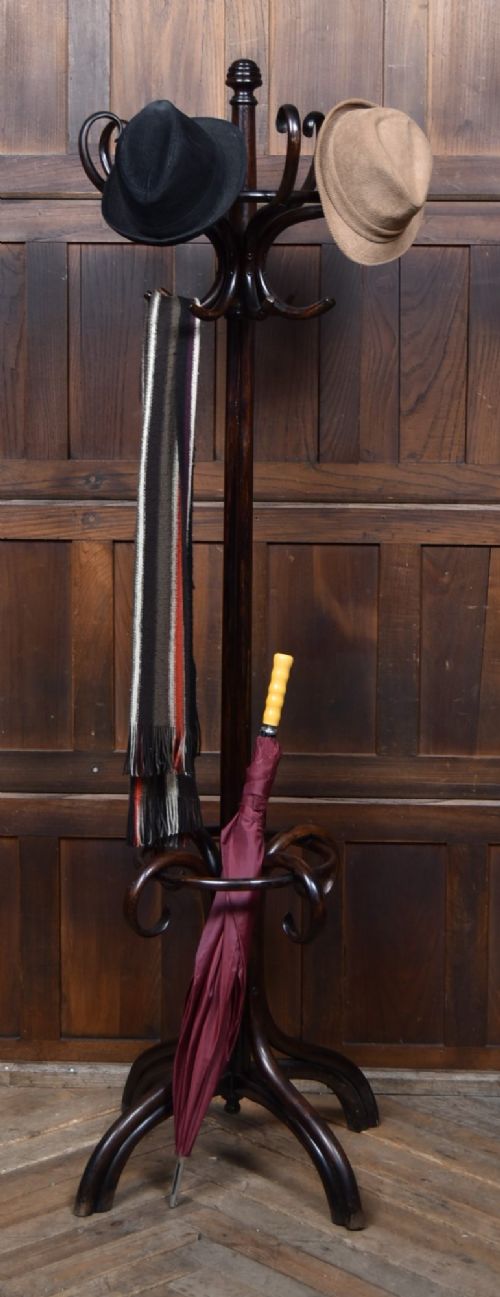
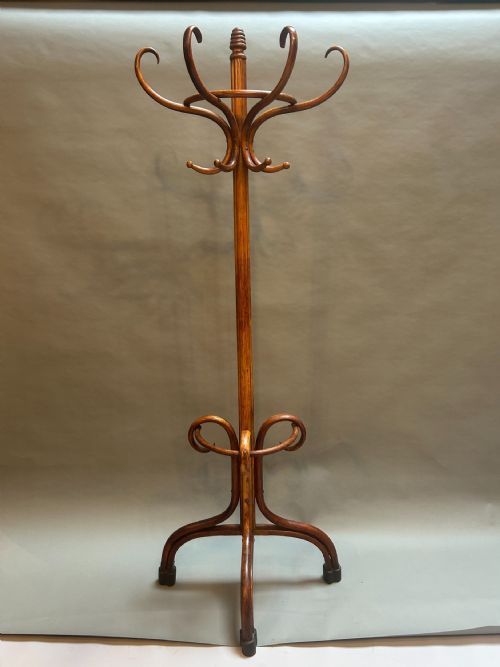
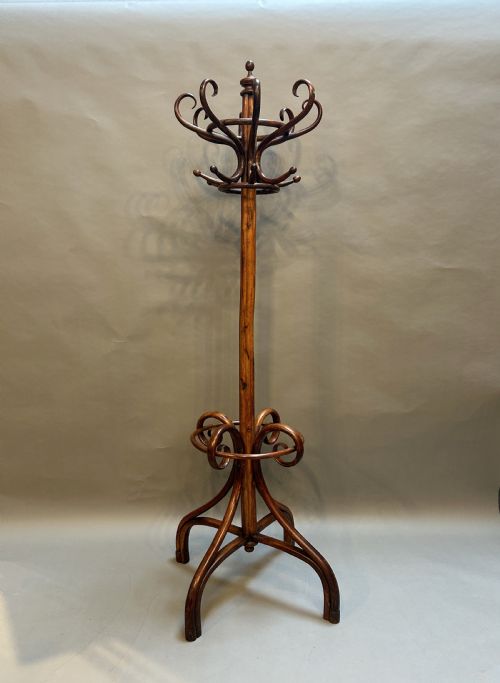
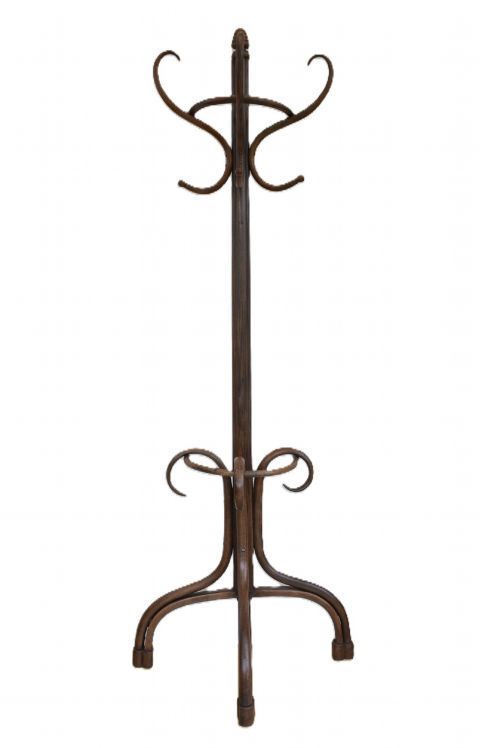
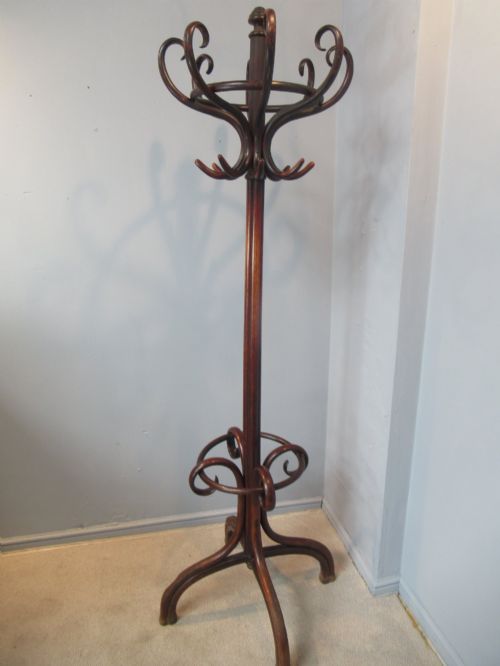
A vintage bentwood coat rack stands ready in the hallway to hold hats, coats, sticks and umbrellas with vertical economy. The form encompasses tall freestanding hall stands alongside wall-mounted coat racks and rows of wooden hooks.
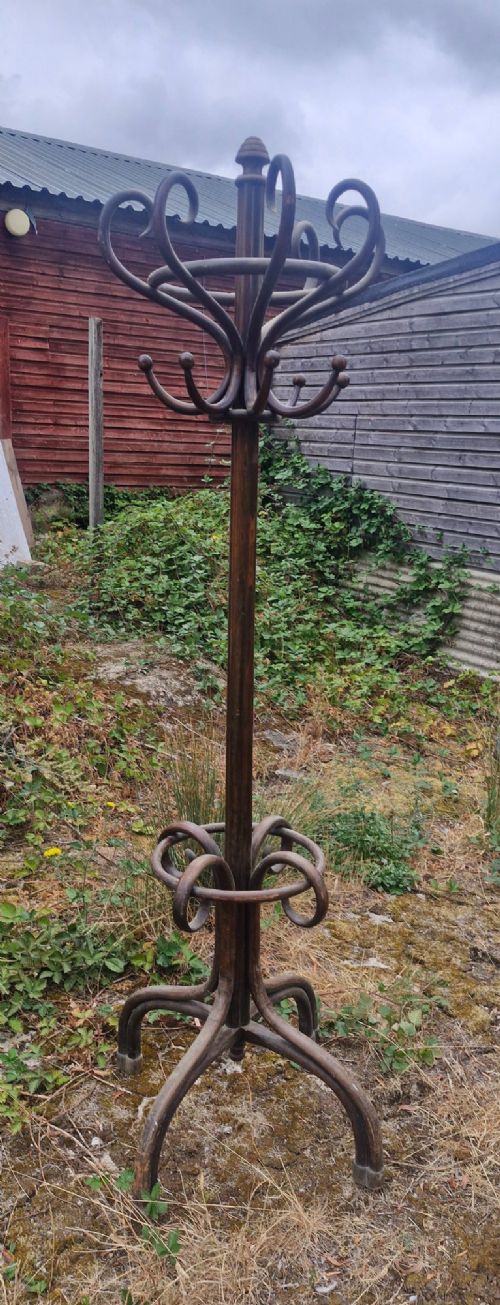
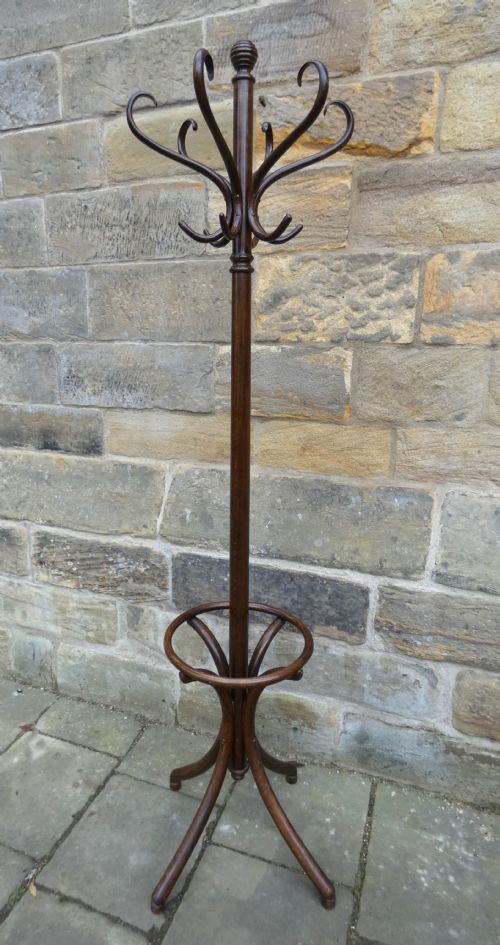
You are most likely to meet tall freestanding hall stands and hat stands dating from around nineteen hundred to the nineteen thirties. These upright pieces frequently feature tiered rings for hats and curved hooks radiating outwards from a central pillar.
The aesthetic bridges late Victorian practicality and Edwardian hallway furniture. Pieces emerge from Austrian workshops and the broader European design tradition, utilising distinctive curved profiles.
Materials and steaming technique
Makers utilised beech and steamed beechwood for its exceptional flexibility under heat and moisture. Timber was subjected to steam boxes until pliable, then bent inside iron forms to achieve permanent curves.
Surface treatments vary from clear wood stain and honey-coloured finishes to painted and ebonised coatings. Glass elements occasionally appear alongside the dominant wood construction to complement the main frame.
Vintage Bentwood Coat Rack Retail Price Guide 2026
Typical asking prices for vintage bentwood coat rack among the pieces listed under this phrase on Sellingantiques today, from the lower quarter to the upper quarter. They describe what is for sale here now, not the wider market.
A revolving stand lets you spin your winter coat in circles like a merry-go-round for hats.
Judging construction and maker distinction
Superior examples demonstrate crisp execution in the steam-bent scrollwork and robust joinery at the rotating or fixed crown. The integrity of the central column and the stability of the lower umbrella ring determine structural longevity.
Attribution to established makers such as Thonet or Fischel elevates an example through documented craftsmanship and refined proportion. The clarity of stamp marks and the complexity of double top designs distinguish the finest output.
Thonet·Fischel
The Vintage Bentwood Coat Rack Glossary
- Bentwood
- Wood shaped by applying steam and pressure to create permanent curved components. This technique defines the entire category of furniture.
- Demi lune
- A half-moon shape allowing certain hall stands to sit flush against an entryway wall. This configuration suits narrow corridors.
- Ebonised
- Wood finished to resemble ebony through dark stain or paint. This treatment offers a formal appearance.
- Thonet style
- Design characteristics originating from the pioneering furniture manufacturer associated with steam-bent timber. Pieces in this manner follow classic Austrian forms.
Vintage Bentwood Coat Rack: Frequently Asked Questions
How do I date a bentwood stand?
Dating relies on stylistic markers, construction methods, and maker marks stamped into the timber. Pieces spanning the late nineteenth century through the early twentieth century often display distinct crown designs and turnings.
Examining the base and the method used to secure the curved hooks provides further clues regarding age. Earlier nineteenth-century examples frequently exhibit heavier proportions compared to later iterations.
Are these pieces stable enough for daily use?
Freestanding models are engineered to balance the weight of garments when loaded evenly around the crown. Placing heavier coats across opposing sides maintains equilibrium.
Wall-standing designs require secure fixing to solid masonry or studs to support wet overcoats and heavy hats safely.
What is a revolving hall stand?
A revolving hall stand incorporates a rotating upper section that allows access to multiple coats without moving the entire piece. This clever mechanical feature proves practical in busy family hallways.
The rotating mechanism requires careful handling to ensure the central pivot remains aligned through decades of use.
How should I clean the wood finish?
Maintenance involves dusting with a dry cloth and occasionally feeding the wood finish with appropriate polish. Avoiding excessive moisture preserves the integrity of the stained or painted surfaces.
Keeping the bentwood away from direct heat sources prevents the steamed timber from drying out or warping over time.