

Vintage Bedstead
A vintage bedstead provides a solid anchor for a bedroom, combining period metalwork or timber with a functional frame.
Vintage Bedstead
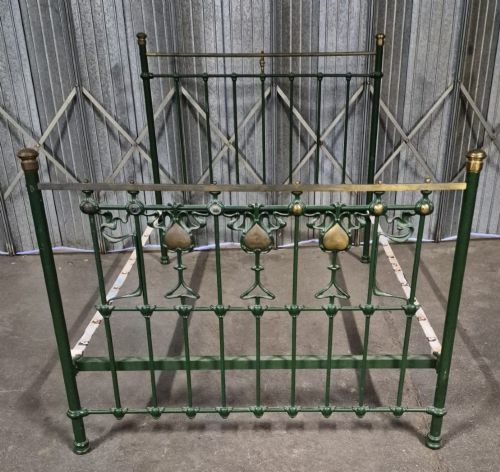
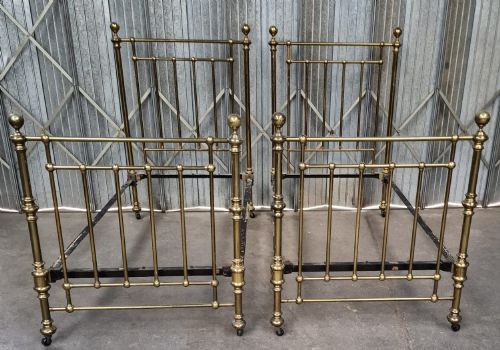
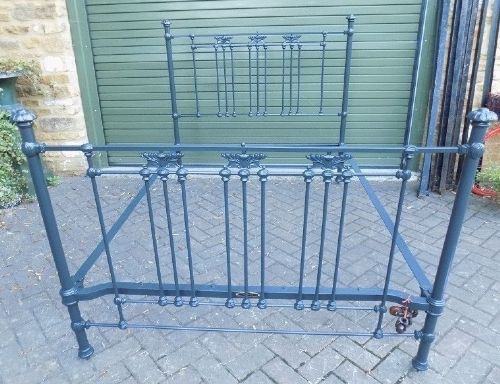
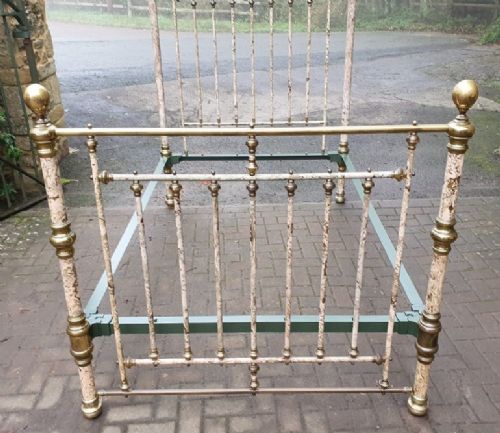
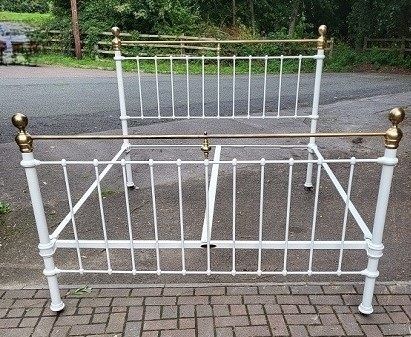
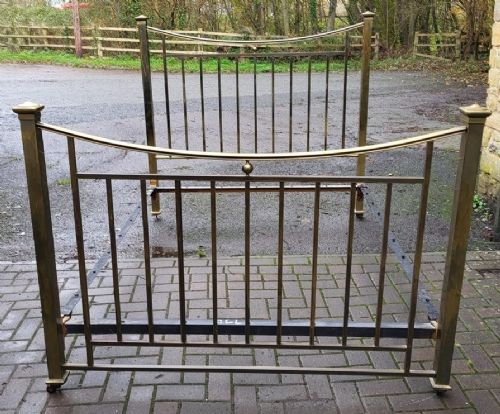
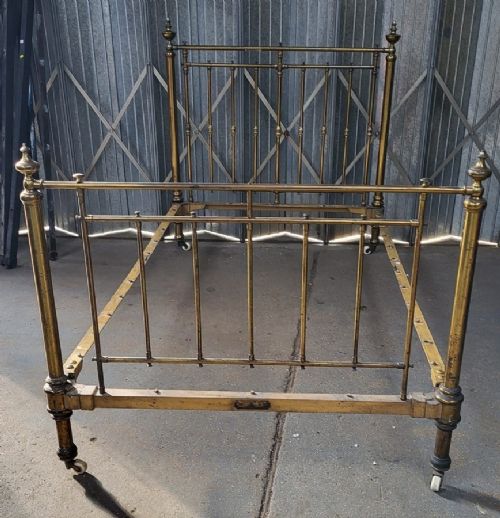
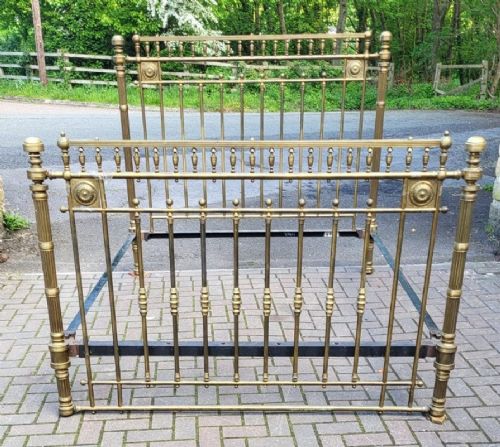
A vintage bedstead encompasses sturdy iron frames, gleaming brass rails, and polished mahogany or walnut structures spanning from the late nineteenth century through the early twentieth century. Buyers seeking a vintage bedstead typically encounter Victorian and Edwardian examples configured as single or double sizes, alongside occasional four poster forms.
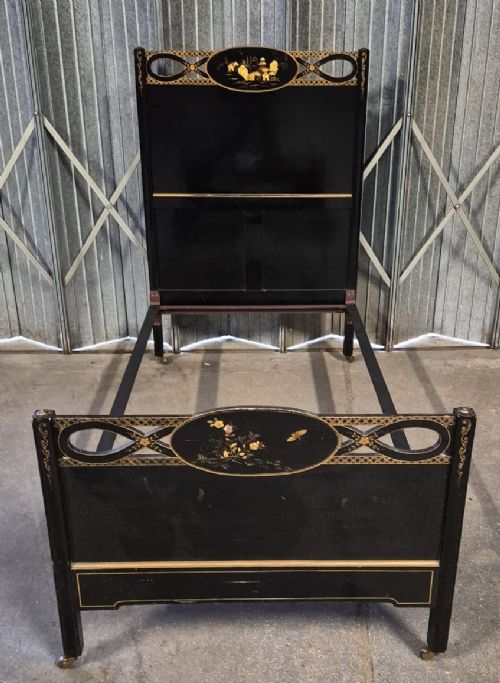
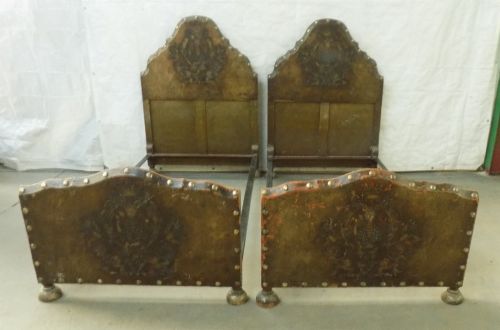
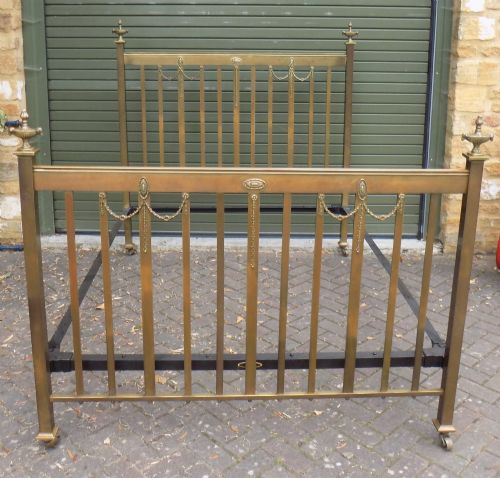
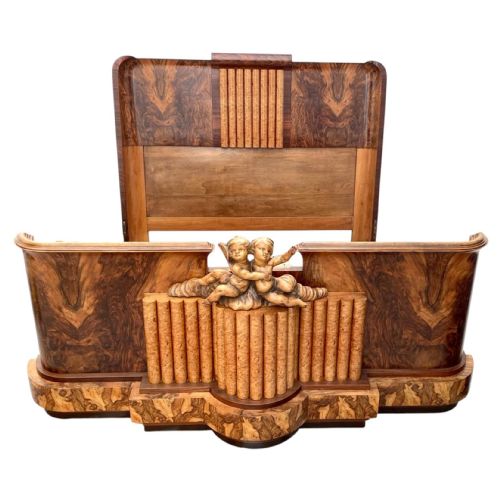
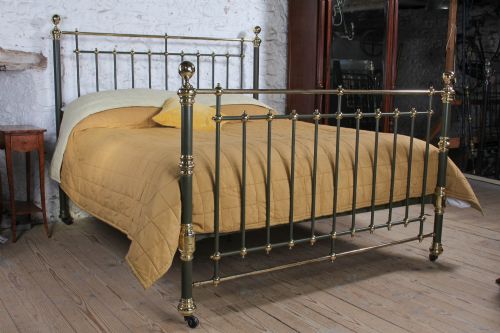
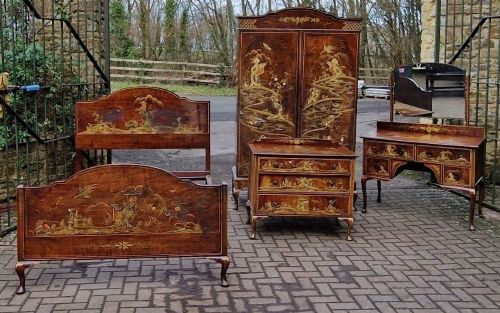
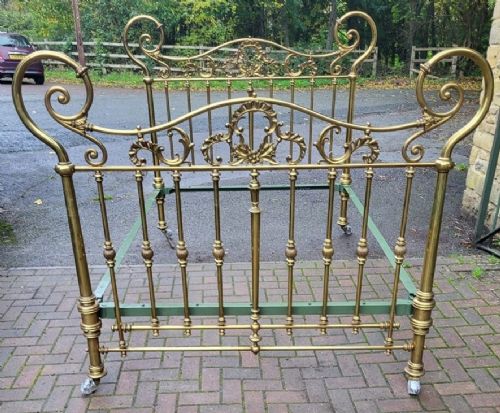
The selection ranges from utilitarian dormitory single beds that can be joined together to decorative brass and iron designs featuring castors and dip rails. Period interpretations also include Art Deco skyscraper styles, Chinoiserie finishes, and Queen Anne style wooden frames.
Originating across different European and British workshops, these beds serve as central bedroom furniture pieces designed to support modern mattresses while retaining their original period aesthetic.
Materials and Construction
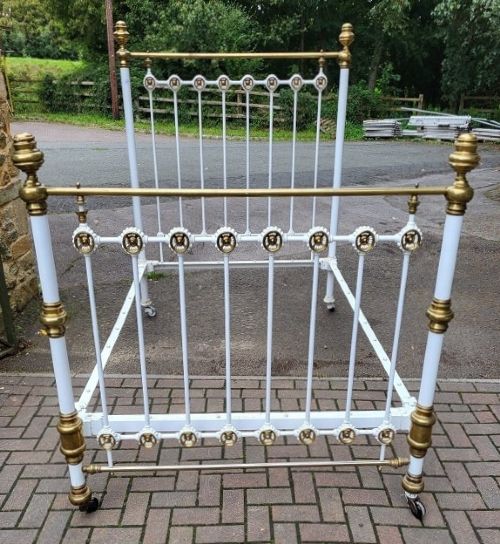
Construction relies heavily on durable metals like cast iron, wrought iron, steel, and brass, often paired with robust timbers such as mahogany, walnut, and cherry wood. Metal components frequently feature jointed frames, square tubes, and decorative brass fittings or finials.
Wooden bedstead production utilises carved solid timber panels and four poster configurations, complemented by applied surface finishes in black, cream, blue verdigris, and green verdigris.
Vintage Bedstead Retail Price Guide 2026
Typical asking prices for vintage bedstead among the pieces listed under this phrase on Sellingantiques today, from the lower quarter to the upper quarter. They describe what is for sale here now, not the wider market.
Certain iron beds arrive with integrated metal rings on the frame, ready for whatever midnight acrobatics the nineteenth century required.
Assessing Quality and Execution
Quality reveals itself in the substantial weight of the cast iron and the finish of the brass components, where finer pieces display crisp casting details and well-turned joints. The integrity of the timber framing, particularly in carved mahogany and walnut examples, distinguishes standard production from more ambitious workshop output.
Proportion and decorative restraint also separate standard utility models from exceptional design pieces, such as Vienna Secession or Art Deco interpretations, where the architectural lines dictate the visual presence of the bedstead.
Jacob and Joseph Kohn·Hoskins and Sewell·Winfield
The Vintage Bedstead Glossary
- Dip rail
- A headboard or footboard rail that curves downward in the centre. This configuration appears frequently on Edwardian double beds.
- Four poster
- A bed featuring four vertical columns that support an upper canopy framework. These structures occur in timber and mixed metal formats.
- Verdigris
- A green patina formed on copper, brass, or bronze surfaces through natural weathering or chemical application. This finish appears on several iron and brass frames.
- Slatted base
- A series of wooden slats laid across the frame to support a mattress. This construction provides the foundation for standard single and double beds.
Vintage Bedstead: Frequently Asked Questions
Will a vintage bedstead fit a modern mattress?
Many vintage frames accommodate standard mattress sizes, though exact historical dimensions can occasionally vary from contemporary standards.
Checking the internal width and length measurements before purchase ensures a proper fit for modern bedding.
Can single iron beds be joined together?
Several pairs of single beds are manufactured with compatible side rails and fixings designed to connect securely.
This configuration allows two single frames to function as a larger combined bed when needed.
How do I identify an Edwardian bedstead?
Edwardian examples often display lighter proportions than their Victorian predecessors, utilising mahogany, simpler brass tubing, or painted iron.
Stylistic cues draw from Georgian and Edwardian revival aesthetics rather than heavy Victorian ornamentation.
Are four poster beds difficult to assemble?
Four poster structures require careful handling due to the height of the corner posts and the canopy framework.
Most frames use bolted joints that dismantle into manageable components for transport and installation.