






Vintage Asian Figurines
Vintage asian figurines encompass diverse sculptural works from the nineteenth and early twentieth centuries, bringing cultural narrative and traditional craftsmanship into a room.
Vintage Asian Figurines
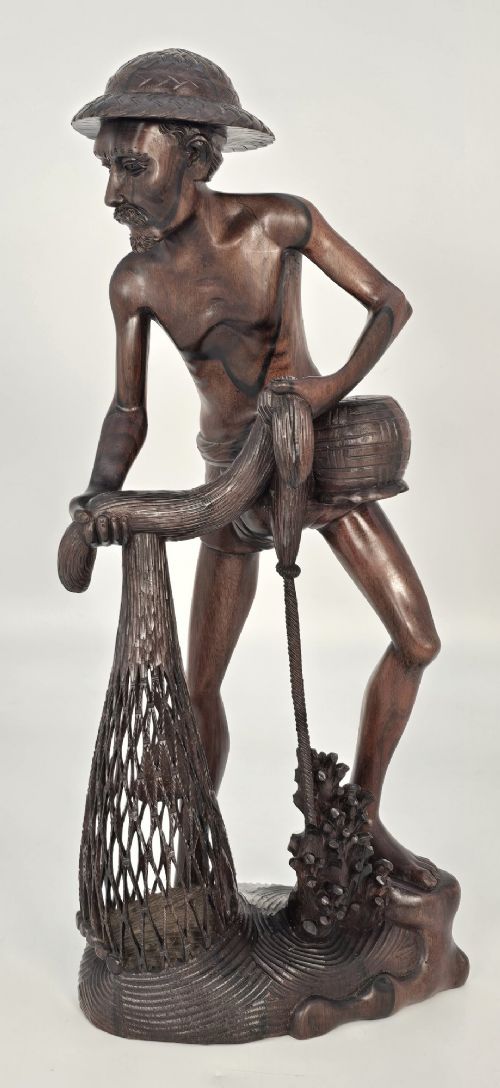
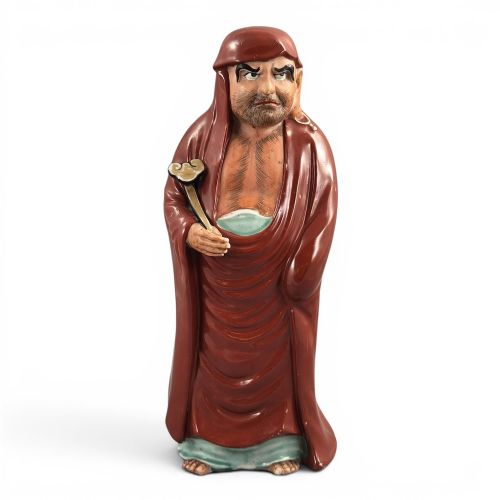
Vintage asian figurines cover sculptural forms spanning the nineteenth century through the 1930s, including works from China, Japan, Burma, Thailand, India, and Indonesia. When you search for vintage asian figurines, you encounter varied subjects ranging from animals and deities to daily life scenes.
The selections on this page appear most frequently in materials like carved hardwood, bronze, and porcelain, representing distinct cultural traditions such as Qing dynasty styles and Japanese Meiji pieces.
How they were made
Makers utilised traditional techniques involving hand carving for woods like boxwood and cherry amber, or casting for bronze animal weights and deity figures.
Finishes include enamel, gold leaf, and sancai glazes on pottery, alongside polished or patinated surfaces on metals.
Vintage Asian Figurines Retail Price Guide 2026
Typical asking prices for vintage asian figurines among the pieces listed under this phrase on Sellingantiques today, from the lower quarter to the upper quarter. They describe what is for sale here now, not the wider market.
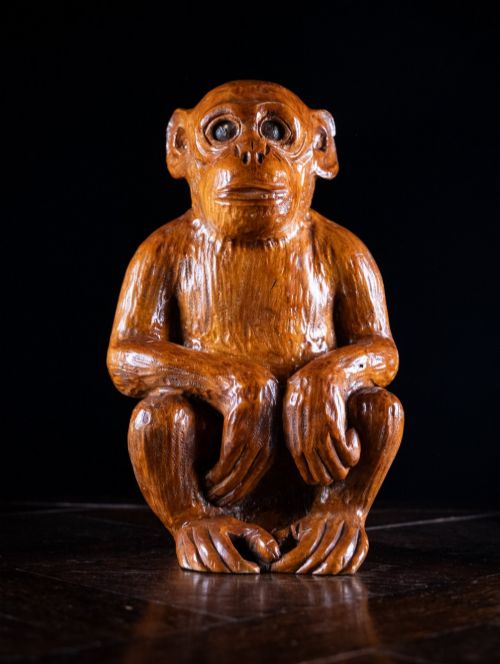
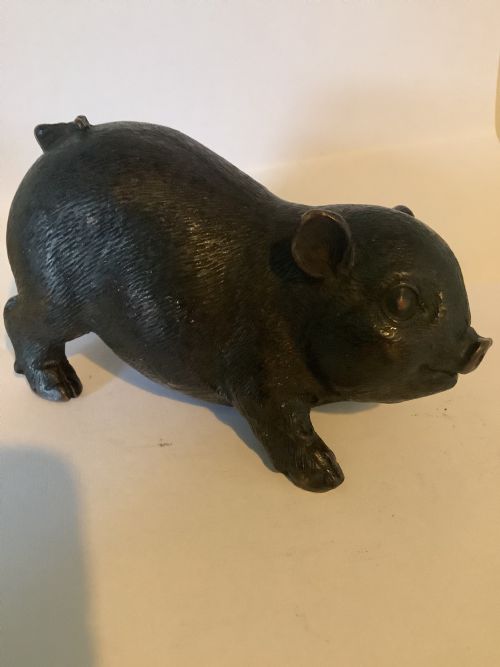
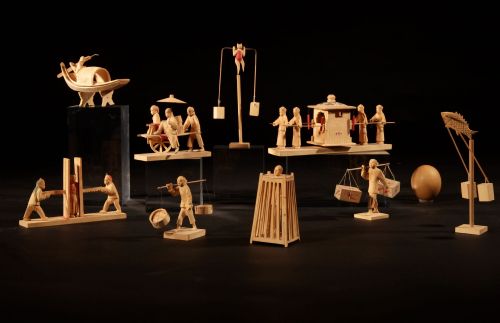
Monkeys, quails, fish, and pack horses join humans in the sculptural menagerie.
What varies in quality
The refinement of the carving dictates the distinction between standard items and superior examples, particularly visible in the rendering of facial expressions, drapery, and fine anatomical details on animals.
Material selection also drives quality, where dense, figured hardwoods or patinated bronze outshine simpler cast metals and basic wood forms.
The Vintage Asian Figurines Glossary
- Okimono
- A Japanese ornamental statue or figurine placed on display in a home. These figures often depict animals, deities, or historical figures.
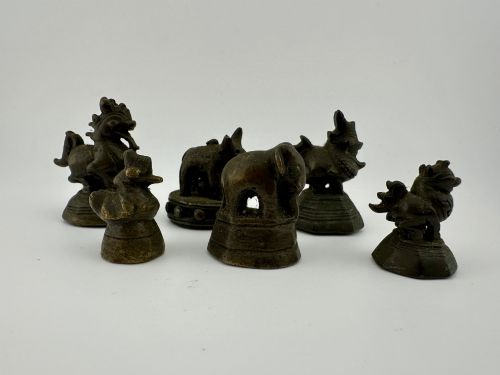
- Opium weight
- A traditional weight cast in bronze, frequently shaped as animals, utilised in Southeast Asian trade. Burmese and Thai merchants used these during the nineteenth century.
- Sancai
- A type of ceramic glaze using three colours, historically associated with Tang dynasty pottery styles. Figurines utilising this glaze show colourful lead-glazed earthenware.
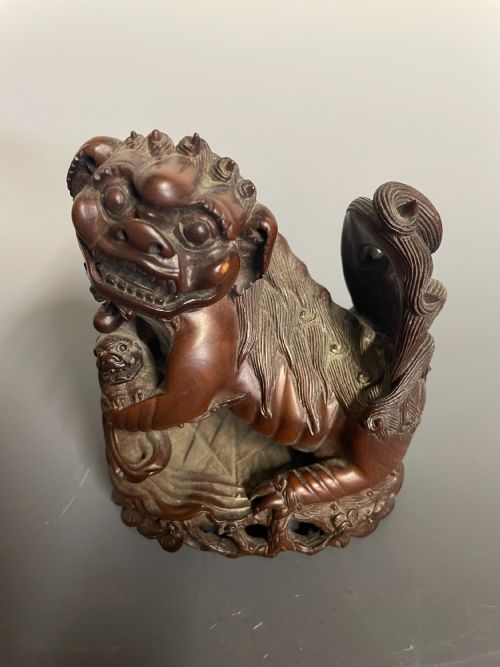
- Foo dog
- A traditional guardian lion sculpture commonly carved from wood or stone. These mythical creatures are placed to ward off evil.
- Cloisonné
- An enamelwork technique where metal wire creates compartments on a surface filled with coloured paste. This method produces decorated avian and figurative pieces.
Vintage Asian Figurines: Frequently Asked Questions
What materials are these figurines made from?
These pieces utilise natural materials such as hardwood, boxwood, jade, cherry amber, and stone alongside cast metals like bronze.
Pottery, enamel, and gold leaf also appear across various regional styles and periods.
How do I identify a Meiji period piece?
Japanese Meiji period items typically display high levels of intricate detail in carved wood or porcelain.
Subjects range from traditional deities like Kannon to animal figures and okimono.
Where were bronze trade weights used?
Opium weights originated primarily in Burma and Thailand during the nineteenth century.
They were cast in bronze into shapes of animals and birds for use in regional commerce.
How should I care for carved hardwood figures?
Keep wooden sculptures away from direct sunlight and extreme temperature shifts to protect the grain.
Dust them gently with a dry cloth without applying modern liquid polishes.