




Vintage Asian Artwork
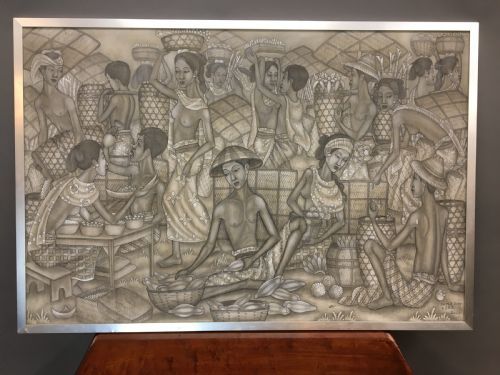
Vintage asian artwork gathers paintings, prints, textiles, and metalwork spanning traditional Chinese, Japanese ukiyo-e, and Balinese styles for your walls.
Vintage Asian Artwork
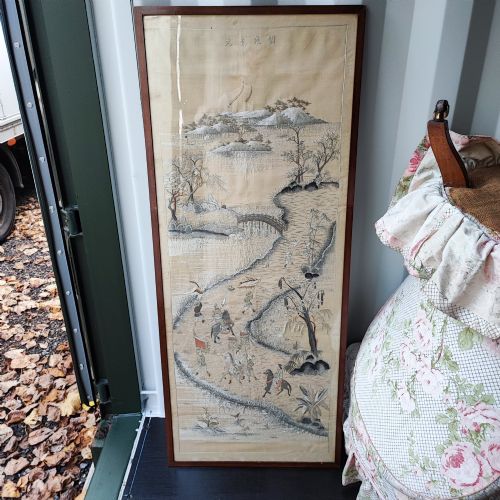
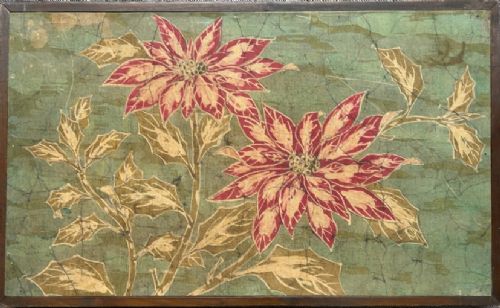
When searching for vintage asian artwork, you encounter wall art, paintings, framed artwork, and sculptures originating from China, Japan, Bali, and the Himalayas. The selection contains framed silk pictures, woodblock prints, scrolls, and embroidered panels alongside decorative vases and bronze figures.
Most items on this page date from the nineteenth and twentieth centuries, featuring periods such as the Meiji, Taisho, and Qing dynasties alongside mid-century creations. Forms range from delicate reverse paintings on glass to substantial carved jade mountain landscapes and large textile panels.
How they were made
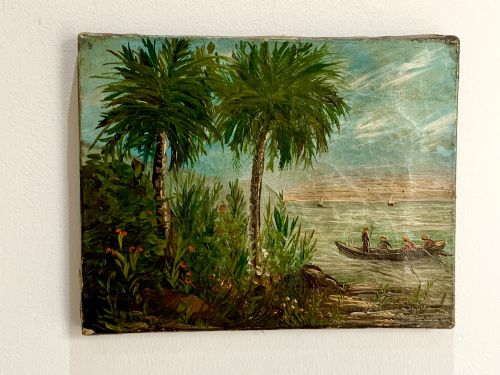
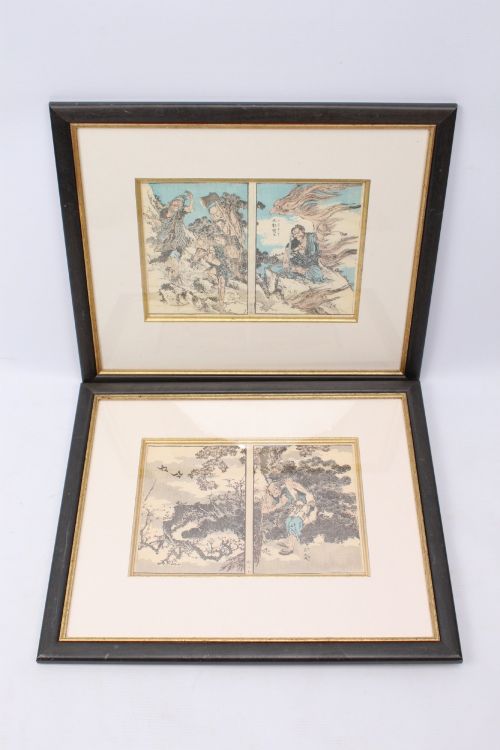
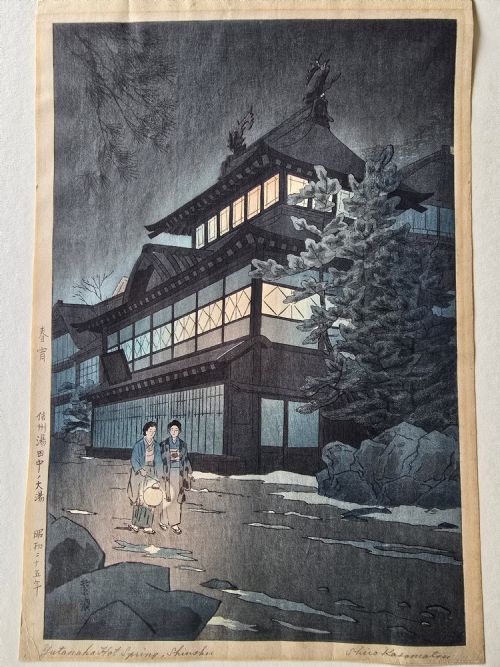
Makers utilised traditional natural media, applying ink, pigment, tempera, and water colour onto surfaces of silk, paper, fabric, canvas, and wood. Woodblock prints required carved blocks transferred to paper mounted in silk brocade frames.
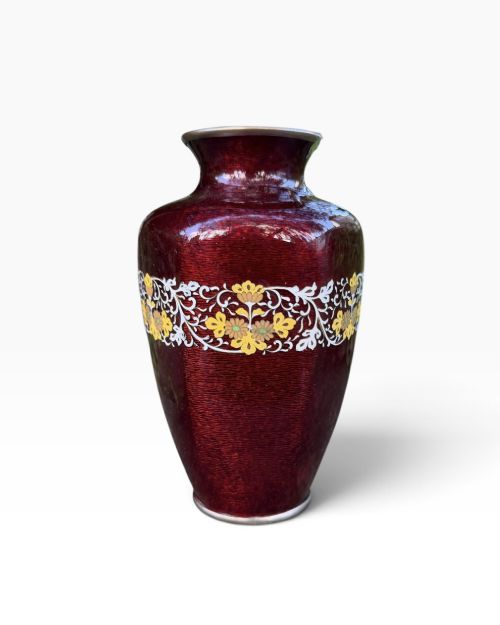
Metalwork and sculptural forms incorporate bronze, copper, and gilt metal, often enriched through ginbari cloisonné enamel with intricate wirework. Lacquered panels combine wood bases with mother of pearl, abalone inlay, and foilage details.
Vintage Asian Artwork Retail Price Guide 2026
Typical asking prices for vintage asian artwork among the pieces listed under this phrase on Sellingantiques today, from the lower quarter to the upper quarter. They describe what is for sale here now, not the wider market.
Cats peer out from nineteenth-century glass paintings, proving that feline fascination transcends centuries and borders.
What varies in quality
Quality rests upon the execution of the handwork, visible in the precision of brushstrokes on silk scrolls and the crispness of lines in woodblock prints. Signed compositions and numbered artist works distinguish finer examples from standard decorative pieces.
Materials dictate upper tiers, where genuine jade carvings on hardwood stands, fine cloisonné enamel work, and well-preserved early textiles demonstrate superior craftsmanship. Original frames and mounting maintain the integrity of delicate paper and silk items.
Hokusai·Shiro Katamatsu·Takabatake Kasho·Kunisada·Ya Ming
The Vintage Asian Artwork Glossary
- Ukiyo-e
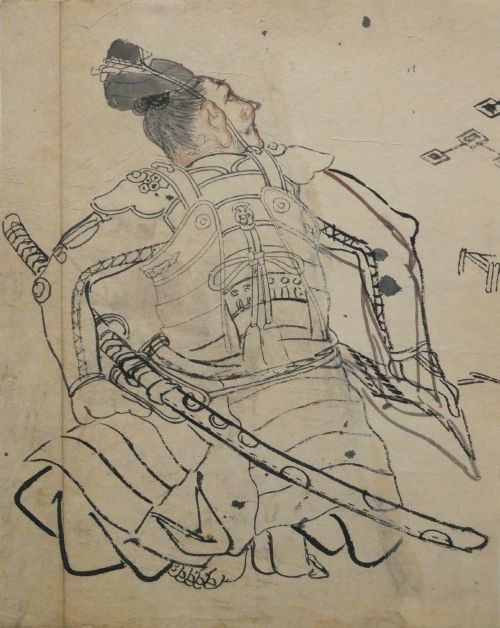
- A genre of Japanese art flourishing from the seventeenth through nineteenth centuries, depicting scenes of everyday life and landscapes through woodblock prints and paintings.
- Cloisonné
- A metalwork technique where enamel is applied within compartments created by soldering flat metal wires onto a copper or bronze base.
- Thangka
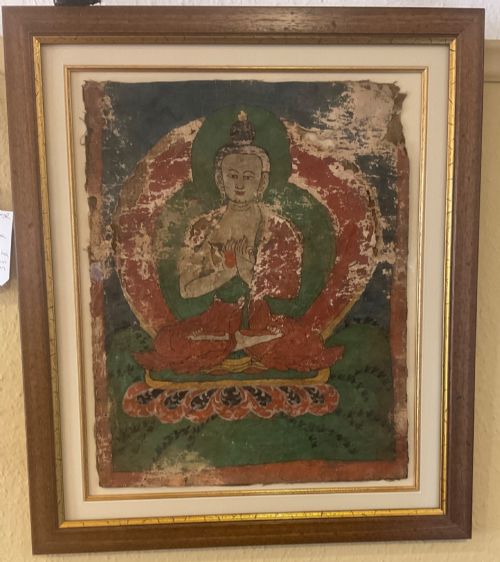
- A Tibetan Buddhist painting on cotton or silk appliqué, usually depicting a deity, scene, or mandala, designed for mounting on walls.
- Shan Shui
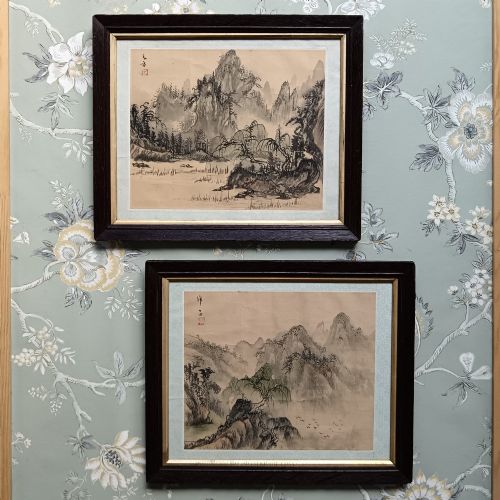
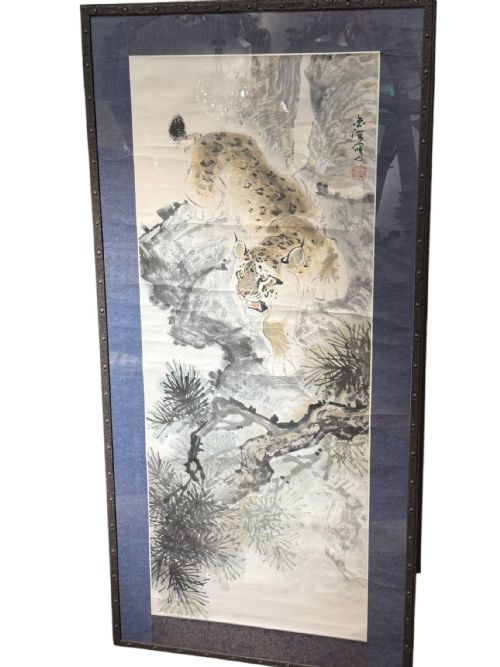
- A traditional style of Chinese painting featuring scenery or natural landscapes, using brush and ink rather than more conventional commercial paints.
- Kamasan
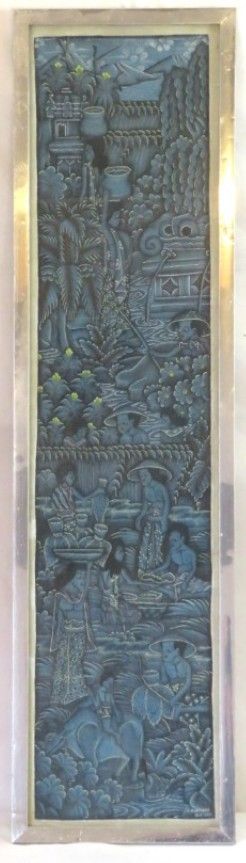
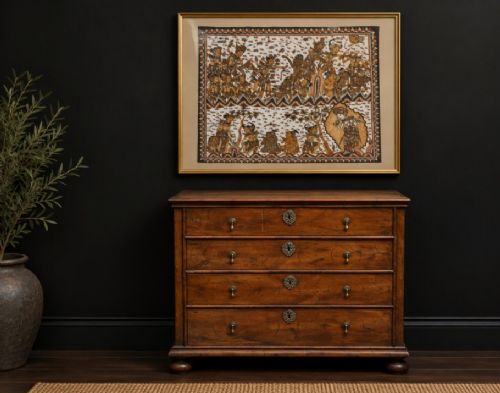
- A traditional classical style of painting originating from Bali, characterised by narrative scenes depicting Hindu epics painted on textile.
Vintage Asian Artwork: Frequently Asked Questions
How do I hang heavy textile art?
Heavy textile panels and framed silk pictures require secure wall anchors and sturdy picture wire attached directly to solid wooden framing. Ensure the weight distributes evenly across dual hanging points to protect delicate fabrics from sagging.
Keep textile works away from direct sunlight and damp environments to preserve natural silk fibres and pigments over time.
How should I clean bronze figures?
Bronze sculptures require only gentle dusting with a soft, dry microfibre cloth to remove accumulated particles. Avoid chemical polishes, oils, or water, which can strip historic patinas and damage metallic surfaces.
Allow natural ageing to persist on bronze surfaces, as handling marks and patination contribute to the historical character of the piece.
Can I display woodblock prints in daylight?
Woodblock prints on paper are sensitive to ultraviolet light and fade when exposed to direct sun. Position these works on interior walls away from windows or utilise UV-filtering glass during framing.
Rotate pieces occasionally if displayed in brighter rooms to maintain the vibrancy of the original pigments.
What is a reverse painting on glass?
A reverse painting on glass involves applying pigment directly onto the rear surface of a glass panel. Viewers look through the clear glass to observe the completed image, creating a glossy finish.
Clean the front glass surface gently with standard glass cleaner applied to a cloth rather than sprayed directly onto the frame.