
Vintage Art Study
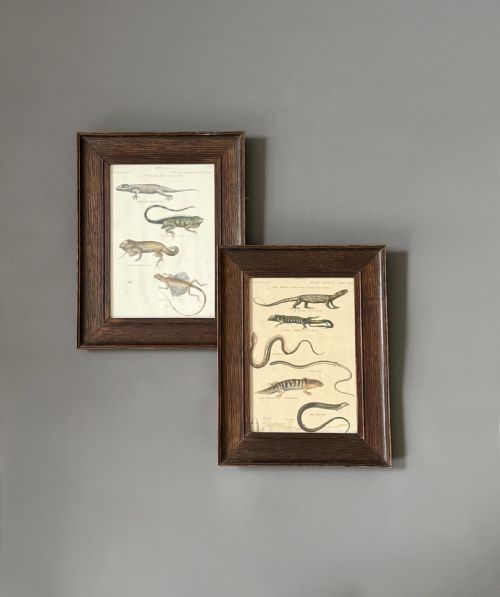
These vintage art study pieces capture preparatory drawings, life studies, and botanical watercolours created across the nineteenth and twentieth centuries.
Vintage Art Study
A vintage art study typically comprises works on paper or canvas capturing figure drawings, portraits, botanical subjects, and architectural plans. These pieces range from nineteenth century watercolours to twentieth century life drawings in pencil, chalk, and pastel.
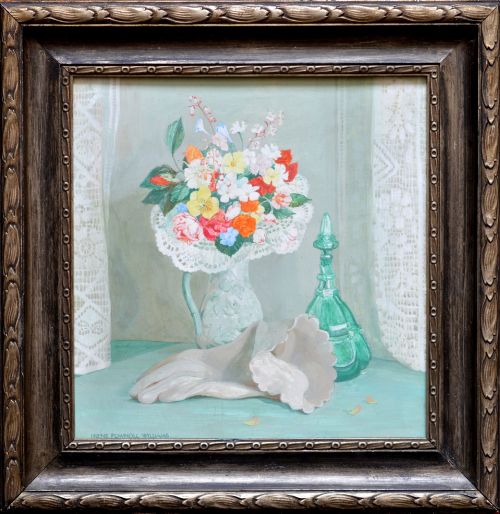
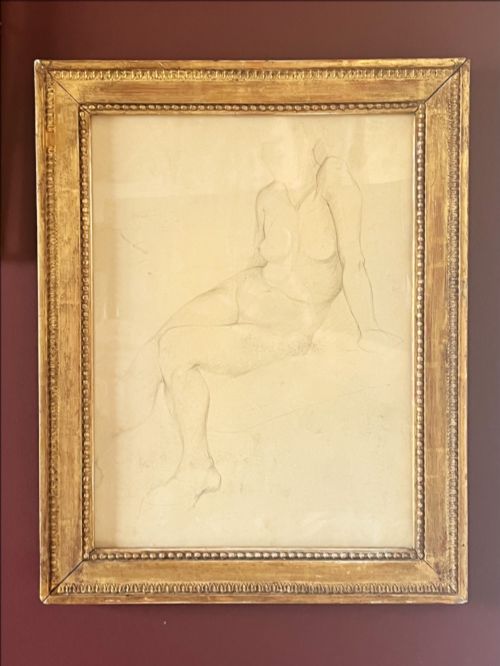
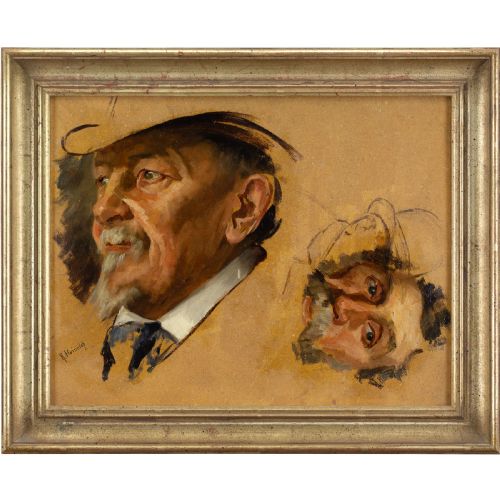
The selection here draws heavily from Edwardian and Art Deco periods, encompassing both finished studies and working sketches. Buyers encounter framed nude life drawings, botanical watercolours in period frames, and animal portraits.
Mediums vary from graphite and gouache on buff paper to oil paintings on canvas and mixed media compositions. Many bear signatures or historical attributions connecting them to specific artists and schools.
Materials and Technique
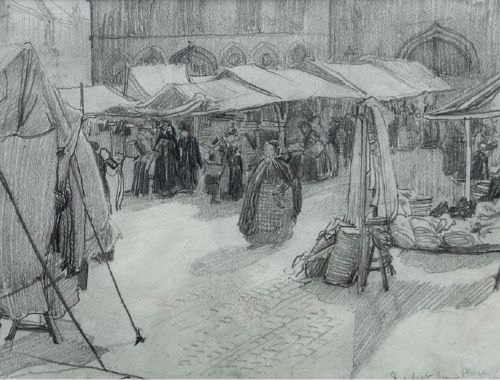
Artists executed these studies utilising paper, buff paper, and canvas as primary grounds, applying mediums such as graphite, chalk, pastel, gouache, and oil paint. Pencil and charcoal served for rapid life drawings, while watercolours captured botanical details and landscapes with translucent washes.
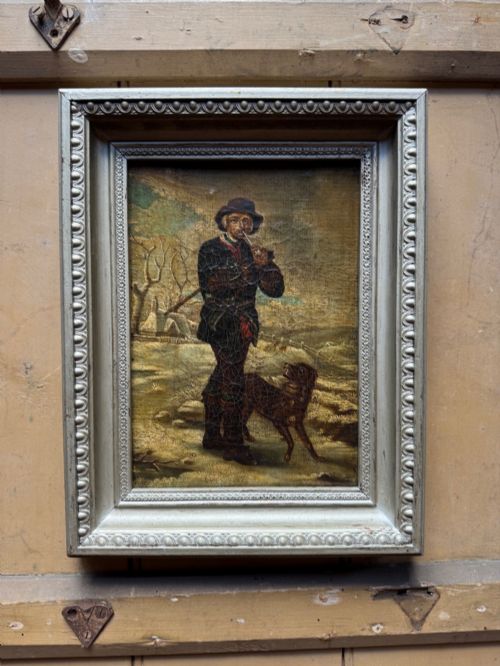
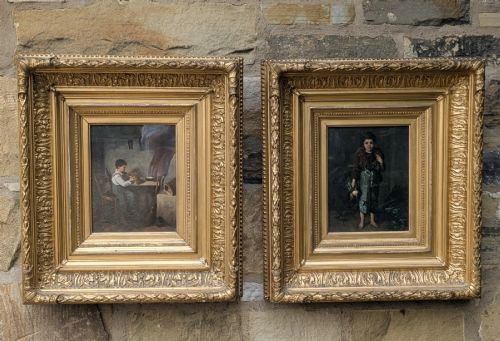
Framing often complements the period, utilising antique gilt frames, rosewood, and timber mouldings that protect fragile works on paper. Support structures range from simple card mounts to glazed wooden frames appropriate to Edwardian and Art Deco aesthetics.
Canine subjects appear frequently, immortalising three black Pekingese dogs and a Borzoi in pastel and gouache.
Judging Quality
Quality rests upon the sureness of the draftsmanship, the expressive strength of the line, and the condition of the paper or canvas. Confident, direct mark-making distinguishes accomplished life studies and botanical watercolours from lesser exercises.
The integrity of the framing and the preservation of the surface matter greatly for works on paper. Well-preserved sheets lacking excessive foxing or fading command stronger attention from collectors seeking authentic period character.
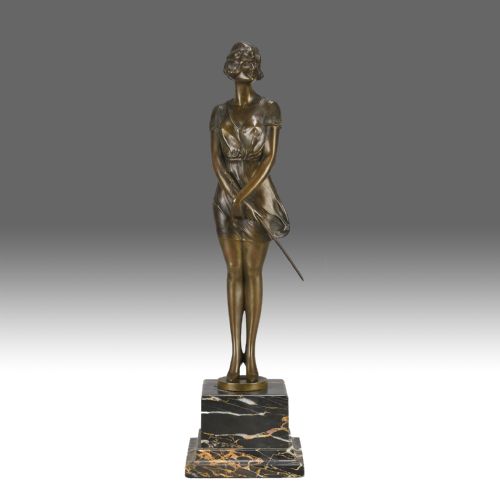
Henry Percy Huggill·Bruno Zach·William Etty·Kenneth Cozens·Robert Leslie Howey·Eric Robertson·Augustus John·Harry Epworth Allen·Emerson H Groom
The Vintage Art Study Glossary
- Life drawing
- A drawing of the human figure from a live model, often executed quickly to capture gesture and anatomy. These studies form the bedrock of academic training.
- Gouache
- An opaque water-based paint that dries to a matte finish, allowing for vibrant highlights and solid areas of colour. Artists often combined it with pencil on tinted paper.
- Buff paper
- A pale brownish-yellow paper frequently utilised in the early twentieth century for sketching. Its neutral tone allowed artists to apply white chalk highlights alongside dark pencil.
- Mixed media
- An artwork combining two or more artistic materials, such as pastel and ink on paper. This approach creates varied textures within a single composition.
Vintage Art Study: Frequently Asked Questions
What is a vintage art study?
A vintage art study is a preparatory drawing, sketch, or trial piece created by an artist to explore a subject, figure, or composition before executing a larger work.
These pieces often highlight the raw draftsmanship and immediate intent of the creator, offering insight into historical artistic training and methods.
How should I frame works on paper?
Works on paper require conservation-grade mounting to prevent direct contact with glass, which protects fragile graphite, pastel, and watercolour mediums from moisture.
Utilising UV-filtering glass and acid-free backing boards ensures these delicate historical pieces survive safely in modern home environments.
Are these drawings original pieces?
The majority of these listings comprise original, one-of-a-kind hand-drawn or painted works rather than mass-produced prints or mechanical reproductions.
Signatures, artist ciphers, and contemporary framing often corroborate the unique provenance of individual life studies and botanical watercolours.
How do I care for antique watercolours?
Antique watercolours and pastel drawings require placement away from direct sunlight to prevent the fading of fugitive pigments and discolouration of the paper support.
Maintaining stable indoor humidity levels prevents warping of the backing board and protects the fragile binding mediums used in historical paints.