



Vintage Art Nouveau Painting
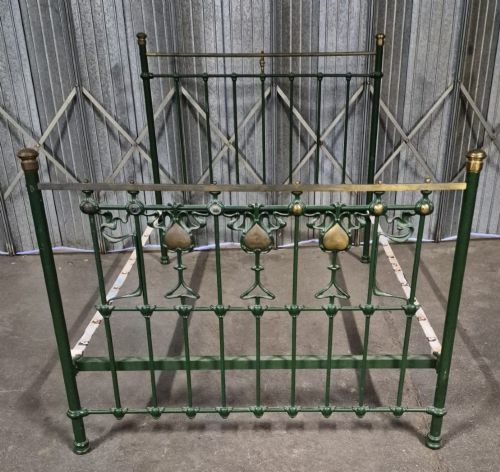
These vintage art nouveau painting examples and painted works capture fluid floral forms and organic motifs originating from the late nineteenth and early twentieth centuries.
Vintage Art Nouveau Painting
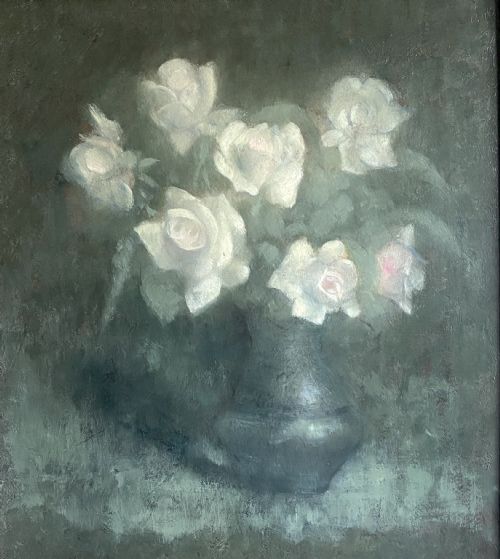
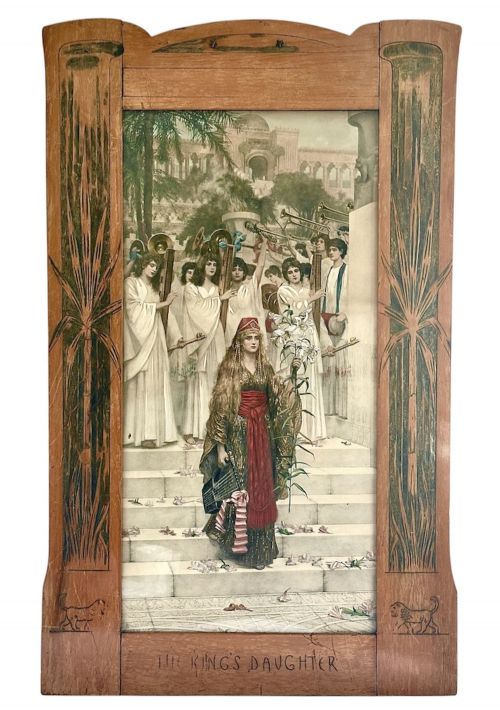
A vintage art nouveau painting or painted decorative piece sits within a wide stylistic lineage spanning the late nineteenth century through the early decades of the twentieth century. Examples on this page encompass oil on board still lifes, floral portraiture, and painted elements integrated into ceramics, frames, and glass.
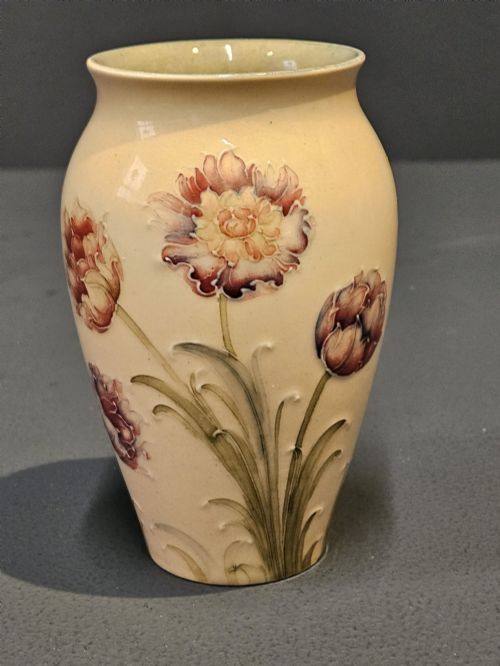
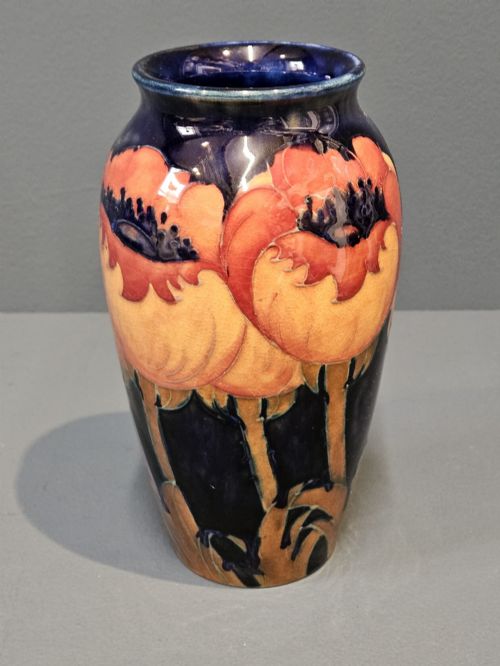
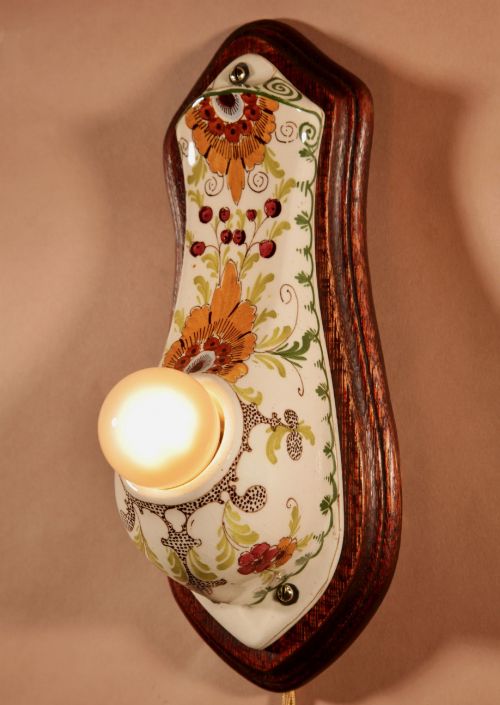
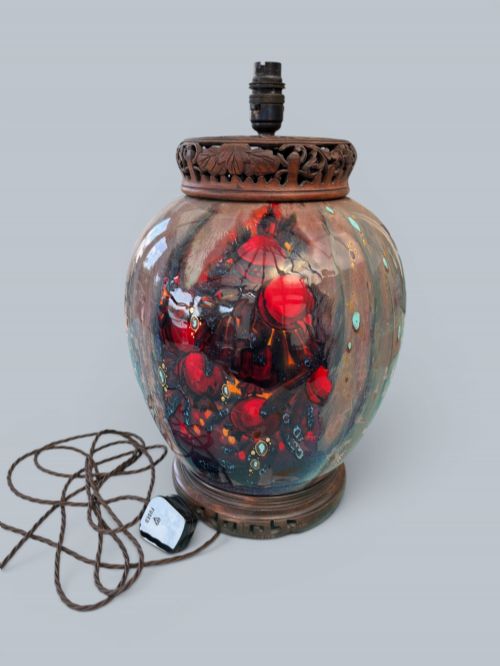
Makers and artists from this era drew heavily upon natural contours, plant stems, and feminine profiles, adapting these motifs across diverse media. Pieces frequently bridge pure canvas works and decorative painted objects such as ceramic vases, tiled night lights, and wooden caskets.
The aesthetic overlaps with related movements like the Arts and Crafts style, Jugendstil, and the Aesthetic Movement. Buyers encounter works produced across Britain, France, Germany, Austria, and the Netherlands during periods ranging from the 1880s to the 1930s.
Materials and Technique
Artists and artisans relied on traditional supports such as canvas, wood, and board for oil and watercolour works, applying pigments by hand to capture delicate botanical details. Ceramics and earthenware vessels received hand-painted glazes, often enhanced with enamel decoration or gold leaf.
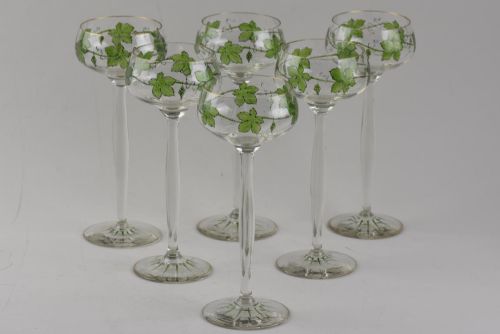
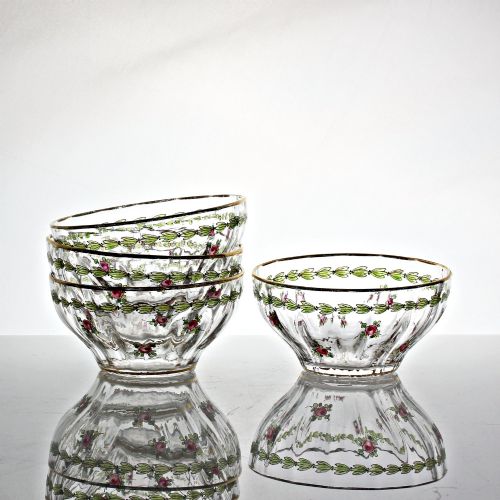
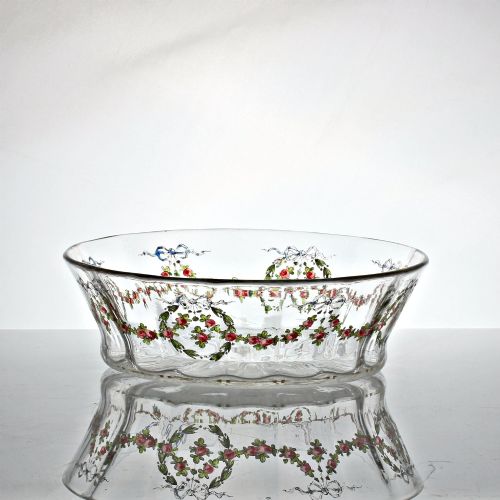
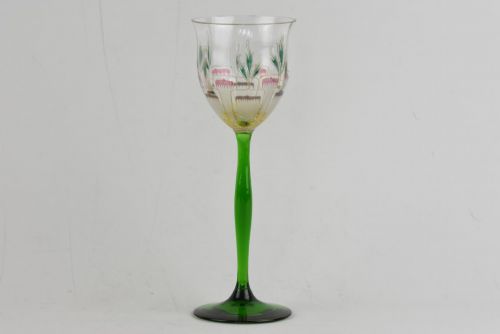
Glassware utilised complex thermal techniques, combining moulded or blown glass with polychrome enamel work and gilding. Metalwork components in frames and lighting integrated brass, iron, pewter, and champlevé enamel to complement the painted surfaces.
Vintage Art Nouveau Painting Retail Price Guide 2026
Typical asking prices for vintage art nouveau painting among the pieces listed under this phrase on Sellingantiques today, from the lower quarter to the upper quarter. They describe what is for sale here now, not the wider market.
A railway carriage door fitted with painted art nouveau glass provides an unexpected architectural canvas for the movement's floral motifs.
Assessment of Quality
The standard of a painted piece rests upon the surety of the brushwork and the harmony of the palette. Superior examples demonstrate deliberate, confident hand-painting where floral or figural lines flow naturally without hesitation.
The integration of the painted surface with its host medium dictates overall execution. Higher-grade works show careful alignment between the applied pigments and the underlying form, whether on canvas, ceramic pottery, or enamelled glass.
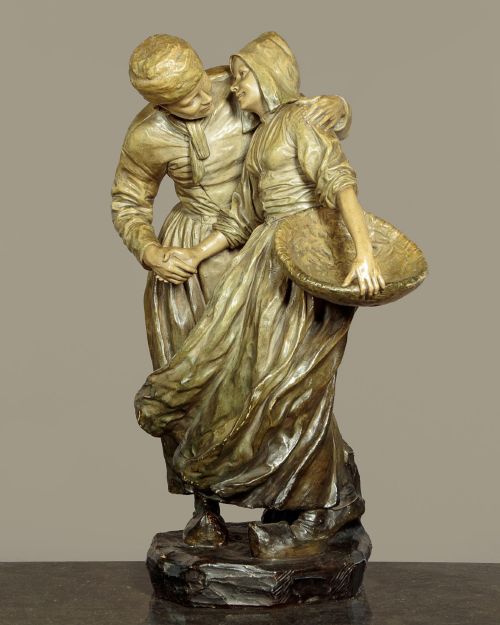
Moorcroft·Goldscheider·Ernst Wahliss·Theresienthal·Gallilleo Chini·Frits Hechert·Salviati
The Vintage Art Nouveau Painting Glossary
- Oil on board
- A painting created using oil-based pigments applied to a rigid wooden or composite board rather than stretched canvas. This medium gained popularity for smaller studies and preparatory works.
- Enamel decoration
- A fused glass powder applied to surfaces like glass, ceramic, or metal and fired at high temperatures. It produces vibrant, glossy coloured designs that resist fading over time.
- Giltwood
- Wood that has been coated with a thin layer of gold leaf or gold paint. Picture frames from the period frequently utilised this technique to accentuate carved organic motifs.
- Champlevé
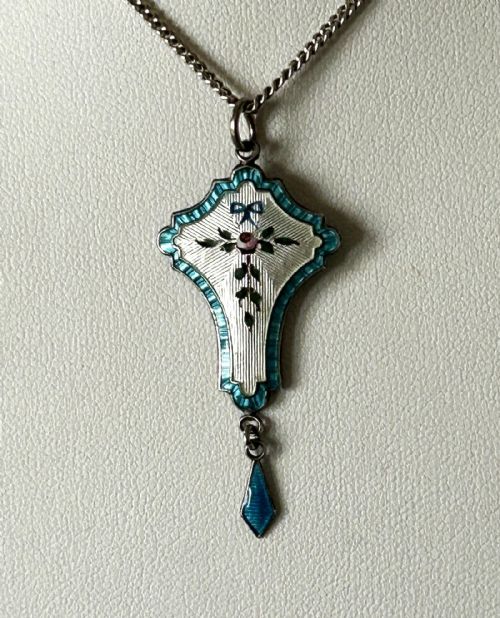
- An enamelling technique where troughs or cells are hollowed out of a metal surface and filled with enamel paste before firing. It creates distinct metallic outlines between coloured sections.
- Roemer
- A traditional Germanic large drinking glass, typically featuring a wide bowl atop a decorated cylindrical stem. Examples often include polychrome enamel painting.
- Platrel
- A term used in Dutch ceramics denoting fine earthenware or tin-glazed pottery. These pieces frequently incorporate painted floral motifs characteristic of the period.
Vintage Art Nouveau Painting: Frequently Asked Questions
What subjects appear on these painted pieces?
Paintings and painted objects frequently display floral still lifes, botanical studies, and portraits of women adorned with irises or roses. Naturalistic curves and organic growth patterns dominate the visual themes.
Artists translated these motifs across canvases, ceramic vessels, and glass panels, ensuring every surface reflected the organic ethos of the period.
How do I identify the period of a piece?
Dating relies on examining the specific stylistic crossover between the late nineteenth-century Aesthetic Movement and early twentieth-century modernism. Signatures, factory marks, and registration numbers provide concrete chronological markers.
Material composition and framing techniques also offer reliable clues to distinguish 1880s items from later 1930s productions.
How should I care for vintage painted items?
Painted canvases and boards require stable environmental conditions away from direct sunlight to prevent pigment degradation. Dusting should be performed gently with a dry, soft brush without liquid cleaners.
Enamelled glass and ceramics demand cautious handling and gentle cleaning to preserve delicate surface decorations and gold leaf accents.
Where were these painted objects originally produced?
Production centres spanned across Europe, with notable workshops operating in Britain, France, Germany, Austria, Bohemia, and the Netherlands. Regional specialisms influenced whether items took the form of canvas paintings, painted pottery, or enamelled glassware.
Factories collaborated with notable designers and ceramicists to distribute these distinctive decorative items internationally.