
Vintage Art Nouveau Jewellery
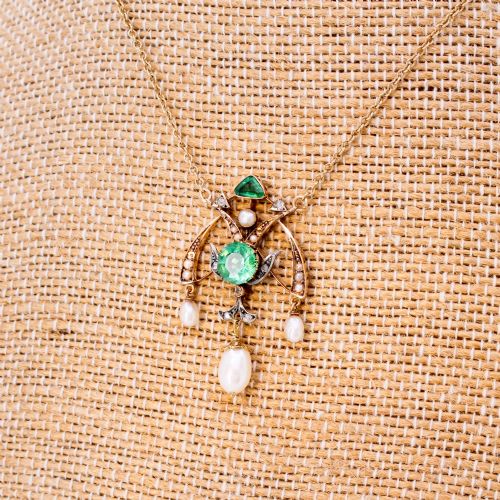
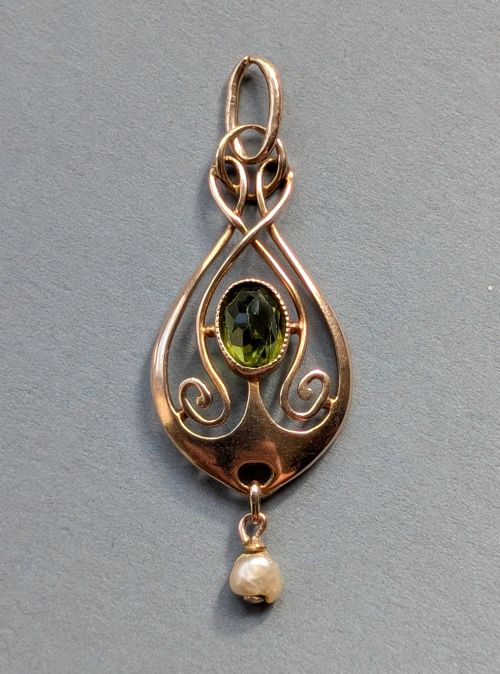
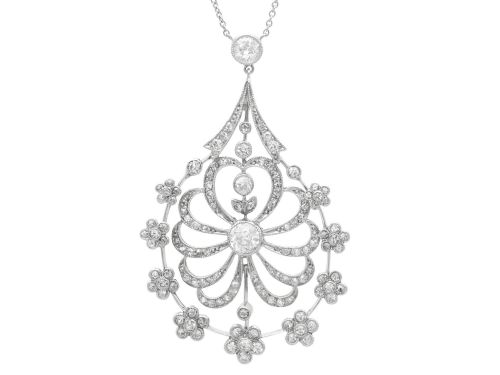
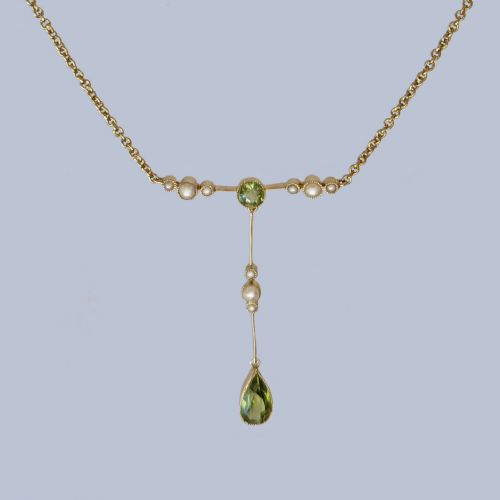
Vintage art nouveau jewellery captures the flowing organic lines and natural motifs characteristic of the turn of the twentieth century.
Vintage Art Nouveau Jewellery
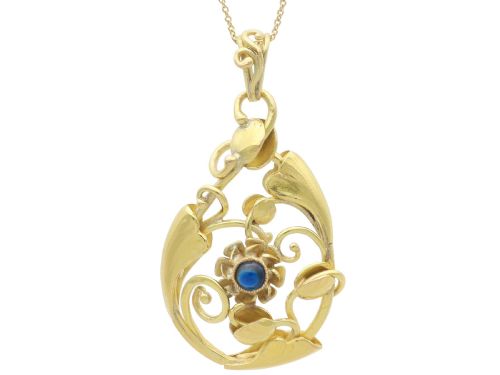
Vintage art nouveau jewellery encompasses decorative pieces produced around the late Victorian and Edwardian eras, defined by sinuous plant stems, floral shapes and insect forms. Buyers seeking these items will find pendants, brooches, necklaces and rings that reflect the aesthetic movements of the early twentieth century.
The objects on this page frequently date from the decades surrounding nineteen hundred, spanning periods from eighteen eighty to nineteen thirty. Common expressions include British arts and crafts work, continental Jugendstil pieces and French designs utilising naturalistic themes.
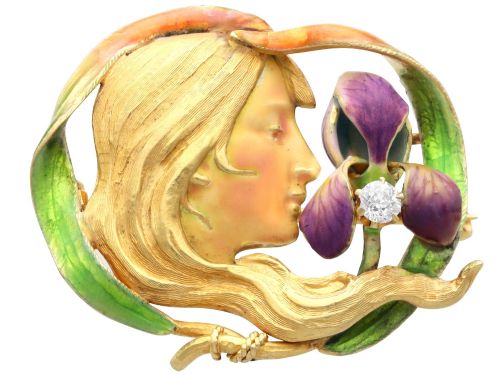
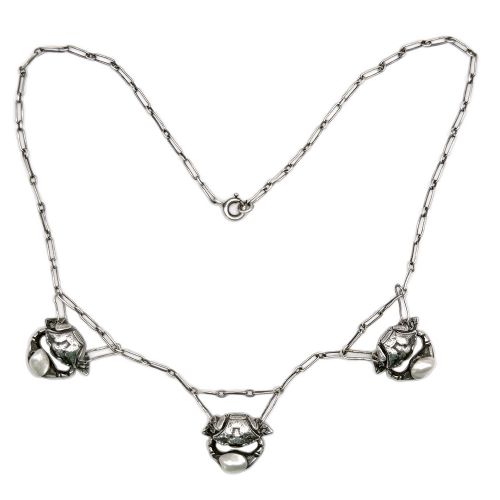
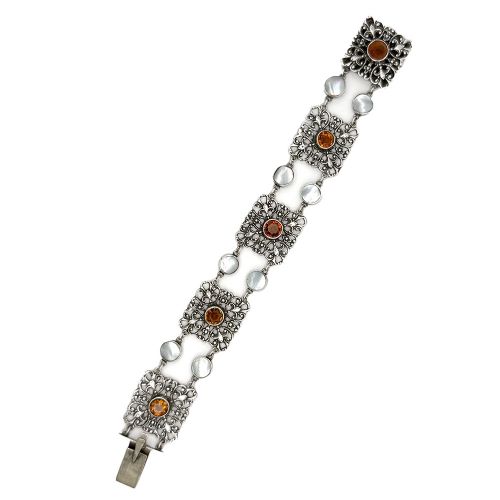
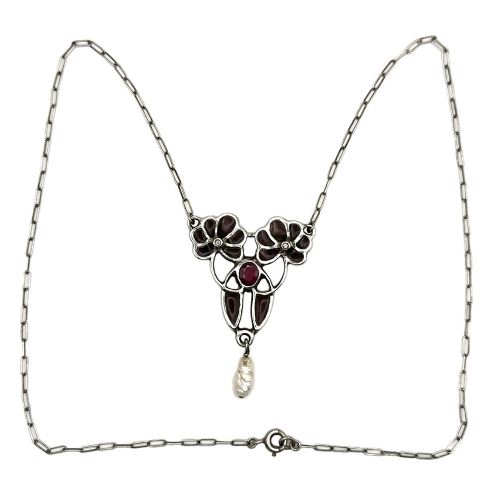
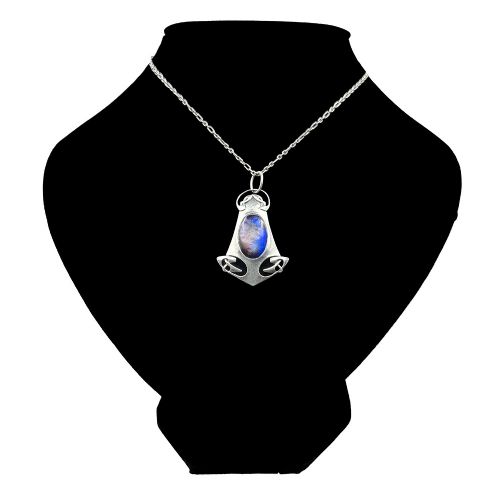
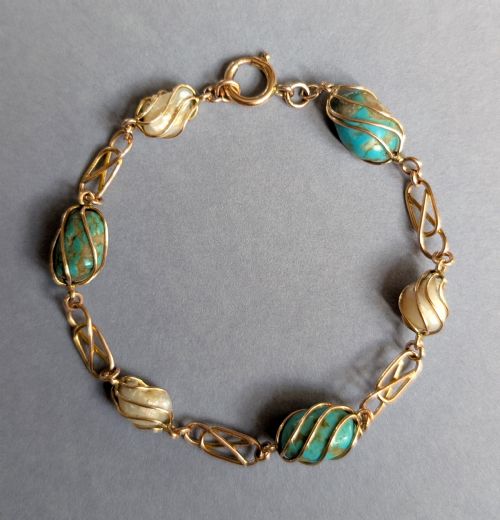
Pendants and brooches dominate the selection, often combining silver or gold with colourful enamel work and pearls. Buyers are most likely to encounter silver and enamel pendants alongside gold brooches set with amethyst, turquoise, opal or seed pearls.
How vintage art nouveau jewellery was made
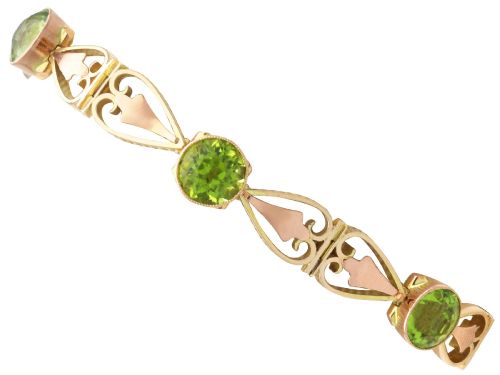
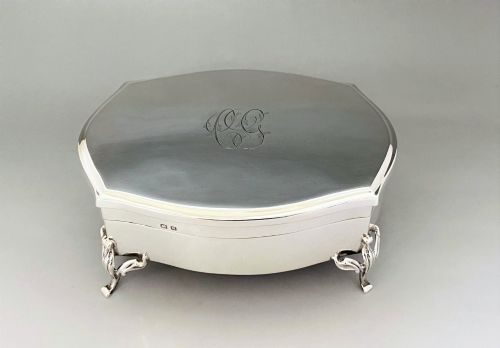
Metalwork in these pieces relies heavily on silver and various grades of gold, including nine carat, fifteen carat and eighteen carat components. Silversmiths and goldsmiths shaped wire and sheet metal into flowing asymmetrical mounts to support stones and enamel.
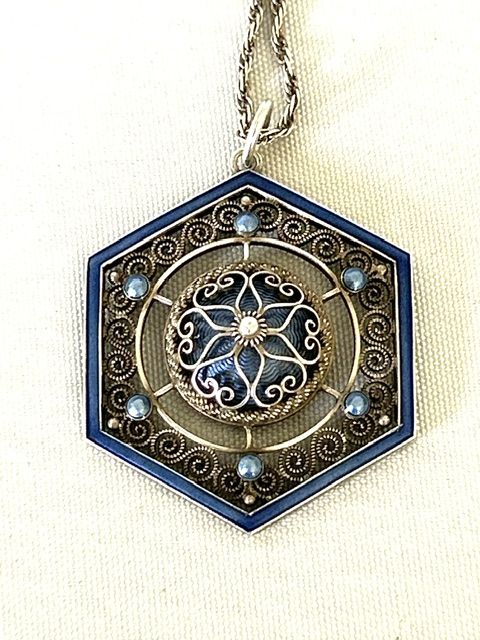
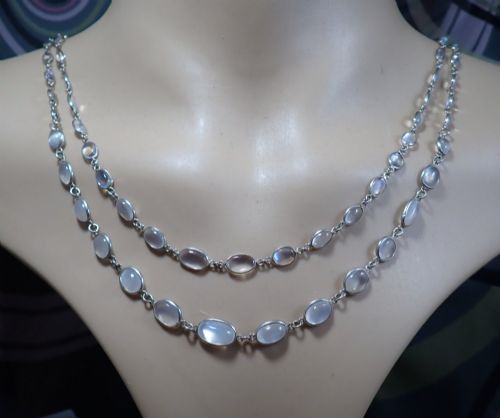
Enamelling techniques such as guilloché and plique-à-jour provide translucent colour within metal cells, mimicking stained glass or insect wings. Artisans also integrated gemstones like moonstone, aquamarine, garnet and diamond alongside cultured or seed pearls to accent organic motifs.
Listings feature periods spanning from eighteen eighty to nineteen fifty, with a concentration in the nineteen hundreds, nineteen tens and nineteen twenties.
What varies in quality in vintage art nouveau jewellery
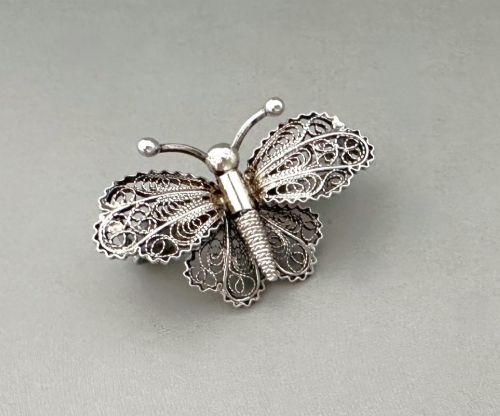
Quality rests in the precision of the metalwork and the condition of the enamel, where skilled execution prevents chipping or uneven thickness. Hand-wrought silver filigree and delicate gold wirework require a high degree of craftsmanship that separates workshop pieces from mass-produced items.
The selection of stones and the integration of enamel with the metal frame dictate the overall refinement of a piece. Maker attributions and intact original settings further distinguish notable examples from standard period items.
Marius Hammer·Deakin and Francis·R Lalique·Charles Horner·Knoll and Pregizer·Murrle Bennett
The Vintage Art Nouveau Jewellery Glossary
- Guilloche enamel
- Enamel applied over engine-turned metal engraving. This technique creates a patterned background visible through translucent coloured glass.
- Plique-a-jour
- An enamelling technique without a backing, resembling miniature stained glass. Light passes directly through the transparent coloured sections.
- Jugendstil
- The continental German-language variant of art nouveau. It shares the same emphasis on organic curves and natural forms.
- Navette style
- A boat-shaped or marquise-shaped gem setting. This elongated outline was popular in rings and brooches during the late nineteenth century.
Vintage Art Nouveau Jewellery: Frequently Asked Questions
How do I identify art nouveau jewellery?
Art nouveau jewellery is characterised by asymmetrical, flowing lines inspired by natural forms such as plants, flowers, insects and female figures. These pieces frequently incorporate enamel work and cabochon stones rather than heavily faceted gems.
Look for the absence of rigid symmetry and the presence of whiplash curves in the metal framing. Makers during this period often used silver or various carats of gold to support translucent enamel details.
What is plique-a-jour enamel?
Plique-à-jour is a vitreous enamelling technique where the enamel is applied within a cell framework without a backing metal plate, allowing light to shine through. It creates an effect similar to the petals of a flower or the wings of a dragonfly.
Because there is no foundational metal to support the enamel, pieces made with this method require delicate handling. It appears frequently in fine French pendants and decorative medals from the early nineteen hundreds.
How should I care for antique enamel jewellery?
Antique enamel requires careful maintenance to prevent cracking or scratching of the glass surface. Avoid exposing these pieces to harsh chemicals, ultrasonic cleaning machines or prolonged immersion in water.
Store items individually in soft pouches to protect the enamel and delicate pearl or gemstone settings from impact. Gentle wiping with a soft, dry cloth is sufficient for regular cleaning.