


Antique Silver Motif Pin
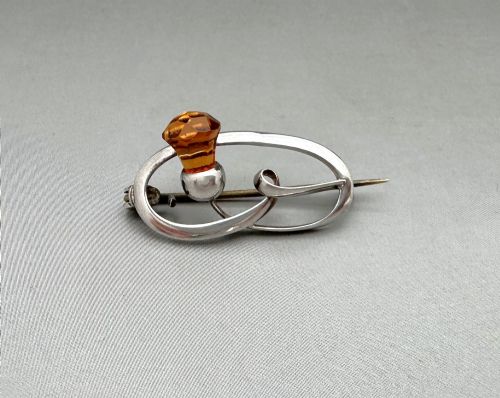
These antique silver motif pin selections range from Victorian gem-set brooches to Edwardian novelty pieces.
Antique Silver Motif Pin
An antique silver motif pin brings together small personal ornaments and dressing table accessories produced across the Victorian, Edwardian, and early twentieth-century periods. Buyers searching this phrase encounter a mix of brooches, novelty pin cushions, and small dishes bearing specific decorative themes.
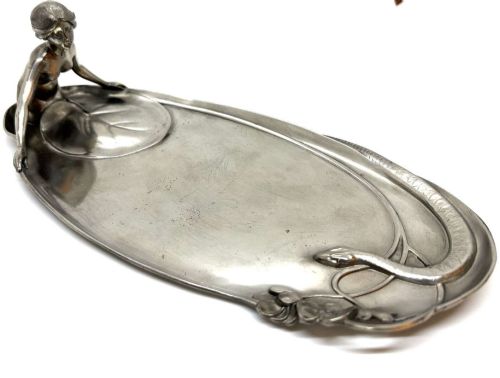
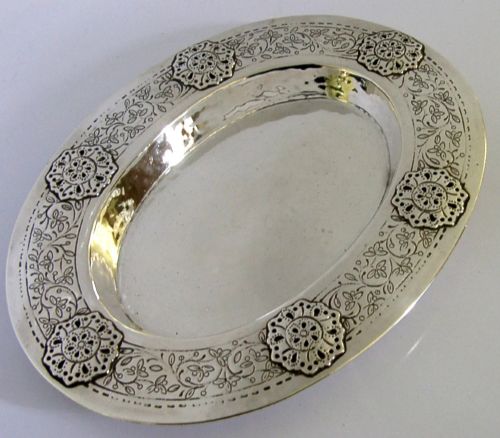
The objects span varied styles including Art Nouveau, Arts and Crafts, and Victorian novelty designs. Alongside British sterling silver work, the selection includes Chinese export pieces and continental metalware.
Materials and construction
Maker workshops utilised sterling silver, gold, silvered pewter, and Britannia metal to form the foundations of these pins, brooches, and trays. Gemstones such as diamonds, sapphires, rubies, and amber glass frequently accent the metalwork.
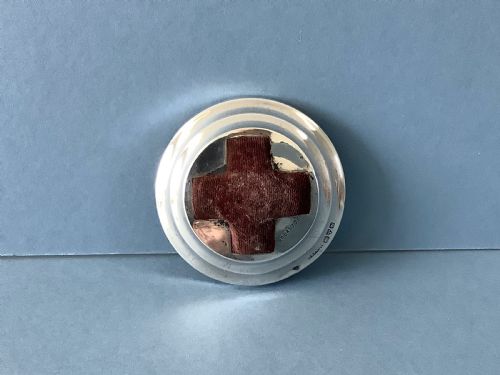
Techniques range from hand-worked filigree and enamel to cast novelty forms and detailed repoussé panels. Textile elements such as velvet also appear in functional pin cushion pieces.
Listings incorporate items spanning the nineteenth century, Victorian, Edwardian, 1900, 1910, and 1930 periods in silver and gold.
Factors of distinction
Quality in these pieces rests upon the crispness of the motif casting, the delicacy of wirework in filigree examples, and the security of stone settings. Finer items display careful hand-finishing and clear hallmarks indicating the maker and assay office.
Condition of surface details, enamel layers, and integrated textiles such as velvet cushions differentiates standard production items from superior workshop output.
Charles Horner·Liberty & Co·James Hennell·WMF
The Antique Silver Motif Pin Glossary
- Brooch
- A decorative ornamental pin secured with a pin stem and catch on the reverse. These pieces often feature specific floral, animal, or figurative motifs.
- Pin Cushion
- A small domestic accessory stuffed for holding pins, frequently fashioned in novelty animal or vehicle shapes during the Edwardian era.
- Filigree
- Delicate jewellery work formed from fine twisted metal threads soldered together into openwork patterns. This technique appears in Chinese export pieces.
- Sterling Silver
- A standard alloy of silver containing parts of other metals for durability, widely marked on British pieces from the nineteenth and twentieth centuries.
Antique Silver Motif Pin: Frequently Asked Questions
What periods do these silver motif pins come from?
The pieces date primarily from the Victorian, Edwardian, and Art Nouveau eras, stretching from the late nineteenth century into the 1930s. Makers during these decades produced diverse silver items featuring distinct decorative motifs.
Specific dates are often identified through hallmarks or established stylistic markers associated with particular workshops and design movements.
How were novelty pin cushions used?
Edwardian novelty pin cushions served as functional desktop or dressing table accessories designed to hold pins close at hand. Their humorous or thematic shapes made them popular domestic objects.
They combine a weighted or supported base with a velvet pad where pins could be safely stored when not in use.
What motifs appear on these brooches?
Common motifs include flora, fauna, insects such as butterflies and scarabs, and figurative subjects like angels or nautical themes. These designs reflect the dominant artistic movements of the periods.
Art Nouveau examples favour flowing natural lines, while Victorian pieces often incorporate detailed animal studies or geometric star patterns.
Are these items marked with silver hallmarks?
Many British pieces carry standard hallmarks indicating the assay office, silver standard, and date letter. Continental and export items may feature alternative maker marks or purity stamps.
These stamps help verify the origin of the piece and the purity of the metal used in its construction.