


Vintage Art Deco Sideboard
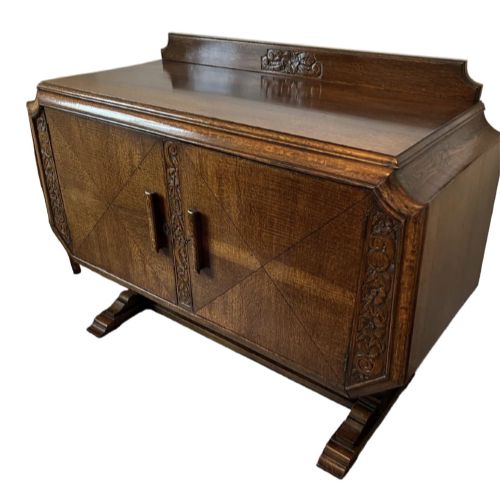
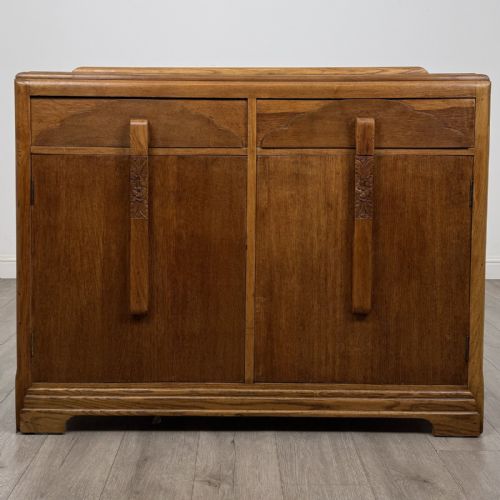
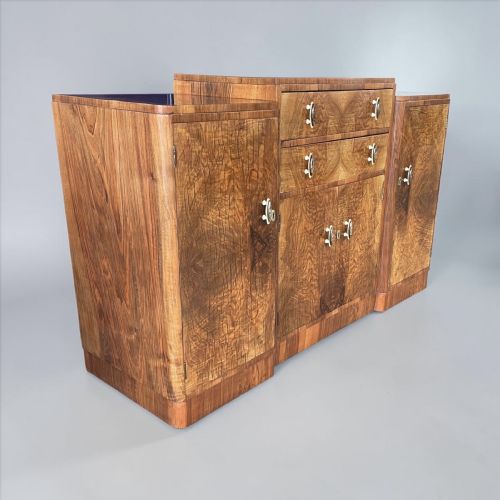
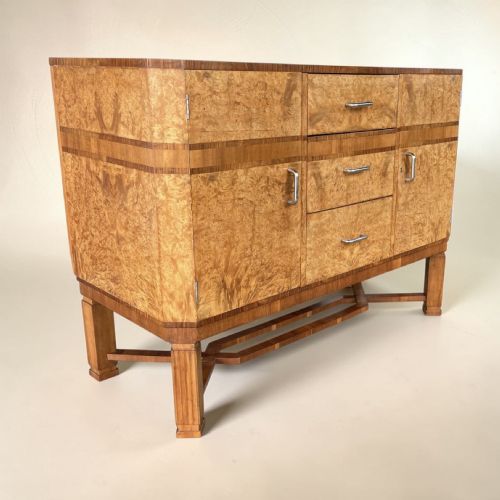
A vintage art deco sideboard brings sculptural geometry and figured timbers into a dining room or hall.
Vintage Art Deco Sideboard
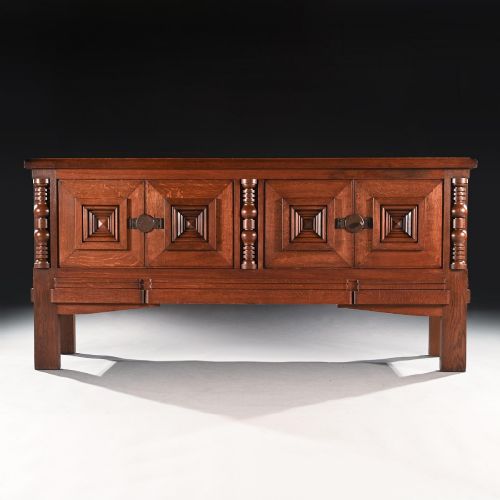
When you search for a vintage art deco sideboard, you encounter low-slung storage units designed to anchor a room through strong horizontal lines and symmetrical door arrangements. These pieces emerged primarily around nineteen thirty, though examples stretch from the nineteen tens through the nineteen forties with related variants in oak, walnut, and mahogany.
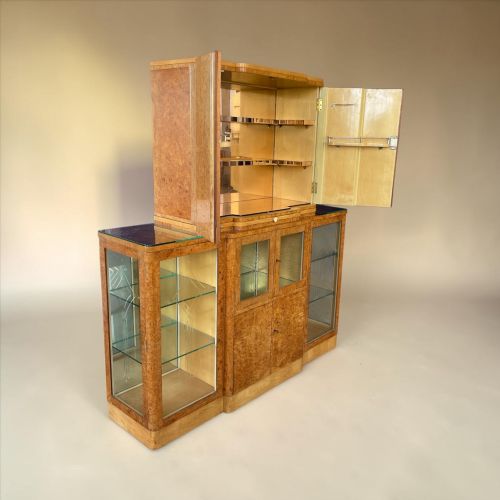
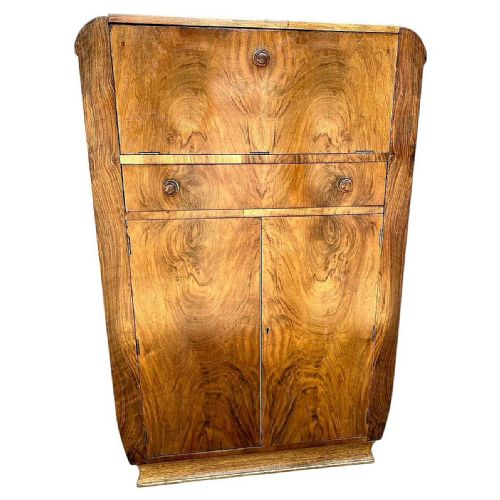
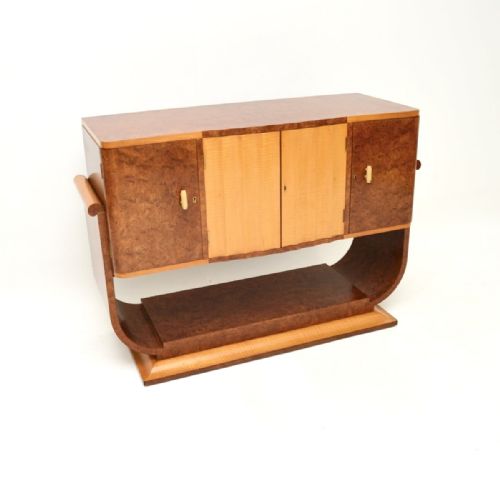
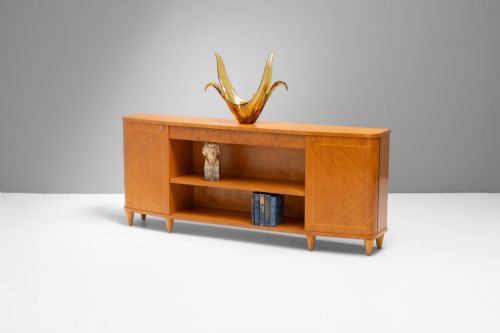
The form encompasses dedicated cocktail and drinks cabinets alongside traditional sideboards and buffets, often fitted with internal shelving and pull-out trays. English and French workshops dominated production, alongside Swedish makers contributing lighter timbers such as satin birch and rosewood.
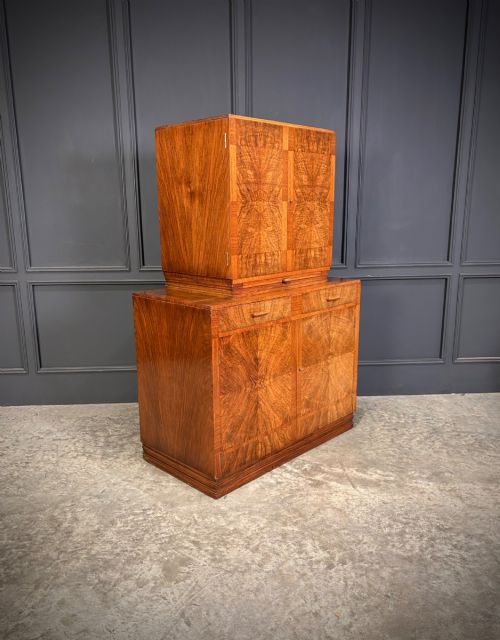
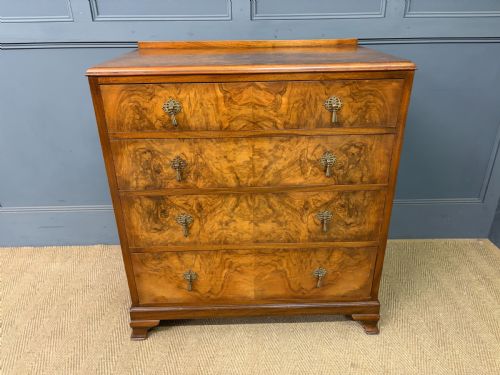
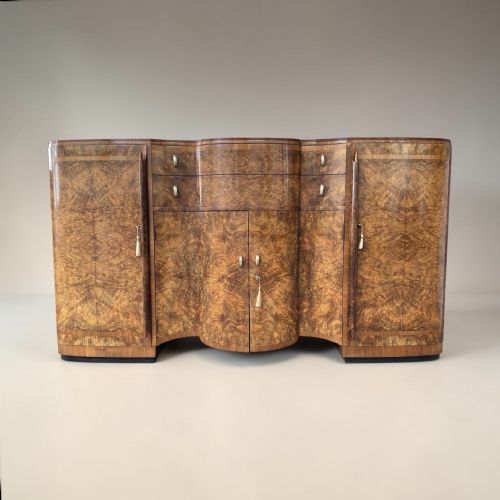
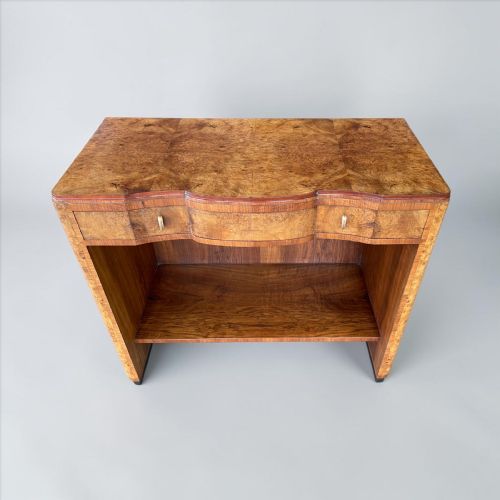
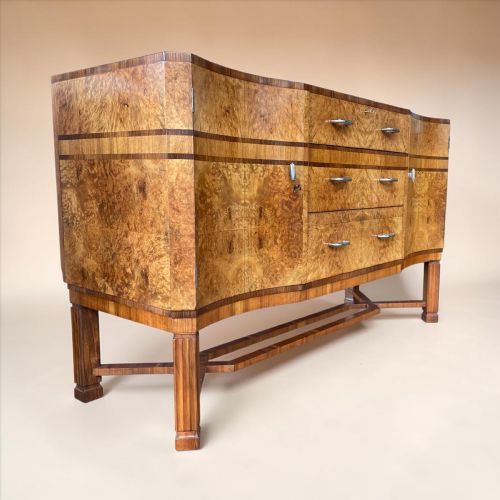
Most items you meet on this page date from the interwar period and rely on substantial carcases veneered in burr walnut or figured walnut to create striking grain patterns across the front.
How they were made
Cabinet makers constructed these pieces using solid timber carcases overlaid with decorative wood veneers, particularly burr walnut, sycamore, and palisander, arranged to display symmetrical grain patterns. French polish or lacquer finishes sealed the wood while enhancing the natural depth and warmth of the figure.
Metal elements in brass and bakelite appeared as distinct handles, hinges, and escutcheons, providing sharp contrast to the rich brown and honey tones of the primary timbers. Some variants incorporated specialist materials such as parchment-covered drawers or glass panels within display sections.
Vintage Art Deco Sideboard Retail Price Guide 2026
Typical asking prices for vintage art deco sideboard among the pieces listed under this phrase on Sellingantiques today, from the lower quarter to the upper quarter. They describe what is for sale here now, not the wider market.
Some cocktail cabinets contain built-in electric lights that switch on automatically when the doors open.
What varies in quality
The standard of a vintage art deco sideboard rests upon the ambition of its veneer selection and the precision of its geometric layout. Master cabinet makers matched grain patterns meticulously across multiple doors and drawers to create continuous flowing designs.
Construction methods also dictate worth, distinguishing mass-produced commercial items from bespoke workshop commissions that utilised solid secondary timbers, heavy brass hardware, and fitted interiors with specialised glass or mirror work.
Maurice Adams·Harry and Lou Epstein·Gomme·Hille·Heals of London·Hamptons of Pall Mall London·Bowman Brothers
The Vintage Art Deco Sideboard Glossary
- Burr Walnut
- A timber harvested from walnut tree growths that produces swirling, highly decorative grain patterns. Makers prized this material for prominent door panels.
- Cocktail Cabinet
- A specialised storage unit equipped with mirrored interiors, bottle racks, and glass shelves for entertaining. These often feature drop-down serving flaps.
- Veneer
- A thin layer of superior wood applied over a stable secondary timber carcase. This technique allowed workshops to display expensive grain figures economically.
- Palisander
- A dense tropical hardwood with dark grain markings utilised in high-end cabinet making. It offers a deep, rich colouration.
- Commode
- A low storage cabinet with drawers or doors, originating in France. In this context, the term describes compact sideboard variants.
Vintage Art Deco Sideboard: Frequently Asked Questions
How do I spot a genuine piece?
Examine the construction methods, timber selections, and hardware used on the carcase. Genuine interwar items typically combine solid secondary woods with thick decorative veneers and period-correct brass or bakelite fittings.
Look for traditional joinery techniques inside drawers and behind back panels rather than modern fixings. Maker stamps or labels can also confirm the origin of the piece.
Where should I place my cabinet?
These sideboards suit dining rooms, living spaces, or hallways where their horizontal proportions can anchor the room. Ensure you measure the floor space and clearance for opening doors or drop-down cocktail flaps.
Keep the wood away from direct sunlight and heat sources to protect the delicate veneer and polish from drying out or fading over time.
How do I care for walnut veneer?
Dust the surface regularly with a soft, dry cloth to prevent dirt build-up. Avoid using silicone sprays, abrasive cleaners, or excess water, which can damage the traditional polish.
Apply a quality beeswax periodically to nourish the wood and maintain its natural lustre without sealing the surface permanently.
What is the difference between styles?
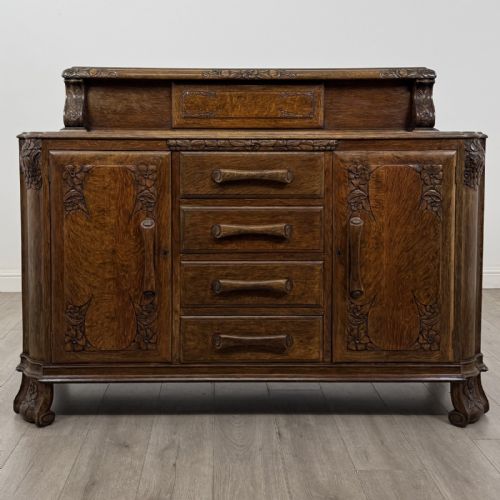
English pieces often emphasise heavy, figured walnut and traditional proportions with subtle geometric accents. French and Swedish examples frequently incorporate lighter timbers like satin birch, alongside unusual forms and parchment details.
Mid-century and industrial variants show a transition towards cleaner, more stripped-back utilitarian lines as tastes shifted away from interwar ornamentation.