


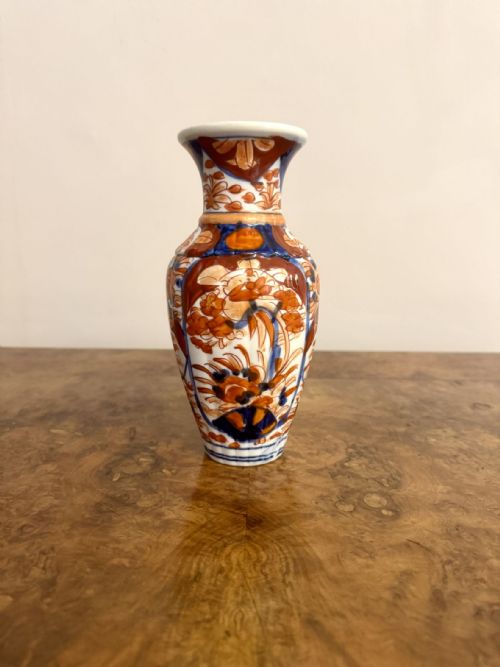


Vintage Arita Vases
Vintage arita vases are enduring ceramic works offering rich historic character and timeless aesthetic appeal for any interior scheme.
Vintage Arita Vases
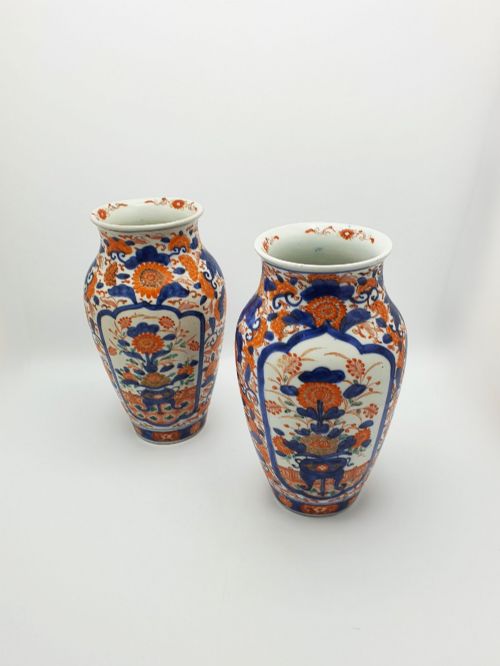
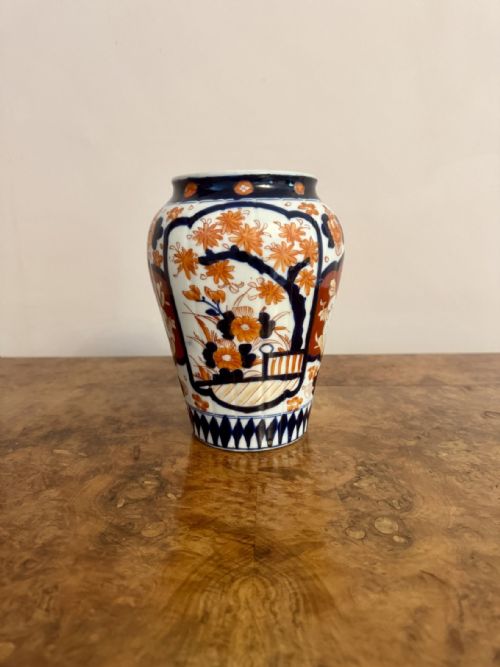
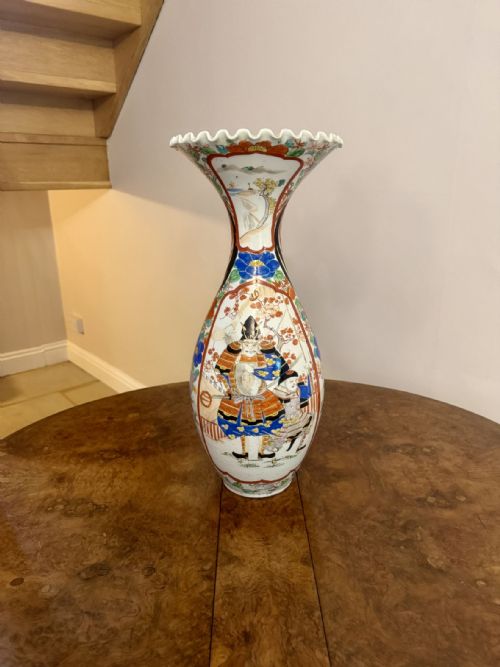
Vintage arita vases comprise traditional Japanese ceramic vessels originating from the historic kilns of Hizen province. Collectors searching for vintage arita vases encounter diverse forms ranging from baluster vessels and covered ginger jars to wine bottles.
The pieces on this page span several centuries of production, extending from early seventeenth century examples through to the Meiji period and the twentieth century. Japanese Imari and Edo styles predominate among the selections currently offered by dealers.
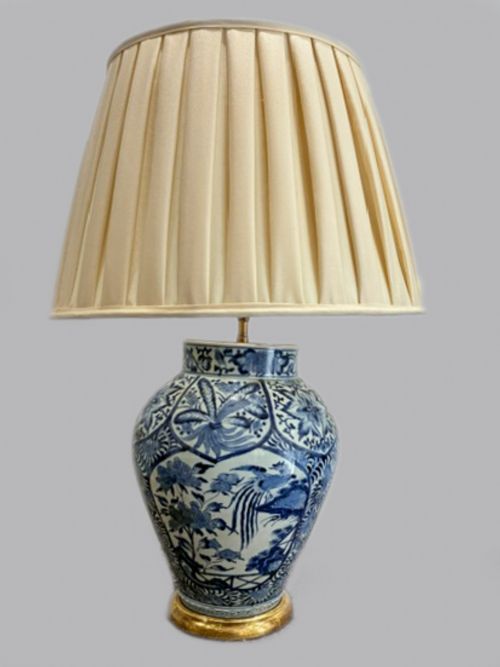
Vessels take various practical and decorative shapes, including pairs of shaped vases and large display pieces. Some specimens have also been converted into table lamps over the course of their long histories.
How they were made
Potters utilised fine white porcelain clay sourced locally in the Saga region, shaping the bodies on traditional wheels or within moulds. Skilled artisans then applied underglaze cobalt glaze before firing the pieces in ascending chamber kilns.
Many examples incorporate polychrome enamel detailing alongside rich gold leaf applications to create the characteristic Imari palette. Certain pieces also feature auxiliary materials such as brass fittings or wooden elements added during later European adaptations.
Vintage Arita Vases Retail Price Guide 2026
Typical asking prices for vintage arita vases among the pieces listed under this phrase on Sellingantiques today, from the lower quarter to the upper quarter. They describe what is for sale here now, not the wider market.
Listings feature porcelain vessels spanning the seventeenth, eighteenth, nineteenth, and twentieth centuries, alongside silk and brass components.
What varies in quality
The refinement of the painted cobalt decoration and the precision of the enamel brushwork set exceptional vessels apart from standard production pieces. Superior examples display crisp definition in the floral and panel motifs without blurring or running in the glaze.
Purity of the porcelain body and the complexity of the vessel form, such as shaped baluster profiles or matching garnitures, dictate the standing of individual items. Age also influences desirability, with pieces originating from the seventeenth and eighteenth centuries commanding particular attention.
The Vintage Arita Vases Glossary
- Arita
- The historic Japanese town in Hizen province where porcelain production began in the early modern era. It remains the spiritual heartland of Japanese ceramic artistry.
- Imari
- A traditional style of Japanese porcelain decorated in underglaze blue, iron red, and gold. These colourful wares were extensively exported to Europe via the port of Imari.
- Meiji
- The period of Japanese history spanning from eighteen sixty-eight to nineteen twelve, noted for opening trade with the West and high artistic output.
- Baluster
- A vase shape characterised by a rounded body that tapers towards a narrow neck and a flared rim. This classic silhouette provides a stable and visually balanced display form.
- Garniture
- A set of three or more matching vases designed to be displayed together on a mantelpiece or cabinet top. Such matched sets represent significant collaborative effort by the kiln workers.
Vintage Arita Vases: Frequently Asked Questions
How do I date an arita vase?
Dating relies upon examining the clay body, the characteristics of the cobalt pigment, and the style of the enamel decoration. Earlier pieces from the seventeenth and eighteenth centuries typically exhibit different potting techniques and iron impurities compared to later Meiji era productions.
Changes in export demand and kiln technology over the centuries also left distinct clues on the foot ring and base of each vessel. Comparing stylistic motifs with securely dated examples helps narrow down the period of manufacture.
Were these vases made for export?
Many arita vessels were produced specifically for export to European markets via Dutch and Chinese trading companies. These pieces often featured flamboyant Imari palettes designed to appeal to Western tastes and complement stately home interiors.
At the same time, potters created wares for domestic Japanese use, resulting in a fascinating cross-cultural exchange of ceramic forms and decorative themes over several centuries.
Can I use these vases for fresh flowers?
While these historic vessels were primarily created for decorative display, some robust porcelain bodies can safely hold water. However, many collectors prefer to keep antique vases empty to preserve the interior glaze and avoid accidental damage.
If you choose to use them for floral arrangements, placing a small glass container inside the neck protects the antique porcelain from prolonged moisture exposure and mineral deposits.
Why are some vases converted to lamps?
During the nineteenth and twentieth centuries, European and American owners frequently adapted large porcelain vases into electric table lamps. This practice allowed people to repurpose valuable Imari vessels into functional lighting for drawing rooms and libraries.
Today, these converted pieces represent a distinct chapter in the history of the objects, blending Japanese ceramic artistry with Western interior design traditions.