



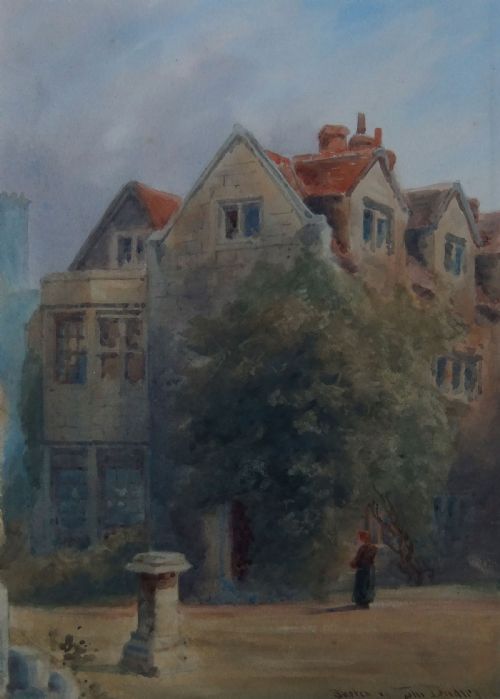


Vintage Architectural Watercolour Study
These vintage architectural watercolour study pieces capture historic buildings and grand facades with ink, pigment and precise hand.
Vintage Architectural Watercolour Study
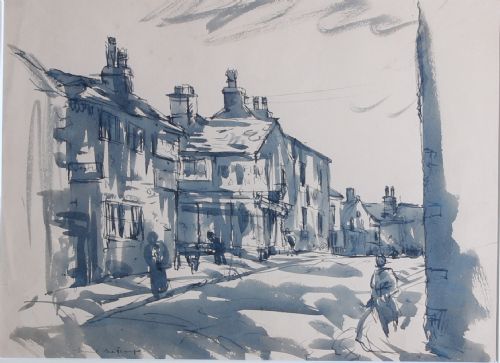
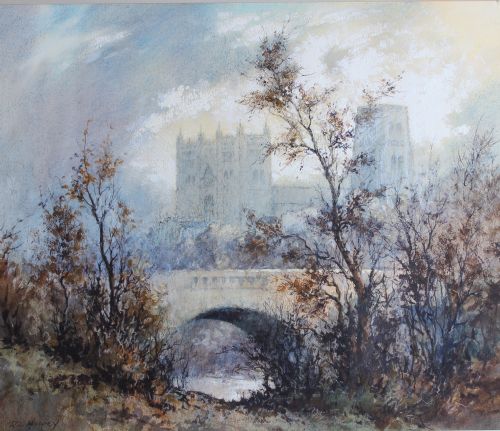
A vintage architectural watercolour study represents historic buildings, ancient ruins and domestic interiors captured through careful hand-painted observation. These works range from grand continental antiquities to detailed studies of British halls, churches and street scenes.
Buyers meet pieces originating from the nineteenth century up to the mid-twentieth century. The selection encompasses depictions of cathedrals, classical arches, Dutch facades and country houses executed on paper.
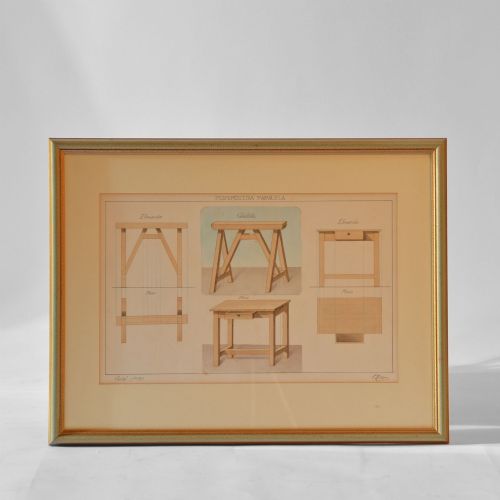
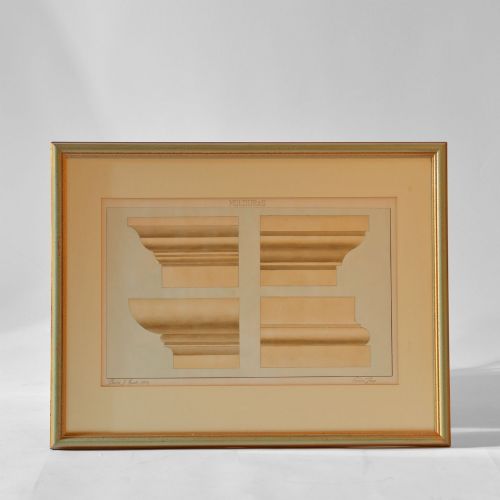
Framed presentation forms are common, protecting the delicate paper supports while displaying the ink underdrawings and washes clearly. Each piece serves as a visual record of built heritage viewed through the lens of past artists.
Materials and technique
Artists built these compositions upon paper supports using watercolour pigment and fluid ink lines to define structural edges. Graphite underdrawings frequently provide the geometric framework before washes of colour and monochrome tones are applied.
Wooden frames and glass glazing protect the fragile paper works from environmental moisture and handling damage. Selected pieces combine monochrome ink with subtle watercolour touches to emphasise architectural depth and shadow.
Vintage Architectural Watercolour Study Retail Price Guide 2026
Typical asking prices for vintage architectural watercolour study among the pieces listed under this phrase on Sellingantiques today, from the lower quarter to the upper quarter. They describe what is for sale here now, not the wider market.
Artists occasionally captured buildings so accurately you can practically hear the nineteenth-century pigeons cooing on the cornices.
Evaluating the work
Quality rests upon the precision of the draughtsmanship and the artist's ability to render complex perspective accurately. Works that balance fine ink line work with controlled pigment washes demonstrate superior technical command.
The sophistication of the subject matter and the clarity of the architectural detail distinguish finer examples from simpler decorative items. Condition of the paper surface and the preservation of the original pigments also influence the standing of each piece.
Robert Leslie Howey·Anne Dorrien Smith·Peter Toft·John J. Hamer·Tom Dudley·Margaret Thompson
The Vintage Architectural Watercolour Study Glossary
- Watercolour pigment
- Finely ground colour particles suspended in a water-soluble binder. This medium allows for transparent washes that reveal underlying ink lines.
- Grand Tour
- A traditional cultural journey through Europe undertaken by upper-class young men in the eighteenth and nineteenth centuries. Resulting watercolours recorded classical antiquities and foreign architecture.
- Monochrome ink
- A single-colour drawing medium utilised to establish stark outlines and tonal contrast before colour application. It underpins the structural accuracy of many architectural drawings.
- Framed artwork
- A piece enclosed within a protective wooden boundary and covered with glass. This method preserves delicate paper surfaces from atmospheric degradation.
Vintage Architectural Watercolour Study: Frequently Asked Questions
How should I hang watercolour studies?
Keep framed pieces away from direct sunlight to prevent the watercolour pigments from fading over time. Maintain stable room temperatures to protect the paper and wooden frames from moisture damage.
Position the artwork at eye level where the fine architectural ink details can be examined closely. Ensure the hanging wall is free from dampness to preserve the integrity of the antique paper support.
What periods do these pieces span?
The selection covers items produced from the Victorian era through the early twentieth century. Key dates visible across the works include the nineteenth century, eighteen-eighties, and nineteen-fifties.
Earlier nineteenth-century examples often focus on classical ruins and domestic country houses. Later twentieth-century pieces continue the tradition of recording specific buildings and village street scenes.
Are these works original paintings?
Each listed piece is a hand-produced painting or drawing created using watercolour, ink and graphite on paper. Artists applied wet pigments directly to the paper support during creation.
While some titles reference prints, the primary medium remains the unique hand-painted watercolour study. Collectors receive original works rather than modern mass-produced reproductions.
What subjects are most common?
Depictions of historic European architecture, cathedrals, classical ruins and English country houses dominate the subjects. Artists frequently recorded famous monuments during travels or documented notable domestic architecture.
Scenes range from Italian classical arches to Yorkshire manors and Dutch street fronts. Each subject reflects the prevailing artistic interest in historic buildings and topography.