




Vintage Architectural Sketch Artwork
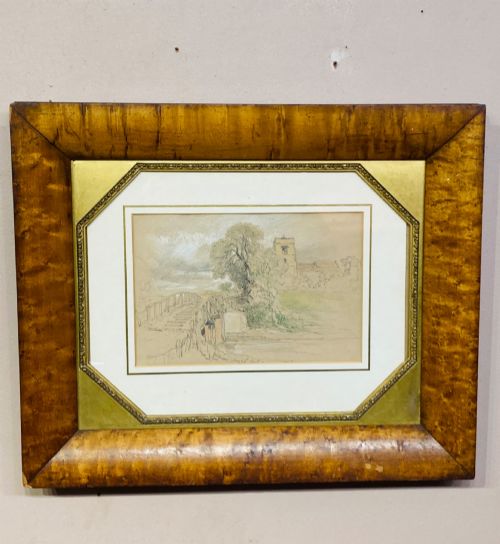
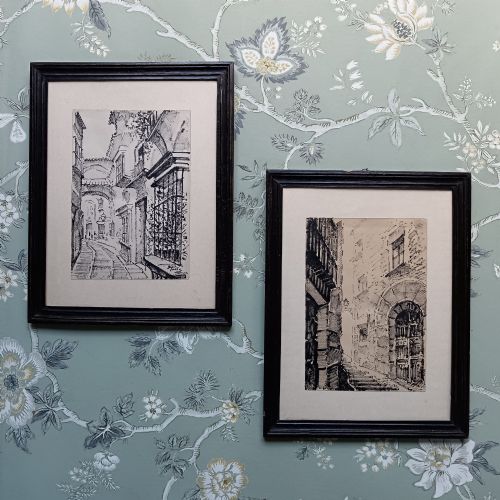
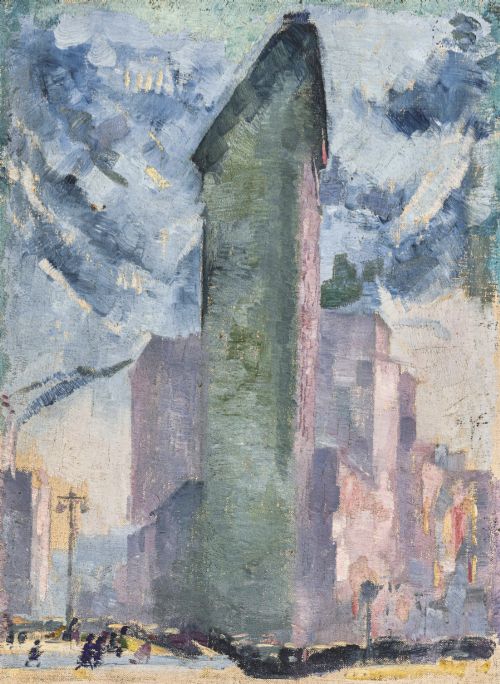
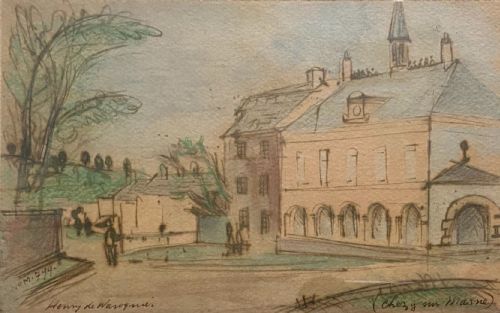
Vintage architectural sketch artwork captures the drafted lines of churches, stations, and streetscapes on paper.
Vintage Architectural Sketch Artwork
Vintage architectural sketch artwork encompasses original drawings, watercolours, and mixed media studies of buildings and townscapes. Buyers searching for vintage architectural sketch artwork find works spanning the nineteenth century through the mid-twentieth century.
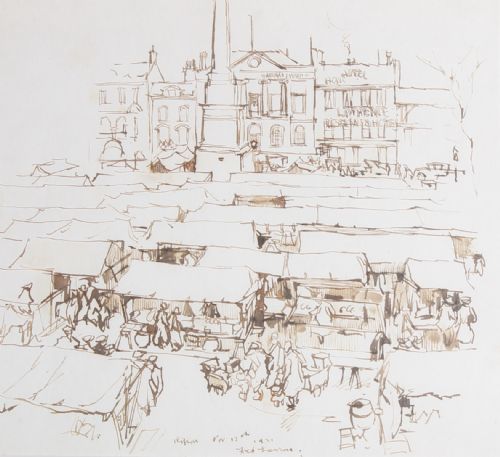
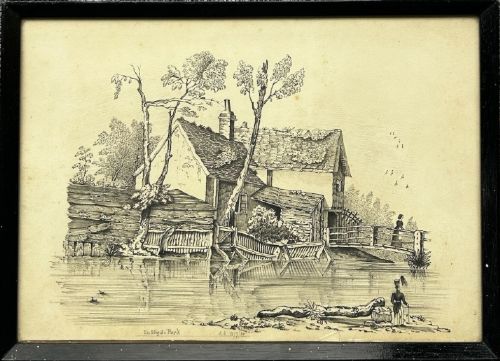
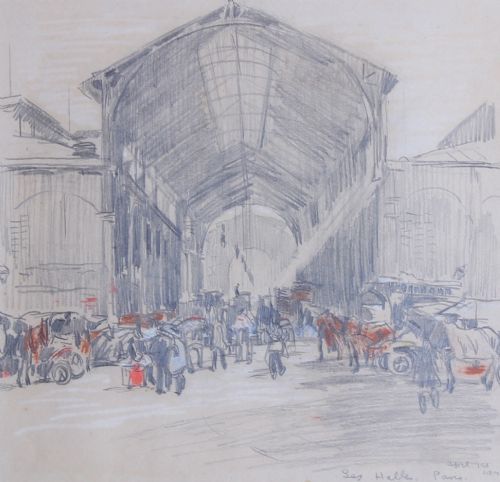
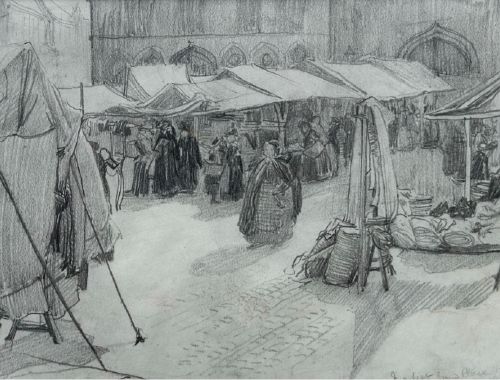
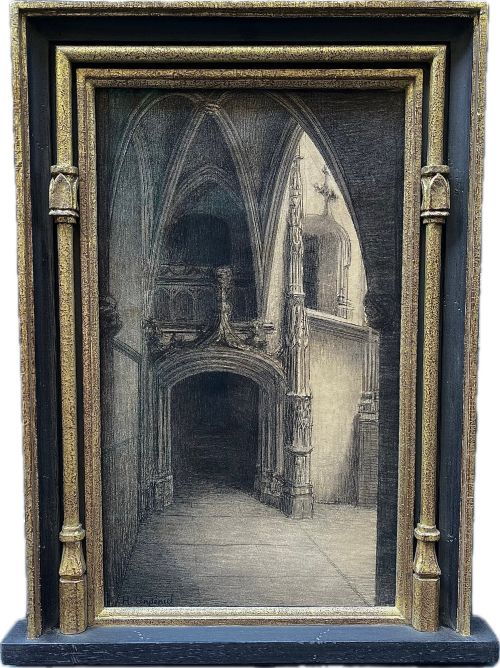
The selections on this page focus heavily on topographical studies, churches, and urban street scenes. These pieces originate from British, French, and Spanish hands, recording domestic and continental structures in ink, pencil, and wash.
Materials and technique
Artists executed these works primarily on paper supports utilising ink, pencil, graphite, charcoal, and watercolour. Many pieces combine ink line work with watercolour washes to define stone facades, roofs, and surrounding landscapes.
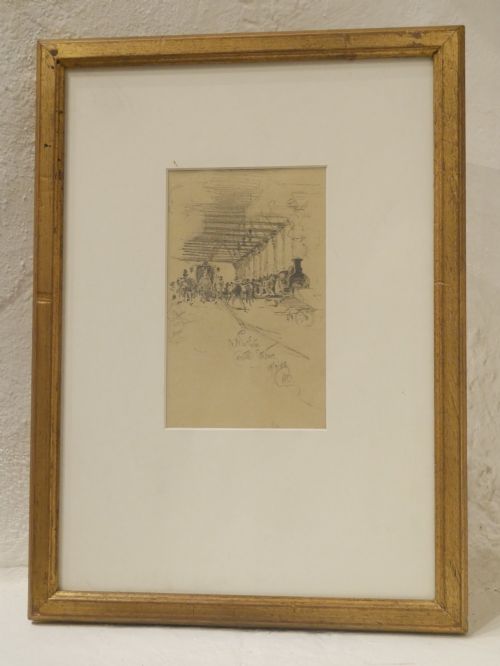
Framing materials commonly include wood and glass to protect the delicate paper works. Monochrome ink drawings rely on precise pen work, whilst later mid-century examples incorporate pastel and mixed media.
Vintage Architectural Sketch Artwork Retail Price Guide 2026
Typical asking prices for vintage architectural sketch artwork among the pieces listed under this phrase on Sellingantiques today, from the lower quarter to the upper quarter. They describe what is for sale here now, not the wider market.
The listings on this site span the nineteenth century through the 1960s, featuring paper, ink, watercolour, pencil, charcoal, and glass materials.
What varies in quality
Quality rests upon the precision of the draughtsmanship and the clarity of the architectural detail. Stronger works demonstrate confident pencil or ink control that accurately renders perspective and structural proportions.
The handling of wash and colour also dictates the distinction between standard topographical records and superior compositions. Works signed by documented artists or possessing detailed provenance generally exhibit greater artistic execution.
Muriel Metcalfe·Henry Lines·Henry Percy Huggill·Alfred Wolmark·Henri Charles Angéniol·Henry de Waroquier·Denis William Reed·Fred Lawson·Maurice Asselin·Tom Dudley·Joseph Hansom
The Vintage Architectural Sketch Artwork Glossary
- Drawing
- A work created using dry media such as pencil, charcoal, or pastel on paper. These pieces often serve as preparatory studies or finished topographical records.
- Watercolour
- A paint consisting of pigment suspended in a water-based solution, applied in translucent washes over ink or pencil outlines.
- Wash
- A thin, fluid layer of watercolour or diluted ink spread evenly across paper to create tone, shadow, or atmospheric depth behind architectural lines.
- Gothic Revival
- An architectural and artistic style reviving medieval Gothic forms, frequently seen in nineteenth-century drawings of churches and cathedrals.
- Provenance
- The documented history and ownership lineage of an artwork, establishing its authenticity and origin.
Vintage Architectural Sketch Artwork: Frequently Asked Questions
What is vintage architectural sketch artwork?
These pieces comprise original drawings, ink studies, and watercolours depicting buildings, churches, and street scenes. They serve as historical records of urban and rural development.
Created across the nineteenth and twentieth centuries, the works capture structural details through the hand of individual artists and draughtsmen.
How were these architectural sketches used?
Artists produced these drawings as field studies, architectural records, or finished topographical artworks intended for display. Some served as preparatory designs for larger paintings or specific construction projects.
Many captured historic European monuments, town halls, and domestic properties during travels abroad or local architectural surveys.
How do I live with works on paper?
Paper artworks require careful placement away from direct sunlight to prevent fading of watercolours and inks. Glazed framing helps protect the delicate surfaces from atmospheric moisture and dust.
Displaying them in stable indoor environments ensures the longevity of both the paper support and the wooden frames.
How do I tell periods apart?
Nineteenth-century works often feature detailed Gothic Revival church studies or monochrome ink washes with precise topographical notations. Mid-century examples introduce bolder charcoal marks, pastel mediums, and looser modernist perspectives.
Signatures, dates within titles, and framing styles also offer reliable clues to the decade of creation.