




Vintage Architectural Engraving
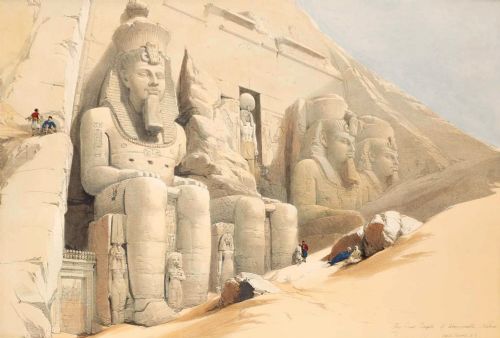
These vintage architectural engraving plates capture classical facades and ancient ruins on paper, offering collectors a direct window into historic draughtsmanship.
Vintage Architectural Engraving
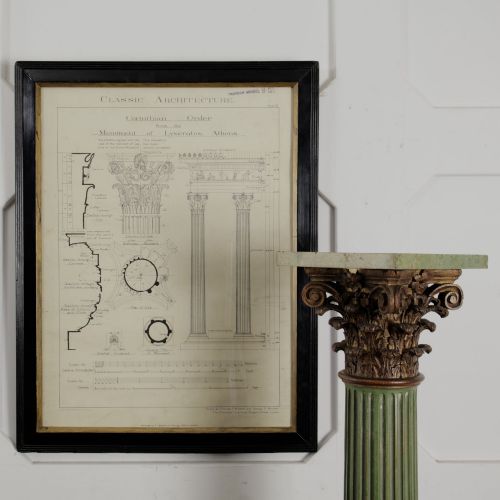
A vintage architectural engraving represents printed paper plates detailing structural elevations, classical orders, and ancient ruins spanning several centuries. Buyers searching for a vintage architectural engraving will encounter works originating from the seventeenth century through to the early twentieth century, encompassing periods such as Georgian, Victorian, and Regency.
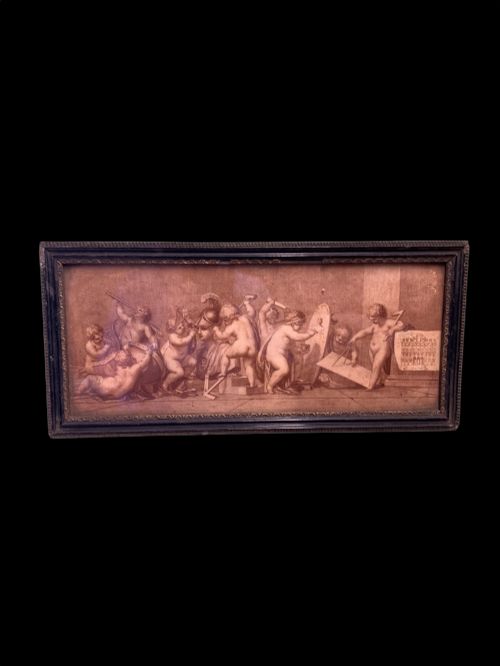
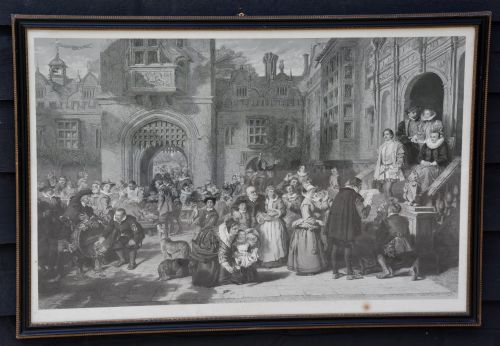
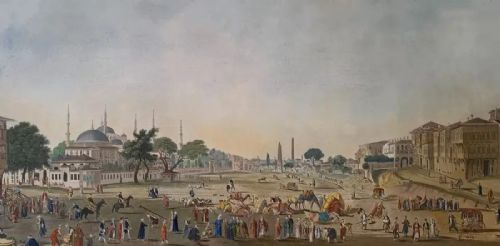
The physical objects commonly appear as framed prints, wall art, and bound plates showing subjects like the antiquities of Athens, classical temples, and historic cityscapes. These pieces derive from dedicated print series, topographical folios, and detailed architectural surveys produced across Europe.
Materials and construction
These works rely primarily on paper sheets inscribed using copper plate engraving or etching techniques, supplemented by black and white or hand applied watercolour ink. Skilled draughtsmen and printmakers transferred intricate line work onto metal plates before pressing them onto laid or wove paper.
Many surviving examples retain their original wood framing, sometimes incorporating gold leaf accents or glass protection to preserve the delicate paper surfaces underneath.
Listings feature paper, ink, watercolour, glass, wood, gold leaf, brass, and wrought iron across the eighteenth, nineteenth, and early twentieth centuries.
Assessing the pieces
Quality separates along the crispness of the plate impression and the depth of the ink within the paper fibres. Finer printings retain microscopic details in classical cornices and figures, whereas worn plates yield blurred lines.
The preservation of the paper sheet, the presence of contemporary hand colouring, and the integrity of period frames substantially elevate the standing of an individual print.
Francesco Piranesi·James Basire·Alessandro Mocchetti·Giovanni Ottaviani·Anton Ignaz Melling
The Vintage Architectural Engraving Glossary
- Engraving
- A printmaking technique where an artist cuts lines directly into a copper plate with a sharp tool called a burin. This method produces crisp, precise architectural lines.
- Etching
- A process where acid bites lines into a metal plate covered with an acid resistant ground. It allows for freer, more painterly lines than traditional engraving.
- Hand Coloured
- The deliberate application of watercolour pigments by hand onto a printed monochrome sheet. This adds vivid hues to architectural elevations and landscape scenes.
- Neoclassical
- A style inspired by the classical architecture and art of ancient Greece and Rome. It dominates many of the temple and ruin plates found in this category.
Vintage Architectural Engraving: Frequently Asked Questions
How should I frame an old engraving?
Protect the paper by using acid free mounting boards and conservation grade backing materials to prevent discolouration over time. Keep the framed piece away from direct sunlight to stop the ink and any watercolour tints from fading.
Ensure the glass does not touch the surface of the paper directly by utilising a spacer or a traditional mount. This prevents moisture accumulation and protects the delicate plate mark.
What is a plate mark?
A plate mark is the indented impression left in the paper by the edges of the metal plate under the high pressure of a printing press. Its presence confirms that the piece is a genuine print pulled from a physical plate rather than a modern photographic reproduction.
Collectors look for a distinct, sharp indentation surrounding the printed image. The depth and clarity of this mark often help identify the age and authenticity of the work.
How do I date an architectural print?
Examine the paper type, watermark evidence, and the typographic style used for any captions or publisher credits along the lower margin. Seventeenth and eighteenth-century papers often feature distinct laid lines and watermarks visible when held to the light.
Cross-reference the depicted structure, publisher name, or artist signature with historical records. Architectural plates from specific folios often carry publication dates within their marginalia.
Can I display these prints in bright rooms?
Extended exposure to strong natural light degrades paper fibres and causes both black ink and applied watercolours to fade permanently. Position these artworks on interior walls away from direct windows and harsh spotlights.
Utilising framing glass with ultraviolet filtering properties offers an extra layer of defence. This preserves the contrast between the dark ink and the aged paper background.