
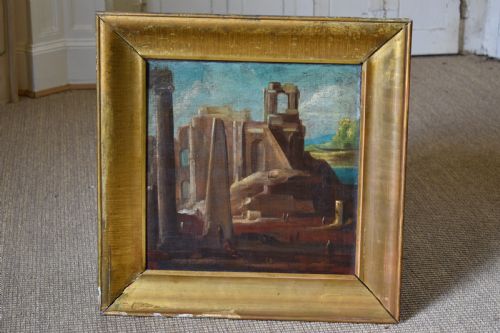


Framed Roman Architectural Art
Framed roman architectural art brings classical antiquity into your home through enduring depictions of ancient ruins and monuments.
Framed Roman Architectural Art
Framed roman architectural art captures the enduring allure of classical antiquity, ranging from eighteenth-century engravings to nineteenth-century watercolours. Buyers looking for framed roman architectural art will encounter a diverse selection of wall art, including oil paintings, watercolour paintings, and framed prints depicting ancient ruins and monuments.
The pieces on this page heavily reflect the Grand Tour tradition, featuring Neoclassical and eighteenth or nineteenth-century Italian styles. Visitors are most likely to meet nineteenth-century watercolours and eighteenth-century engravings showing classical scenes, architectural subjects, and historical ruins.
How these works were created
These works utilise traditional mediums on paper and canvas, frequently combining watercolour, ink, and oil paint. Skilled artists and printmakers applied these materials to capture fine architectural details and classical landscapes.
Framing often incorporates wood and gold leaf, or gilt wood surrounds that complement the classical subject matter. The physical construction relies on period mounting techniques to protect fragile paper prints and watercolours behind glass.
Listings feature paper, wood, glass, and gold leaf alongside oil on canvas and watercolour.
What separates the finest examples
Quality in these works rests upon the precision of the draughtsmanship and the handling of perspective in the architectural rendering. Finer pieces demonstrate a superior grasp of light and shadow, bringing depth and atmospheric presence to classical ruins.
The execution of the medium itself distinguishes the range, from meticulously detailed etchings and engravings to masterly brushwork in watercolours and oil on canvas. Original period framing in gold leaf or gilt wood adds further distinction to the superior examples.
Francesco Piranesi·Giovanni Paolo Panini·Ettore Ascenzi
The Framed Roman Architectural Art Glossary
- Grand Tour
- A traditional trip of Europe undertaken by upper-class European young men of sufficient means flourished during the eighteenth and nineteenth centuries. It heavily influenced the creation of classical architectural art.
- Neoclassical
- A Western cultural movement in the decorative and visual arts that drew inspiration from the art and culture of classical antiquity. This style defines many of the architectural scenes and ruins depicted in these works.
- Etching
- A printmaking process where lines are incised into a metal plate with acid before ink is applied and transferred to paper. This technique produced detailed architectural plates during the eighteenth century.
- Gilt wood
- Wood that has been treated with a thin layer of gold leaf or gold paint for decorative effect. It frequently frames these classical paintings and engravings.
Framed Roman Architectural Art: Frequently Asked Questions
What is grand tour art?
Grand tour art encompasses paintings, watercolours, and prints acquired by travellers exploring classical sites in Italy during the eighteenth and nineteenth centuries.
These pieces typically feature famous ruins, ancient architecture, and scenic vistas designed to commemorate the journey.
How old are these artworks?
The pieces span from the eighteenth century through to the late nineteenth century, reflecting periods such as the neoclassical era.
Dates are determined by stylistic evidence, mediums utilised, and historical records associated with the artists or printmakers.
What subjects appear most often?
Common subjects include classical Roman ruins, famous monuments like the Colosseum, and architectural scenes from sites such as Pompeii.
Artworks also feature antiquities, statues, and Italian landscape paintings incorporating classical elements.
How should I display them?
These framed works suit traditional study spaces, libraries, or living areas where classical decor is desired.
Protect them from direct sunlight to preserve the delicate watercolours, paper, and gold leaf frames.