


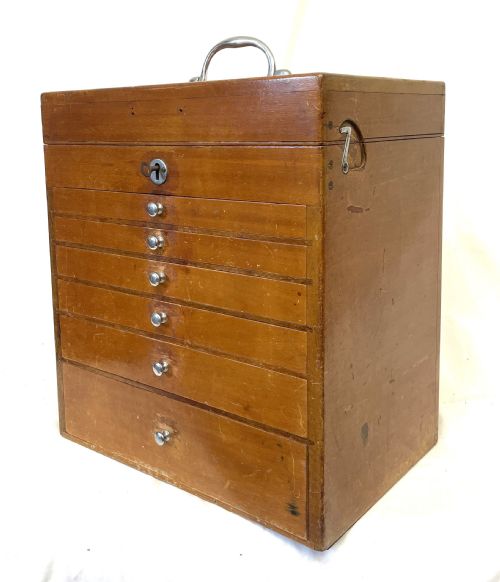


Vintage Apothecary Box
A vintage apothecary box is a portable medical chest designed to hold remedies securely, offering a glimpse into historic healthcare.
Vintage Apothecary Box
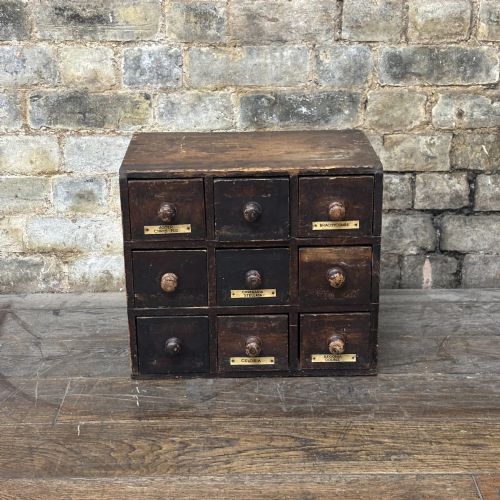
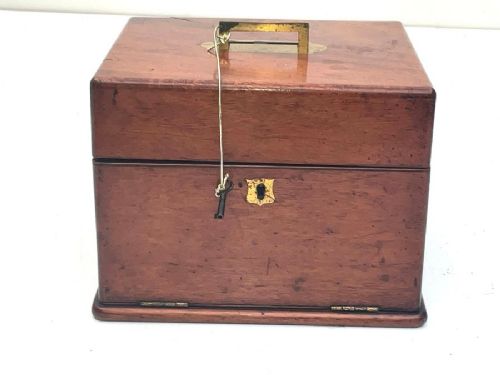
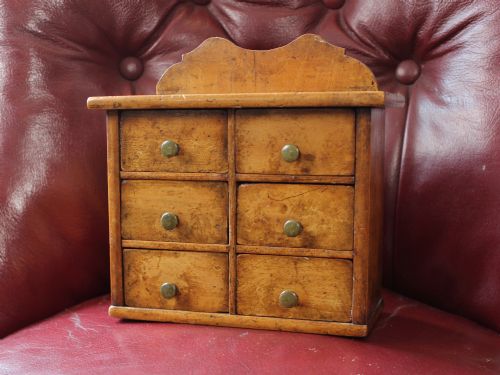
A vintage apothecary box serves as a compact storage chest for medical remedies, herbs, and dispensing equipment. These pieces range from portable travelling cases to countertop display cabinets and wall-hanging spice boxes.
The selections available here predominantly span the Georgian, Victorian, and Edwardian periods. Buyers will encounter fitted mahogany travel cases alongside utilitarian oak and pine wall boxes.
Many examples retain interior fittings such as glass bottles, drawers, and velvet linings. These functional compartments reveal how medical preparations were organised and transported in past centuries.
How they were made
Cabinet makers utilised dense hardwoods like mahogany, fruitwood, and oak to construct durable frames capable of protecting fragile glass contents. Pine and elm appear frequently in utilitarian and regional pieces.
Hardware played a crucial structural role, incorporating brass for carrying handles, locking mechanisms, and corner reinforcements on campaign cases. Velvet linings were often fitted inside compartments to cushion glass bottles and instruments.
Surviving components include glass bottles, brass hardware, velvet linings, and precision beam scales.
What varies in quality
Quality rests primarily in the precision of the interior joinery and the completeness of the original fittings. Boxes that retain matching glass bottles, scales, or small drawers demonstrate higher original craftsmanship.
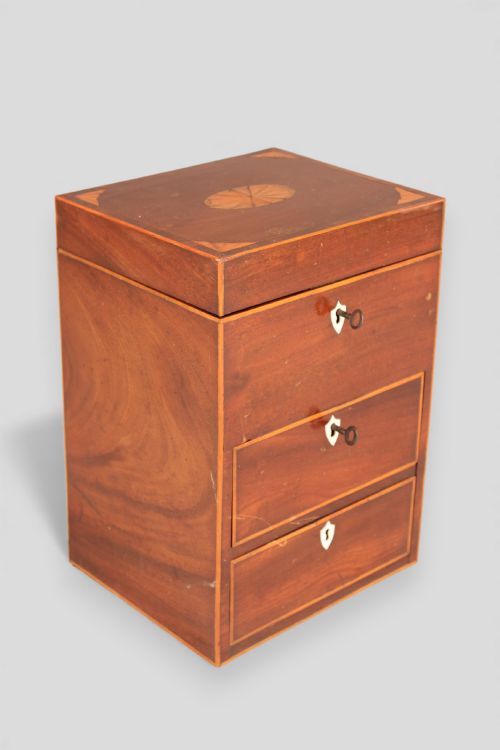
The choice of timber and exterior finishing also distinguishes standard utility items from elite specimens. Finely figured mahogany with inlaid details marks out sophisticated Georgian and Regency travelling cases from plain pine or oak wall boxes.
Oertling
The Vintage Apothecary Box Glossary
- Campaign case
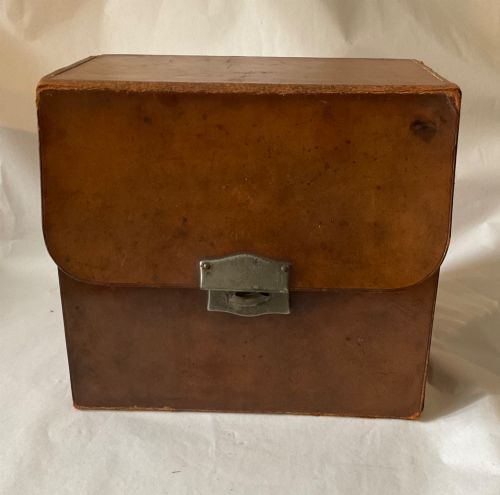
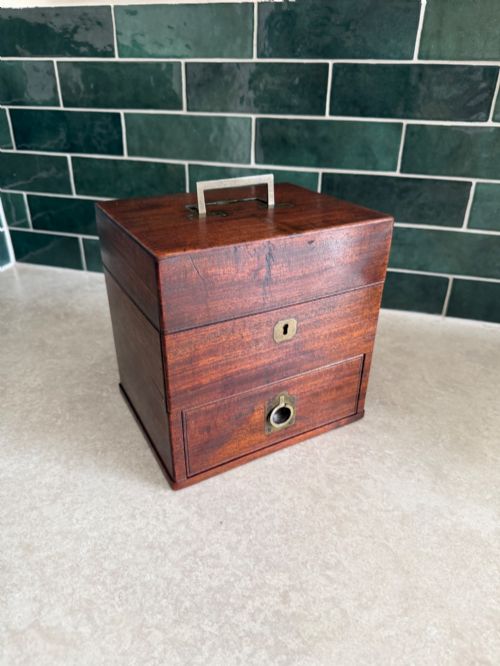
- A portable wooden chest built with flush brass handles and reinforced corners for travel. These sturdy boxes allowed practitioners to carry medicines securely on journeys.
- Pill rounder
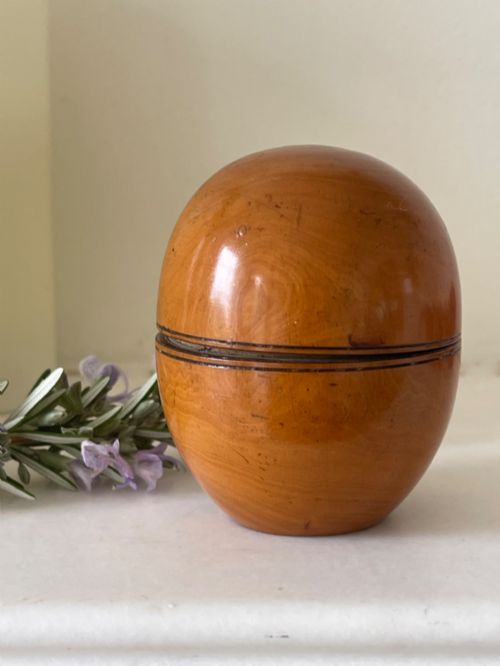
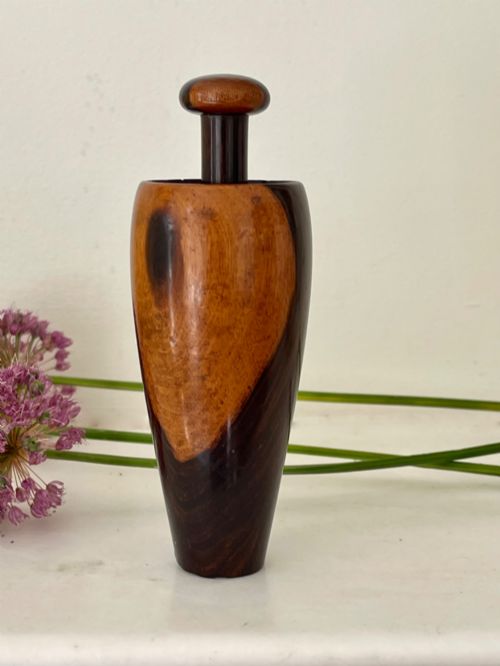
- A wooden tool used historically to shape individual medicinal pills by hand. Pharmacists rolled a slab of paste across the device to create uniform spheres.
- Precision beam scales
- A delicate weighing instrument utilised by chemists to measure exact quantities of dry ingredients. These devices relied on balanced metal arms and small weights.
Vintage Apothecary Box: Frequently Asked Questions
What did they store inside?
These containers held glass bottles filled with liquid remedies, dried herbs, powders, and compounding tools like scales and mortar sets. Travelling versions kept medical supplies organised for house calls and journeys.
Fitted compartments and secret drawers secured dangerous substances and fragile glassware safely during transit.
How do I date a box?
Dating relies on timber choices, brass hardware styles, and construction techniques typical of periods like the Georgian or Victorian eras. Mahogany and fine brass inlays often point to earlier centuries, while utilitarian pine suggests later production.
Examining internal labels, bottle types, and lock mechanisms helps narrow the decade of manufacture.
Were they used at home?
Many examples served professional chemists, doctors, and dentists in their shops or during field visits. Others functioned domestically as medicine chests or spice cabinets within larger households.
Countertop display variants eventually emerged in shops to showcase remedies directly to customers.
How should I clean the wood?
Maintain timber surfaces by applying a traditional beeswax polish using a soft cloth. Avoid harsh modern chemical cleaners that strip historic patination and dry out the grain.
Keep the boxes away from direct sunlight and damp environments to protect both the wood and any interior velvet linings.