
Vintage Animal Portrait
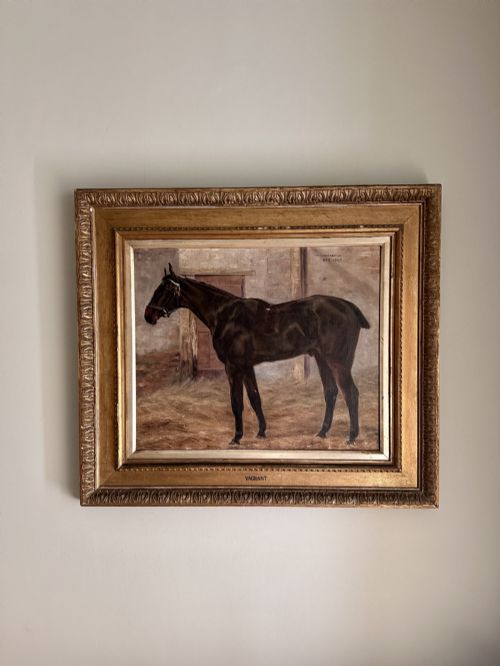
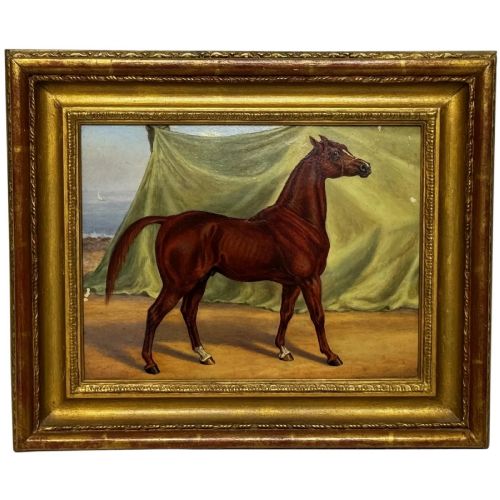
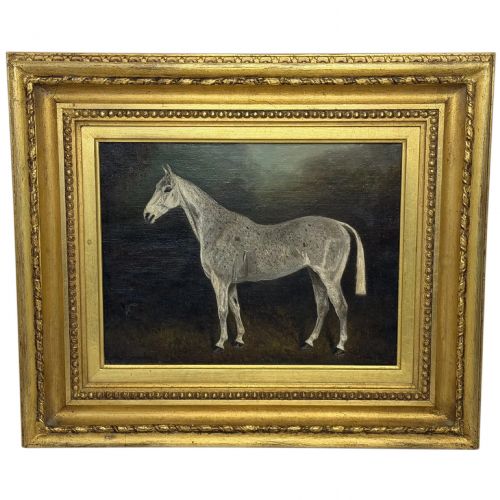
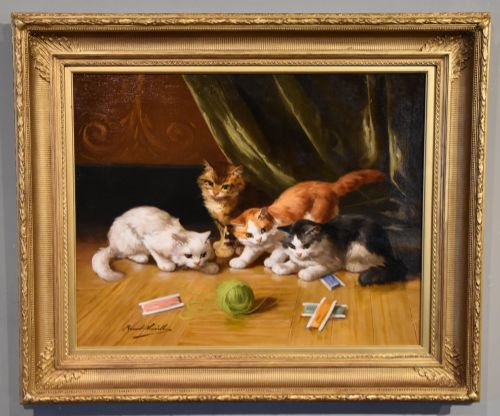
These vintage animal portrait works capture horses, dogs, and cats in oil, watercolour, and etching from the nineteenth and twentieth centuries.
Vintage Animal Portrait
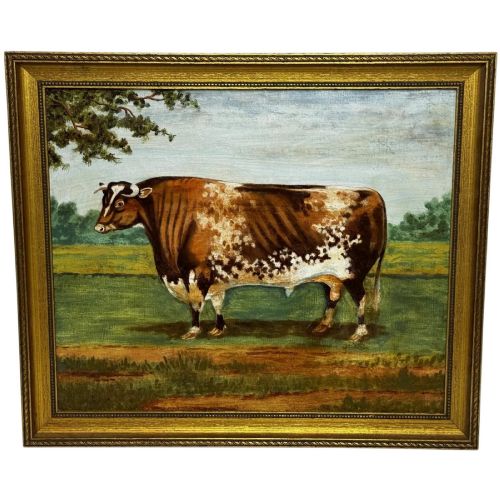
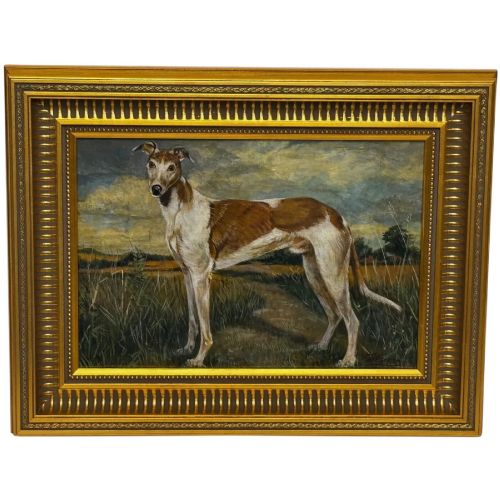
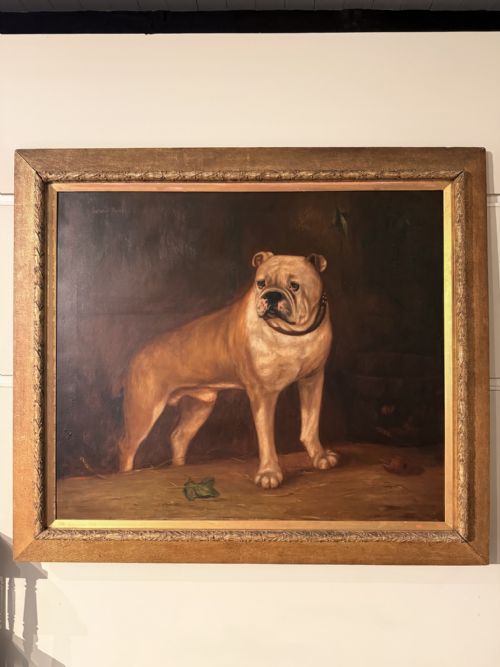
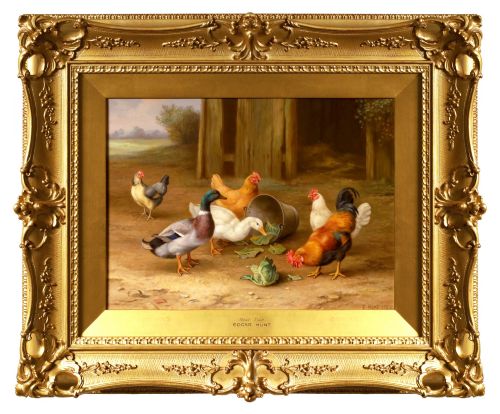
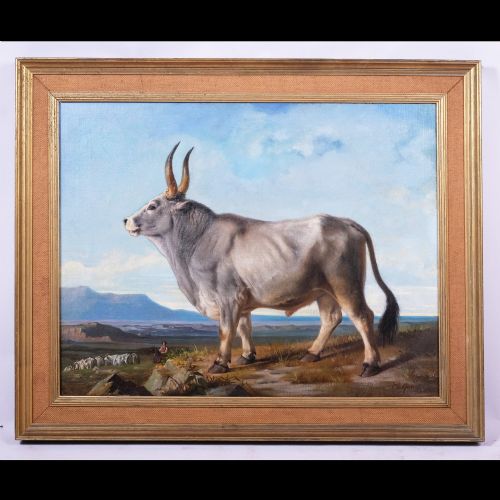
A vintage animal portrait documents individual pets, prized livestock, and sporting subjects across the nineteenth and twentieth centuries. These works record the physical presence of specific creatures through the hands of period artists.
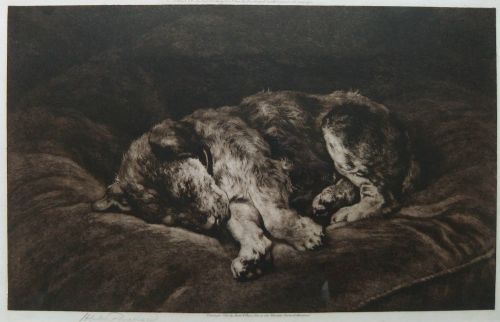
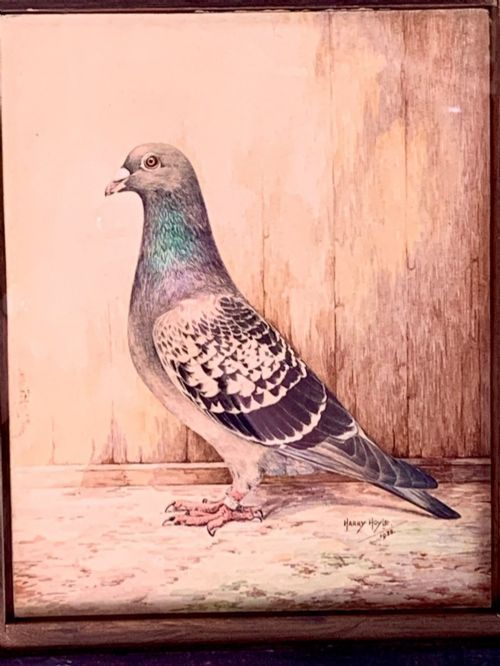
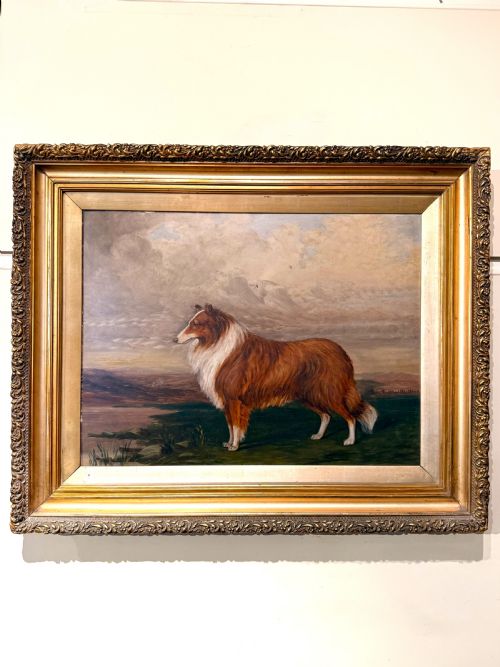
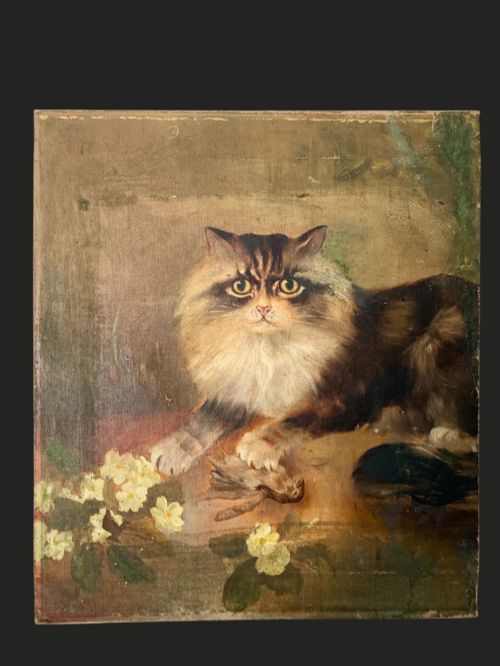
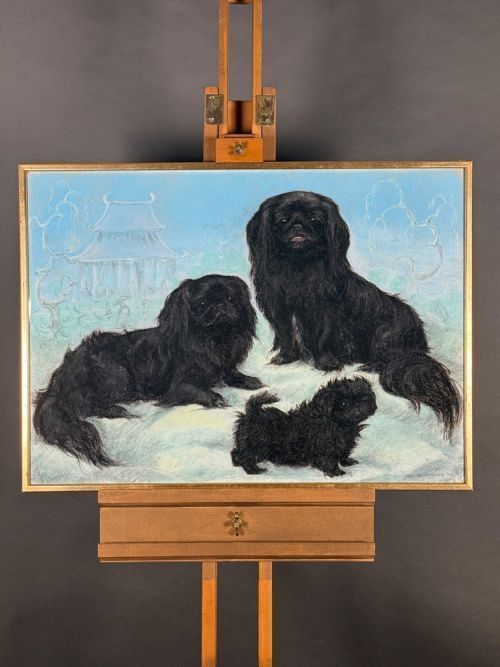
The selections on this page span oil paintings on canvas and board, delicate watercolours, gouache drawings, and original etchings. Domestic cats, spaniels, terriers, bulls, and racehorses appear frequently in framed artwork.
Originating largely from British and European schools, these pieces range from naive folk art depictions to detailed sporting art. Buyers encounter works framed in wood, glass, and giltwood that reflect their original period aesthetics.
Materials and methods
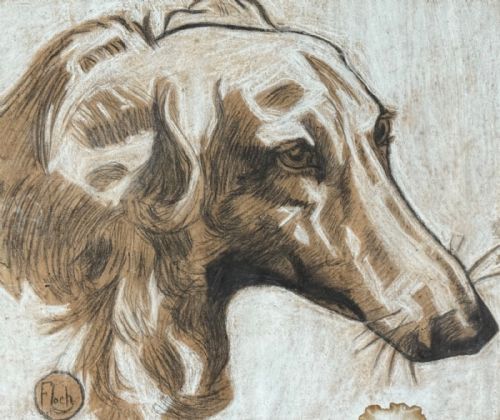
Artists relied upon oil paint applied to canvas, board, and panel to build rich texture and depth in animal subjects. Watercolour, gouache, pastel, and charcoal on paper served for lighter, more immediate studies of form and expression.
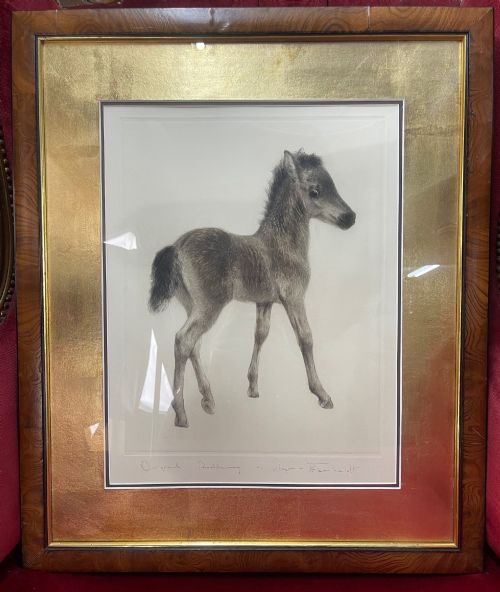
Printmakers employed etching and drypoint techniques on paper to produce fine linear detail, sometimes utilising gold leaf and giltwood within the surrounding frames to complement the imagery.
Several cats portrayed across these centuries appear entirely unimpressed by the artists recording their likenesses.
Assessing quality and execution
Quality rests upon the artist's command of anatomy, bone structure, and the living character of the animal. Superior works move beyond stiff representation to capture the distinct alertness or repose of the subject.
Material preservation also defines the tier of a piece, separating well-maintained canvases and protected watercolours under glass from heavily restored or degraded surfaces.
Herbert Dicksee·Kurt Meyer-Eberhardt·Edgar Hunt·Alfred Arthur Brunel de Neuville·John Emms·Arthur Wardle·Albert Clark·William Barraud·Sir Edwin Landseer
The Vintage Animal Portrait Glossary
- Etching
- A printmaking method where acid bites lines into a metal plate to hold ink. This technique allows artists to achieve fine linear detail on paper.
- Drypoint
- A printmaking process where an artist scratches a design directly onto a plate with a sharp needle. This creates a soft, rich burr along the printed lines.
- Gouache
- An opaque water-based paint that dries to a matte finish. It provides stronger coverage than traditional watercolour.
- Naive art
- A style created by artists without formal academic training. These pieces often feature flattened perspective and direct, unvarnished charm.
- Sporting art
- Artwork dedicated to horses, hounds, shooting, and rural pursuits. This genre reflects the deep traditions of British country life.
Vintage Animal Portrait: Frequently Asked Questions
How do I date a portrait?
Dating relies on stylistic clues, framing materials, and inscriptions left by the artist on the canvas, board, or paper. Victorian pieces often carry distinct nineteenth-century framing and academic realism.
Later twentieth-century examples show shifts toward mid-century palettes and simplified illustrative techniques on buff paper or panel.
Are these works original or copies?
The selection includes both original hand-painted or hand-drawn pieces and period copies of famous animal subjects. Etchings and drypoints represent original print editions pulled from metal plates.
Signatures, artist ciphers, and contemporary framing often help establish whether a work is an original studio creation or a period study.
How should I display framed artwork?
These framed paintings and drawings require placement away from direct sunlight and excessive moisture to protect canvas, paper, and giltwood. Stable indoor temperatures preserve oil paint layers and prevent paper from foxing under glass.
Wall placement should account for the weight of traditional wood frames and secure hanging hardware suitable for heavier panels.