


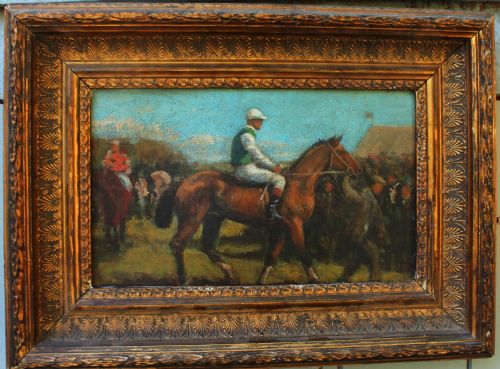


Edwardian Horse Art
Edwardian horse art captures equine spirit through paintings and watercolours that bring early twentieth century sporting life straight into a room.
Edwardian Horse Art
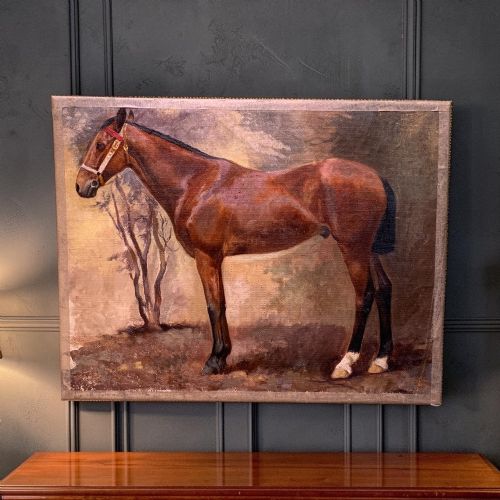
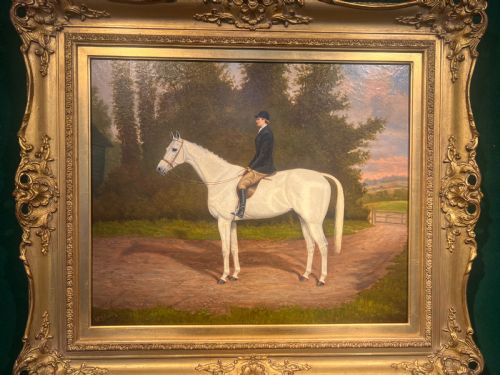
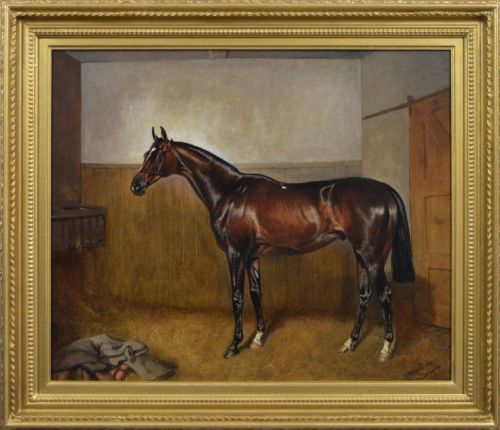
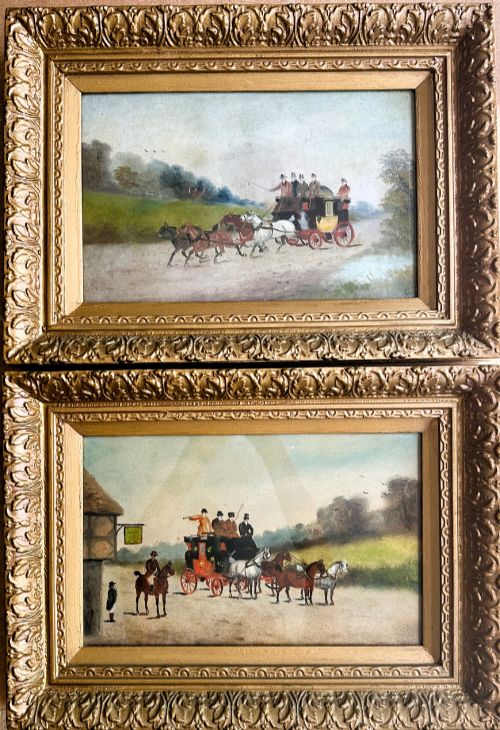
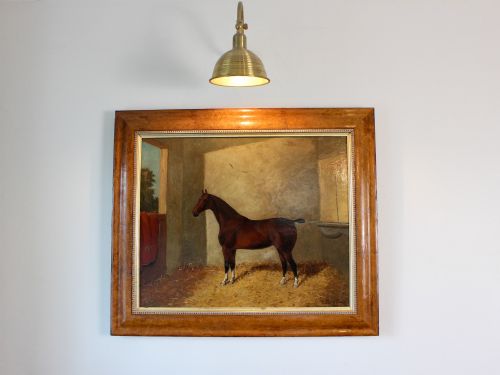
Edwardian horse art encompasses oils, watercolours, and chalk drawings focused on equine subjects from the early twentieth century. Buyers often encounter framed canvas paintings and paper works depicting racehorses, hunting scenes, and coaching life.
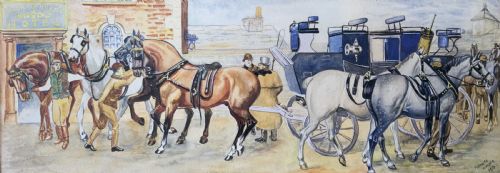
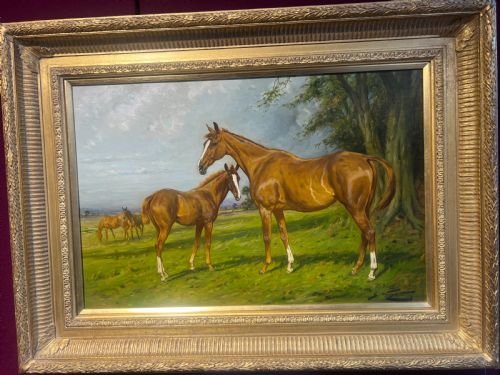
The selection reflects British sporting art traditions spanning rural pastures, stable portraits, and busy street scenes. Pieces range from detailed studies of named thoroughbreds to broader pastoral watercolours.
Works frequently connect to established British artists working in the Edwardian period, capturing both leisure riding and working horses in traditional mediums.
How they were made
Artists relied primarily on oil paint on canvas or watercolour applied to paper, mounted within wood frames such as giltwood or oak. These traditional materials define the surface texture and tonal depth of the period.
Draftsmanship often began with chalk or pencil sketches before the application of pigment, allowing painters to capture rapid movement in subjects like trotting horses and racing paddocks.
Listings feature paper, canvas, and glass materials utilised across oil paintings and watercolours from the 1900 to 1930 period.
What varies in quality
Quality rests upon the artist's ability to render equine anatomy with anatomical precision and convincing movement. Superior pieces convey the distinct personality of the animal alongside confident brushwork.
The sophistication of the composition and the preservation of the original paper, canvas, and frame influence the overall standing of an artwork.
George Wright·William Albert Clarke·John Alfred Wheeler·Philip Rideout·Albert Ludovici Jnr·Herbert Dicksee·Alfred Munnings·Cecil Charles Windsor Aldin·William Manners·John Sanderson Wells·James William Booth·Charles James Lauder·Philip Henry Rideout·Edith Alice Simkins·John Atkinson·George Hamilton Constantine·Rowland Henry Hill·Alfred Grenfell Haigh·Arthur Winter Shaw·Robert Hollands Walker·Basil Bradley·John Charles Maggs·Vernon Stokes
The Edwardian Horse Art Glossary
- Watercolour
- A painting method where fine pigment is suspended in water-based solution on paper. This medium creates translucent washes often seen in period landscape and street scenes.
- Giltwood
- Wood carved and coated with a thin layer of gold leaf or metallic gold paint. It frequently forms the decorative border of traditional oil paintings.
- Equine
- Pertaining to horses. The term describes artworks focused specifically on horses, riders, and related stable or racing subjects.
- Provenance
- The documented history of ownership surrounding an artwork. It establishes authenticity and connects the piece to past collections or exhibitions.
Edwardian Horse Art: Frequently Asked Questions
What subjects appear in Edwardian horse art?
Artworks from this era focus heavily on racehorses, hunting scenes, coaching parties, and heavy working horses in rural landscapes. Named thoroughbreds with their jockeys also feature prominently in bespoke portraits.
Scenes frequently capture the vibrant sporting culture of early twentieth century Britain through detailed oil and watercolour studies.
How should I frame these watercolours?
Watercolours from the Edwardian period benefit from conservation framing with acid free mounts to protect delicate paper surfaces from degradation. Traditional wood frames, including oak or gilt designs, complement the age of the pieces.
Keeping works away from direct sunlight preserves the subtle pigments typical of early twentieth century watercolours.
How do I identify Edwardian horse paintings?
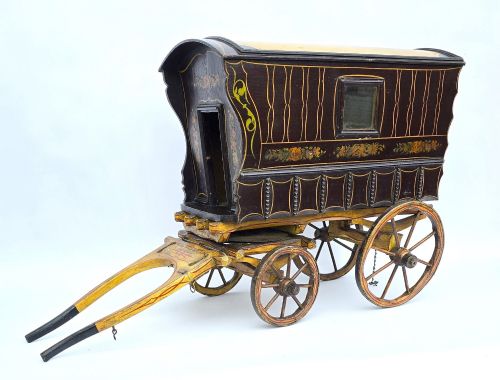
Stylistic cues such as the clothing of figures, vehicle designs like four wheel cart traps, and artist signatures help date these works. Period frames often provide additional clues regarding the era of production.
Records of active painters from the early twentieth century assist in confirming the period of origin.
Where were these pieces displayed originally?
Original owners typically hung equine art in country houses, estate libraries, and sporting lodges. They reflected the owner's passion for equestrian pursuits and breeding.
Today, these works transfer easily into modern interiors, bringing historical character to studies, hallways, and living rooms.