

Vintage Animal Carving
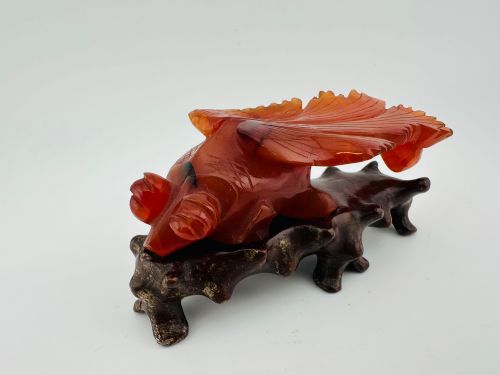
Vintage animal carving spans centuries of hand-rendered figures, from Black Forest bears to Chinese jade goldfish.
Vintage Animal Carving
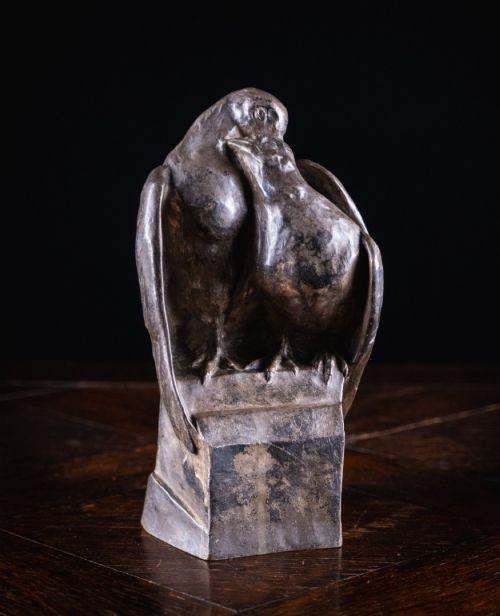
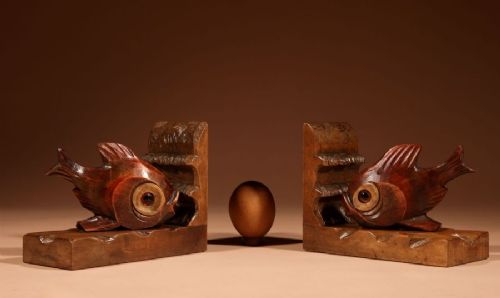
When you search for vintage animal carving, you encounter sculptural objects shaped from wood, stone, glass, and metal to represent creatures from bears and owls to elephants and fish. These pieces cross domestic, decorative, and functional categories, appearing as bookends, walking stick handles, furniture supports, and standalone figures.
The versions most common on this page originate from the nineteenth and early twentieth centuries, drawing on European Black Forest traditions, Japanese folk art, and Chinese craftsmanship. Makers used regional timber such as cedar, linden, and teak alongside soapstone, hard stone, and silver.
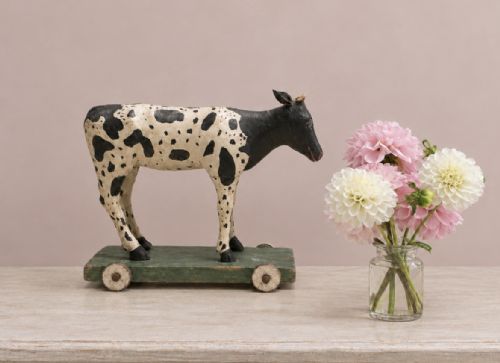
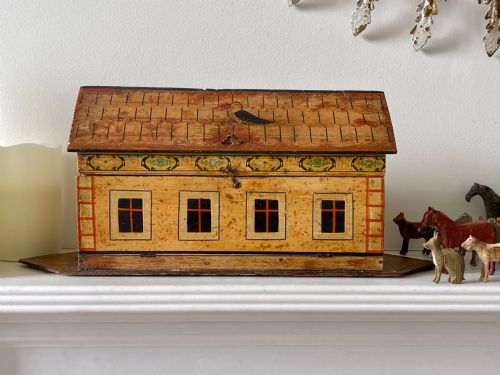
Forms range from naive wooden horses and painted farm animals to detailed depictions of exotic wildlife. Some items serve purely as decorative sculptures, while others integrate into utility items like walking sticks, knife rests, and brush pots.
How they were made
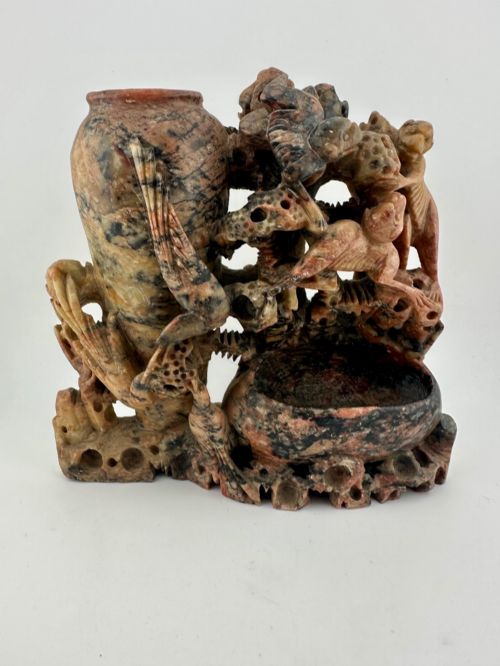
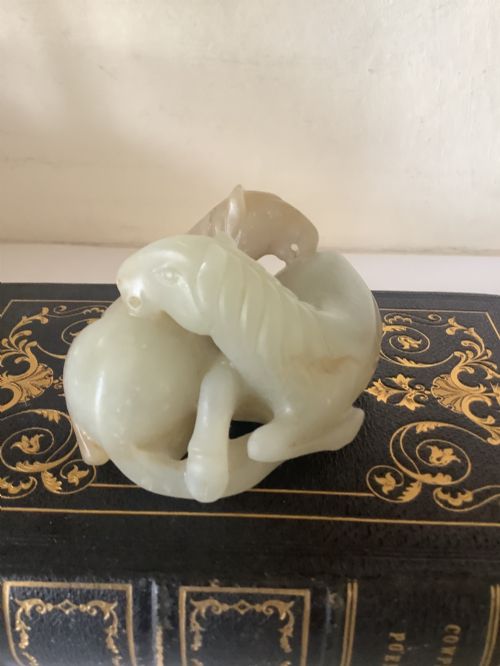
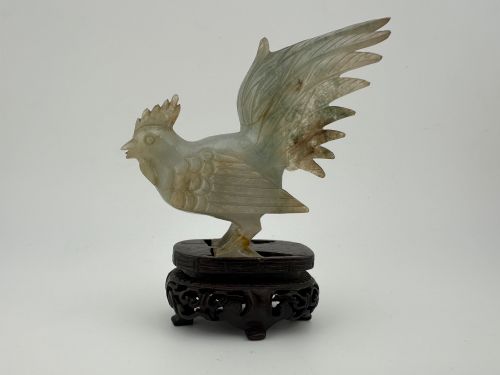
Carvers shaped these objects primarily from various woods and hard stones, utilising materials like cedar, linden, teak, jade, carnelian agate, and soapstone. Timber was selected for grain and density to allow detailed incision, while stone required abrasive shaping and polishing on fitted stands.
Metal elements, including silver and brass, appear as handles and mounts, cast and chased to form bird and canine heads for walking sticks or decorative lamp bases. Paint and glass inserts provide surface colour and inset eyes, completing figures through mixed media techniques.
Vintage Animal Carving Retail Price Guide 2026
Typical asking prices for vintage animal carving among the pieces listed under this phrase on Sellingantiques today, from the lower quarter to the upper quarter. They describe what is for sale here now, not the wider market.
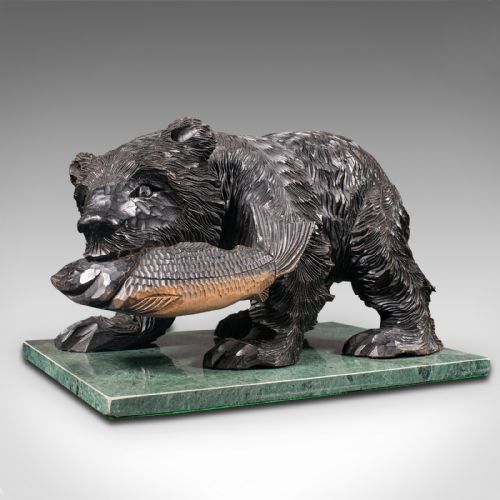
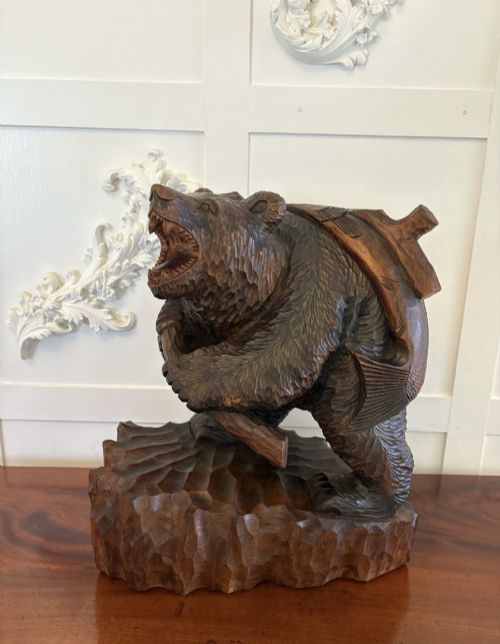
Several bears carry fish, while a particularly determined Saint Bernard assists imaginary mountain rescues.
What varies in quality
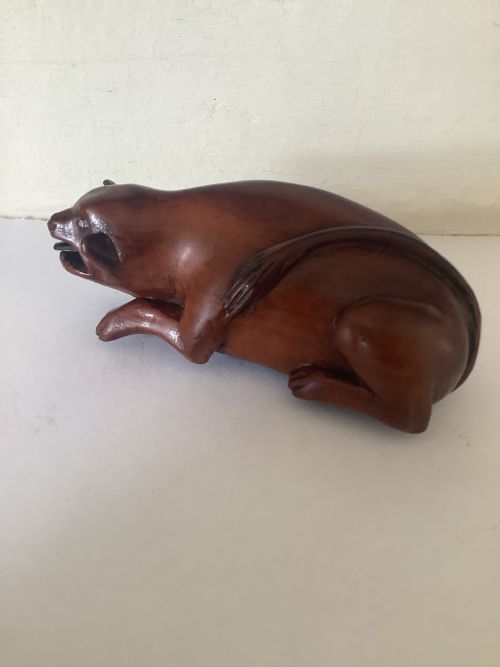
The standard of execution depends on anatomical accuracy and the confidence of the tool marks left by the carver. Finer examples show careful attention to posture, muscular structure, and facial expression, whereas naive pieces rely on charming simplicity and regional folk traditions.
Material selection divides the range, distinguishing between common domestic hardwoods and harder stones like jade or mounted silver details. The integrity of the original surface finish, whether polished wood or preserved paint, determines the preservation state.
The Vintage Animal Carving Glossary
- Black Forest
- A style of wood carving originating from the timber-rich region in Germany, famed for bears, owls, and woodland animals. These pieces often function as bookends, furniture, or clocks.
- Kibori Kuma
- A traditional style of Japanese wooden bear carving originating from Hokkaido. These items typically depict bears holding fish or standing on all fours.
- Raj Period
- Relates to items produced during British rule in India, frequently featuring teak or soapstone elephants and colonial furniture. Carvings from this era often display deep relief work.
- Soapstone
- A soft, talc-based stone used historically for decorative carvings and brush pots. Its softness allows for intricate detail work in Chinese and Indian sculpture.
- Hardstone
- A collective term for semi-precious stones such as jade and carnelian agate. Artisans shaped these resistant materials into animal figures mounted on fitted wooden stands.
Vintage Animal Carving: Frequently Asked Questions
What is Black Forest animal carving?
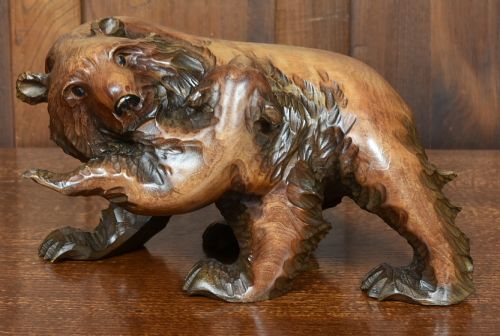
Black Forest carvings are wooden animal sculptures, typically bears or owls, originating from Central Europe during the nineteenth and early twentieth centuries. Artisans utilised local timber to create highly detailed figures that frequently served practical purposes like holding books.
These pieces display distinct fur textures and expressive postures, reflecting the forest environment of their origin. They remain among the most recognisable categories of antique animal sculpture.
How do I identify Japanese bear carvings?
Japanese bear carvings, known as Kibori Kuma, often feature a bear holding a salmon in its jaws or paws. They were created in Hokkaido as folk art and employ woods such as cedar and native hardwoods.
These sculptures range from small, naive figures with stud eyes to large, detailed works produced for export and local collectors. The carving technique relies on confident, visible chisel strokes that give the fur a textured appearance.
What materials were used in animal walking sticks?
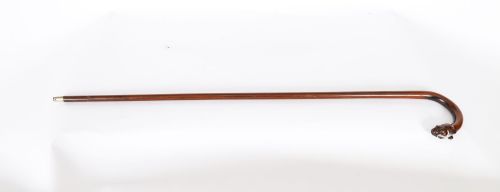
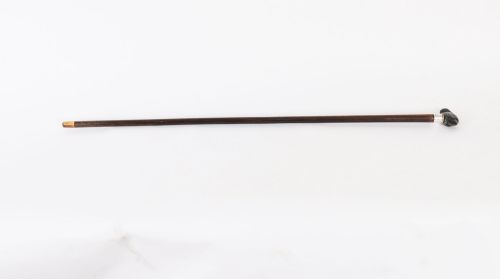
Walking sticks and canes incorporated carved handles shaped from silver, wood, and metal to represent animals like pheasants, greyhounds, and parrots. The shafts themselves were typically made of turned hardwood, sometimes housing hidden sword blades.
These functional accessories combined daily utility with miniature sculpture, allowing owners to display craftsmanship and personal taste during walks. The metal handles were often cast and hand-finished with chased details.
How should I care for carved wooden animals?
Carved wooden animals require stable indoor humidity levels to prevent the timber from splitting or warping over time. Direct sunlight should be avoided to preserve the original colour and surface finish of the wood.
Dusting with a dry, soft cloth is sufficient for routine maintenance, avoiding liquid polishes that can build up in the carved crevices. For stone or metal pieces, similar gentle cleaning preserves the aged patina.