
Vintage Albert Chain Necklace
When you search for a vintage albert chain necklace, you find functional pocket watch gear repurposed into substantial neckpieces with distinct historical links.
Vintage Albert Chain Necklace
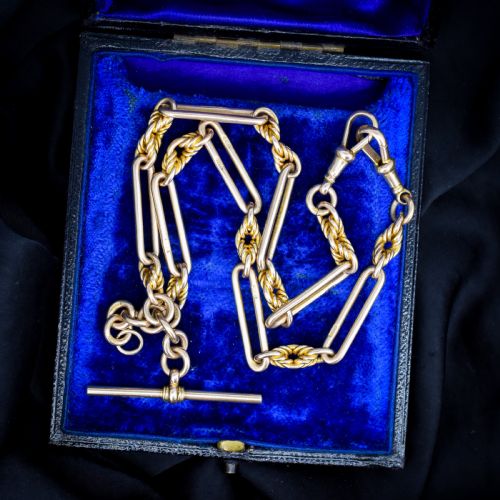
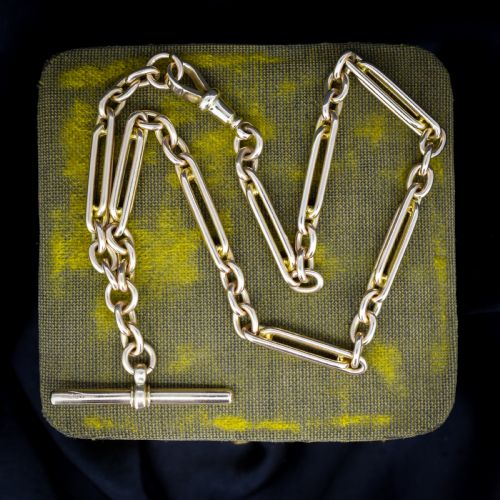
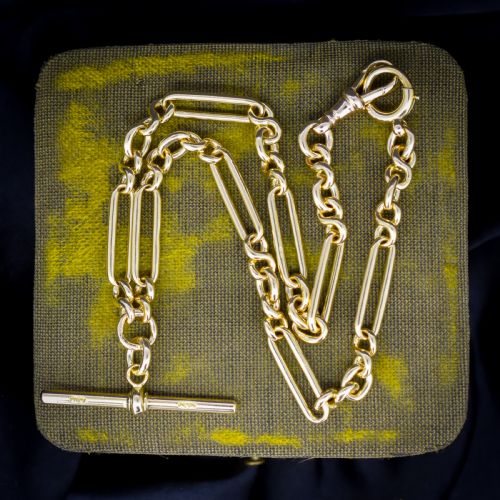
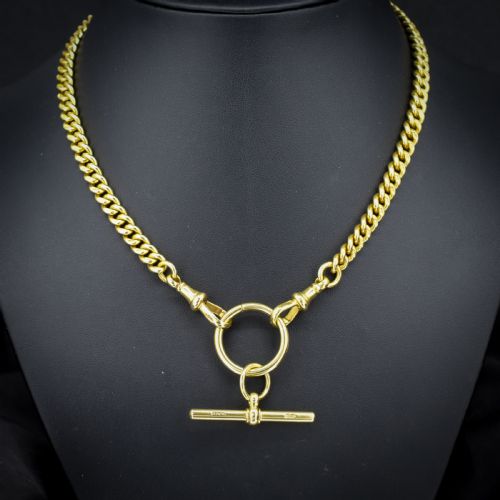
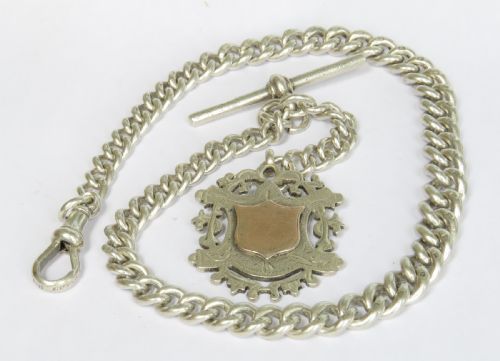
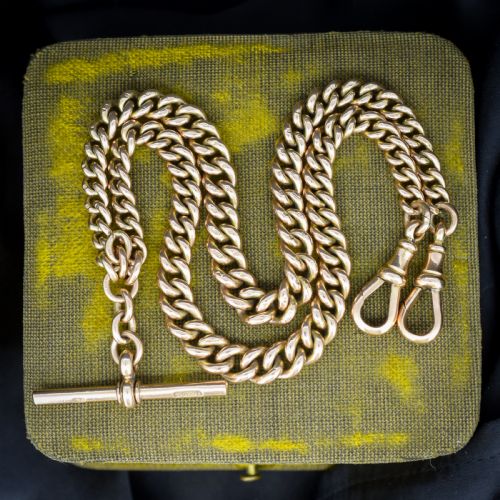
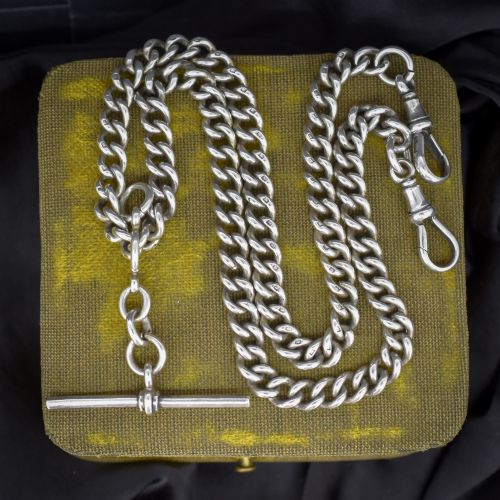
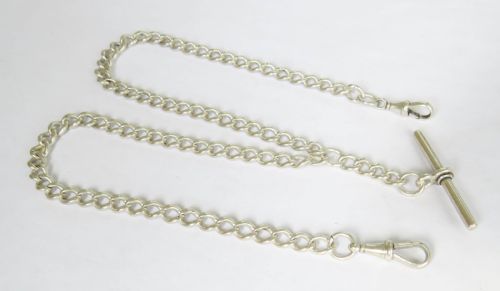
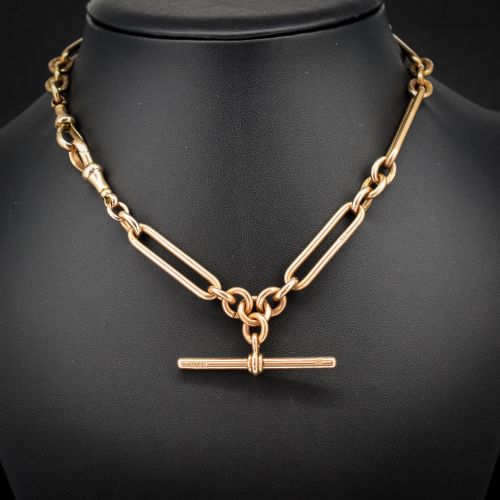
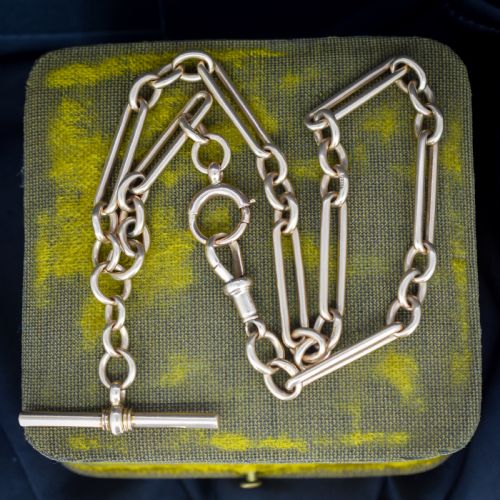
A vintage albert chain necklace originates from the heavy pocket watch chains worn in the Victorian, Edwardian, and Art Deco periods, which now function primarily as neckwear. These pieces frequently retain their original utilitarian fittings, including T-bars, dog clips, and swivel clasps, alongside various link formations.
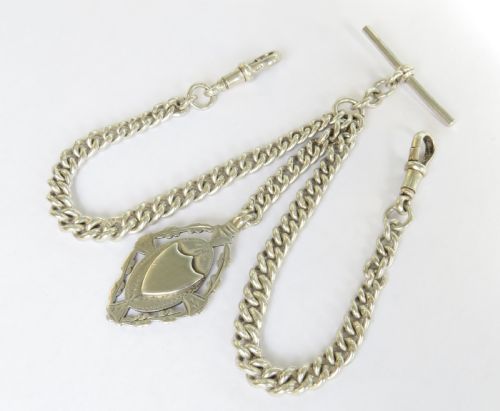
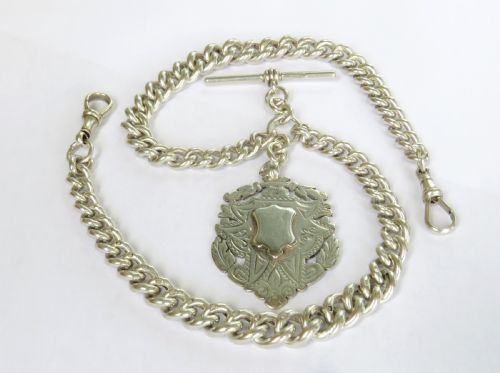
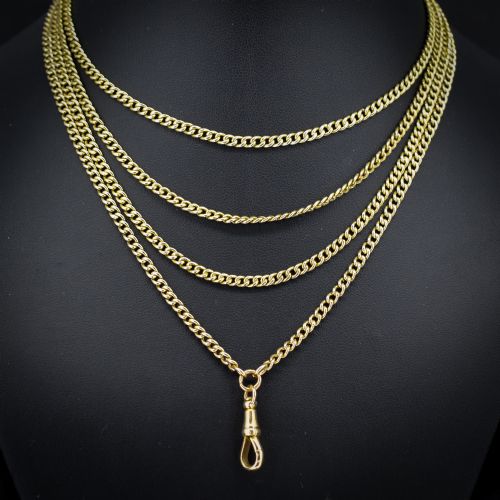
The selections available span multiple decades from the late nineteenth century through the 1930s, encompassing styles influenced by George V and French antique designs. Common configurations include single or double strands, occasionally incorporating fobs or pendants suspended from the centre.
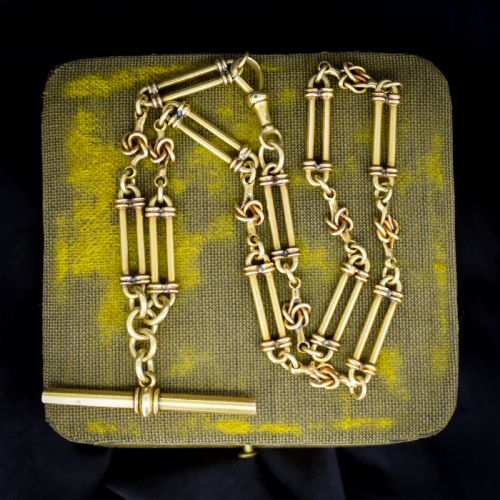
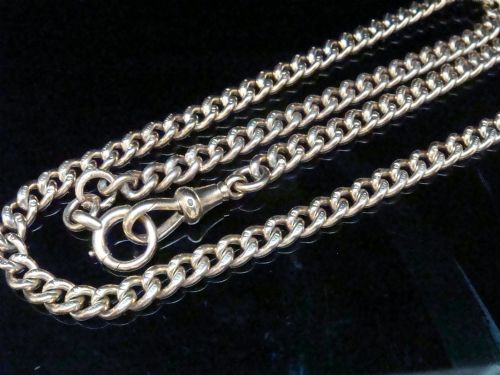
Link variations define much of the visual character within this category, moving from uniform curb patterns to complex fancy links, trombone patterns, and love knots. Lengths fluctuate considerably, accommodating various ways of wearing these robust metallic chains.
How They Were Made
The construction relies heavily on precious metals, predominantly sterling silver and various purities of gold such as nine carat, fifteen carat, and eighteen carat, alongside rolled gold variants. Goldsmiths and silversmiths formed these metals into distinct link types, including figaro, fetter and knot, and oval formations.
Hallmarks stamped onto individual links or components provide clear evidence of British assay office origins, including Chester and Birmingham marks alongside date letters. Secure fastenings like dog clips, bolt rings, and T-bars were meticulously attached to permit the original anchoring of pocket watches.
Some chains stretch to an impressive fifty-eight inches, easily doubling over as guard chains for a truly dramatic historical statement.
What Varies in Quality
Mass and weight heavily influence the presence of a piece, with heavier items demonstrating a more substantial physical impact when worn around the neck. The complexity of the link geometry, such as intricate trombone and love knot combinations versus simple uniform curb links, shifts the craftsmanship tier.
The completeness and original state of the hardware, including fully hallmarked links and functioning dog clips or T-bars, elevate the standing of an individual chain. Purity of the metal, ranging from standard sterling silver up to high karat gold variations, fundamentally determines the inherent category level.
The Vintage Albert Chain Necklace Glossary
- Albert chain
- A pocket watch chain named after Prince Albert, designed to secure a timepiece to a waistcoat or garment. These sturdy chains are frequently repurposed today as necklaces.
- T-bar
- A transverse bar attached to the centre of the chain, originally passed through a buttonhole to anchor a pocket watch securely. It now hangs decoratively when the chain is worn around the neck.
- Dog clip
- A spring-loaded swivel clasp used to attach a pocket watch or fob to the chain. It remains a defining structural feature on many converted necklaces.
- Trombone link
- A link style featuring alternating long rectangular bars and smaller circular or oval connectors. This geometric form is characteristic of nineteenth and early twentieth-century watch chains.
- Hallmark
- An official stamp or series of marks applied to precious metals indicating purity, origin, and the year of assay. These stamps appear frequently on British silver and gold pieces from this era.
Vintage Albert Chain Necklace: Frequently Asked Questions
Can I wear an albert chain as a necklace?
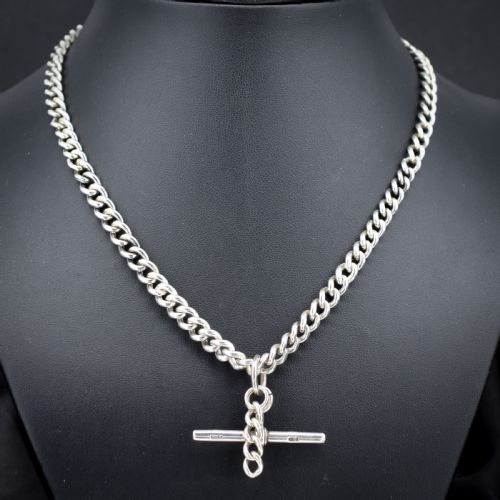
Yes, these pieces are regularly worn directly around the neck as substantial chains, often utilising the existing dog clips and T-bars as focal design elements.
Their historical length and weight make them well-suited for modern neckwear without requiring structural alterations.
What is a T-bar used for?
The T-bar was originally designed to slip through a waistcoat buttonhole to anchor a pocket watch safely in a pocket.
On a necklace, it typically dangles as an ornamental feature from the front or centre of the chain.
How do I date an albert chain?
Dating relies primarily on official assay office hallmarks stamped onto the links, which indicate the exact year and location of manufacture.
Stylistic elements such as trombone links or specific curb formations also point towards Victorian, Edwardian, or Art Deco periods.