

Vintage Accessories
Vintage accessories cover the small, functional objects that completed a desk, table or hearth across the nineteenth and twentieth centuries.
Vintage Accessories
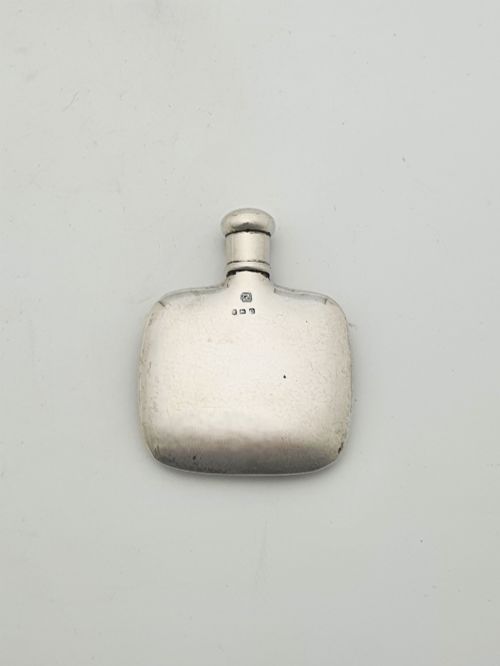
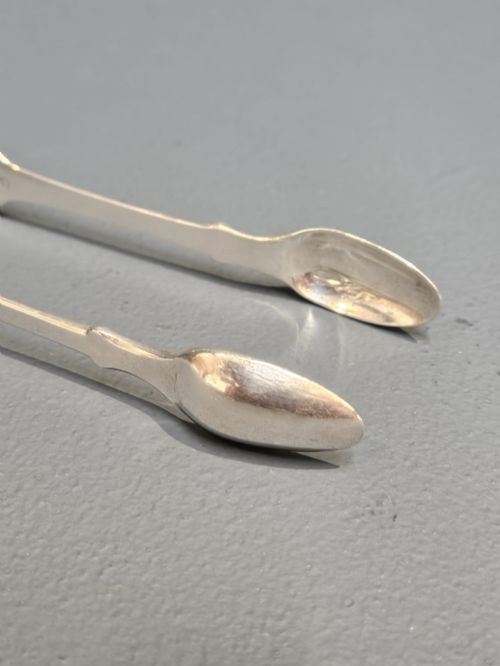
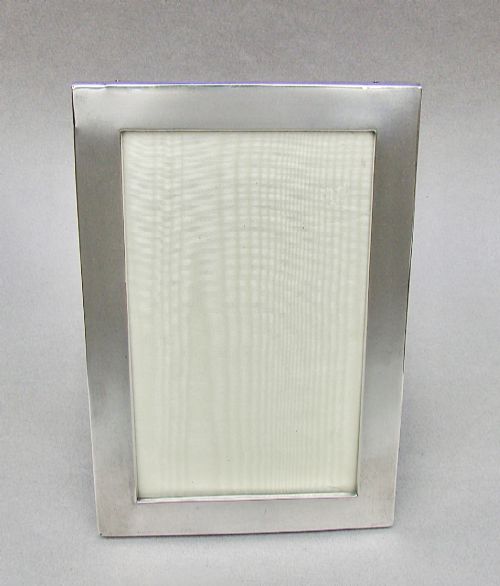
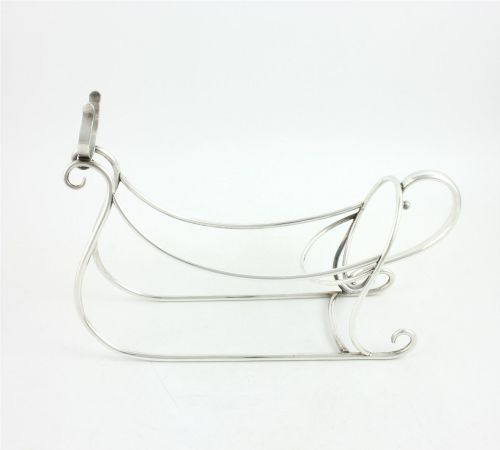
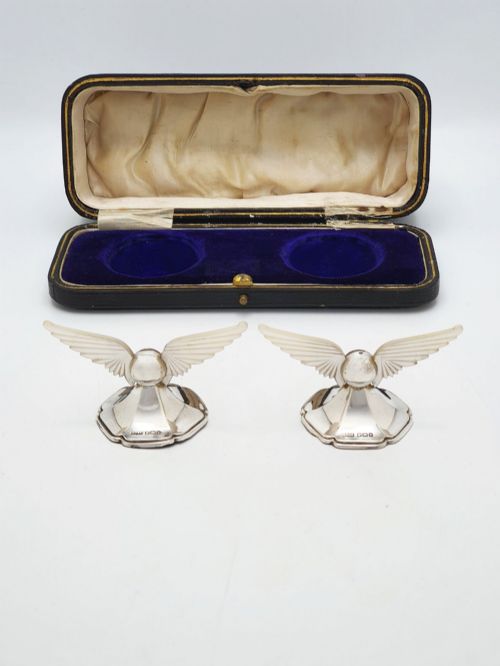
Vintage accessories encompass a diverse group of domestic items spanning desk accessories, fireplace equipment, and tabletop pieces. Collectors exploring vintage accessories encounter everything from silver napkin rings and magnifying glasses to brass fire dogs and letter openers.
The selections originate from periods such as the Edwardian era, the Victorian age, and the Art Deco movement. These objects served practical daily functions in homes long before modern conveniences altered household routines.
Materials and methods
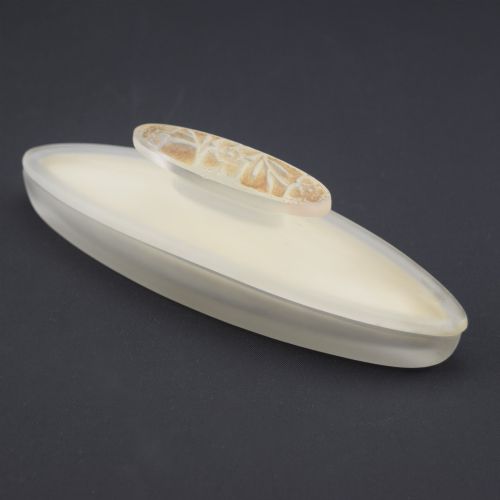
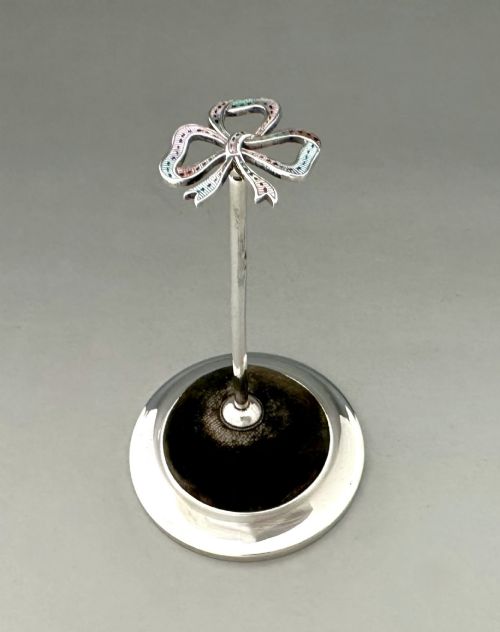
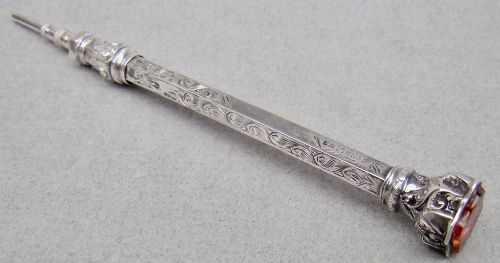
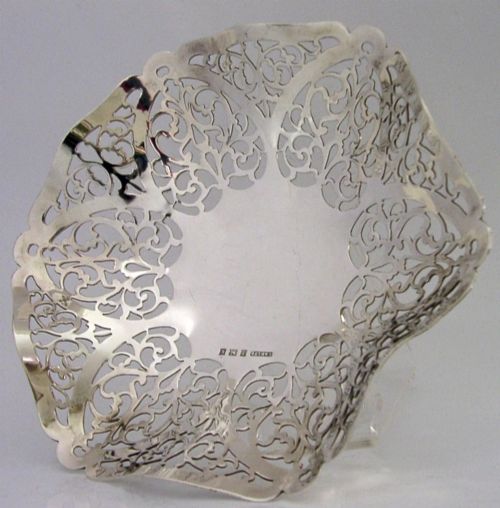
Sterling silver, silver plate, brass, and glass form the primary substance of these pieces, shaped through casting, repoussé work, and hand engraving. Silversmiths and metalworkers utilised techniques like guilloche enamel and filigree wirework to ornament surfaces.
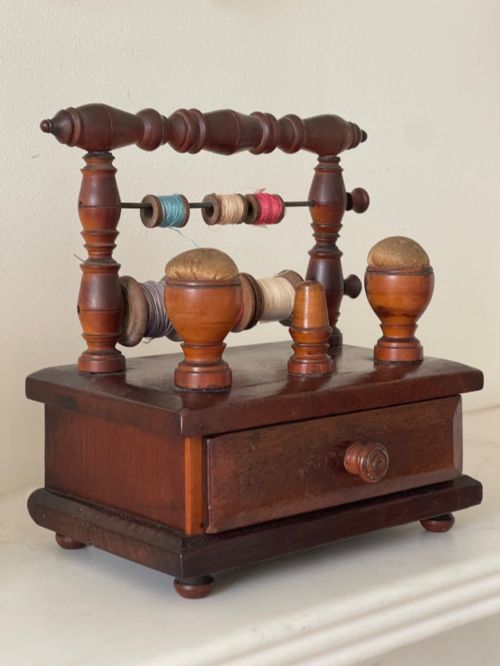
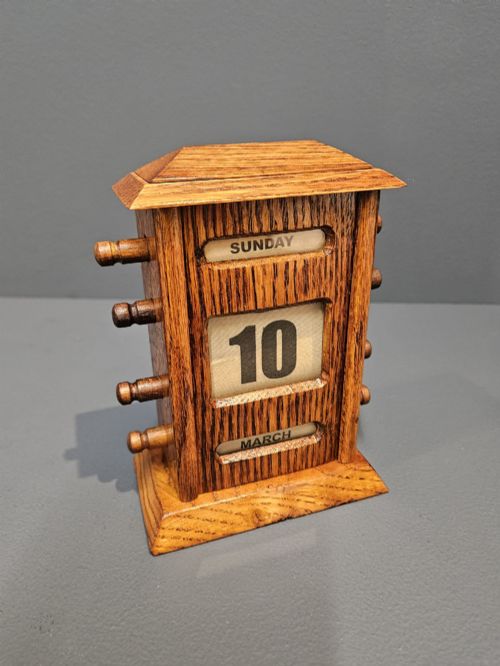
Organic elements such as wood, bamboo, mother-of-pearl, and velvet appear frequently in items like cigar cases, page turners, and pin cushions. These diverse materials required specialised joinery and mounting to combine metal fittings with natural textures.
Vintage Accessories Retail Price Guide 2026
Typical asking prices for vintage accessories among the pieces listed under this phrase on Sellingantiques today, from the lower quarter to the upper quarter. They describe what is for sale here now, not the wider market.
The listings combine sterling silver, brass, glass, and wood across Victorian and Art Deco forms.
Assessing craftsmanship
Quality rests upon the crispness of detail in repoussé decoration, chasing, and cast ornamentation. Pieces originating from recognised makers or specific silversmithing hubs demonstrate superior handling of raw metal and glass.
The integration of mixed materials dictates the distinction between standard items and exceptional examples. Fine specimens maintain original mountings, intact enamel, and uncompromised structural integrity across delicate components.
Richard Comyns·Sampson Mordan Co·Henry Matthews·Hukin Heath·Asprey·Chantry Silversmiths·Cum Shing·Rene Lalique·Dunhill
The Vintage Accessories Glossary
- Repoussé
- Metalworking technique where the design is hammered into relief from the reverse side. This method creates dimensional surface patterns on brass coal boxes and silver desk items.
- Guilloche
- Decorative engine-turned engraving pattern covered with translucent enamel. It appears frequently on Art Deco magnifying glasses and compacts.
- Filigree
- Delicate ornamental work consisting of fine wire twisted into open metal lace. Georgian baskets and pin cushions often employ this intricate construction.
- Old Sheffield Plate
- Fused layer of silver over a copper core produced before modern electroplating. Coasters and tableware from the nineteenth century utilise this distinctive layered metal.
- Cartonnuer
- Desk top cabinet designed to hold papers and files. These French wooden pieces frequently feature ormolu mounts and leather detailing.
Vintage Accessories: Frequently Asked Questions
What counts as vintage accessories?
Vintage accessories encompass small decorative and utilitarian objects used on desks, dining tables, and hearths. The category spans items created from the nineteenth century through the mid-twentieth century.
These pieces include silver napkin rings, glass decanters, brass fire irons, and letter openers. Each object served a specific domestic purpose in period interiors.
How do I date silver pieces?
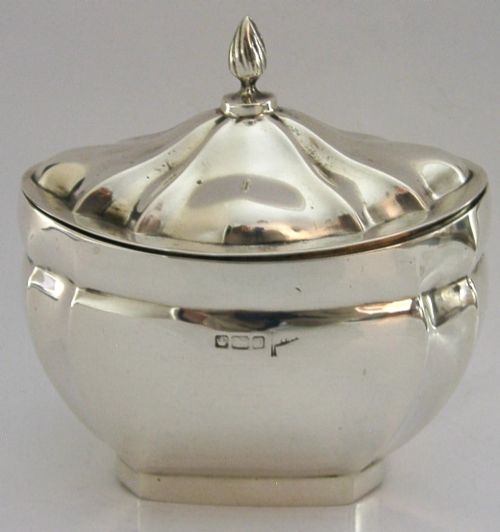
Dating silver relies on examining the hallmarks stamped directly into the metal. These small official marks indicate the assay office, the specific year of testing, and the maker.
English pieces feature standard date letters that change annually according to alphabet cycles. Matching the mark against historical assay records confirms the exact year of manufacture.
How were desk accessories used?
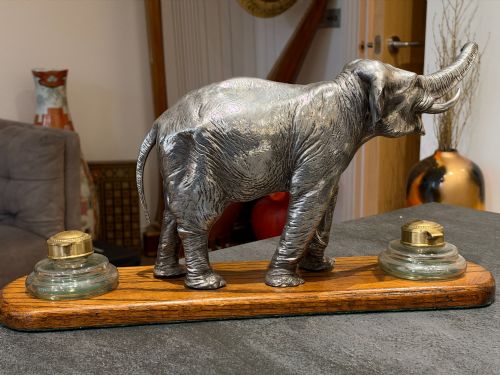
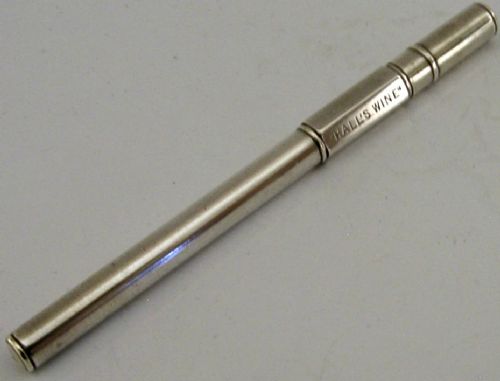
Desk accessories organised correspondence, writing instruments, and reading materials in professional and private studies. Letter openers sliced open sealed envelopes, while inkwells held liquid ink for dip pens.
Magnifying glasses assisted with reading fine text or maps. Together, these matching items created an orderly workspace for handwritten communication.
Where were fireplace accessories placed?
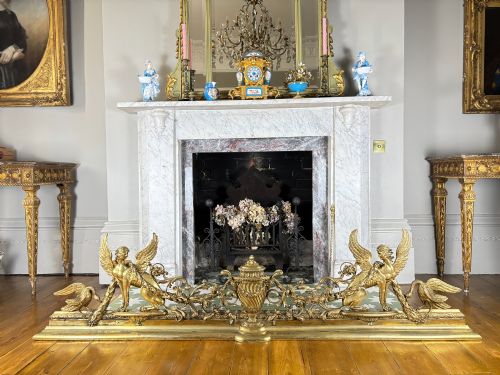
Fireplace accessories arranged around the domestic hearth to manage coal fires and maintain the grate. Heavy brass fire dogs supported logs, while companion sets held pokers and shovels.
Coal boxes and scuttles stored fuel close to the fire opening. These heavy metal pieces combined utility with decorative presence in Victorian and Edwardian reception rooms.