







Vienna Style Painting
Vienna style painting brings classical narratives and rich enamel colour to porcelain cabinet plates, chargers, and urns.
Vienna Style Painting
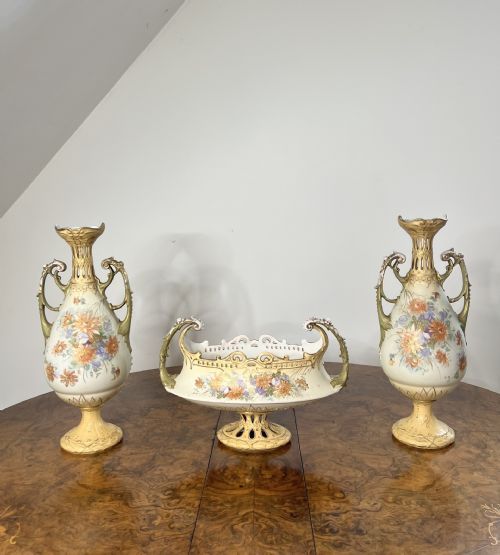
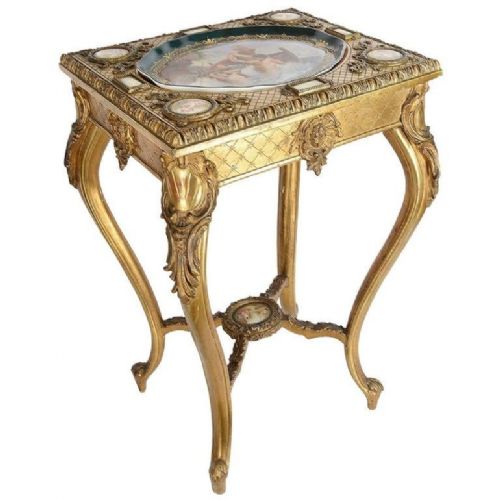
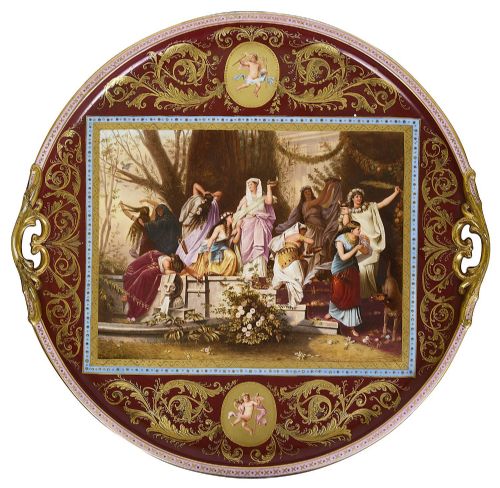
When you search for vienna style painting, you encounter nineteenth century porcelain plates, chargers, and lidded urns decorated with elaborate mythological or historical scenes. These pieces draw on classical, neoclassical, and rococo revival styles, often framed by heavy borders of gold leaf and gilding.
The version you are most likely to meet on this page is the nineteenth century porcelain charger or cabinet plate, frequently signed by artists and depicting classical or literary subjects like Bacchus and Ariadne or the Birth of Adonis.
How they were made
The makers utilised fine porcelain as a canvas for detailed hand-painted compositions, applying polychrome enamel pigments that required careful firing to fix the colours. Artisans then embellished the borders with gold leaf and raised gilding to frame the central narrative scenes.
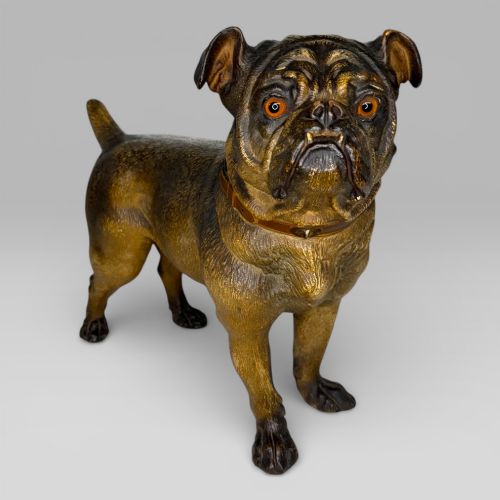
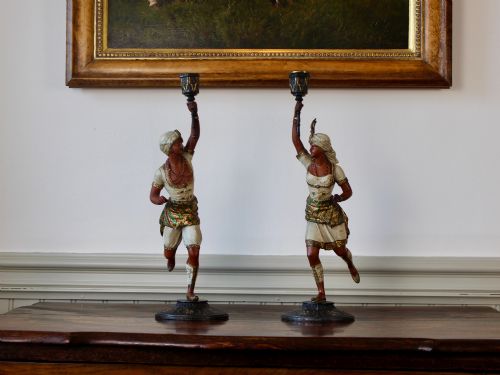
Other objects in this tradition combine cast spelter or bronze with cold painted finishes, applying liquid paint to metal substrates without a final high-temperature kiln firing.
Vienna Style Painting Retail Price Guide 2026
Typical asking prices for vienna style painting among the pieces listed under this phrase on Sellingantiques today, from the lower quarter to the upper quarter. They describe what is for sale here now, not the wider market.
Listings feature nineteenth century porcelain chargers, urns, and plates alongside cold painted spelter and bronze figures.
What varies in quality
The standard of vienna style painting rests upon the precision and delicacy of the brushwork in the central figures, where facial expressions and drapery demand high technical skill. Lesser examples show hurried execution and flat, repetitive borders, while superior pieces display subtle tonal modelling and expressive draftsmanship.
The application of the gilding also marks the difference between average items and the best work, with hand-tooled gold leaf providing depth and texture that stamped or flat gold finishes lack.
F. Koller·Wagner
The Vienna Style Painting Glossary
- Cabinet plate
- A decorative ceramic plate intended for display on a wall or in a cabinet rather than for dining. These items often feature elaborate painted scenes across the central well.
- Gilding
- The application of gold leaf or gold powder to a surface. On porcelain, this technique provides shimmering borders and highlights around the painted artwork.
- Enamel
- A vitreous composition fused to a surface through heat. It supplies the durable, vibrant colours seen in the detailed figure painting.
- Spelter
- A zinc alloy used as a substitute for bronze. It takes cold painted finishes effectively for figural candlesticks and decorative objects.
- Charger
- A large decorative plate or tray. These serve as prominent surfaces for narrative painting and historical depictions.
Vienna Style Painting: Frequently Asked Questions
What subjects appear on these plates?
The painted surfaces generally display classical mythology, historical events, and literary scenes, including figures such as Bacchus and Ariadne or the Birth of Adonis.
Artists drew inspiration from classical and neoclassical art traditions, translating famous compositions onto ceramic canvases with detailed enamel work.
How should I display a charger?
Large chargers and cabinet plates require secure wall brackets or dedicated display stands that support the rim without obscuring the painted border.
Keep them away from direct sunlight to protect the enamel pigments and gold leaf from fading over time.
Are these items meant for daily use?
These nineteenth century porcelain and enamel pieces are strictly decorative objects rather than functional tableware. The delicate hand-painted surfaces and heavy gilding are vulnerable to wear from cutlery and washing.
Gentle dusting with a dry cloth is the only maintenance required to keep the finish intact.
How do I spot nineteenth century work?
Examine the weight and glaze of the porcelain alongside the style of the painted figures and gilding borders. Nineteenth century production typically favours neoclassical or rococo revival motifs executed with dense enamel palettes.
Signatures or painted titles on the reverse often provide additional context regarding the artist and subject matter.