




Vienna Bronze Paperweight
These small, weighted animal figures bring a touch of late nineteenth and early twentieth century whimsy straight to your desk.
Vienna Bronze Paperweight
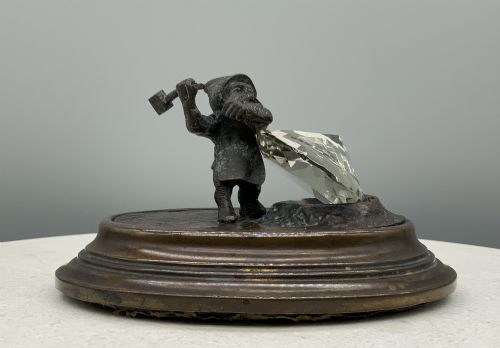
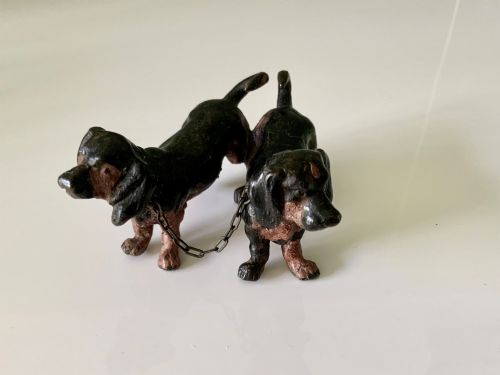
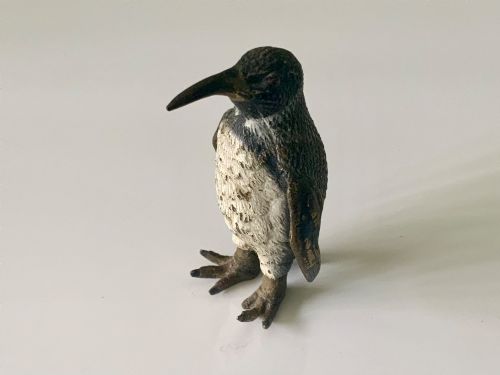
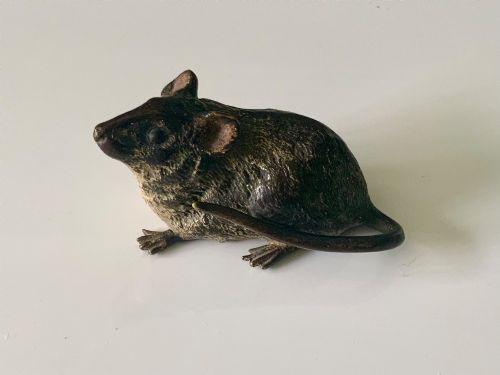
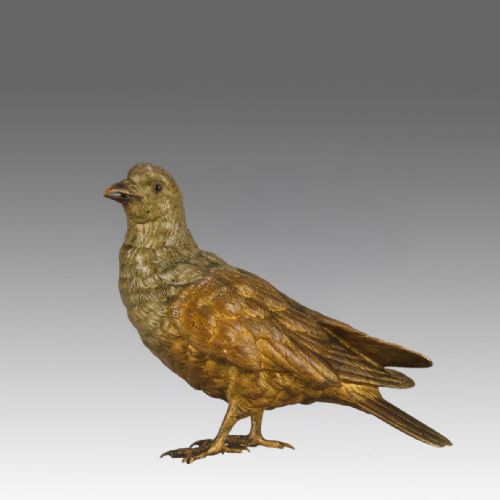
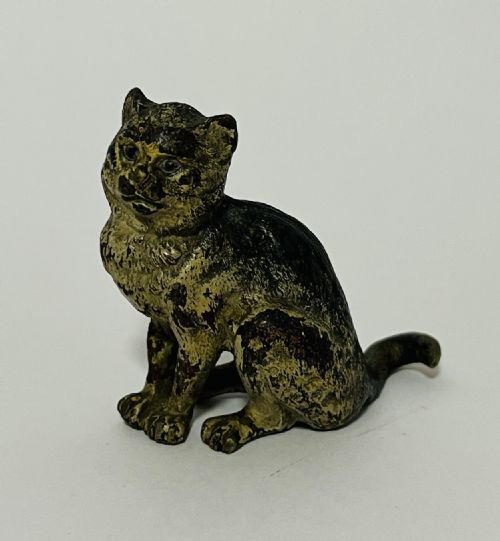
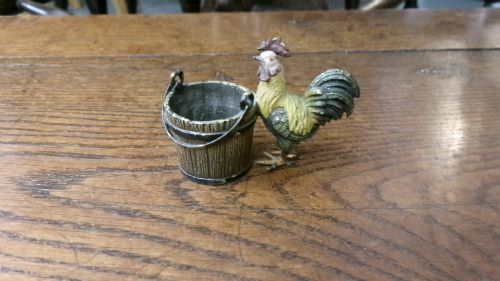
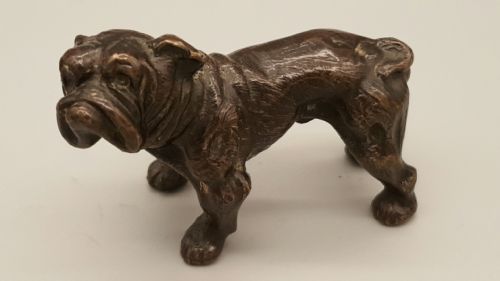
A vienna bronze paperweight takes the form of miniature animal sculptures and desk accessories, frequently featuring dogs, birds, and small creatures rendered with lively character. You will most commonly encounter pieces originating from Austrian workshops dating from the nineteenth century through the early decades of the twentieth century.
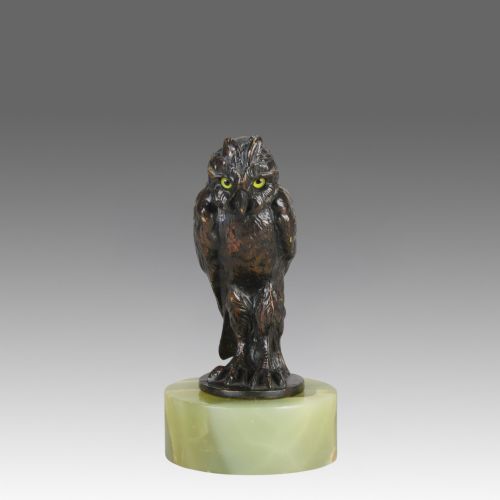
Many of these miniature sculptures double as functional items, incorporating practical elements such as inkwells, cut crystal bases, or stone plinths made from green onyx. They range from naturalistic studies of native wildlife and domestic pets to more unusual subjects like dwarf miners and reptiles.
The style spans periods from Victorian times through the Edwardian era into Art Nouveau and Art Deco movements. These small bronze figures serve the dual purpose of holding down papers while providing decorative charm to a desktop or study.
How they were made
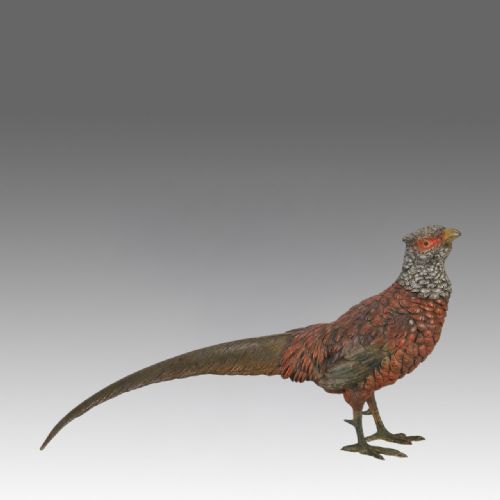
Makers applied polychrome paint directly onto the unheated metal surface, a technique known as cold-painting that relies on multiple layers of enamel paint. Because the paint was applied without firing, surviving pieces often show characteristic patination and gentle wear to the surface colours over time.
Listings feature periods from the nineteenth century, Edwardian era, and the 1930s, using bronze, paint, onyx, and cut crystal.
What varies in quality
The degree of artistic expression in the modelling separates standard production pieces from finer sculptural studies. Master founders captured subtle gestures and lifelike postures in subjects such as owls, dogs, and pheasants with exceptional anatomical precision.
The preservation of the original cold-painted surface dictates the desirability of a piece. Examples that retain their vibrant enamel paintwork without extensive overpainting demonstrate higher integrity and craftsmanship from the period.
Franz Bergman
The Vienna Bronze Paperweight Glossary
- Cold-Painted Bronze
- Bronze sculpture decorated with unfired enamel paint applied directly to the metal surface. This technique allows for vibrant polychrome finishes on small animal figurines and desk ornaments.
- Animalier
- A nineteenth-century artistic style focused on the realistic depiction of animals. Sculptures in this tradition capture creatures in active or resting poses with close attention to natural anatomy.
- Geschützt
- A German term meaning protected or registered, often stamped into metal objects to indicate a patented design or trademark. You will find this mark on various Austrian desk accessories and bronze figures.
- Onyx
- A banded variety of chalcedony used frequently as a heavy base for bronze sculptures and inkwells. Green onyx is commonly seen supporting animal studies from the early twentieth century.
- Vienna Bronze
- Small bronze sculptures produced in Austrian foundries, particularly during the late nineteenth and early twentieth centuries. These miniature figures are celebrated for their characterful subjects and cold-painted finishes.
Vienna Bronze Paperweight: Frequently Asked Questions
What is a vienna bronze paperweight?
It is a small, cold-painted bronze sculpture produced in Austria, often taking the form of an animal or bird designed to hold down loose papers on a desk.
These pieces combine miniature metal casting with detailed enamel paintwork, reflecting styles from the late nineteenth and early twentieth centuries.
Are all these pieces stamped with marks?
Not every piece carries a foundry mark or signature, though some bear stamps such as Geschützt or the Bergman mark. Many workshop productions relied on distinctive styles, modelling quality, and paint application rather than explicit signatures for identification.
The absence of a stamp does not preclude authenticity, as numerous small Austrian foundries produced unmarked desk accessories and animal figures.
How were these bronze figures used?
They served primarily as decorative desktop objects to keep documents and correspondence from blowing away. Some incorporate functional elements like inkwells or feature heavy onyx bases to increase their stability.
Beyond practical desk use, collectors displayed them in cabinets or on tables as miniature works of art reflecting contemporary taste.