

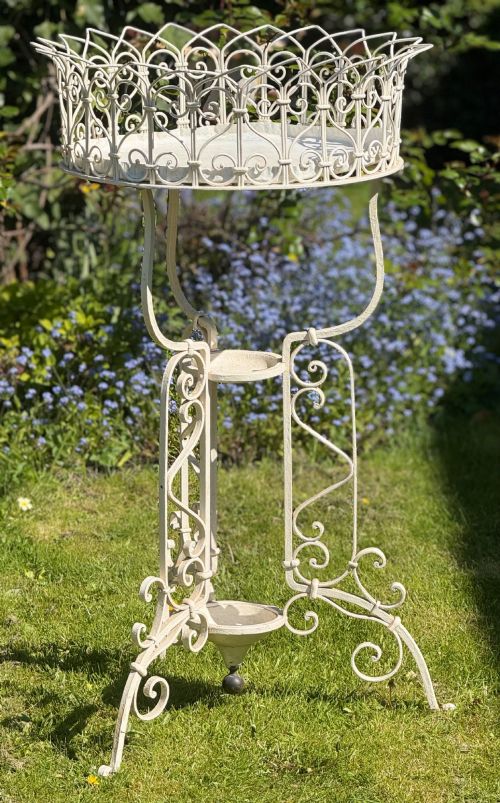


Victorian Wrought Iron Stand
These Victorian wrought iron stand examples bring utility and scrollwork charm to gardens and interiors alike.
Victorian Wrought Iron Stand
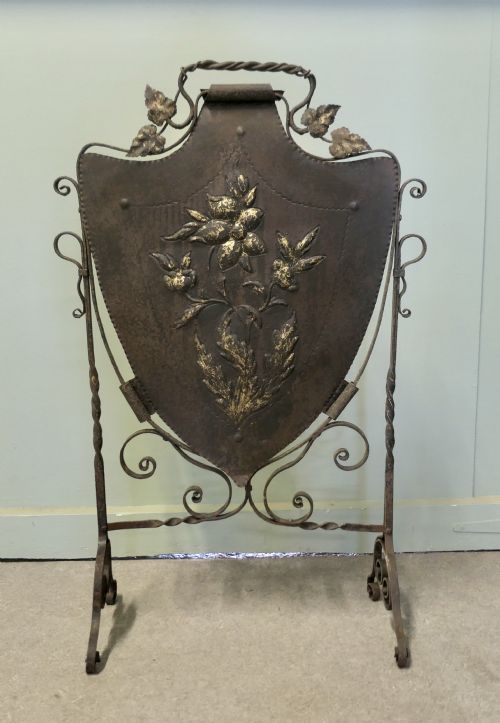
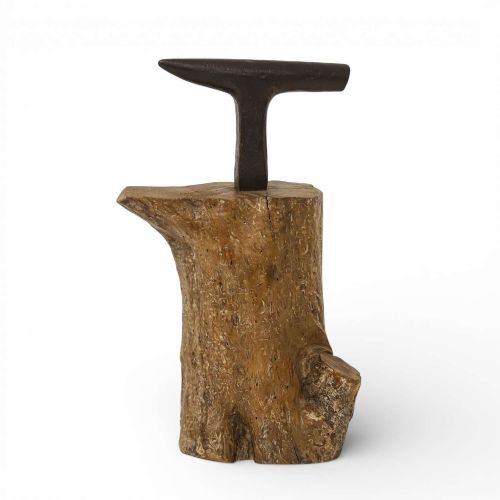
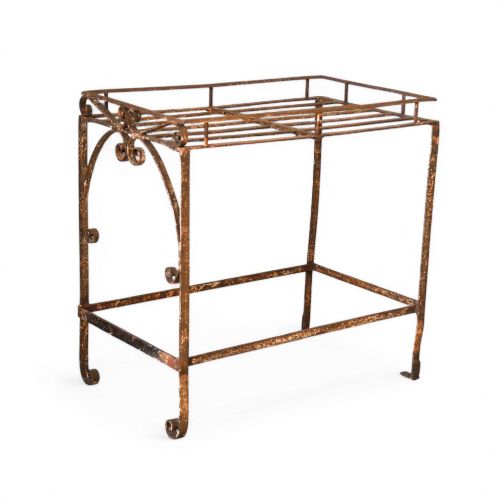
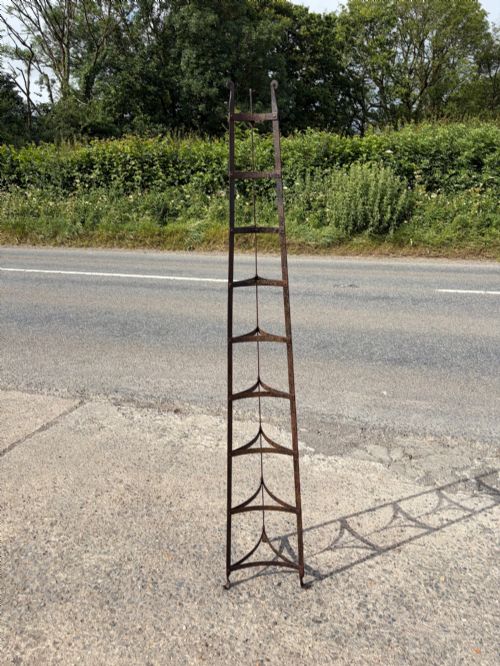
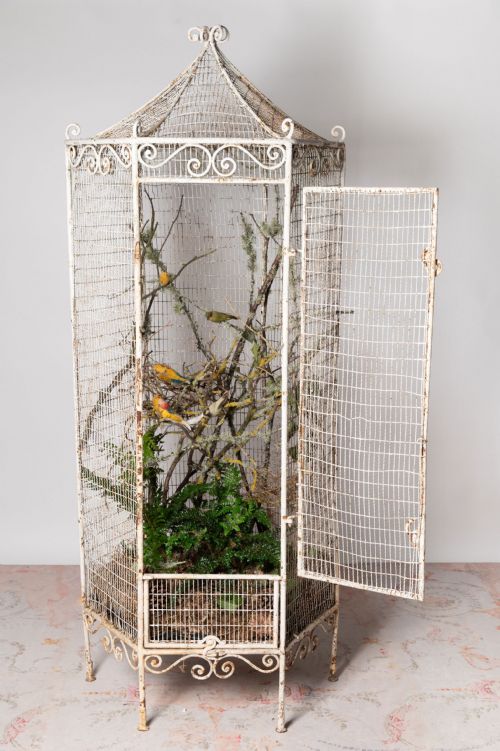
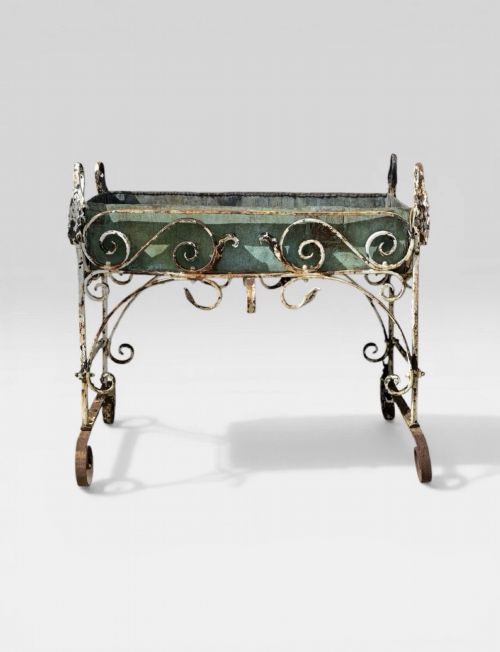
A Victorian wrought iron stand encompasses a varied group of utilitarian and decorative metalwork items shaped during the nineteenth century and the early decades of the twentieth century. These pieces include multi-tiered plant stands, garden urns, kitchen pan stands, and telescopic floor lamps designed for domestic or conservatory use.
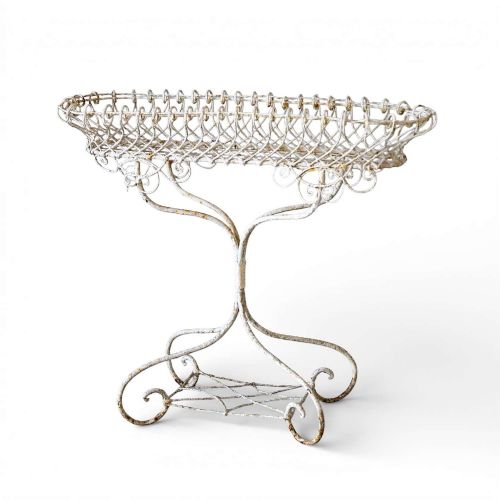
Plant stands and tiered pot racks dominate the selection, often featuring scrollwork, lattice basket tops, or riveted corners. Garden variants and interior storage racks demonstrate the heavy reliance on durable metalwork for everyday country house and estate management.
Stylistic influences range from Gothic Revival and Arts and Crafts to Art Nouveau and French Provincial designs. Buyers encounter both painted surfaces and weathered patinas that reflect decades of utilitarian exposure.
How they were made
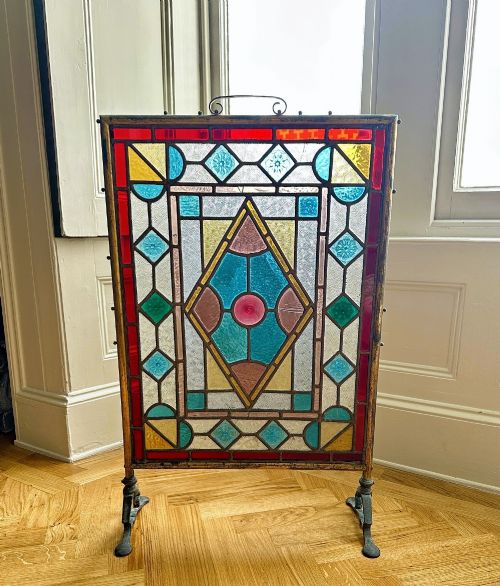
Blacksmiths and estate metalworkers shaped wrought iron through heating and hammering, utilising scrollwork, riveting, and wirework techniques to construct rigid frames. These structural iron elements often combine with cast iron components, brass fittings, copper accents, and occasionally glass or timber additions.
Surfaces receive protective coatings such as paint or rely on natural weathering to develop patinas over time. Construction methods prioritize load-bearing capacity in multi-tiered pan stands and plant holders while maintaining decorative grace through hand-forged curves.
Victorian Wrought Iron Stand Retail Price Guide 2026
Typical asking prices for victorian wrought iron stand among the pieces listed under this phrase on Sellingantiques today, from the lower quarter to the upper quarter. They describe what is for sale here now, not the wider market.
Listings feature items from the 19th century and early 20th century, including the Victorian, Edwardian, Arts and Crafts, and Art Nouveau periods.
What varies in quality
Quality rests in the precision of the forging and the complexity of the scrollwork. Pieces featuring hand-forged details and substantial gauge iron demonstrate superior workshop origin compared to simpler production items.
The integrity of the structural joints and the survival of original painted finishes or patinated surfaces dictate the desirability of each stand. Complexity in tier arrangement, such as multi-tiered shelving or integrated brass and copper elements, separates utilitarian items from finer decorative examples.
The Victorian Wrought Iron Stand Glossary
- Wrought iron
- A tough, malleable form of iron that blacksmiths heat and hammer into shapes like scrolls and structural frames. It bends rather than snaps under heavy loads.
- Scrollwork
- Ornamental spiral or curved patterns formed in metalwork. This technique defines the decorative aesthetic of many plant and pan stands.
- Jardinere
- An ornamental stand or pot designed to hold growing plants or flowers. These items frequently inhabit conservatories and gardens.
- Pricket candlestick
- A candle holder featuring a sharp metal spike upon which the candle sits. Examples appear in wrought iron for domestic or ecclesiastical illumination.
- Telescopic
- Adjustable in height through sliding metal sections. This mechanism allows floor lamps and stands to alter their vertical reach.
Victorian Wrought Iron Stand: Frequently Asked Questions
What were plant stands used for?
Victorian households utilised plant stands to display potted ferns and conservatory flora at varying heights. They maximised sunlight exposure and added green foliage to interior rooms and glasshouses.
Garden versions accommodated heavy terracotta urns and trailing plants on patios. Their tiered designs allowed multiple pots to occupy a compact floor space.
How do I care for wrought iron?
Wrought iron requires dry indoor environments or protected outdoor placement to prevent active rust formation. Regular dusting preserves the surface finish.
Applying a light wax coat helps protect painted or bare metal surfaces. Avoid harsh chemical cleaners that strip historical patinas.
Are pan stands strong?
Tiered pan stands were constructed by blacksmiths to support heavy cast iron cookware in large country house kitchens. Their multi-tiered frames distribute heavy loads safely.
Substantial gauge iron ensures these racks remain stable under daily kitchen use. They function reliably for modern storage of heavy pots and pans.