
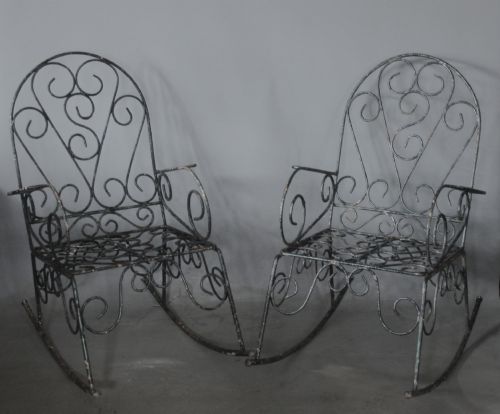


Victorian Wrought Iron Furniture
Victorian wrought iron furniture brings enduring metalwork to the garden, offering robust benches, tables, and plant stands built to weather the elements.
Victorian Wrought Iron Furniture
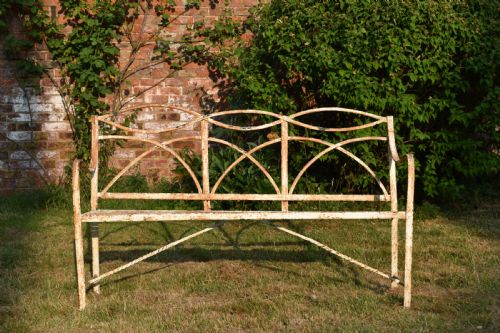
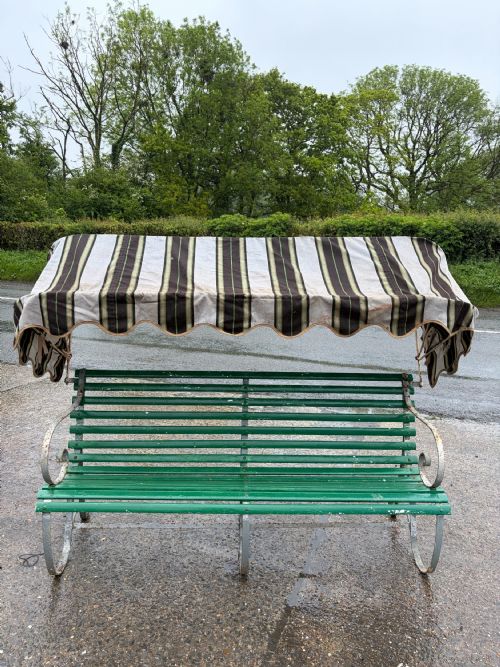
Victorian wrought iron furniture encompasses outdoor seating, bistro sets, and plant stands designed for nineteenth-century gardens and conservatories. Buyers exploring this category encounter sturdy garden benches, strapwork tables, and decorative plant stands originating from the Victorian period through to the early twentieth century.
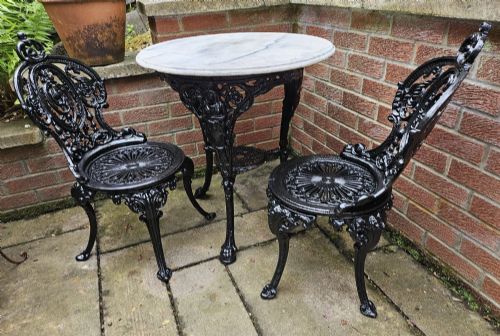
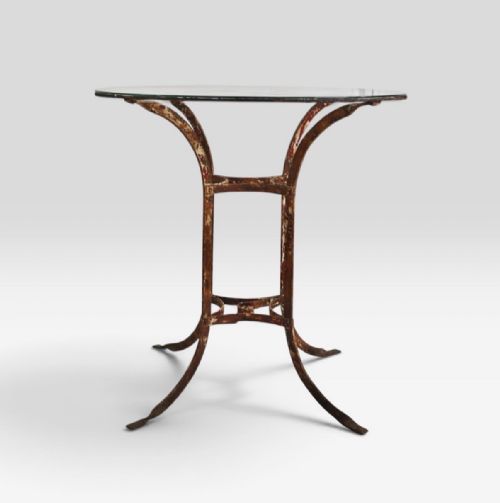
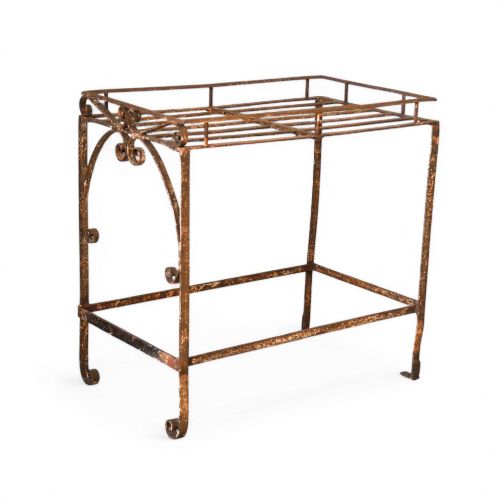
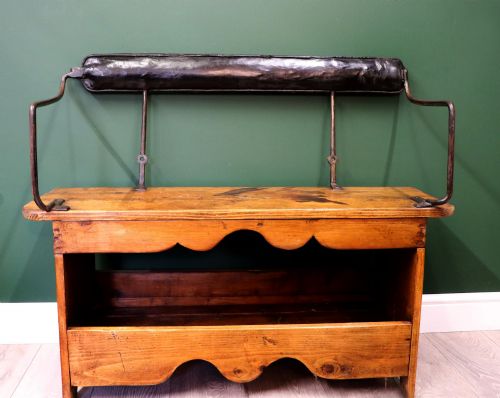
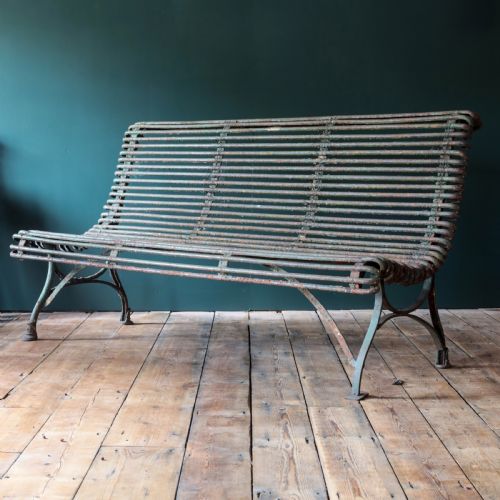
The selections span utilitarian estate-made racks and ornate Gothic style chairs alongside French Arras pieces. Forms range from simple wash stands and console tables to elaborate garden dining sets complete with matching chairs.
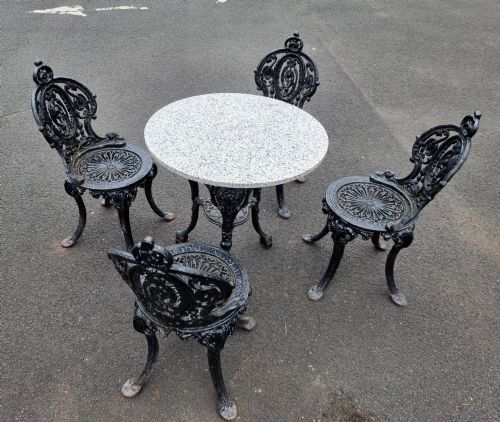
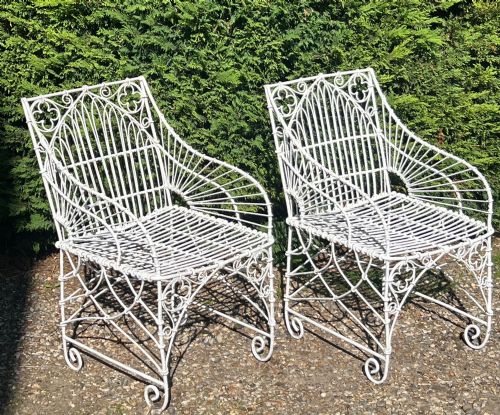
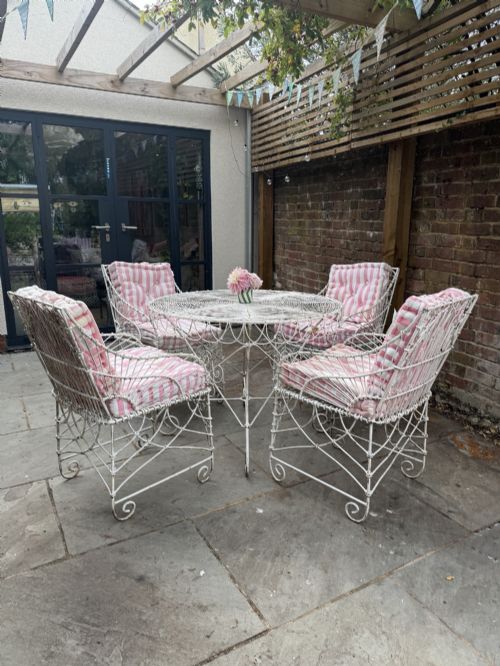
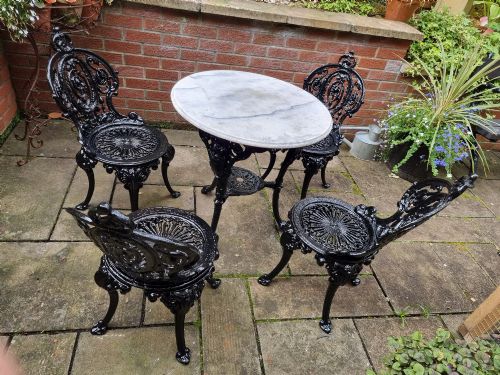
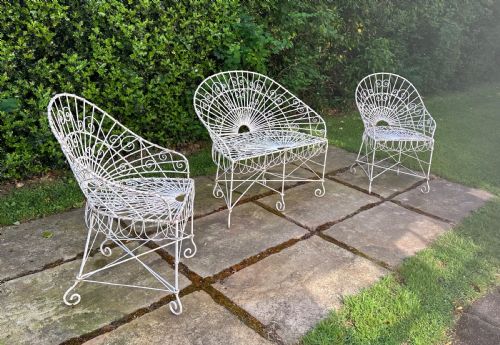
Many examples combine heavy iron frames with timber slats or marble tops, while wirework variations introduce intricate scrolling patterns to tables and chairs.
Materials and construction methods
Makers utilised wrought iron and cast iron alongside supplementary materials like marble, glass, and timber. Structural elements relied on forged metal bars shaped through heating and hammering.
Surfaces received protective layers of paint to withstand outdoor placement. Wirework pieces involved meticulous bending and welding of wire strands to form supporting structures for garden settings.
Materials appearing across the selection include wrought iron, cast iron, wirework, marble, and timber.
Assessing quality and craftsmanship
Superior examples display careful attention to detail in their scrollwork and joinery, distinguishing them from utilitarian items. The weight of the metal and the precision of the strapwork indicate the standard of production.
The integration of materials, such as fitted marble tops or timber slats, contributes to the overall refinement of the piece. Well-executed decorative elements elevate simple garden furniture into distinctive examples of period metalwork.
The Victorian Wrought Iron Furniture Glossary
- Wrought iron
- A tough, malleable form of iron that can be heated and hammered into decorative scrolls and structural bars. This material resists snapping under stress, making it ideal for outdoor seats.
- Cast iron
- Molten iron poured into a mould to create rigid decorative components and heavy frames. It provides the solid foundations seen in many garden tables and plant stands.
- Strapwork
- Flat bands of metal arranged in geometric patterns or interlaced straps across backs and seats. This technique creates a resilient yet visually light surface for benches and tables.
- Wirework
- Thin metal wires twisted and welded into intricate mesh patterns for plant stands and garden furniture. The technique produces surprisingly sturdy items with a delicate appearance.
- Arras
- A distinct style of French garden furniture featuring curved iron straps and specific bolt construction. These pieces are sought after for their robust frames and curved slat seats.
Victorian Wrought Iron Furniture: Frequently Asked Questions
How do I maintain outdoor iron furniture?
Keep the metal protected by applying suitable paint coatings when previous layers show wear. Store pieces indoors or use covers during harsh winter months to prevent excessive moisture accumulation.
Regularly check joints and fixings for stability, wiping down surfaces to remove dirt and debris that might trap moisture against the metal.
Are these pieces suitable for indoor use?
Many items transition easily into indoor spaces such as conservatories, hallways, or garden rooms. Plant stands, console tables, and wash stands add architectural structure to interior rooms.
Ensure protective pads are placed under iron feet to prevent scratching indoor flooring materials.
How can I tell period iron from reproductions?
Examine the construction methods and surface textures for signs of traditional hand-working techniques. Period items often display minor irregularities in the forging process that modern reproductions lack.
The accumulation of historical paint layers and natural weathering provides further clues to an item's age.
What is the difference between cast and wrought iron?
Cast iron is poured into moulds, resulting in rigid, brittle components with crisp decorative details. It is heavier and commonly found in bases and stands.
Wrought iron is hammered and bent into shape, yielding a fibrous material that bends rather than snaps. It is typically utilised for structural frames and scrolling strapwork.