


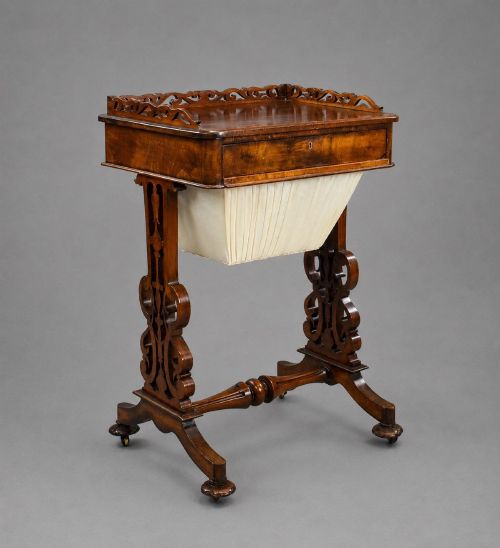

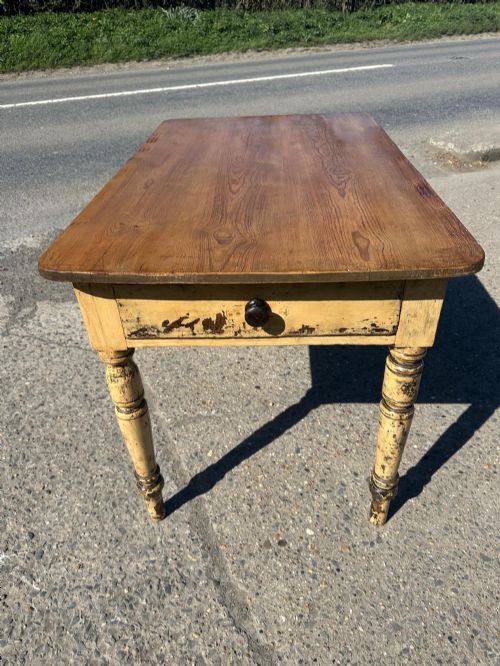
Victorian Wooden Work Table
A victorian wooden work table brings purposeful nineteenth-century charm to a room, combining domestic utility with rich timber character.
Victorian Wooden Work Table
A victorian wooden work table is primarily a domestic piece designed for sewing, needlework, or small writing tasks, emerging across the nineteenth century in various forms. Buyers searching this phrase encounter specialised sewing and work tables alongside related side tables, occasional tables, and kitchen preparation tables.
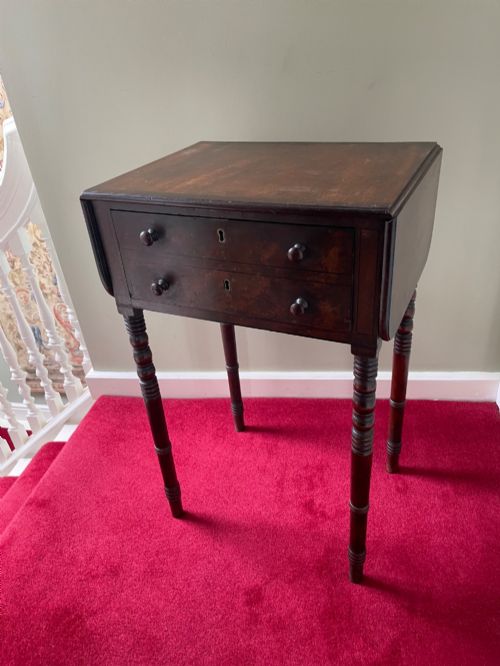
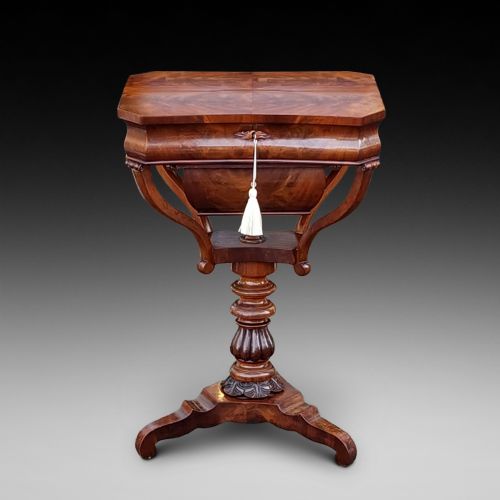
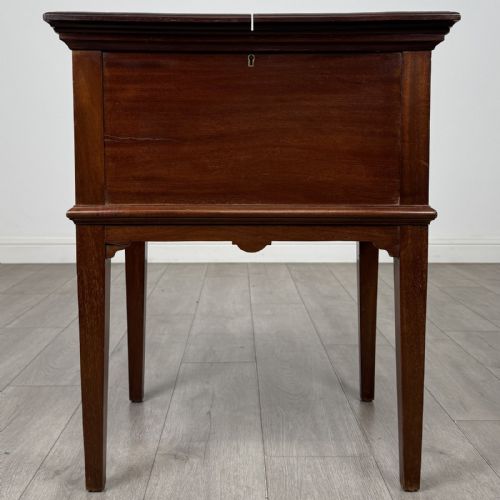
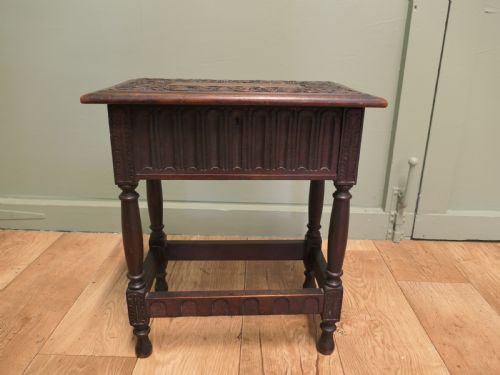
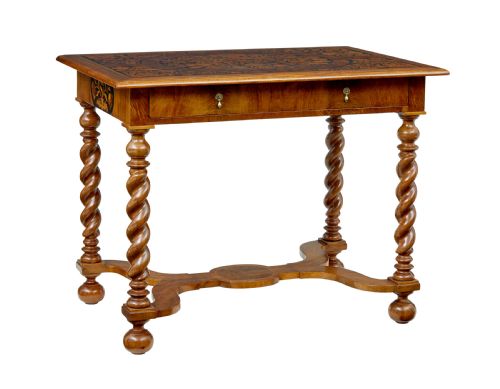
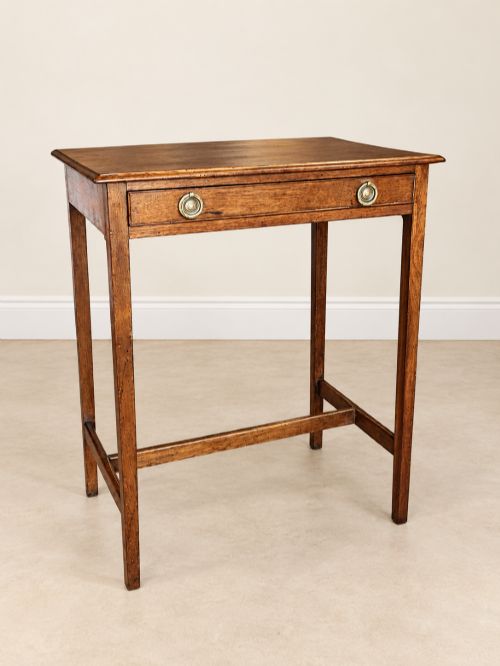
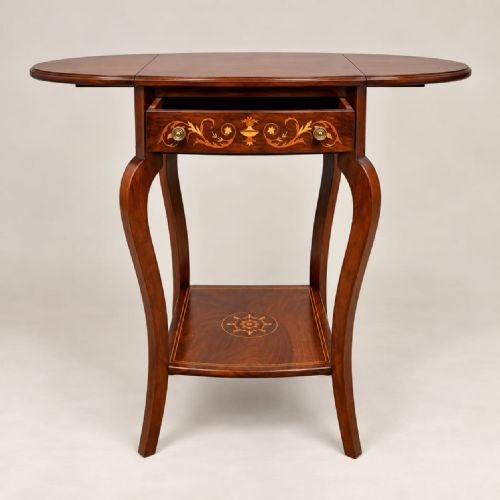
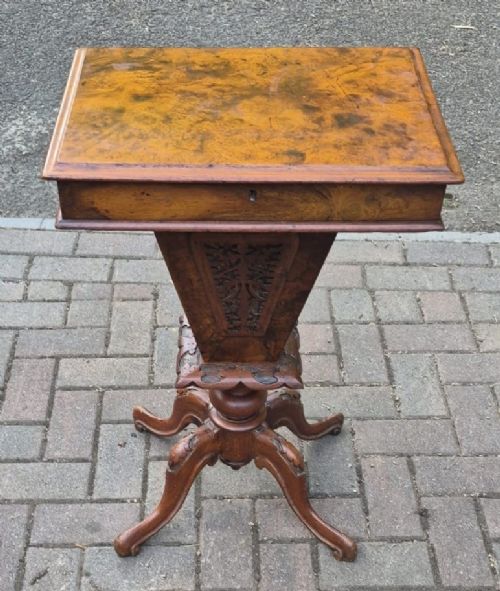
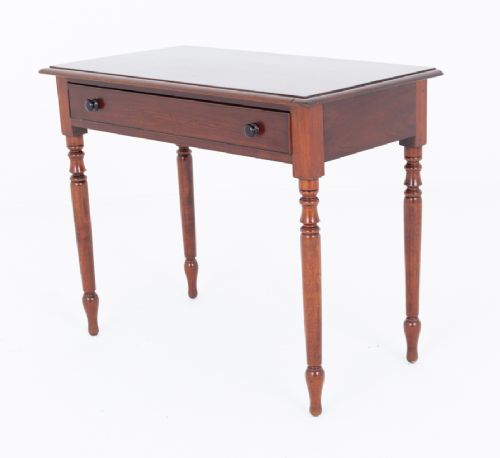
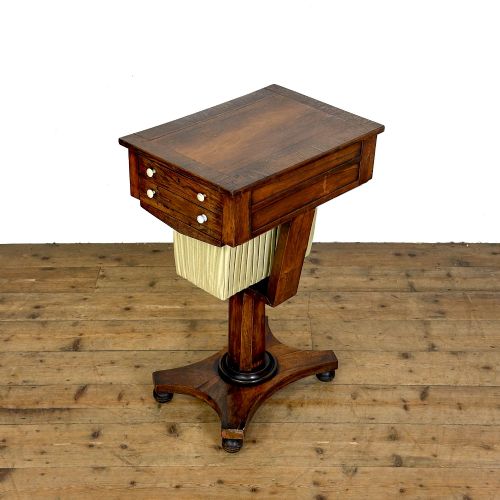
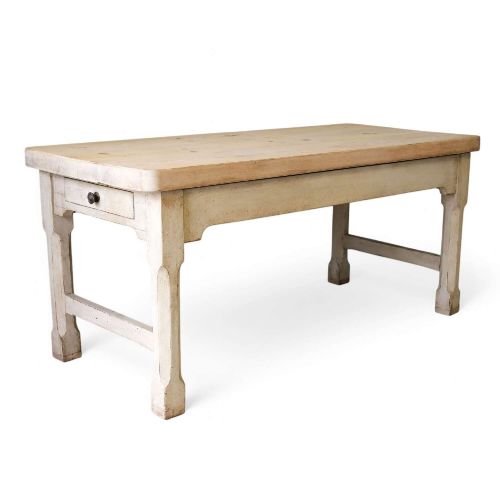
The materials span sturdy pine, rich mahogany, walnut, burr walnut, and rosewood, often featuring drop leaves, single drawers, or fitted compartments. Pieces range from refined parlour tables with marquetry inlay to rustic country house and farmhouse utility tables.
The selection on this page centres heavily on Victorian and nineteenth-century examples, capturing both polished formal items and practical vernacular furniture.
What varies in quality
The distinction between ordinary and superior pieces rests on the choice of timber and the crispness of the joinery and inlay. Dense flame mahogany, figured burr walnut, and delicate marquetry separate high-status drawing-room pieces from standard utility furniture.
Proportion, original hardware, and intact internal compartments elevate certain sewing tables above simpler side and prep tables. The integrity of the timber and the subtlety of turned or carved supports dictate the overall standing of an individual table.
Victorian Wooden Work Table Retail Price Guide 2026
Typical asking prices for victorian wooden work table among the pieces listed under this phrase on Sellingantiques today, from the lower quarter to the upper quarter. They describe what is for sale here now, not the wider market.
Materials represented across the inventory include mahogany, walnut, burr walnut, rosewood, pine, brass, and fabric.
The Victorian Wooden Work Table Glossary
- Drop leaf
- A table featuring hinged flaps on one or both sides that can be raised to extend the surface area or lowered when space is restricted.
- Marquetry
- Decorative veneer work arranged in geometric or pictorial patterns using various coloured woods, frequently seen on finer Victorian walnut and rosewood tables.
- Pembroke table
- A small occasional table characterised by two hinged drop leaves on opposing sides and typically a single drawer beneath the top.
- Work table
- A specialised nineteenth-century domestic table designed for needlework and sewing, usually fitted with a drawer or a hanging fabric bag.
- Occasional table
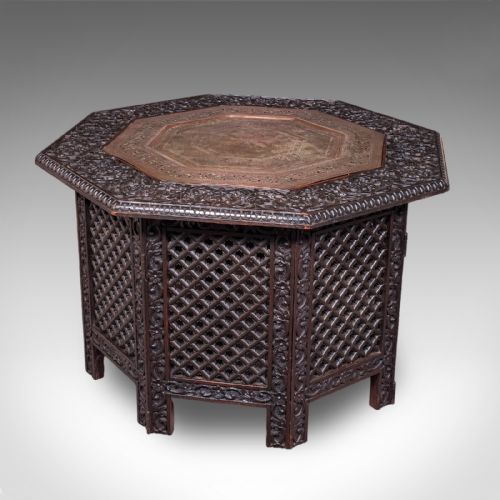
- A small, versatile table intended to be moved around a room as needed for lamps, display, or general use.
Victorian Wooden Work Table: Frequently Asked Questions
What was a work table used for?
These tables served as dedicated stations for domestic needlework, embroidery, and small sewing projects, keeping materials organised in drawers or internal compartments.
Over time, many transitioned into general parlour or occasional furniture, serving as convenient surfaces for lamps and books.
How do I distinguish between formal and rustic tables?
Formal pieces utilise polished hardwoods like mahogany, walnut, and rosewood, often enhanced by marquetry inlay, turned legs, and delicate drop leaves.
Rustic examples are constructed from solid pine or fruitwoods with simpler lines, reflecting their origins in farmhouses, dairies, and country house kitchens.
Where should I place a work table in a modern home?
Their compact proportions make them well suited as bedside tables, lamp tables in living rooms, or small writing desks in awkward corners.
Drop leaf variants offer flexibility, allowing you to expand the surface when extra room is required.
How do I identify the period of a nineteenth-century table?
Dating relies on observing timber choices, construction methods, and stylistic cues associated with the Victorian era, William IV period, or broader nineteenth-century vernacular.
Details such as drawer linings, turned leg profiles, and the presence of marquetry or brass hardware help narrow the decade of manufacture.