

Victorian Wooden Walking Stick
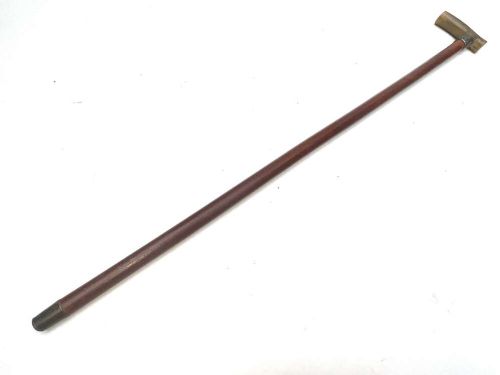
A victorian wooden walking stick is a functional everyday accessory turned collectible, offering a glimpse into nineteenth-century personal style and craftsmanship.
Victorian Wooden Walking Stick
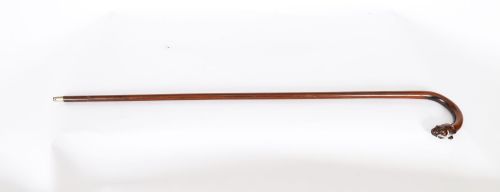
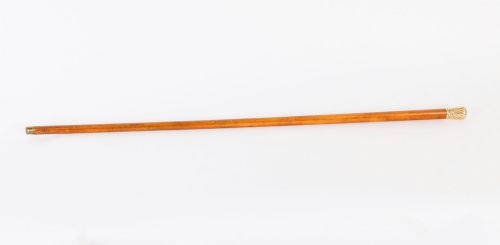
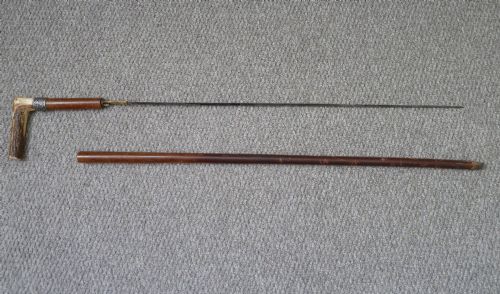
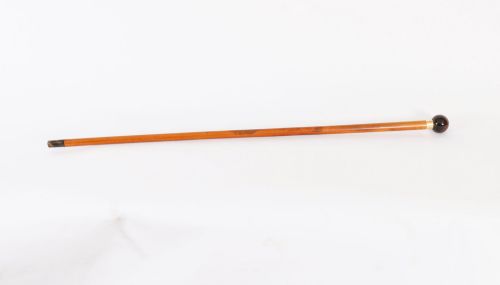
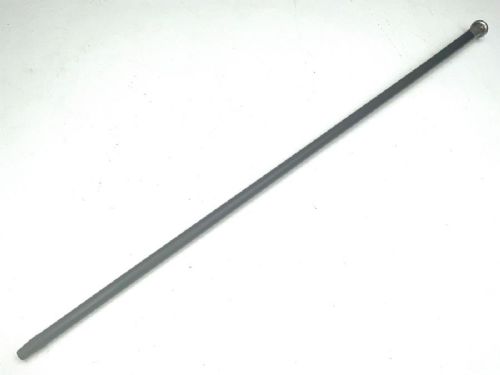
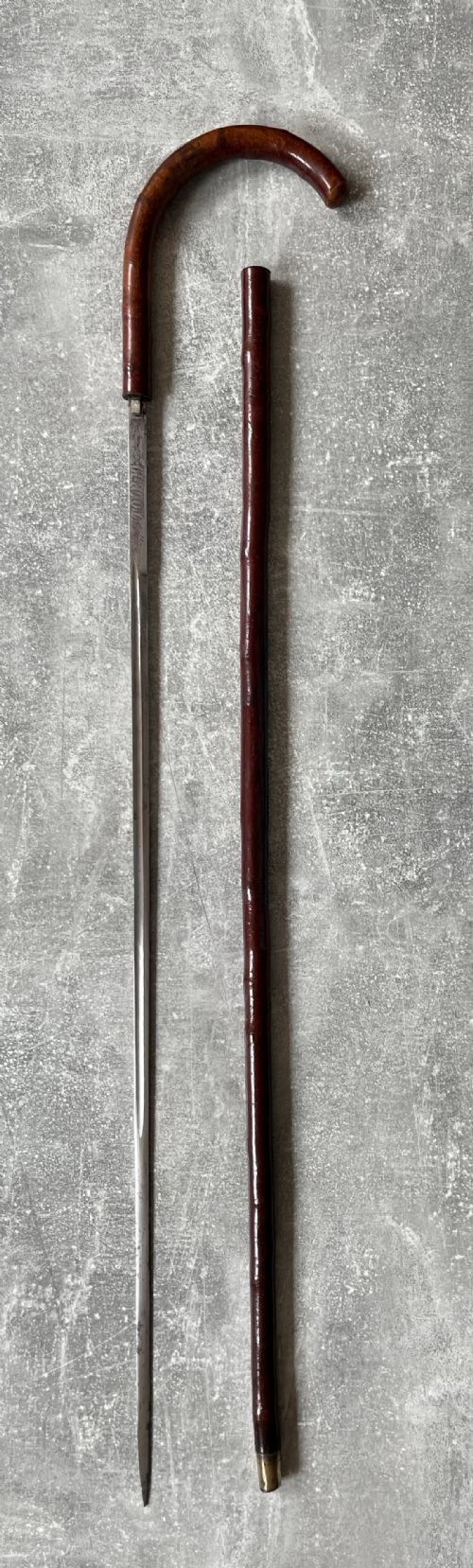
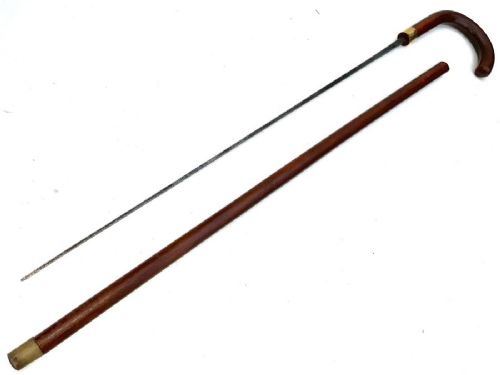
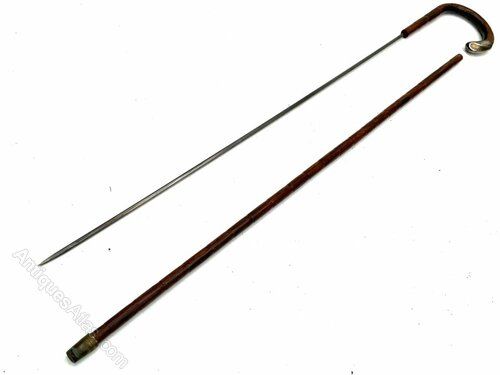
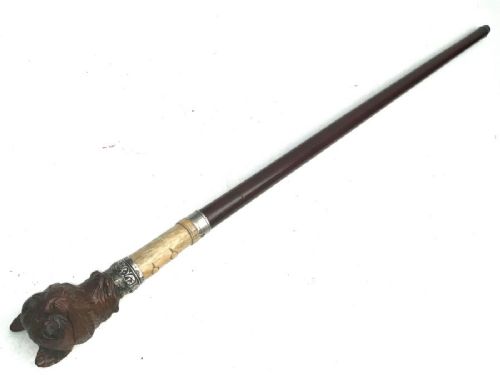
A victorian wooden walking stick encompasses a range of traditional supports fashioned from timber, frequently encountered in forms with carved handles or concealed blades.
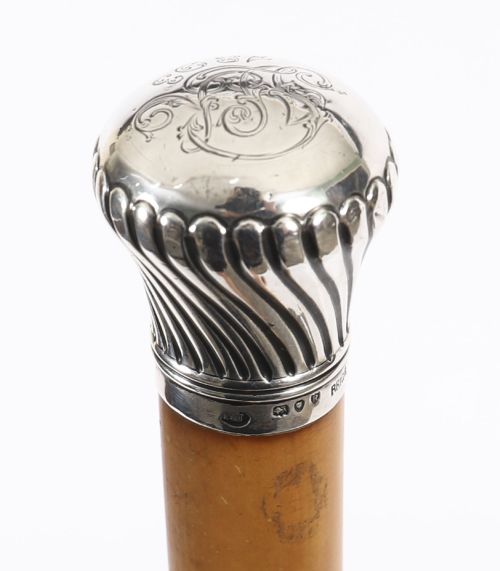
The materials span oak, cherrywood, partridge wood, pitch pine, hazel, malacca, elm, rosewood, and blackthorn, often paired with metal collars or pommels.
Examples date from the late nineteenth century into the Edwardian era, reflecting both gentlemanly pursuits and country house utility.
How they were made
Maker's work relied on seasoned timbers shaped and fitted with steel, brass, silver, or gold elements, including pommels and collars.
Blades forged in Toledo or by Wilkinson were integrated into sword sticks alongside carved horn, wood, and novelty grips.
Victorian Wooden Walking Stick Retail Price Guide 2026
Typical asking prices for victorian wooden walking stick among the pieces listed under this phrase on Sellingantiques today, from the lower quarter to the upper quarter. They describe what is for sale here now, not the wider market.
Materials recorded across the listings include oak, steel, brass, silver, gold, horn, and various hardwoods.
What varies in quality
Distinctions lie in the intricacy of carved details, such as animal figures or novelty handles, versus plain stems.
The choice of precious metals for pommels or specialised blade makers elevates the standing of an individual piece.
Thomas Johnson
The Victorian Wooden Walking Stick Glossary
- Pommel
- The rounded knob on the upper end of a walking stick. It often incorporates gold, silver, or carved wood.
- Sword stick
- A cane fitted with a concealed internal blade. It requires a secure mechanism to lock the shaft and handle together.
- Collar
- A metal band encircling the upper shaft below the handle. It frequently carries hallmarks or maker details.
Victorian Wooden Walking Stick: Frequently Asked Questions
What is a victorian wooden walking stick used for?
These items served as gentlemanly accessories for daily promenades, travel, and formal occasions during the nineteenth and early twentieth centuries.
Certain versions also incorporated concealed utility functions, such as hidden blades or corkscrews, for personal defence or hospitality.
How do you date a wooden walking stick?
Dating relies on stylistic clues, timber types, and any associated metalwork markings such as silver or gold hallmarks.
Pieces frequently align with late Victorian, Edwardian, or nineteenth-century manufacturing methods recorded across surviving examples.
What woods were used for sticks?
Craftsmen utilised various native and exotic timbers including oak, cherrywood, partridge wood, hazel, malacca, elm, rosewood, and blackthorn.
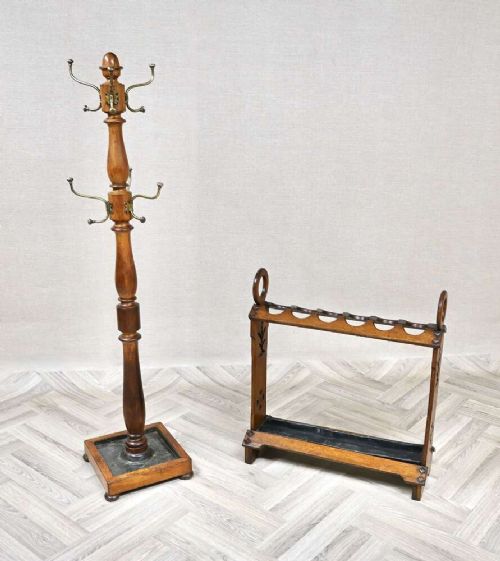
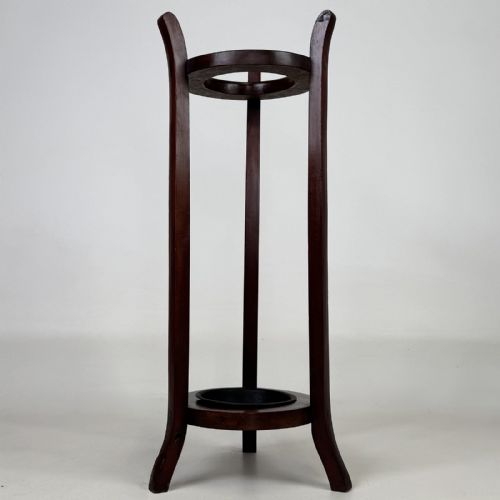
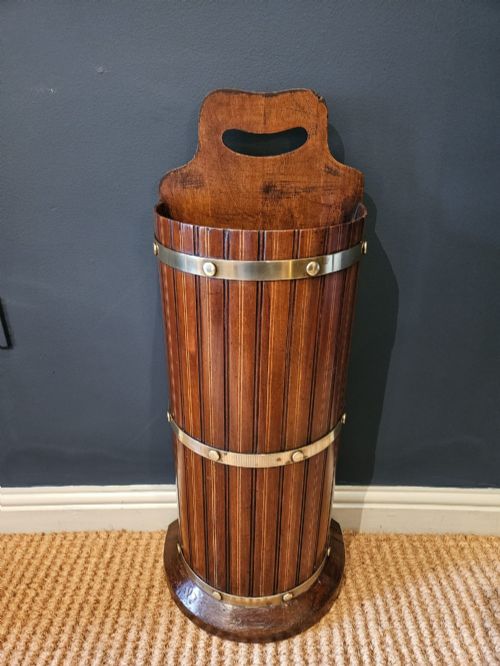
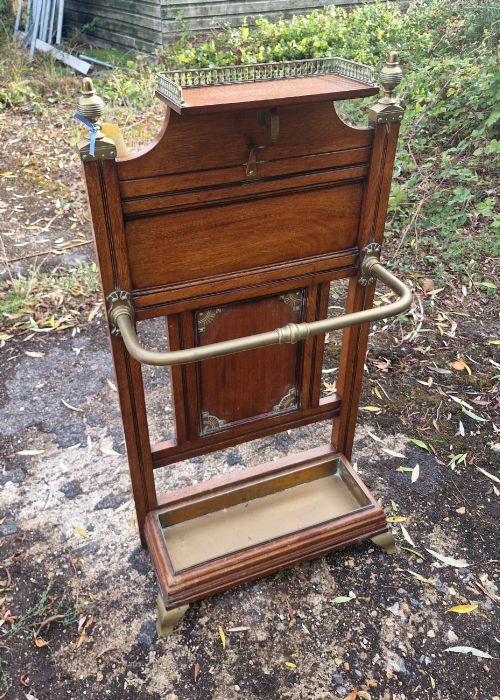
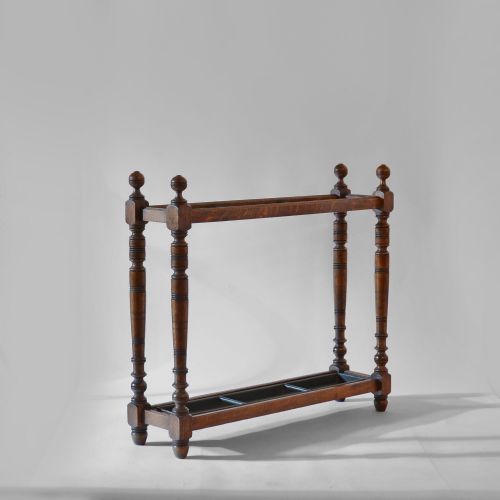
Pitt pitch pine and heavier hardwoods also appeared in related hall furniture like umbrella stands.
Are sword sticks legal to own?
Regulations regarding concealed weapons vary by jurisdiction, requiring buyers to verify local laws concerning antique edged items.
Historical examples often feature Toledo or Wilkinson blades housed within timber shafts.