





Victorian Wooden Sign
A victorian wooden sign brings authentic trade character into a room through hand-painted lettering and time-worn timber.
Victorian Wooden Sign
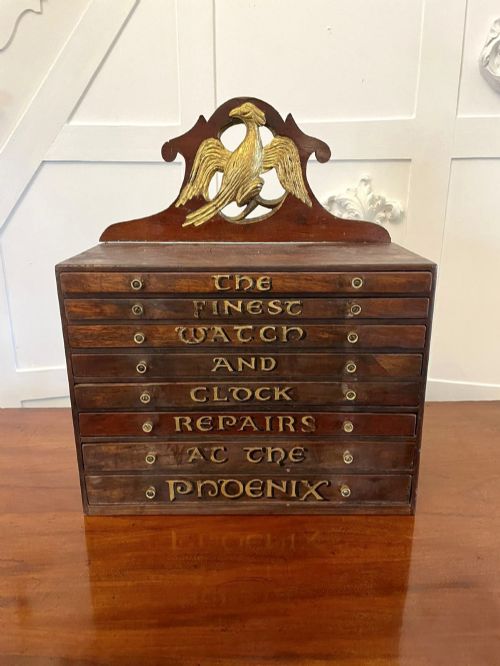
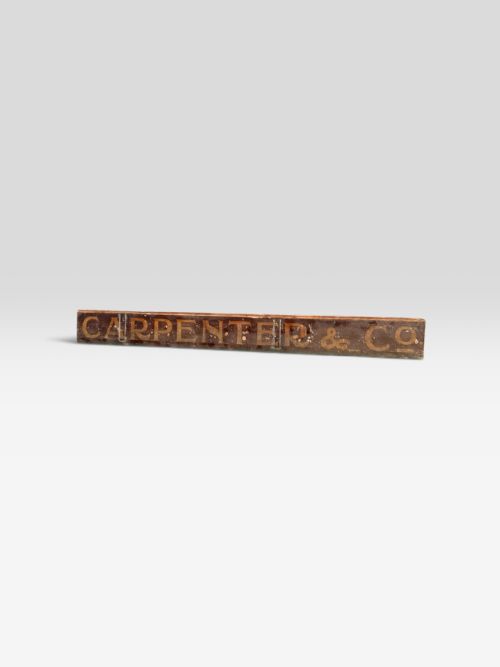
A victorian wooden sign encompasses trade boards, shop panels, and public house markers created to communicate commerce and craft to the street. These pieces span the nineteenth century and into the early twentieth century, reflecting the practical needs of butchers, grocers, and hardware merchants. The selection on this page shows everything from large painted department store boards to detailed locksmith and butcher displays.
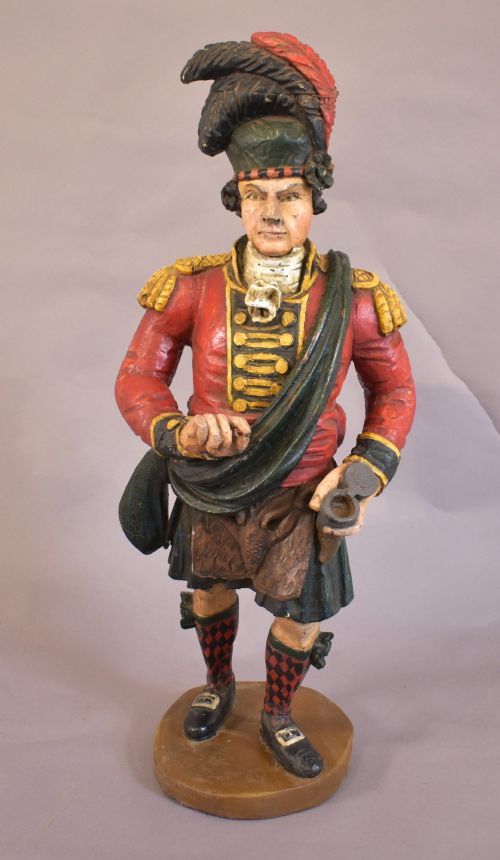
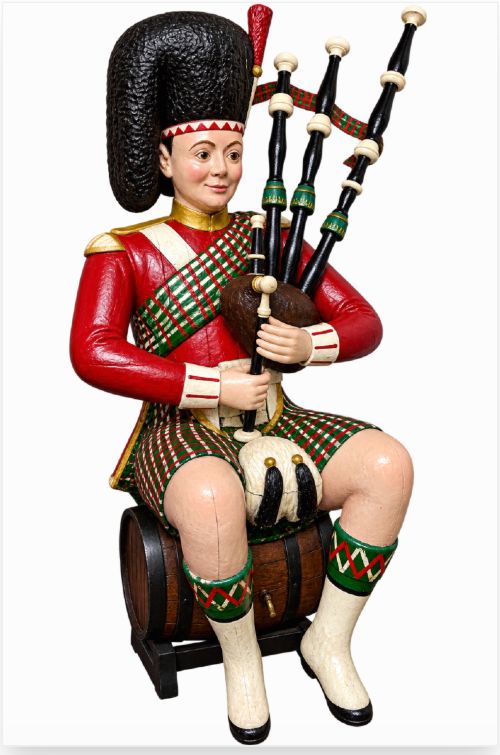
Buyers encounter pine, oak, and mahogany boards carrying original painted lettering, sometimes heightened with gold leaf or paired with glass and brass elements. Many items emerge from specific regional contexts, such as Welsh borders or Scottish workshops, displaying local lettering traditions. Beyond standard trade boards, the grouping includes advertising cart sides and fairground ride panels sharing the same painted wooden construction.
Materials and Construction
Makers relied on durable native timbers like pine, oak, and mahogany to build the foundation boards, often joining thick planks to withstand outdoor exposure. Carpenters shaped and planed these timber panels before surface preparation took place.
Painters applied oil-based pigments directly to the wood, frequently incorporating gold leaf for lettering that needed to catch the street light. Protective varnish or natural weathering over decades created the characteristic hard surfaces seen today.
Victorian Wooden Sign Retail Price Guide 2026
Typical asking prices for victorian wooden sign among the pieces listed under this phrase on Sellingantiques today, from the lower quarter to the upper quarter. They describe what is for sale here now, not the wider market.
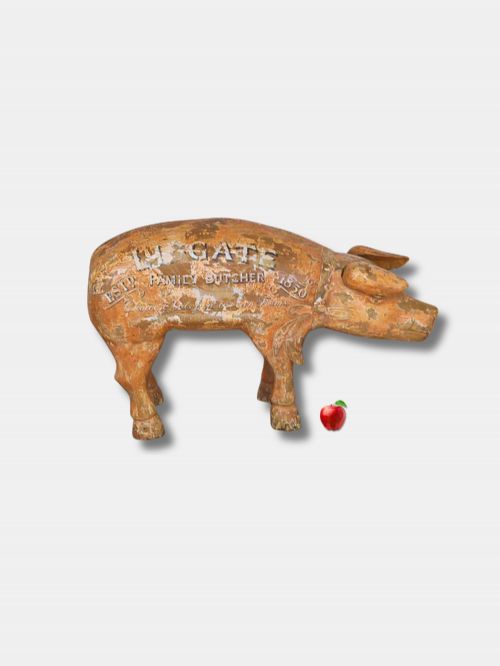
A butcher named Lidgate left his name painted in bold letters on a large trade sign.
Assessing Quality and Character
The distinction between ordinary utility boards and superior examples lies in the confidence of the sign-writer's hand and the originality of the surface. Lettering executed with crisp proportion and balanced spacing elevates a piece beyond basic commercial output.
Surface preservation dictates desirability, with undisturbed original paint layers holding greater visual weight than heavily restored or later over-painted panels. The integration of auxiliary materials like brass fixings, glass panels, or carved wooden motifs also adds depth to the construction.
Gerwin & Co Birmingham·Jaques
The Victorian Wooden Sign Glossary
- Trade Sign
- A board or carved object commissioned by a business to advertise services or goods to passers-by. These were typically mounted outside shops or public houses.
- Gold Leaf
- Gold beaten into extremely thin sheets and applied to a surface using size adhesive. It provided durable, light-catching lettering that resisted fading.
- Sign-Writing
- The specialised trade of painting lettering and pictorial elements by hand. Practitioners used specialist brushes and mixed pigments to achieve clean proportions.
- Pine
- A softwood commonly used for large commercial boards due to its availability and stable working properties. It took oil paint well and formed the backbone of many regional signs.
Victorian Wooden Sign: Frequently Asked Questions
Where were these signs originally displayed?
Shopkeepers mounted these boards above doorways, along exterior walls, or perpendicular to the street to catch pedestrian traffic. Many served specific trades like butchers, hardware merchants, and locksmiths.
Interior spaces also accommodated specialised boards, including hymn boards in religious settings and display notices inside department stores or masonic halls.
How do I care for a painted wooden sign?
Keep wooden signs away from direct sunlight, damp environments, and sudden temperature shifts to protect the underlying timber and historic paint layers. Dust gently with a dry, soft cloth without applying modern liquid cleaning products.
Allow the surface to age naturally rather than attempting to seal or wax old painted finishes, as intervention can alter the historic patina.
Are these signs double-sided?
While many wall-mounted boards are single-sided with a plain or bracketed reverse, certain examples were constructed to be viewed from both directions. Hanging signs designed for projecting brackets frequently featured painted lettering on front and back.
Examining the edges and mounting points reveals whether a board hung freely or sat flat against a wall or shop facade.
What woods were commonly used?
Pine served as the primary timber for large painted boards because it was economical and readily available in wide planks. Dense hardwoods like oak and mahogany appeared on smaller, finer plaques or hardware sample boards.
The choice of timber often depended on the scale of the sign and whether it needed to endure outdoor weather or remain inside a protected interior space.