
Victorian Wooden Rack
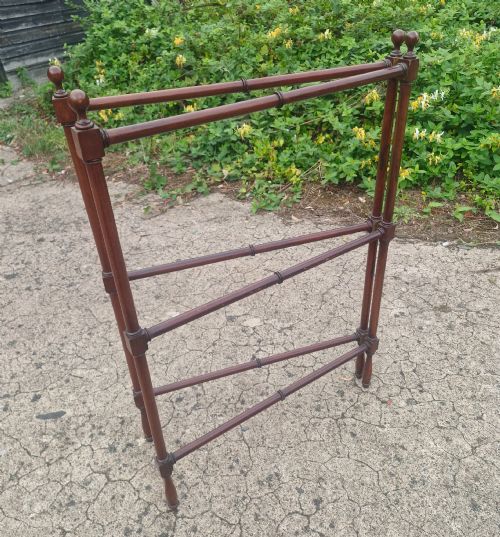
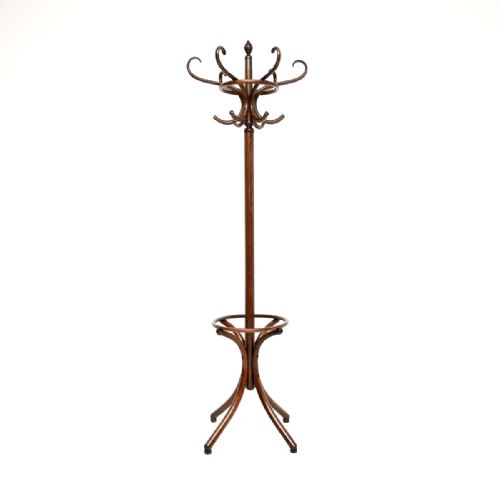
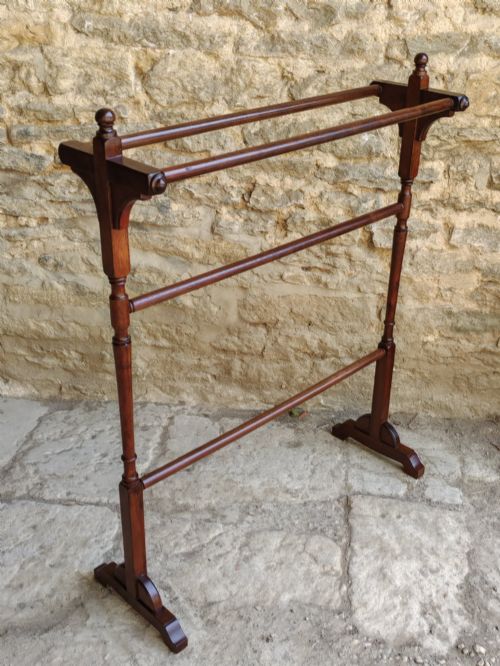
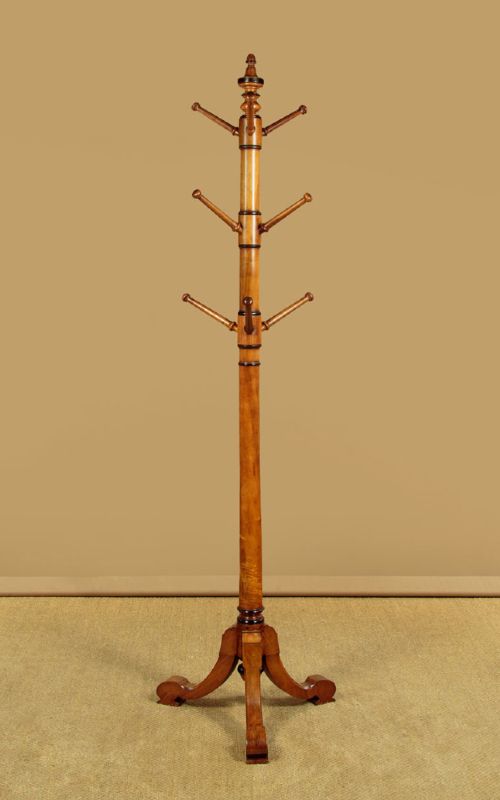
These victorian wooden rack pieces are practical hallway furniture and storage items designed to organise coats, hats, umbrellas, and towels in domestic spaces.
Victorian Wooden Rack
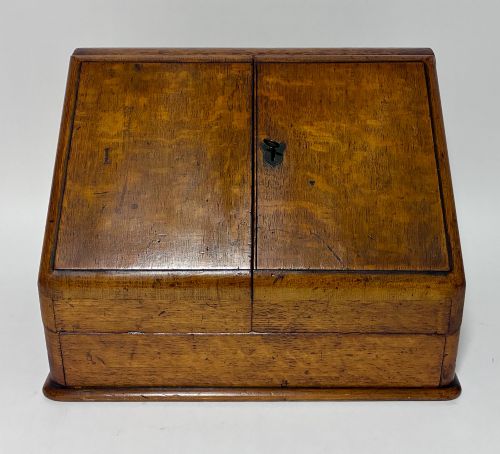
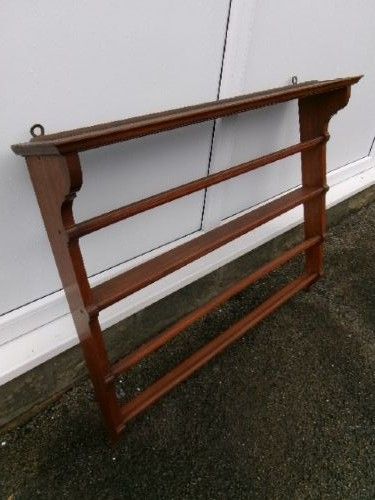
A search for a victorian wooden rack brings up a diverse selection of nineteenth and early twentieth-century domestic furnishings designed for storage and organisation. Buyers encounter forms ranging from wall-mounted coat hooks and towel rails to large freestanding hall stands, umbrella holders, and canterburys.
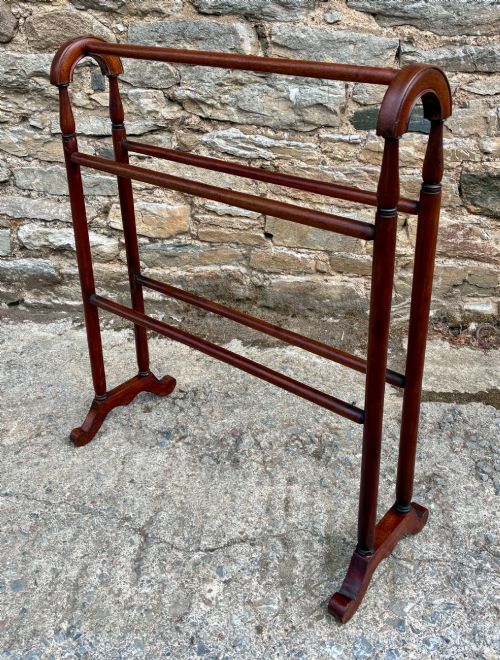
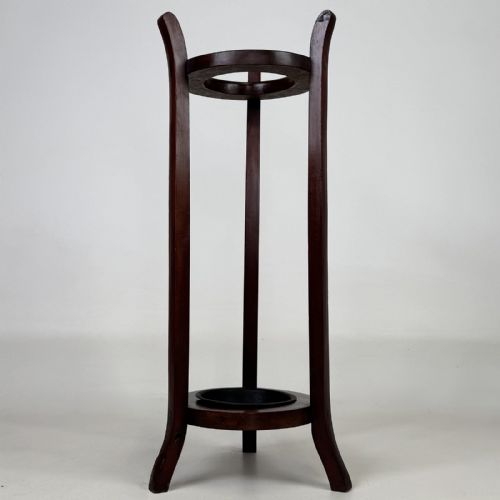
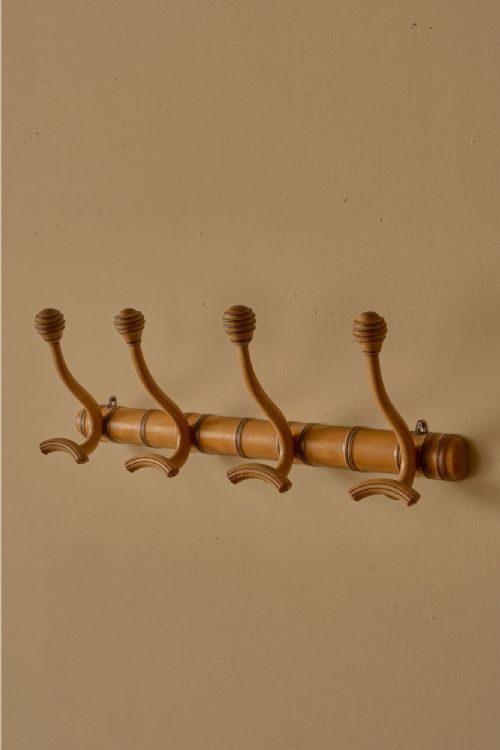
The most common items found within this grouping are wall-mounted coat racks equipped with brass or ceramic hooks, alongside freestanding mahogany or oak towel rails and umbrella stands. These functional objects reflect the domestic routines and hallway arrangements of the nineteenth and early twentieth centuries.
Pieces span periods from the Regency and William IV eras through the Victorian decades and into the Edwardian period. Alongside mainstream Victorian designs, items representing the Gothic Revival, Aesthetic Movement, and Rustic Country styles appear regularly.
Materials and construction methods
Cabinet makers utilised dense hardwoods such as mahogany, oak, walnut, and burr walnut for durability and decorative grain patterns in structural frames. Softer woods like pine and birch also appear, particularly in country pieces and utilitarian items.
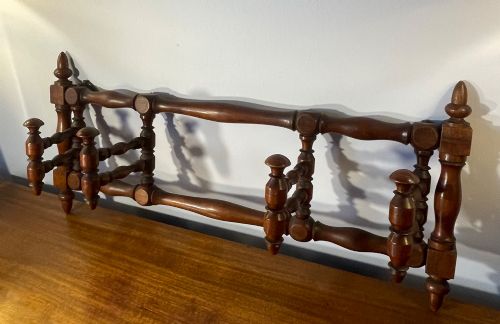
Metal and ceramic elements form an integral part of many pieces, with cast brass hooks, rails, and mountings fitted to wooden backplates. Turned spindles, carved ornamentation, and bentwood techniques provide structural support and decorative detail across coat stands and canterburys.
A Black Forest carved wooden gnome whip hook stands ready to guard your hallway accessories with woodland mischief.
Distinctions in construction and finish
The refinement of the timber selection and the execution of carved details distinguish standard utilitarian pieces from more ambitious workshop productions. Finer examples display carefully matched burr walnut veneers, well-turned spindles, and robust joinery designed to withstand heavy daily use.
The quality of the hardware, including cast brass hooks and ceramic fixtures, contributes significantly to the overall integrity of the piece. Intact original fittings and careful French polished finishes separate well-preserved examples from heavily altered items.
The Victorian Wooden Rack Glossary
- Canterbury
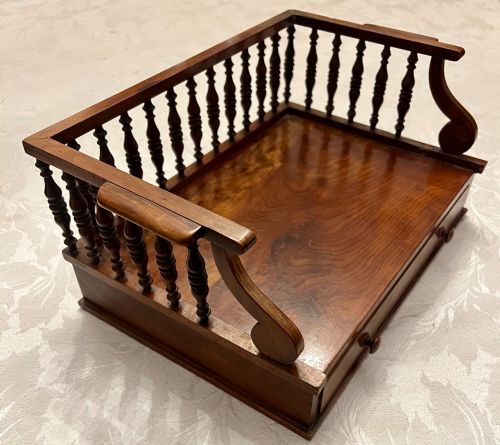
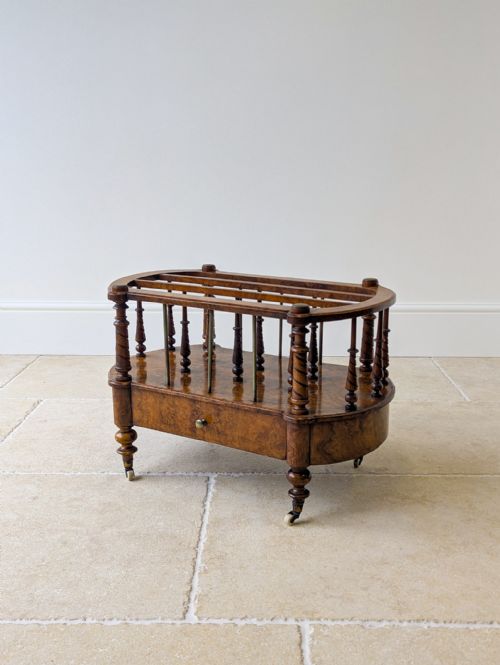
- A low wooden stand with slatted partitions, originally designed for holding sheet music and later adapted as a magazine or newspaper rack. These pieces often feature drawers and turned legs.
- Hall stand
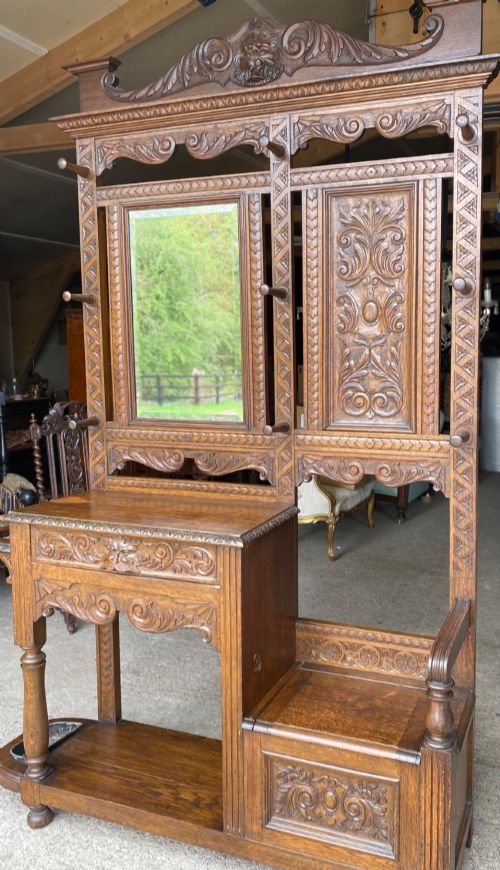
- A large freestanding piece of hallway furniture combining a coat rack, mirror, umbrella stand, and sometimes a small bench or glove box. They were central to Victorian entrance halls.
- Bentwood
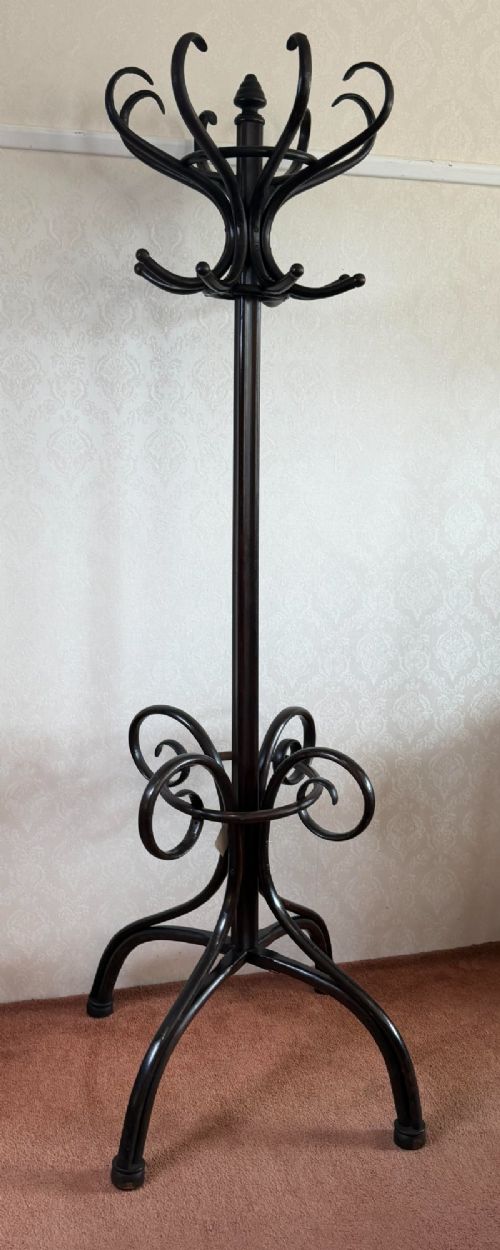
- Wood that has been steamed and pressed into curved shapes, commonly utilised in the production of lightweight hat stands and coat racks during the nineteenth and twentieth centuries.
- Burr walnut
- A highly figured wood veneer taken from the abnormal growth of a walnut tree, prized by cabinet makers for its rich, swirling patterns on decorative surfaces.
- Gothic Revival
- An architectural and decorative style drawing inspiration from medieval design, characterised by pointed arches, heavy oak construction, and ecclesiastical motifs.
Victorian Wooden Rack: Frequently Asked Questions
What is a canterbury used for?
A canterbury functions as a compartmentalised rack intended for storing sheet music, periodicals, or books near seating areas.
In period interiors, these low wooden stands kept reading materials organised and accessible within the drawing room or parlour.
How do I identify a hall stand?
A hall stand combines multiple functions into a single tall wooden structure, usually incorporating clothes hooks, a mirror, and umbrella compartments.
These pieces were placed in entrance halls to accommodate outdoor garments and accessories for household members and visitors.
What woods were used for coat racks?
Cabinet makers constructed coat racks and wall rails primarily from sturdy hardwoods including mahogany, oak, and walnut.
Softer timbers such as pine also appear in simpler country workshop pieces and utilitarian hallway fittings.
What is bentwood furniture?
Bentwood furniture is constructed by steaming lengths of timber until pliable and bending them into curved structural forms.
This technique produced lightweight yet durable hat stands and coat racks during the later nineteenth and early twentieth centuries.